You sit there in procurement meetings, spreadsheets open, trying to decide on bulk tape orders that won’t bite you later in skin complaints or loose tubes. Non-woven tape vs silk tape keeps coming up, right? One side swears by the soft stuff for everyday use, the other wants that rock-solid hold for the heavy stuff in OR or ICU. I’ve been in this game long enough, helping hospitals sort their surgical tape supplies, to know it’s not just “pick one and go.” The wrong choice costs real money and real patient comfort.
Let me walk you through this non-woven tape vs silk tape surgical tape comparison the way I’d explain it over coffee with a buyer who’s tired of returns and nurse feedback. No fluff, just what actually matters when you’re signing off on thousands of rolls.
What Exactly Is Non-Woven Tape in Medical Settings?
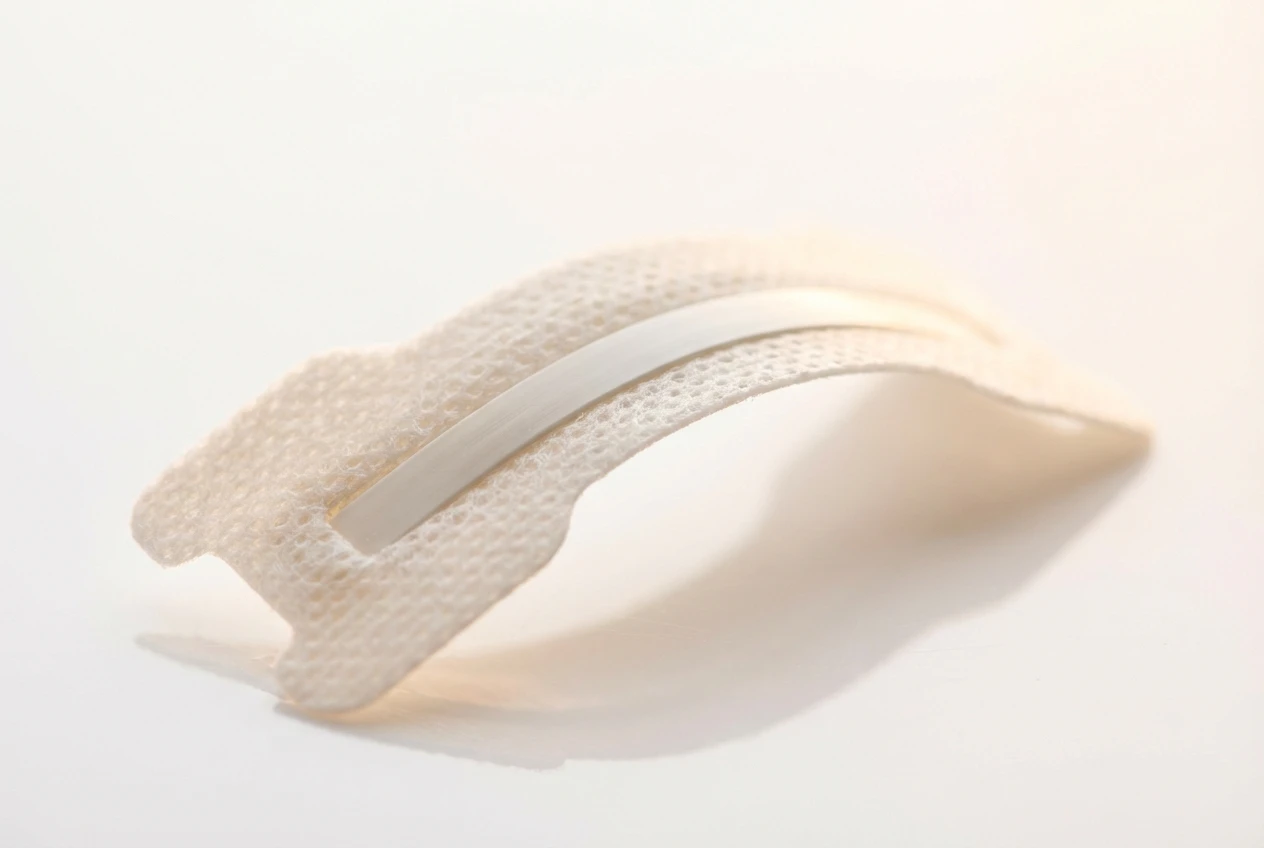
Non-woven tape – often called microporous tape when it’s the breathable kind – gets made from bonded fibers like polyester or rayon, no tight weave. That structure creates tons of tiny pores. Air moves, moisture vapor escapes, skin stays happier longer.
In practice, this means less trapped sweat or exudate under the tape. Nurses love it for standard dressing changes because it conforms to curves without fighting back. Think elbows, knees, or pediatric patients who squirm. Many non-woven options tear easy in both directions too, so no scissors hunt during rounds.
From what we’ve seen supplying hospitals, non-woven tape shines when skin needs to breathe. It’s the go-to microporous tape alternative that doesn’t scream “paper” but acts like it in the best ways.
Silk Tape – The Tough Guy in the Surgical Tape Comparison
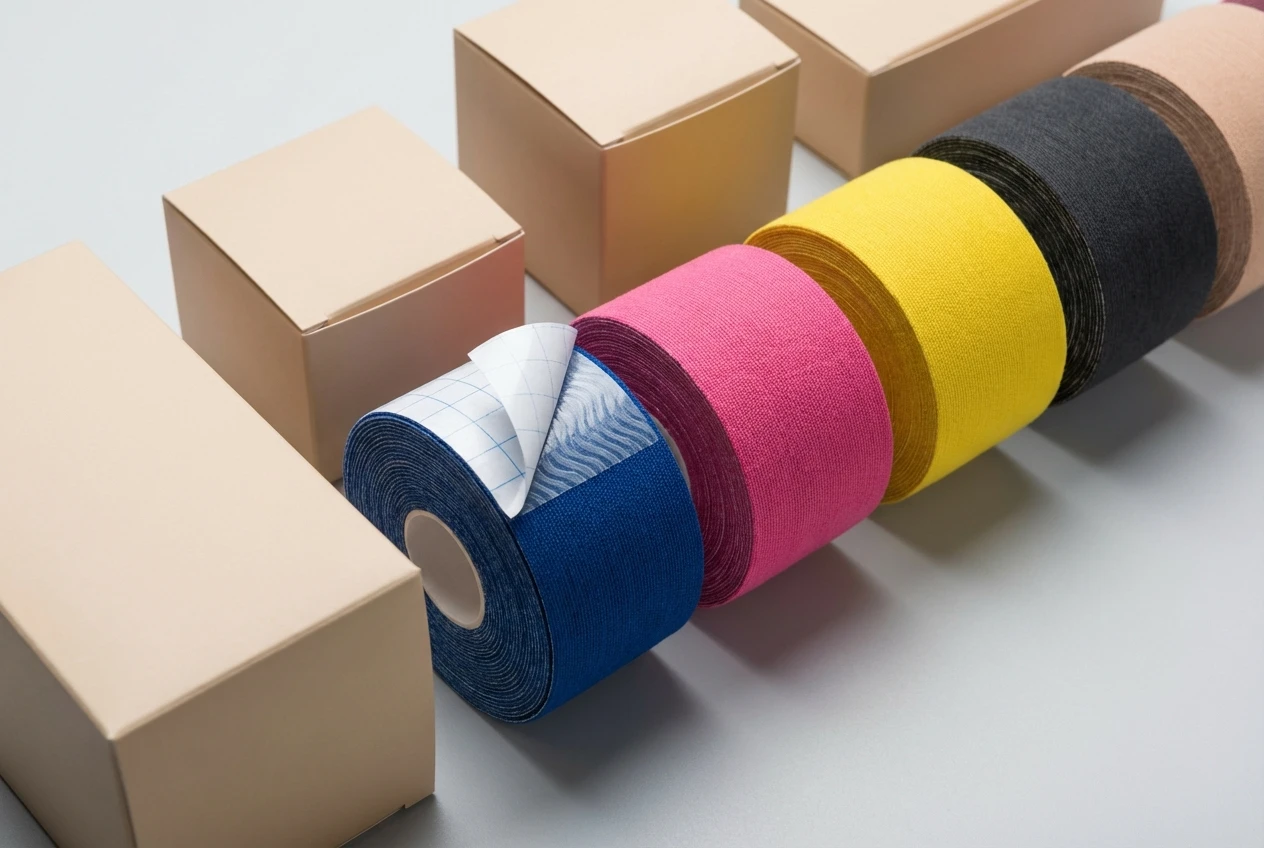
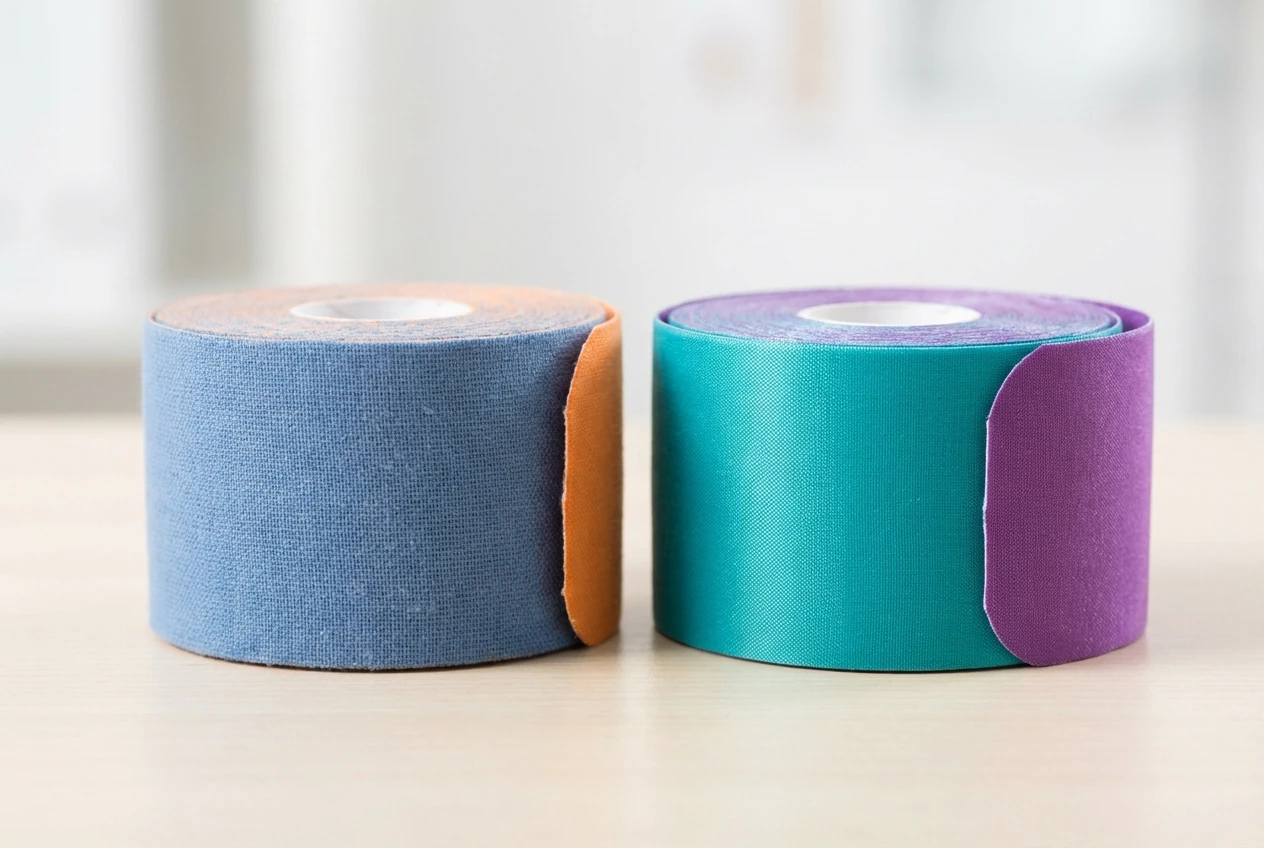
Silk tape (really silk-like cloth tape these days, usually acetate or polyester woven to feel smooth) brings the muscle. Woven structure gives it higher tensile strength. It holds heavy dressings, chest tubes, ET tubes, or orthopedic casts without stretching or giving way.
Procurement folks pick silk tape when reliability under tension matters most. It resists peeling even after 48-72 hours on dry-to-moderately moist skin. Feels premium, tears straight, and stays put on restless patients. But that strength comes with trade-offs we’ll hit in the non-woven tape vs silk tape breakdown.
Real talk: modern “silk” isn’t actual silk fabric anymore. Manufacturers switched to synthetics for consistency and cost, but kept the name because doctors and nurses still ask for it.
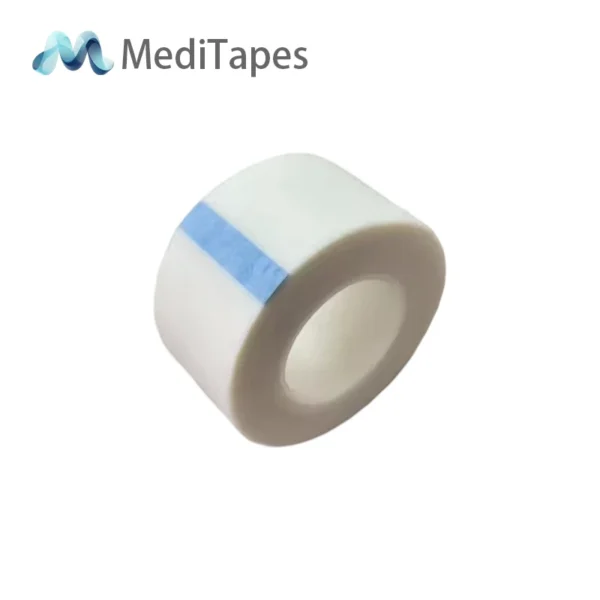
OEM Medical Non-woven Tape Rolls | Microporous Adhesive Plaster
We provide customizable OEM Medical Non-woven Tape rolls to meet your brand specifications. This microporous adhesive plaster features soft conformity and pain-free removal. Partner with us for high-quality medical non-woven tape manufacturing and competitive factory pricing.
Head-to-Head: Non-Woven Tape vs Silk Tape – Properties That Actually Matter
Here’s the surgical tape comparison table pulled from real manufacturer specs and clinical feedback we’ve gathered supplying both types. No theory, just what buyers and clinicians report.
| Feature | Non-Woven Tape (Microporous Style) | Silk Tape (Silk-Like Cloth) |
|---|---|---|
| Backing Material | Spunlace non-woven fibers | Woven acetate/polyester “silk-like” |
| Breathability | Excellent – high porosity lets skin breathe | Good but lower than non-woven |
| Tensile Strength | Moderate – good for light-medium hold | High – excels under tension and heavy load |
| Stretch/Flexibility | High – conforms to movement and curves | Low/no stretch – rigid secure hold |
| Adhesion Duration (dry skin) | 24-48 hours typical | Up to 72 hours reliable |
| Skin Gentleness | Top tier – minimal irritation, easy removal | Solid but can irritate with long wear |
| Best For | Sensitive skin, frequent changes, peds | Heavy devices, ICU lines, ortho dressings |
| Water Resistance | Varies, often moderate | Better on dry-moderate moisture |
| Tear Ease | Easy bidirectional | Easy straight tears |
This non-woven tape vs silk tape snapshot shows why one size never fits all. In the non-woven tape vs silk tape choice, breathability usually wins for daily ward use while strength wins in critical fixation.
Why Breathability Wins Big in Non-Woven Tape vs Silk Tape Debates
Skin hates being sealed tight. Trapped moisture leads to maceration, then dermatitis, then full MARSI – medical adhesive-related skin injury. Studies put MARSI incidence anywhere from 13% daily prevalence in acute care up to 36-45% in spinal surgery patients or certain ICUs. One review even hit 42% in catheter-heavy cases.
That’s not small potatoes for procurement. Each MARSI treatment averages around $88.50 according to industry data – 125 times what a single roll of basic tape costs. Multiply across hundreds of patients and suddenly your “cheaper” silk tape bulk buy looks expensive when nursing time and extended stays add up.
Non-woven tape, especially the microporous versions, cuts that risk because air circulates. We’ve had procurement teams tell us switching routine dressings to non-woven dropped skin redness calls noticeably. In non-woven tape vs silk tape for long-term securement on fragile elderly skin, the breathable option just performs better day after day.
Strength and Reliability – Where Silk Tape Still Rules the Surgical Tape Comparison
Nobody wants a central line or chest drain slipping at 3 a.m. Silk tape’s no-stretch backing locks things down. Higher tensile strength means it fights pull forces from patient movement or coughing without deforming.
In ICU or OR procurement, this matters. One hospital chain we work with uses silk tape specifically for bulky post-op dressings and multiple lines because it simply doesn’t lift. In the non-woven tape vs silk tape showdown for high-tension applications, silk wins most rounds.
But here’s the catch – that strength can backfire on sensitive skin if left too long. The less breathable nature means more chance of irritation under heavy use. That’s why smart buyers stock both and let clinical teams choose per case.
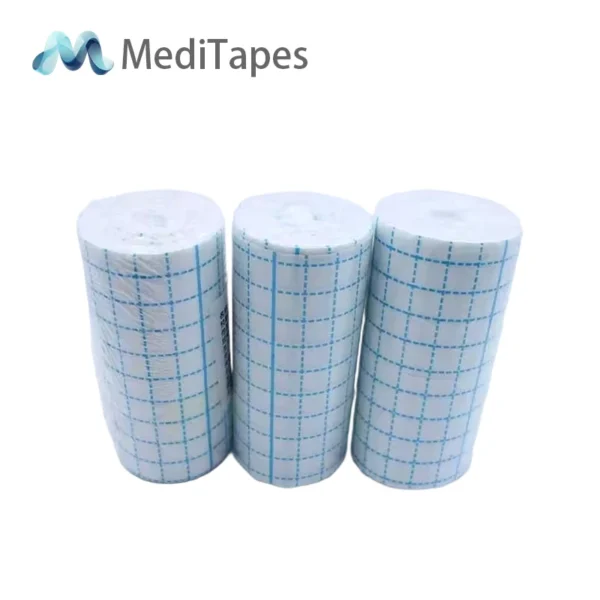
Hypoallergenic Non-woven Fabric Dressing Roll for Wound Fixation
Our Non-woven Fabric Dressing Roll offers superior breathability and gentle adhesion. Ideal for securing dressings and catheters, this hypoallergenic dressing roll minimizes skin irritation. Easy to cut and conformable, it ensures patient comfort during long-term wear. Essential for clinical wound care.
Real-World Applications: Matching Tape to the Job in Non-Woven Tape vs Silk Tape
Pediatrics and geriatrics? Non-woven tape every time. Fragile skin, frequent changes, lots of curves – the microporous breathability prevents tears and stripping.
Orthopedics or heavy drainage? Silk tape steps up. Needs to immobilize, hold weight, survive sweat and movement without constant re-taping.
General med-surg floors? Mix it. Use non-woven for standard IVs and light dressings, silk for anything that pulls hard.
We’ve seen procurement officers save big by standardizing on non-woven for 70% of inventory and keeping silk for the 30% critical applications. Lowers overall MARSI rates and keeps stock simpler.
Procurement Tips – Cost, Quality, and Bulk Buying in This Surgical Tape Comparison
Price per roll only tells half the story. Factor in failure rates, nurse time, and complication costs. Non-woven often comes cheaper upfront and saves downstream.
Look for:
- Hypoallergenic acrylic adhesives (both types can have them)
- Latex-free certification
- ISO and FDA compliance
- Custom widths/lengths for your facility
- Reliable supplier with fast restock – nothing worse than running out mid-shift
At MediTapes we offer both non-woven tape and silk tape in bulk with private labeling options. Procurement teams love the consistency across orders.
Market numbers back the trend too. Verified Market Research shows the non-woven surgical tape segment alone sat at $1.17 billion in 2024 and heads toward $2.08 billion by 2032 at 6.8% CAGR. Hospitals clearly vote with their budgets for more breathable options.
Sustainability Angle Most Buyers Miss in Non-Woven Tape vs Silk Tape
Non-woven production often uses less energy than traditional woven fabrics. Many suppliers now offer versions with recycled content or lower-waste manufacturing. When you’re buying thousands of rolls yearly, those small green points add up for your hospital’s ESG reporting.
Silk-like tapes can be more durable so fewer changes equal less total waste in high-use areas. Again, depends on the exact application.
Common Mistakes in the Non-Woven Tape vs Silk Tape Decision
Biggest one? Buying purely on price or habit. “We’ve always used silk” ignores newer microporous non-woven improvements that reduce skin issues dramatically.
Another: ignoring skin type data. Dry skin loves either, but moist or fragile skin screams for non-woven breathability.
And don’t forget testing. Always request samples before big orders. Tape one on your own arm for 24 hours if you want the real feel – sounds silly but works.
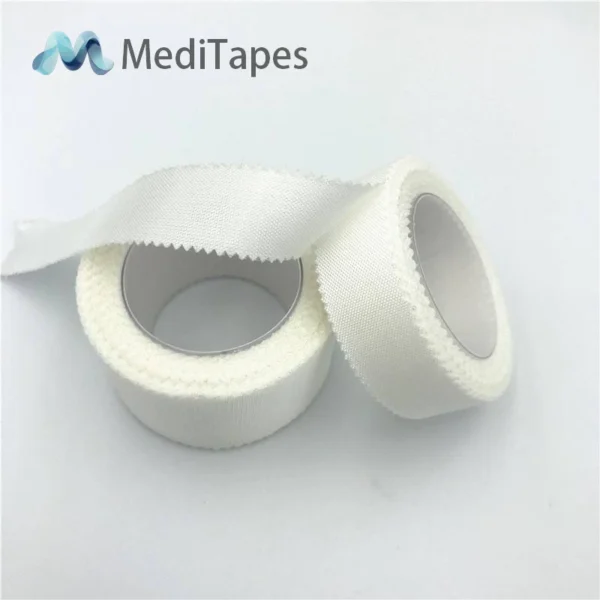
Professional Surgical Silk Tape Rolls – Bulk Supply for Hospitals & Clinics, Easy Tear & Residue-Free
Optimize your medical inventory with our Professional Surgical Silk Tape Rolls, available for bulk supply to hospitals and clinics worldwide. This high-quality surgical silk tape is engineered for efficiency, featuring easy-tear perforations for quick application and a residue-free removal that protects patient skin. Its consistent strong adhesion ensures reliable performance across diverse medical applications, from securing bandages to tubing. A cost-effective and essential choice, our medical silk tape enhances operational flow and patient safety in busy medical settings.
Why MediTapes Makes This Non-Woven Tape vs Silk Tape Choice Easier
We’ve supplied both types to facilities across regions for years. Our non-woven rolls emphasize that soft microporous feel with reliable hold for daily use. The silk options deliver the aggressive tack and strength clinicians demand for critical fixation.
Want proof? Drop us a line at info@meditapes.com or hit the contact page. We’ll send samples tailored to your biggest pain points – whether that’s skin complaints on the wards or tubes popping loose in ICU.
Wrapping Up the Surgical Tape Comparison
Non-woven tape vs silk tape isn’t about crowning a winner. It’s about matching the tool to the job so your hospital runs smoother, patients heal better, and your budget stretches further.
Next time the committee asks for tape recommendations, you’ll have the data: breathability and gentleness from non-woven (especially microporous styles), raw holding power from silk. Stock both smartly and watch complaints drop.
Ready to update your surgical tape inventory? Head to MediTapes non-woven tape category or silk tape section today. Or just email info@meditapes.com for a no-pressure quote and samples. Your nurses (and patients) will thank you.
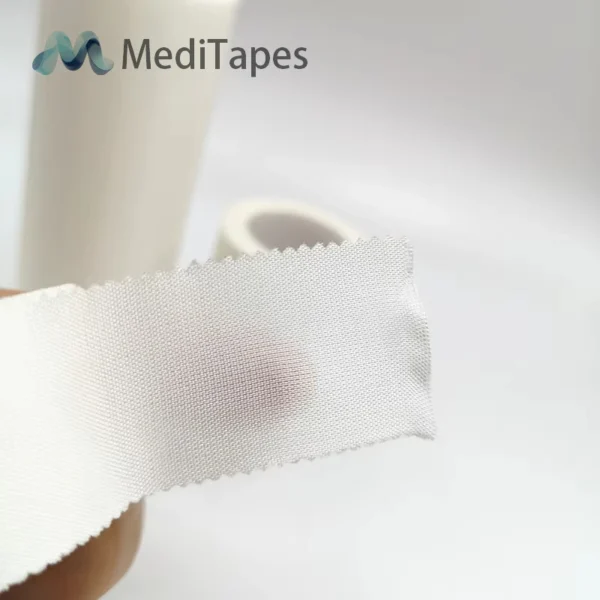
High-Strength Silk Medical Tape: Gentle Adhesion for Sensitive Skin & Clinical Use
Introducing our High-Strength Silk Medical Tape, specifically formulated for sensitive skin and demanding clinical environments. This non-woven silk medical tape offers gentle yet firm adhesion, ensuring dressings and devices stay securely in place without causing discomfort upon removal. Its robust construction provides excellent tensile strength for reliable long-term fixation. Perfect for patients with delicate skin or those requiring frequent dressing changes, our surgical silk tape is a versatile and indispensable tool in modern healthcare.
FAQ – Quick Answers on Non-Woven Tape vs Silk Tape
Q1: Which is better overall in non-woven tape vs silk tape for most hospitals?
A: Depends on use. Non-woven wins for everyday and sensitive skin thanks to breathability. Silk tape takes it for heavy-duty fixation where nothing can slip. Smart procurement stocks both.
Q2: Is microporous tape the same as non-woven tape?
A: Often yes. Many non-woven surgical tapes use microporous design for max breathability. Not every non-woven is microporous, but the good ones for skin are.
Q3: How do I reduce MARSI with the right surgical tape choice?
A: Choose breathable non-woven for frequent changes and fragile skin. Reserve silk for short-term high-strength needs. Always assess skin first and remove gently. Studies show this mix cuts incidence big time.
Q4: Can I get custom sizes or private label for bulk non-woven tape vs silk tape orders?
A: Absolutely. At MediTapes we handle custom runs – just reach out via the contact form.