Ever found yourself wrestling with a roll of tape that just won’t cooperate on a patient’s knee or elbow? It bunches up, peels off too soon, or worse, hurts when you pull it away. Yeah, we’ve all been there in busy clinics or hospitals where every minute counts. That’s where multi-directional stretch foam tape comes in – it’s kinda like the reliable friend who shows up and makes everything smoother.
I’ve spent years messing around with all sorts of medical tapes, from the cheap stuff that falls apart to premium options that actually work. And let me tell ya, switching to something like multi-directional stretch foam tape can shave off serious time during bandaging. Nurses and docs love it because it hugs curves without fighting back, stays secure even when things swell up, and doesn’t turn removal into a nightmare. If you’re hunting for ways to make your workday less stressful while keeping patients comfy, stick around – we’ll dive into why this tape is a total game-changer.
What Exactly Is Multi-Directional Stretch Foam Tape?
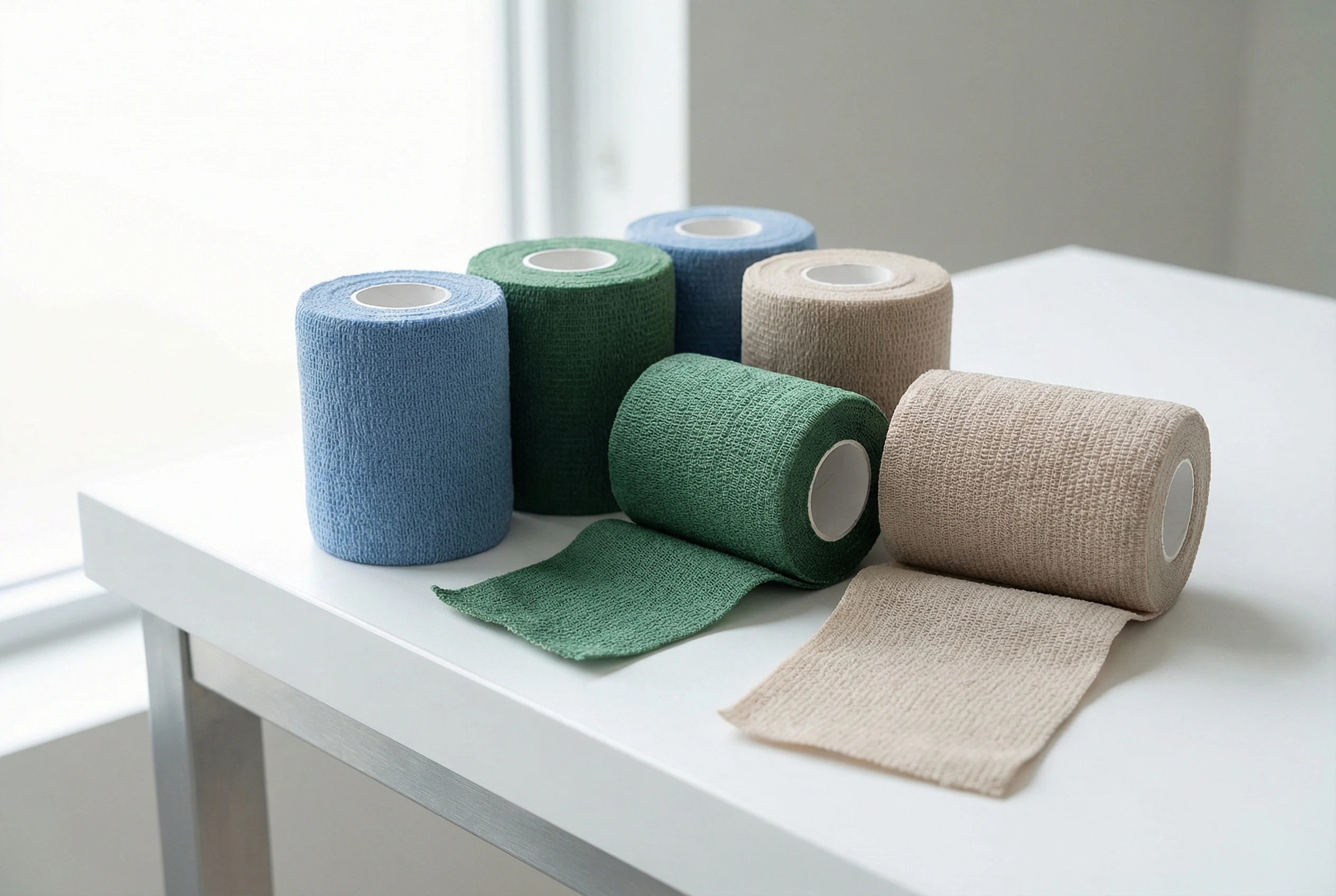
Okay, let’s break it down simple. Multi-directional stretch foam tape is this cushy, elastic tape made from foam material that stretches in pretty much every direction. Unlike regular tape that’s stiff and one-way, this stuff moves with you – or rather, with the patient.
It’s often waterproof too, which is huge for real-life scenarios like sweaty skin or accidental splashes. Think of it as a conformable foam tape that molds right to tricky spots: joints, heels, even around tubes or devices. Brands like 3M have their Microfoam version that’s been around forever, praised for being hypoallergenic and gentle.
At MediTapes, our waterproof surgical foam tape takes that concept and runs with it – super stretchy, breathable, and built to handle the chaos of daily medical work. It’s designed specifically as part of modern medical dressings, securing everything from simple gauze to heavier pads without slipping.
Why does the “multi-directional” part matter so much? Because bodies aren’t flat. Skin moves, swells, bends. Old-school tapes fight that and lose. This one adapts, reducing those annoying readjustments that eat up your shift.
Why Bandaging Efficiency Really Matters for Nurses and Docs
Picture this: you’re in a packed ER, patients piling up, and you’re spending extra minutes fiddling with tape that won’t stick right. Multiply that by dozens of dressings a day – it adds up quick. Studies show healthcare pros can waste tons of time on inefficient bandaging, leading to burnout and even higher risks for patients if things shift and expose wounds.
Efficient bandaging isn’t just about speed; it’s about better outcomes. When tape conforms well and stays put longer, you change dressings less often. One study on polyurethane foam dressings in Spain found they cut the average number of dressing changes and slashed costs by around 59% – mostly from less nursing time and materials (check out Current Dermatology Reports, 2024 for details).
Plus, patients feel it. Good tape means less pain on removal, fewer skin tears (especially on fragile elderly folks), and overall happier healing. For teams looking for operationally easy, high-fit products to boost workflow, multi-directional stretch foam tape checks all the boxes.
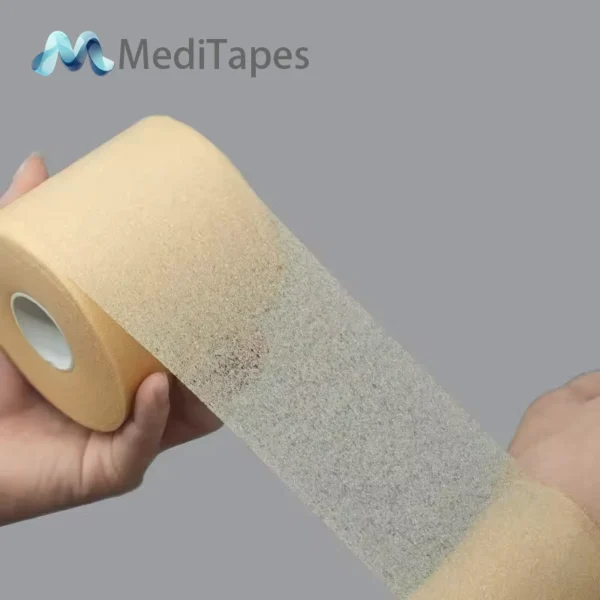
Waterproof Surgical Foam Tape for Wound Care – High Elasticity
Our Waterproof Surgical Foam Tape offers superior multi-direction stretch, perfect for securing dressings on joints. This high elasticity surgical foam tape is water-resistant and hypoallergenic, ensuring patient comfort during recovery. Ideal for challenging orthopedic applications.
The Big Ways Multi-Directional Stretch Foam Tape Steps Up Efficiency
Alright, let’s get into the meat – how this tape actually makes bandaging better and faster.
It Conforms Like Nothing Else
Conformable foam tape is the star here. It squishes and stretches to fit uneven skin, no wrinkles or gaps. Traditional tapes? They lift at edges, letting in bacteria or forcing you to layer more.
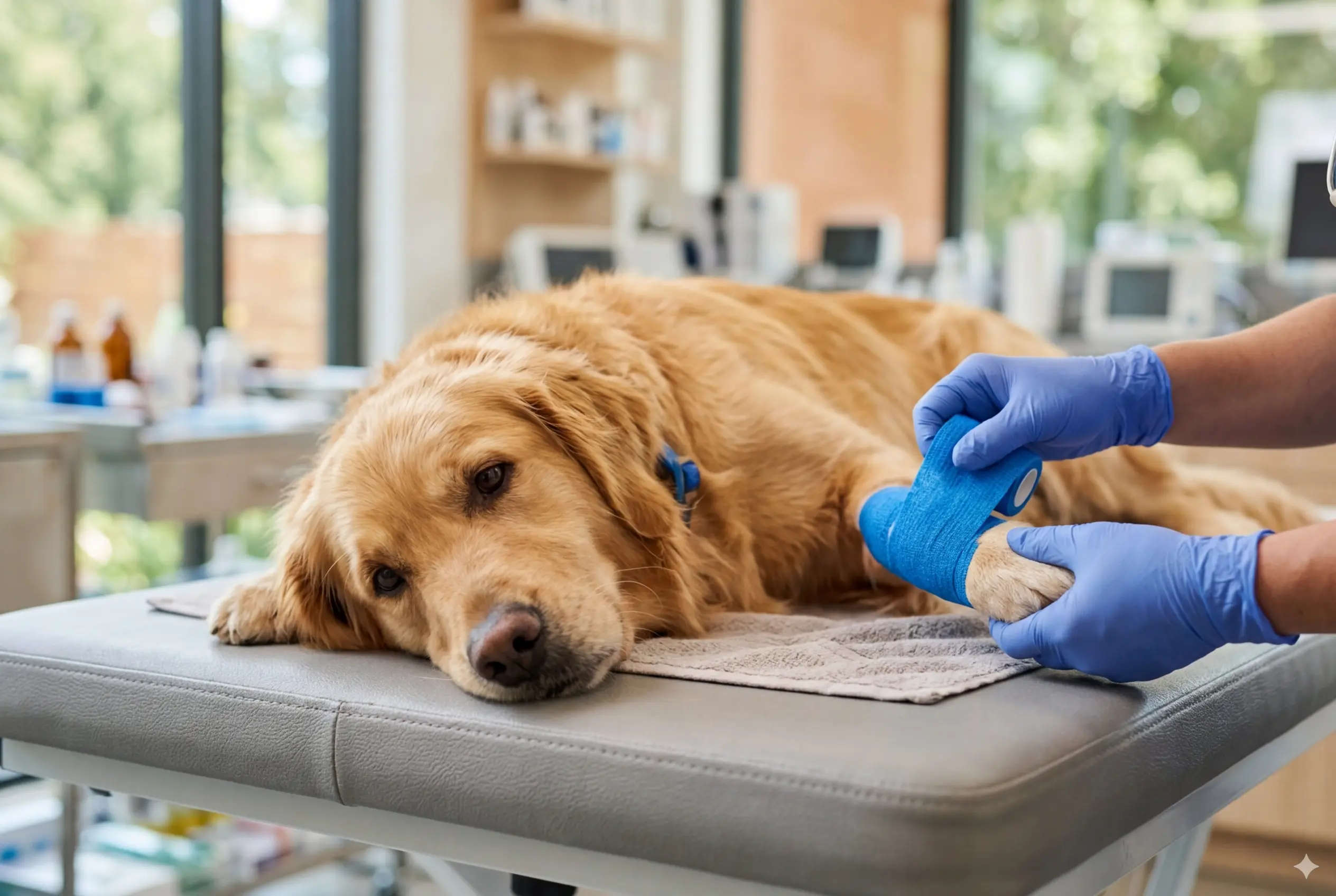
In practice, I’ve seen it shine on curved areas like ankles or fingers. One anonymous case from a busy ortho clinic: nurses used to spend extra time cutting and overlapping regular tape on post-op knees. Switched to multi-directional stretch foam tape, and application dropped by minutes per patient. Dressings stayed secure through movement, cutting unplanned re-dos.
Handles Swelling and Movement Without Drama
Bodies swell – it’s fact. Post-surgery, injuries, even just daily activity. Rigid tapes tighten or loosen wrong, causing discomfort or slippage.
Multi-directional stretch foam tape expands with the skin. Products like 3M’s Microfoam are famous for this, providing cushioning while accommodating changes. A study on similar elastic foam tapes showed they prevent pressure injuries better by distributing force evenly (Medicine journal, 2023).
Result? Fewer checks and adjustments. In a pediatric ward scenario (keeping it anonymous), kids with casts or IVs moved around freely without tapes failing. Nurses reported way less “tape emergencies” during shifts.
Quick to Apply, Gentle to Remove
Time saver number one: easy application. No need for scissors every second or perfect straight lines – it tears clean and sticks fast.
Removal? Huge win. Hypoallergenic adhesives mean less tugging, reducing pain and skin damage. Patients hate that rip-off feeling; this tape peels gently.
From real feedback in wound care settings, switching to conformable foam tape cut removal pain reports drastically. One prospective study on adhesive foam dressings noted average wear time of 4.2 days, meaning fewer changes overall (International Wound Journal, 2008-ish update).
Waterproof Bonus for Real-World Durability
Sweat, showers, spills – medical life is messy. Waterproof versions keep barriers intact, extending wear time.
MediTapes’ waterproof surgical foam tape shines here, blocking moisture while letting skin breathe. Advantages include lower infection risks and longer secure holds, per general wound care guidelines.
Comparing Multi-Directional Stretch Foam Tape to Traditional Options
To make it clear, here’s a quick table breaking down the differences:
| Feature | Traditional Cloth or Paper Tape | Multi-Directional Stretch Foam Tape |
|---|---|---|
| Conformability | Poor on curves, often wrinkles | Excellent – molds to any shape |
| Stretch | Limited or none | Multi-directional, moves with body |
| Cushioning | Minimal | High foam padding for comfort |
| Wear Time | 1-2 days max | Up to 4-7 days in many cases |
| Waterproof | Usually no | Often yes, great for moist environments |
| Removal Pain | Can be high, tears skin | Gentle, hypoallergenic |
| Application Time | Slower, needs precision | Faster, forgiving on placement |
| Best For | Flat, dry areas | Joints, swelling, active patients |
This isn’t just opinion – backed by clinical evals where foams outperformed basics in exudate management and ease (Wounds UK reports).
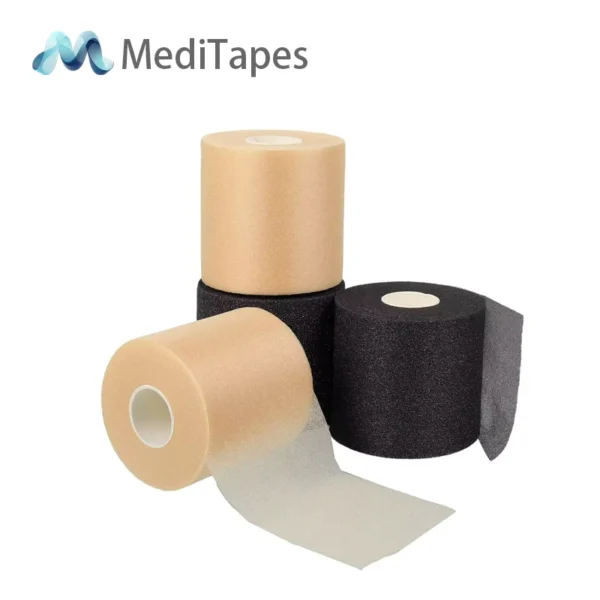
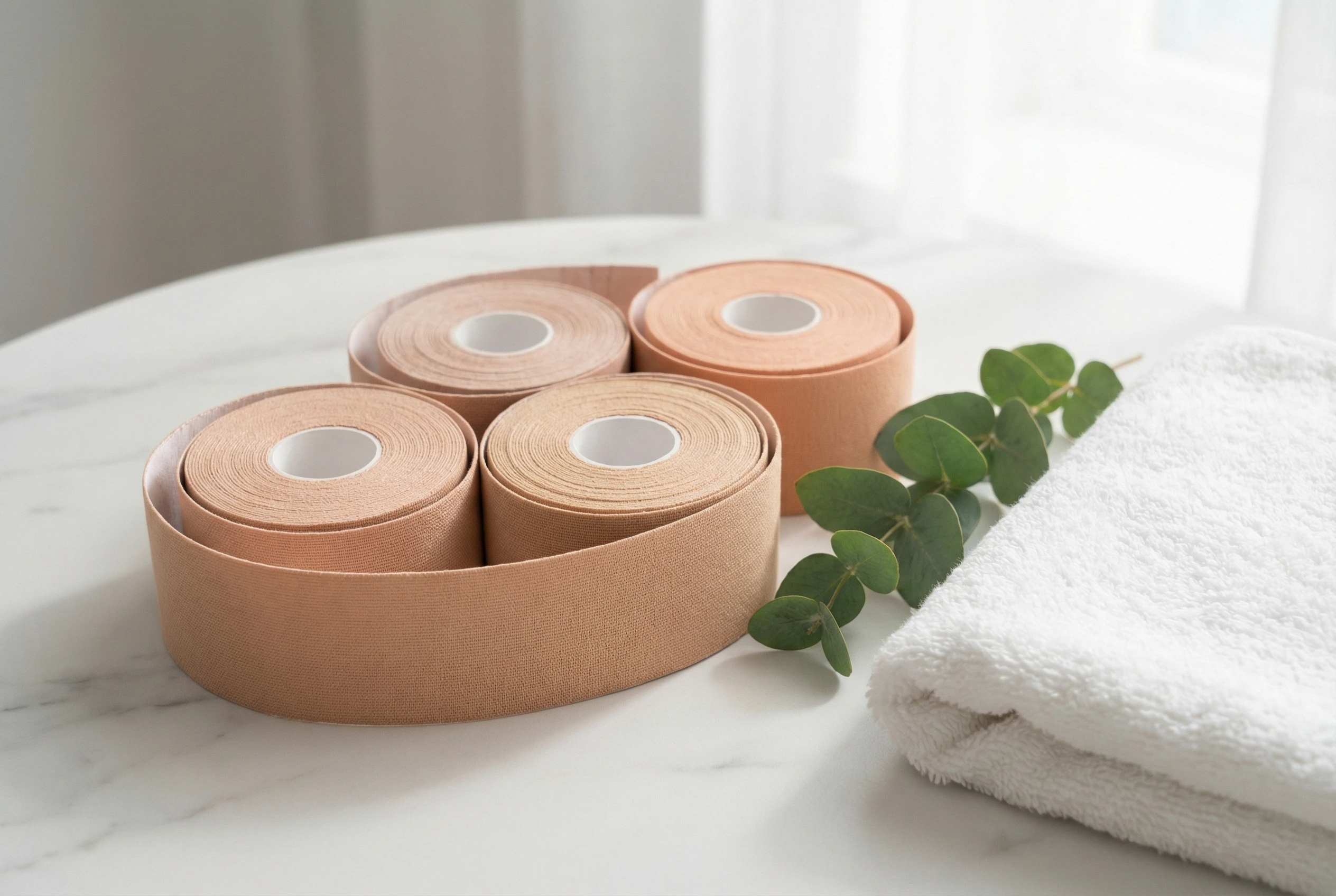
Hypoallergenic Micro-Foam Surgical Tape – Breathable & Latex-Free
This Hypoallergenic Micro-Foam Surgical Tape is designed for sensitive skin. The breathable, latex-free material prevents maceration while providing strong adhesion. As a premium surgical foam tape, it conforms easily to body contours, making it essential for long-term clinical wear.
Real-Life Scenarios Where It Makes a Difference
Let’s talk applications without naming names.
In home health: a nurse visiting elderly patients with chronic ulcers. Regular tape kept failing on heels. Switched to multi-directional stretch foam tape – dressings lasted longer, visits dropped, patient said it felt “like nothing’s there.”
Hospital post-op: securing bulky dressings on hips after replacements. The stretch accommodated swelling peaks, no midnight calls for loose bandages.
Even in sports medicine (though more clinical here): athletes with wraps needed something that held through sweat. Conformable foam tape kept everything stable without restricting blood flow.
Another: NICU settings use gentle, stretchy tapes to avoid fragile skin issues. Similar foams reduced device-related injuries.
These aren’t rare – common in places prioritizing efficiency.
How Multi-Directional Stretch Foam Tape Fits into Medical Dressings Overall
Medical dressings have evolved big time. From basic gauze to advanced foams and films. Multi-directional stretch foam tape plays nice with them all – securing primaries while adding protection.
Layer it over absorbent pads for exudate-heavy wounds, or use alone for light coverage. It enhances moisture balance, key for healing (per ScienceDirect topics on foam dressings).
Pair with hydrophic layers for waterproof seals. Outcome: faster healing, less nursing intervention.
Pro Tips for Getting the Most Out of Conformable Foam Tape
Wanna maximize it? Here’s what works from hands-on use:
- Clean and dry skin first – obvious but crucial.
- Apply with light tension; don’t overstretch or it’ll lose grip.
- Overlap edges slightly for secure seals on joints.
- For swelling, start looser – it’ll adjust as needed.
- Cut to size if possible; many tear easy.
- Check compatibility with other dressings – most play well.
Little tricks like these save even more time.
Why MediTapes Stands Out for Your Multi-Directional Stretch Foam Tape Needs
Look, there are options out there, but if you’re after reliable, high-quality stuff tailored for pros, check MediTapes. Our waterproof surgical foam tape combines all these perks: insane stretch, conformability, gentle adhesion, and waterproofing.
We’ve heard from customers – it cuts bandaging hassles, boosts efficiency, and patients rave about comfort. Head over to meditapes.com for more details.
Ready to try it and see the difference? Drop us a line at info@meditapes.com or hit the contact page for quotes, samples, or questions. We’d love to chat about how it fits your setup.
Frequently Asked Questions About Multi-Directional Stretch Foam Tape
What’s the main difference between multi-directional stretch foam tape and regular medical tape?
Regular tape is stiff and doesn’t move much, leading to lifts or discomfort on curves. Multi-directional stretch foam tape flexes every way, conforms better, and cushions – making it ideal for tricky spots and longer wear.
Can multi-directional stretch foam tape really save time in busy medical settings?
Yep, big time. Easier application, fewer adjustments, longer stay-on time (studies show up to 4+ days wear), and quick removals all add up. Less changes mean more time for actual care.
Is it safe for sensitive skin or long-term use?
Absolutely – most are hypoallergenic, gentle removal reduces tears. Great for elderly, peds, or chronic wounds. Always patch test if unsure, but feedback is super positive on comfort.
How does the waterproof feature help with bandaging efficiency?
It keeps dressings secure through moisture, cutting premature changes from slips or soak-throughs. Patients can shower or sweat without worry, extending efficiency.
Where can I get high-quality multi-directional stretch foam tape?
Right here at MediTapes! Check our waterproof surgical foam tape or reach out via contact us.