If you’ve ever dealt with medical tapes, you know how tricky it can be to find one that sticks well but doesn’t wreck your skin when you take it off. Especially with stuff like medical tape adhesion, where you need something reliable without the ouch factor. I’ve worked with these tapes a lot over the years, and let me tell you, PE tapes – those transparent, breathable ones – are game-changers for a bunch of situations.
PE stands for polyethylene, and these tapes are popular because they’re lightweight, let your skin breathe, and come in different stickiness levels. Whether you’re looking for a gentle adhesive tape for a baby’s soft skin or a strong hold surgical tape for keeping tubes in place, there’s usually a PE option that fits. At MediTapes, we’ve seen firsthand how the right adhesion level makes all the difference.
What Makes Medical PE Tape Adhesion Different?
So, what’s the deal with adhesion in these tapes? It’s basically how strongly the glue grabs onto your skin. Too weak, and your dressing falls off. Too strong, and removing it feels like pulling off a band-aid from hell – especially on fragile skin.
PE tapes often use hypoallergenic adhesives, and they’re perforated for better air flow. That microporous design helps prevent your skin from getting soggy underneath, which can lead to irritation. From what studies show, like those on medical adhesive-related skin injuries (MARSI), over 1.5 million people deal with tape-related skin issues each year in the US alone. A big chunk of that hits infants and the elderly, whose skin is thinner and more prone to tears.
Adhesion levels aren’t one-size-fits-all. They depend on the adhesive type – acrylic for stronger hold, silicone for gentler – and how the tape is built. For PE tapes, you get that clear view of the wound or site, which is super handy for checking without peeling everything off.
Factors That Affect How Well PE Tape Sticks
A few things play into adhesion:
- Skin type and condition: Dry skin might not hold as well, while oily skin can make it slip. Sensitive or fragile skin needs lower adhesion to avoid damage.
- Moisture and sweat: PE tapes are often water-resistant, but heavy sweating can test even the best ones.
- Application time: Most build up stickiness over the first few hours.
- Removal technique: Slow and steady wins – quick yanks increase pain and injury risk.
I’ve noticed in real scenarios that warming the tape slightly before removal (like with a warm cloth) can make it easier, though not all tapes respond the same.
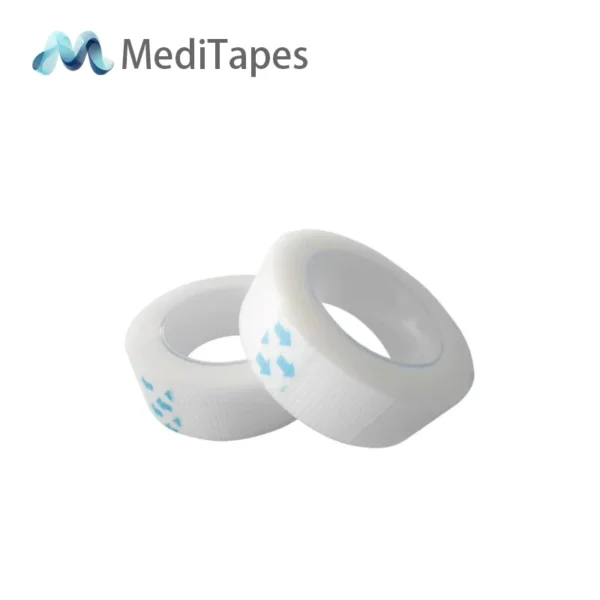
Easy Tear Surgical PE Tape – Perforated Plastic Medical Tape Bulk
Maximize efficiency with our Easy Tear Surgical PE Tape, featuring a perforated design for quick, bi-directional tearing. This transparent Surgical PE Tape requires no scissors, making it ideal for emergency response. We supply bulk Surgical PE Tape for cost-effective stocking.
Key Features:
– Bi-directional easy tear.
– Serrated edge option available.
Breaking Down Adhesion Levels in Medical PE Tapes
Let’s get practical. Medical tapes generally fall into categories based on how sticky they are:
| Adhesion Level | Typical Use | Best For | Examples/Notes | Risk of Skin Injury |
|---|---|---|---|---|
| Gentle/Low | Sensitive skin, frequent changes, infants/elderly | Gentle adhesive tape for delicate areas | Silicone-based or light acrylic PE tapes; lower peel force | Low – minimal stripping of skin cells |
| Medium | General wound care, tubing fixation | Everyday dressings on normal skin | Standard PE transparent tapes | Moderate – good balance |
| Strong/High | Secure device holding, surgical sites | Strong hold surgical tape for tubes or heavy dressings | Higher acrylic adhesion PE variants | Higher if not removed carefully – more MARSI risk |
Data from studies, like those comparing silicone vs. acrylate adhesives, show silicone options often have the strongest initial hold but remove way gentler, stripping fewer skin cells. One trial found silicone tapes removed less protein from the skin even with good adhesion.
For PE tapes specifically, they’re versatile – many have medium adhesion that’s breathable and hypoallergenic. Our Surgical PE Tape at MediTapes is a solid example: easy to tear, transparent for monitoring, and sticks reliably without being overly aggressive.
Why Adhesion Matters for Sensitive Skin Types
This is where it gets personal. Older folks and babies have thinner skin – the epidermis is fragile, and cohesion between layers isn’t as strong. Stats show elderly skin can lose elasticity and moisture, making it tear easier. Neonates? Their skin isn’t fully developed, so adhesives can cause real damage.
Research from places like the NIH highlights that MARSI is especially bad in these groups. Things like skin tears or stripping happen when adhesion is stronger than the skin’s own bonds. That’s why a gentle adhesive tape is often the go-to for pediatrics or geriatrics.
In one setup I recall (anonymized, of course), a hospital switched to lower-adhesion PE tapes for elderly patients with IV lines. Irritation dropped noticeably, and nurses spent less time dealing with red, sore skin.
For babies, silicone-gentle PE tapes are favorites because they reposition easily if needed and come off without fuss.
Tips for Elderly Skin
- Go gentle whenever possible.
- Prep skin: clean and dry, no lotions.
- Remove slowly at a low angle.
- Use barrier films if repeated taping.
Tips for Infant Skin
- Avoid strong holds unless absolutely needed.
- Change frequently to check.
- Silicone or paper-like PE options shine here.
When You Need That Strong Hold Surgical Tape
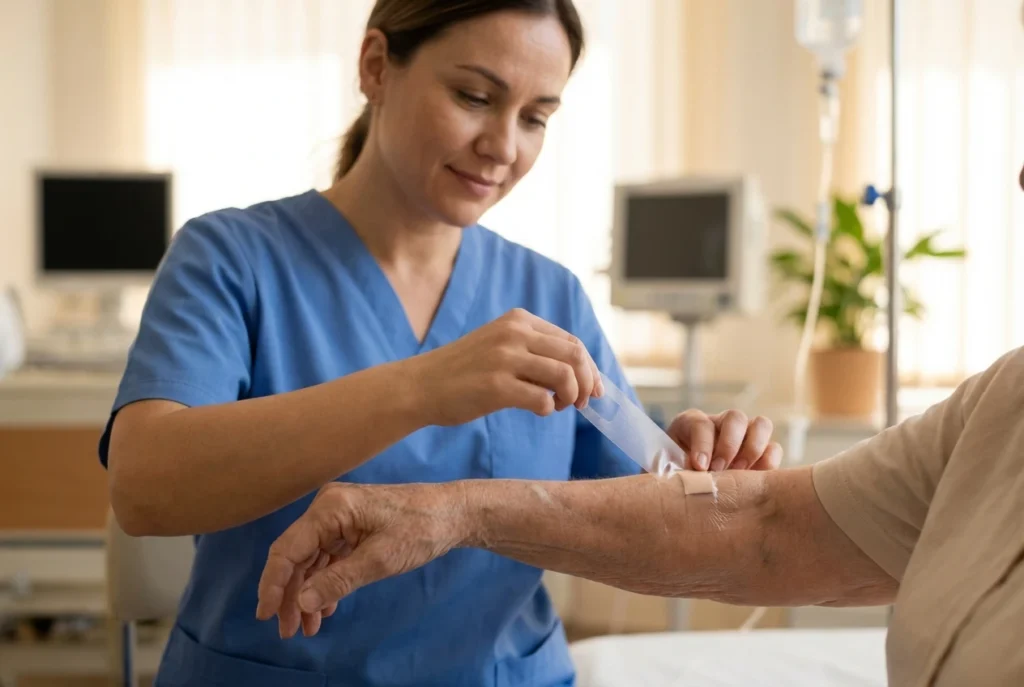
Not everything can be super gentle. Sometimes you need a strong hold surgical tape to keep things secure – like post-op dressings, catheters, or monitoring devices that can’t budge.
Stronger PE tapes with acrylic adhesives provide that reliable grip, even on damp skin. They’re great for active patients or longer wear times.
But balance is key. Studies show higher adhesion correlates with more potential trauma on removal, so technique matters. In surgical settings, these tapes secure tubes without slipping, reducing complications.
We’ve had feedback from clinics using our Surgical PE Tape for exactly this – it holds firm during procedures but tears easily for quick adjustments.
Real-World Scenarios: How Adhesion Plays Out
Picture this: An elderly patient with thin skin needs daily dressing changes. Using a strong tape led to redness and small tears every time. Switching to a gentler PE version? Smooth sailing – held the gauze in place but peeled off easy.
Or a pediatric case: Securing a sensor on a premie. Gentle silicone PE tape stayed put for monitoring without any irritation over days.
Another one – post-surgery on an adult. Needed strong hold for a draining wound. A medium-to-strong PE tape kept everything sealed, transparent for checks, and removed with minimal discomfort.
These aren’t rare; they’re everyday wins when you match adhesion to the need.
Comparing Common Medical Tape Types
To make it clearer, here’s a quick table on tape types and adhesion vibes:
| Tape Type | Adhesion Strength | Breathability | Best Skin Types | Common Issues |
|---|---|---|---|---|
| PE Transparent | Medium (varies) | High (perforated) | All, especially sensitive | Can fog if too moist |
| Silicone | Gentle to medium | Good | Infants, elderly | Sometimes less secure on wet skin |
| Paper | Low | Very high | Fragile skin | Not waterproof |
| Cloth | Strong | Moderate | Normal/active | Can leave residue |
| Acrylic Strong | High | Varies | Secure needs | Higher irritation risk |
PE tapes often hit that sweet spot for versatility.
How to Choose the Right Adhesion for Your Needs
Ask yourself:
- Who’s wearing it? Baby, older person, healthy adult?
- How long does it need to stay?
- What’s it holding – light gauze or heavy tube?
- Any skin issues – dryness, allergies?
For sensitive types, lean toward gentle adhesive tape. For fixation that can’t move, strong hold surgical tape.
At MediTapes, we focus on quality PE options that cover the range. Check out our site at https://meditapes.com/ for more details.
Best Practices for Applying and Removing PE Tapes
Application:
- Clean and dry the area.
- Press firmly for a few seconds.
- Smooth edges to avoid curling.
Removal:
- Peel back slowly, parallel to skin.
- Support the skin with one hand.
- If stuck, soak with warm water or use remover.
This cuts down injury risk big time.

OEM Surgical PE Tape Manufacturer – Hospital Grade Medical Supply
As a premier factory, we offer customizable OEM Surgical PE Tape solutions for global brands. Our hospital-grade Surgical PE Tape meets international standards (CE/ISO). Partner with us for wholesale Surgical PE Tape with customized widths, lengths, and packaging to fit your market.
Key Features:
– OEM/ODM Customization.
– CE/ISO Certified Factory.
Frequently Asked Questions
What’s the difference between gentle and strong medical tape adhesion?
Gentle ones, like silicone-based, stick light and remove easy – perfect for sensitive skin. Strong ones grip harder for secure hold but need careful removal to avoid tears.
Are PE tapes safe for babies and elderly?
Yeah, many are. Look for hypoallergenic, breathable PE with lower adhesion. They’ve got low irritation rates compared to others.
How can I prevent skin irritation from medical tapes?
Choose the right strength, remove properly, and use barriers if needed. Studies show silicone and gentle PE reduce MARSI a lot.
Can strong hold tapes be used on sensitive skin?
Sometimes, but cautiously. Better to test a small area or go gentler unless security demands it.
If you’re dealing with specific needs, feel free to reach out. Drop us an email at info@meditapes.com or head to our contact page for quotes or advice. We’d love to help find the perfect tape for you.