Ever had a bandage or medical tape that just wouldn’t stay put, or worse, left your skin red and sore when you peeled it off? Yeah, we’ve all been there at some point. But when it comes to stuff used in hospitals, clinics, or even at home for longer wear, thats where things get serious. The adhesive behind the tape can make or break how safe and comfy it is on your skin.
I’ve spent years digging into what makes medical tapes tick – especially foam ones – and one thing keeps coming up: medical grade acrylic adhesive. Its not some fancy buzzword. Its the real deal for keeping things stuck securely without causing trouble. Lets chat about why this stuff matters, especially if youre worried about raw materials being safe and non-toxic.
What Exactly Is Medical Grade Acrylic Adhesive Anyway?
So, picture this: regular tapes use all kinds of glues that might work fine for sticking paper to a wall, but throw them on skin – especially sensitive or broken skin – and problems start. Medical grade acrylic adhesive is different. Its specially formulated acrylic-based glue thats gone through rigorous testing to prove its safe for human skin.
These adhesives are built to bond strong but gently. Theyre often used in foam tapes because foam gives that cushiony feel, absorbs a bit of movement, and lets skin breathe. Combine that with a good acrylic adhesive, and youve got something that sticks for days without tearing up the skin when its time to come off.
The “medical grade” part? Thats backed by standards like ISO 10993 – the big international guideline for biological evaluation of medical devices. The FDA in the US recognizes this standard too. It covers tests for things like cytotoxicity (whether it kills cells), sensitization (allergic reactions), and irritation. If an adhesive passes these, its considered biocompatible. Meaning, your body wont freak out over it.
From what Ive seen working with manufacturers and healthcare folks, not all acrylic adhesives are created equal. The medical ones are purified, low in volatile compounds, and designed to minimize any leachables that could irritate.
Why Foam Tapes Need a Solid Medical Grade Adhesive
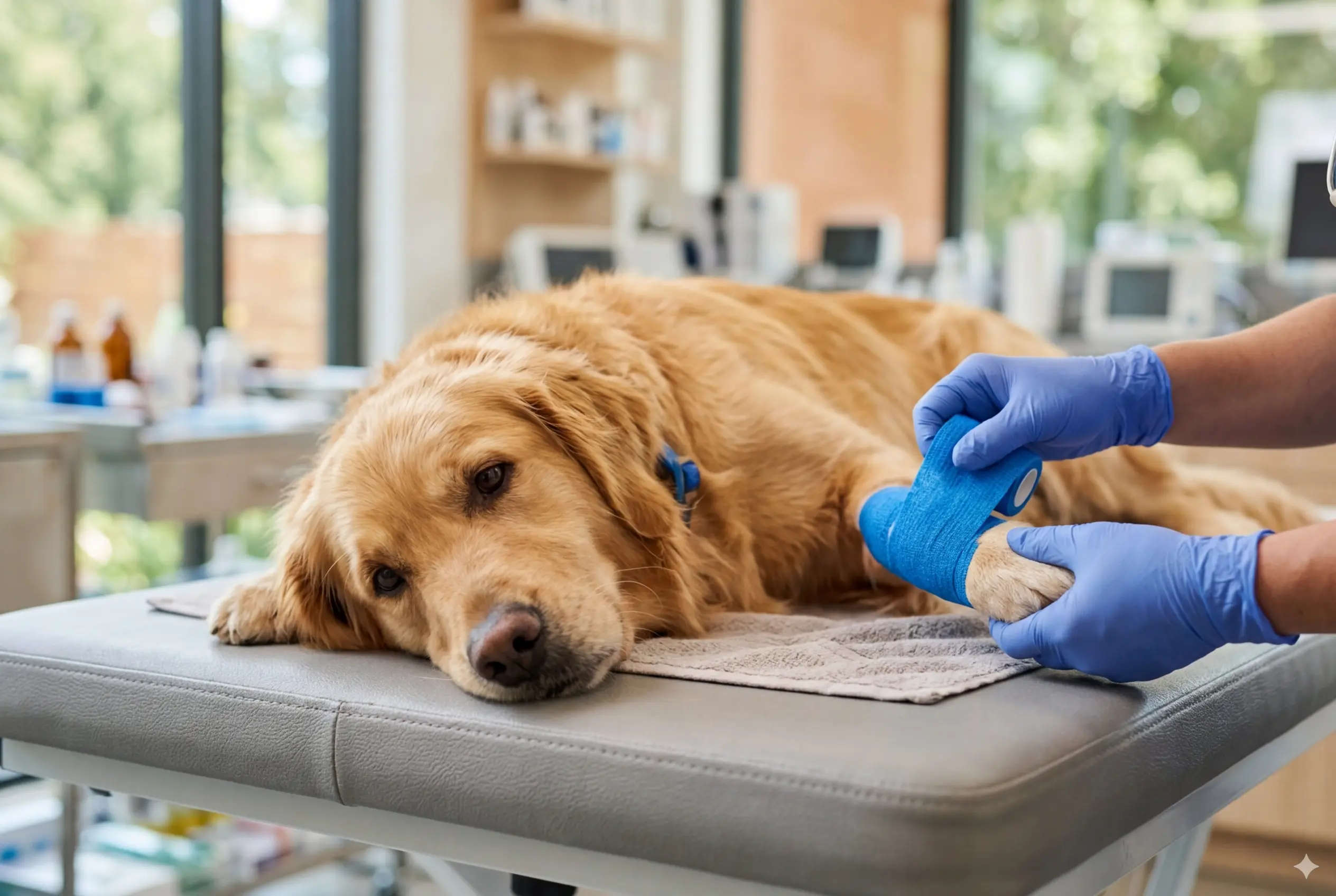
Foam tapes are popular in medical settings – think securing dressings, tubes, or devices on patients who might be lying in bed for weeks. The foam backing provides padding, conforms to body contours, and helps distribute pressure evenly. But without the right adhesive, all that goodness falls apart.
Heres where medical grade acrylic adhesive steps up:
- Strong yet repositionable initial tack – It grabs quick but lets you adjust if needed, unlike some glues that lock in forever right away.
- Long-term wear – Many formulations hold up for 7-14 days or more, even with showering or sweating.
- Breathability – Acrylics can be made porous so moisture vapor escapes, reducing maceration (that soggy skin look).
- Low trauma on removal – Good ones peel off without stripping the top skin layers.
Compare that to cheaper adhesives, and the difference is night and day. Studies show medical adhesive-related skin injury (MARSI) affects a ton of patients – things like redness, blisters, or tears. One review noted that improper tapes contribute to skin damage in fragile folks, like elderly or neonates.
But with proper medical grade options, irritation drops big time. For instance, hospitals switching to better tapes have reported 20-25% fewer skin issues post-surgery.
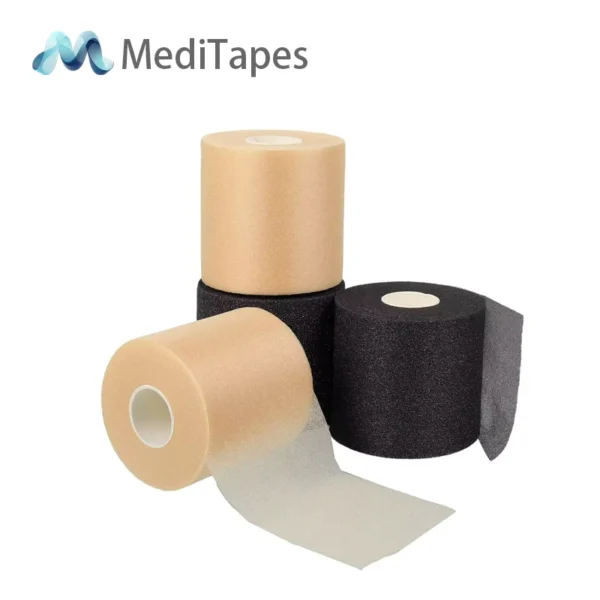
Hypoallergenic Micro-Foam Surgical Tape – Breathable & Latex-Free
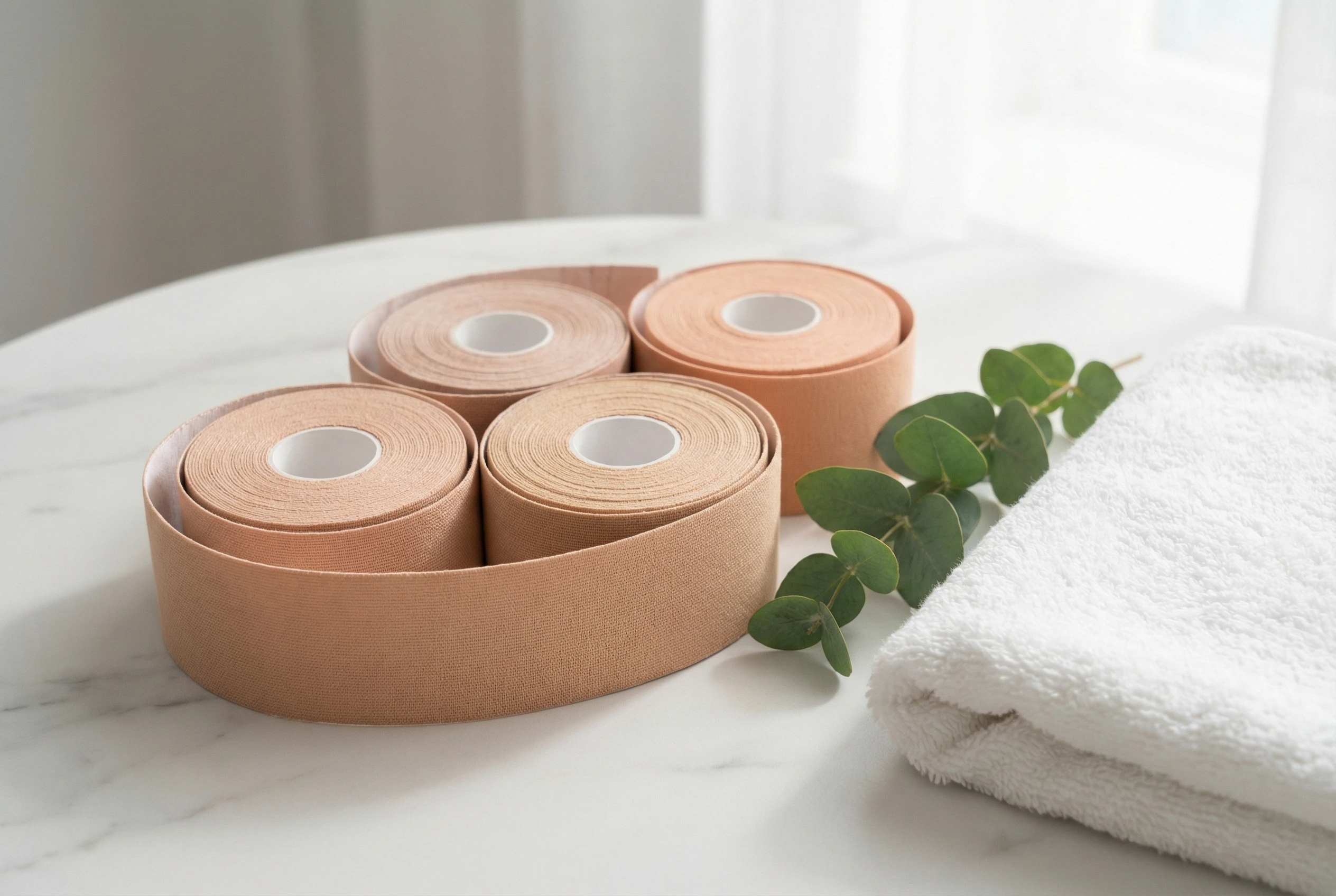
This Hypoallergenic Micro-Foam Surgical Tape is designed for sensitive skin. The breathable, latex-free material prevents maceration while providing strong adhesion. As a premium surgical foam tape, it conforms easily to body contours, making it essential for long-term clinical wear.
Quick Comparison Table: Common Medical Adhesives in Foam Tapes
| Adhesive Type | Bond Strength | Gentleness on Skin | Wear Time Typical | Best For | Drawbacks |
|---|---|---|---|---|---|
| Medical Grade Acrylic | High | Good (when hypoallergenic) | 7-28 days | General surgery, devices, wounds | Can be firmer than silicone |
| Silicone | Medium | Very gentle | 7-14 days | Fragile skin, neonates | Lower initial tack, pricier |
| Rubber-based | Variable | Often irritating | Short | Quick fixes | Higher allergy risk |
| Hydrocolloid | Medium | Gentle | Varies | Wound absorption | Messy removal sometimes |
(Data drawn from industry comparisons and studies like those on PMC for skin barrier impact.)
Biocompatibility: The Heart of Safe Medical Tapes
Youre probably thinking – okay, but how do I know its truly non-toxic? Great question. Biocompatible tape means its passed those ISO 10993 tests I mentioned.
Key ones for adhesives:
- Cytotoxicity – Extract tests where cells are exposed to the material. No significant cell death allowed.
- Sensitization – Guinea pig or similar tests to check for allergies.
- Irritation – Rabbit skin or human patch tests.
Real data from FDA guidance: Devices with skin contact need at least these three “big ones” evaluated. Many acrylic adhesive tapes from reputable makers pass with flying colors.
One study comparing acrylate vs silicone tapes found silicone caused less barrier disruption in healthy volunteers – but medical grade acrylics formulated for hypoallergenic use came pretty close, with minimal issues even after repeated application.
And stats on skin reactions? True allergic contact dermatitis to modern medical tapes is rare – around 2-3% for common adhesives, but often lower with purified acrylics. Most “reactions” are actually irritation from poor removal technique or prolonged wear, not the adhesive itself.
Real-Life Scenarios Where Medical Grade Acrylic Adhesive Makes a Difference
Over the years, Ive heard tons of stories from nurses and docs. One that sticks out – a pediatric ward dealing with lots of skin tears on preemies from standard tapes. They switched to a hypoallergenic micro-foam tape with medical grade acrylic adhesive. Irritation cases dropped noticeably, and the tapes stayed put better during handling.
Another anonymous case: A long-term care facility for elderly patients. Fragile skin is common there. Using acrylic adhesive tape in foam backing reduced blistering around IV sites. Staff said removal was way less painful, and healing times improved because dressings didnt shift.
Weve seen similar at MediTapes. Our customers – hospitals, device makers – often share how our tapes hold up in real use without the drama of cheaper alternatives.
For example, our hypoallergenic micro-foam surgical tape uses a carefully selected medical grade adhesive thats acrylic-based. Its cushy, breathable, and designed for sensitive skin. Folks use it for everything from post-op dressings to securing sensors.
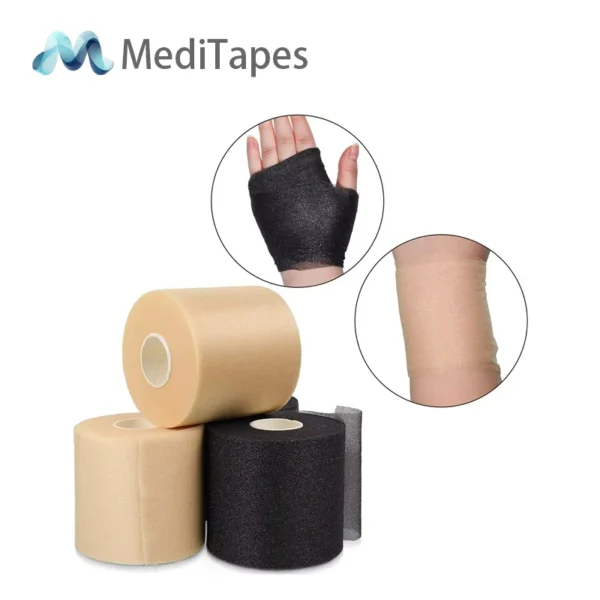
Heavy Duty Surgical Foam Tape Roll – Compression & Secure Fixation
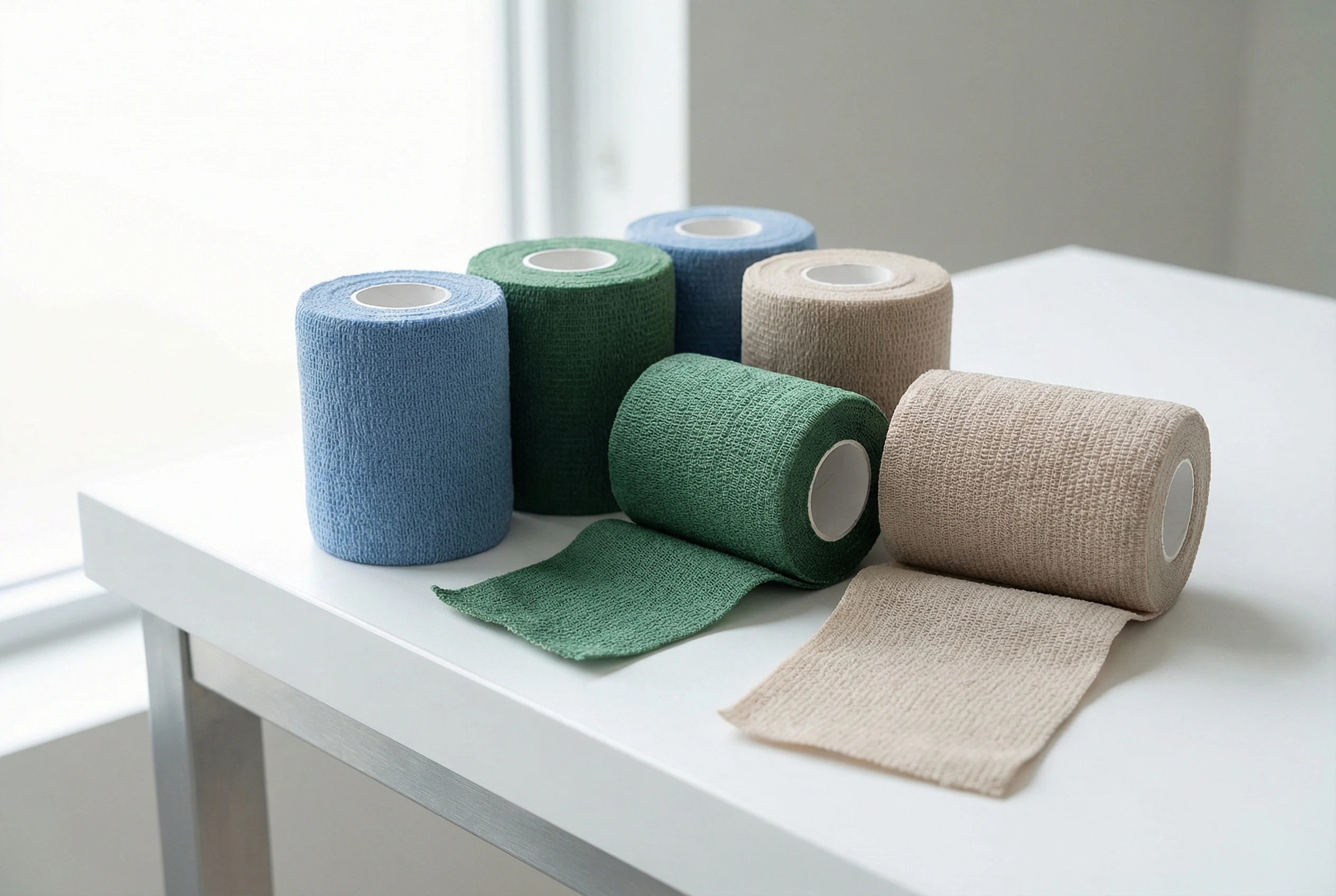
Engineered for high compression, our Heavy Duty Surgical Foam Tape ensures secure fixation for post-surgical dressings. This durable surgical foam tape roll stretches to reduce swelling and edema. A reliable solution for hospitals needing robust dressing retention on mobile areas.
How Acrylic Adhesive Tapes Handle Everyday Challenges
Think about sweat, movement, or oily skin. Regular glues fail fast. But good acrylic adhesive tape builds adhesion over time – it “wets out” better on skin.
They also resist water decently, so patients can shower without the tape peeling prematurely.
And toxicity? Medical grades have extremely low outgassing and VOCs. Theyre clean enough for diagnostic devices or even ostomy applications in some cases.
From experience, the key is balance. You want secure hold without over-aggression. Thats what proper formulation achieves.
Benefits Breakdown in a Table
| Benefit | How Medical Grade Acrylic Delivers | Real-World Impact |
|---|---|---|
| Secure Adhesion | High peel strength, builds over time | Fewer dressing changes, lower infection risk |
| Low Irritation | Hypoallergenic variants minimize sensitization | Reduced MARSI – studies show 20%+ drop in incidents |
| Breathability | Porous structure allows moisture escape | Less maceration, better healing |
| Easy Removal | Controlled tack avoids skin stripping | Less pain, faster nursing time |
| Durability | Resists edges lifting, holds in humidity | Reliable for extended wear (up to 28 days in some) |
Picking the Right Foam Tape with Medical Grade Adhesive
If youre sourcing for a clinic or personal use, look for:
- ISO 10993 compliance statements
- Hypoallergenic claims backed by testing
- Clear info on wear time and removal
Dont just grab the cheapest – raw material quality directly affects safety.
At MediTapes, we obsess over this. Our foam tapes use premium medical grade acrylic adhesive thats proven biocompatible and gentle. We test batches rigorously cuz we know skin safety isnt negotiable.
Curious about options? Head over to our site at https://meditapes.com/ or check that hypoallergenic micro-foam tape I linked earlier.
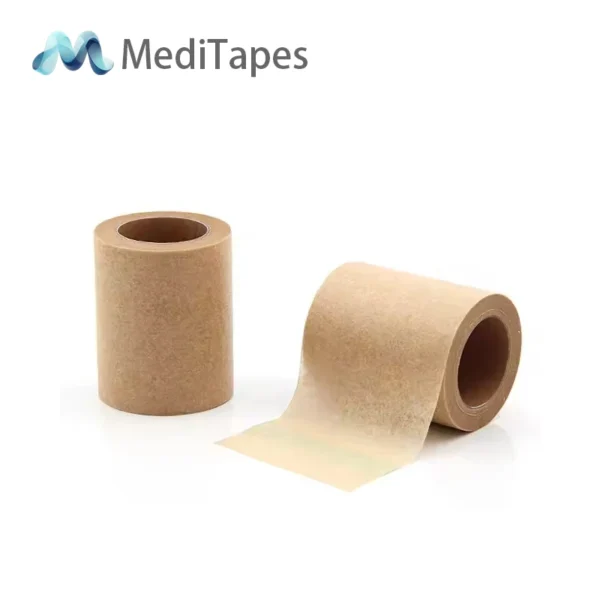
Soft Elastic Surgical Foam Tape – Multi-Direction Stretch Bulk
Sourcing Soft Elastic Surgical Foam Tape in bulk? Our tape features multi-direction stretch to accommodate swelling. This soft, conformable surgical foam tape adheres well even on damp skin. Perfect for B2B buyers seeking cost-effective, high-quality medical consumables.
Frequently Asked Questions
Whats the difference between regular acrylic tape and medical grade acrylic adhesive?
Regular acrylic might be great for packaging but often has impurities or aggressive tack that irritates skin. Medical grade is purified, tested per ISO 10993/FDA standards, and formulated for low toxicity and irritation.
Can medical grade acrylic adhesive cause allergies?
True allergies are rare – under 3% in most reports. Most issues are mechanical irritation, not allergic. Hypoallergenic versions cut that risk even further.
How long can foam tapes with acrylic adhesive stay on skin safely?
Depends on the product, but many medical ones are rated 7-14 days, some up to 28. Always follow instructions and monitor skin.
Are silicone tapes always better than acrylic for sensitive skin?
Not always. Silicone is super gentle but can lack initial grab. Medical grade acrylic often provides better overall performance for general use while still being skin-friendly.
Where can I get reliable medical grade foam tapes?
Check out specialists like us at MediTapes. Drop a line to info@meditapes.com or visit our contact page for quotes or samples.
Wrapping It Up: Why Bother with Medical Grade Acrylic Adhesive?
Bottom line – if skin safety and reliability matter (and they should), skipping on adhesive quality is risky. Medical grade acrylic adhesive in foam tapes gives you that sweet spot: strong hold, low risk, and peace of mind about non-toxic materials.
We’ve seen it transform patient care – fewer complaints, happier nurses, better outcomes.
If youre ready to upgrade your tapes or just wanna chat about options, reach out. Were here to help find what works best for your needs. Shoot us an email at info@meditapes.com or browse meditapes.com. Lets make sure your next tape choice is a safe one.