Walking around the CES floor this year, you can’t help but notice how wearables are everywhere. Smart rings that track your sleep without a screen, AI-powered pins that record conversations, exoskeletons that help you move better – it’s all pretty wild. But underneath the flashy demos and big announcements, there’s something quieter going on that’s actually making these devices work in real life: the adhesives that keep them stuck to your skin.
If you’re on a tech team’s procurement or R&D side, hunting for ways to secure new medical monitoring gear without driving users nuts with irritation, this stuff matters a lot. Poor adhesion means devices fall off during a workout or shift around, messing up data. Worse, bad adhesives can cause rashes or discomfort, and nobody wants complaints from users who have to wear something 24/7.
That’s where medical adhesive for wearables comes in. These aren’t your average sticky tapes – they’re designed to be gentle on skin while holding strong, even when you’re sweating or moving around. At CES 2026, with all the new health-focused wearables popping up, like advanced rings from companies pushing AI health tracking or continuous monitoring patches, the role of skin-safe options is bigger than ever.
We’ve seen the wearable tech market exploding – it’s already worth over $200 billion and heading toward $700 billion by 2035, according to reports from places like Precedence Research. A chunk of that growth is in medical-grade devices, where reliable sensor fixation is non-negotiable. And get this: studies show up to 81% of wearable users deal with some kind of skin irritation, often tied to the adhesive. Thats a huge problem when you’re trying to build something people will actually wear long-term.
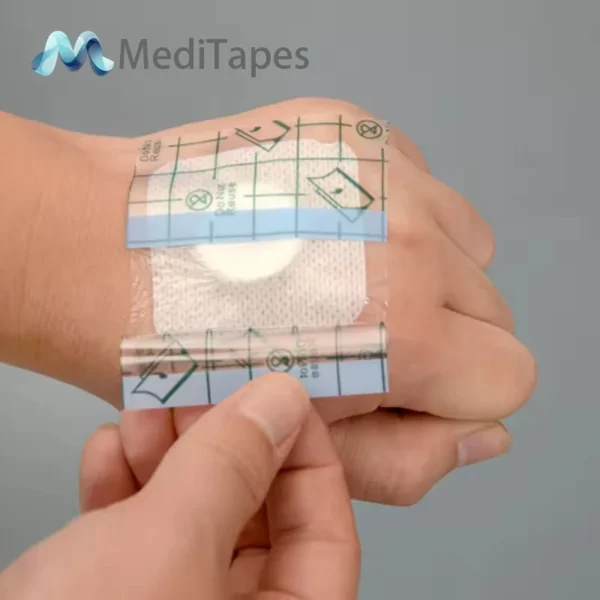
Hypoallergenic PU Film Dressing Roll Wholesale – Bulk Wound Care
Sourcing reliable supplies? Our Hypoallergenic PU Film Dressing Roll is available for Bulk Wound Care orders. Featuring a grid backing for precise cutting, this transparent roll minimizes allergic reactions. It is a cost-effective, premium choice for securing medical devices and primary dressings in high-volume environments.
What’s Hot in Wearables at CES 2026
CES this year has been packed with health tech. Garmin rolled out better nutrition tracking right on your wrist, there are new smart rings competing with Oura, and companies like Motorola and Razer are experimenting with AI wearables that listen and see what you do. Even stuff like LED masks for skin care or smart scales that check heart health from your feet.
A lot of these devices stick directly to skin – patches for glucose monitoring, bands for heart rate, or even larger sensors for posture and movement. The trend is toward longer wear times: think 7-14 days without removal. That puts massive pressure on the adhesive layer.
Edge AI is another big theme, meaning devices process data right on the gadget instead of sending everything to your phone. But for that to work accurately, sensors have to stay put. Any movement or lift-off, and your readings go haywire. Thats why teams are paying more attention to biocompatible tape and specialized medical adhesive for wearables.

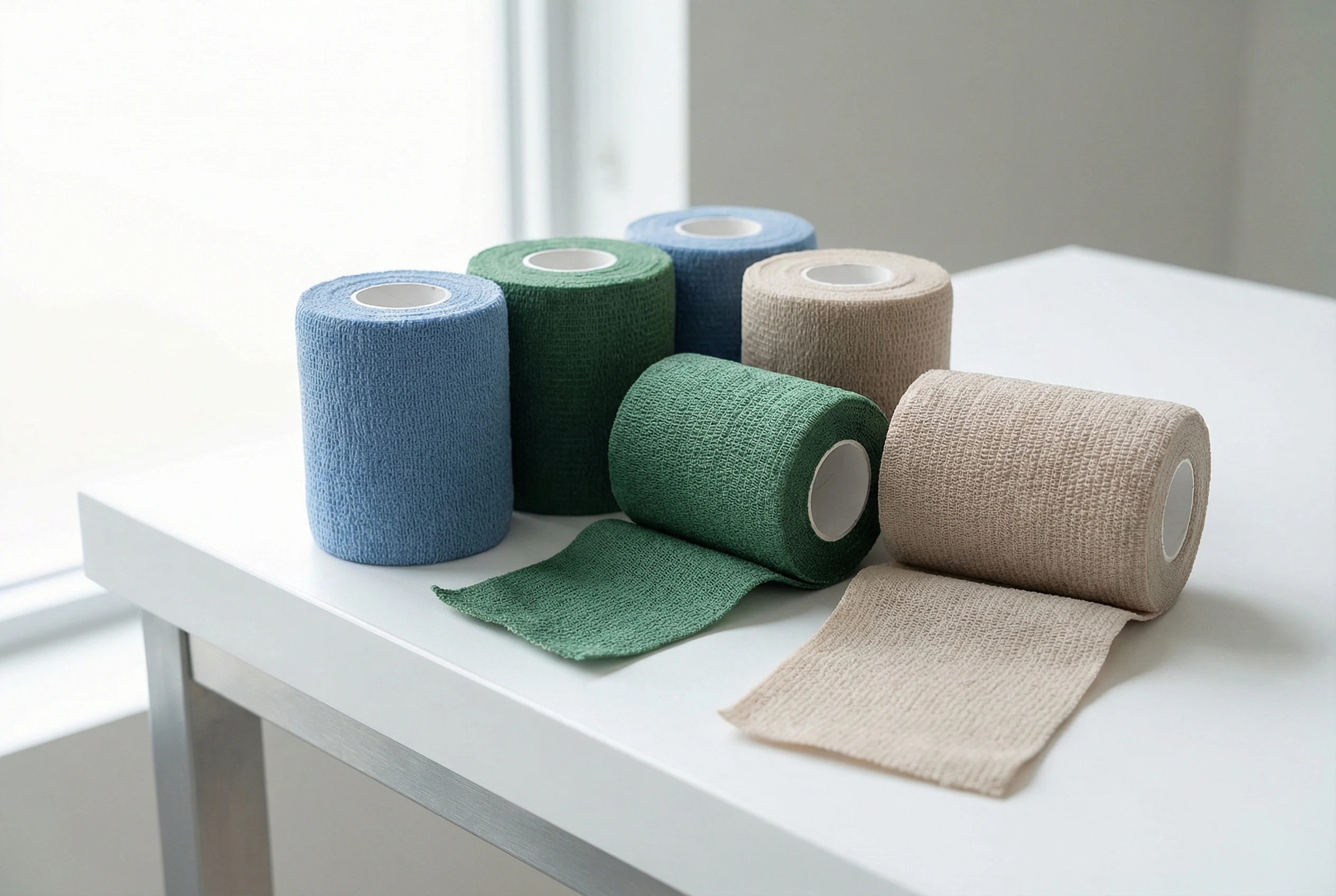
Heavy Elastic Adhesive Bandage EAB Tape for Sports Injury Support
This Heavy Elastic Adhesive Bandage (EAB) offers maximum compression for joint stability. Designed for sports medicine, our EAB tape features strong adhesion and breathable cotton fabric. Ideal for securing heavy dressings or supporting strains. Reliable elastic adhesive bandage for professional use.
Why Skin Irritation is Such a Big Deal (And How Bad Adhesives Make It Worse)
Lets be real – nobody likes peeling off a bandage and seeing red, itchy skin underneath. With wearables, it’s even worse because people wear them for days or weeks. Research from medical device folks shows common issues like allergic contact dermatitis or simple mechanical irritation from adhesives that don’t breathe or flex properly.
One big culprit used to be stuff like isobornyl acrylate (IBOA) in some older formulas – it caused sensitization in a bunch of users. Now, smarter companies avoid that entirely, going for IBOA-free options that pass strict ISO 10993 biocompatibility tests.
Sweat is another enemy. During exercise or just hot days, moisture builds up and weakens regular adhesives. Medical adhesive for wearables has to handle that – staying secure while letting skin breathe. Hydrocolloid or silicone-based options often do this better than acrylics for long wear.
Here’s a quick comparison to make it clearer:
| Adhesive Type | Best For | Pros | Cons | Typical Wear Time |
|---|---|---|---|---|
| Acrylic | Short-term, high initial stick | Strong quick grab, affordable | Can irritate sensitive skin, less breathable | 1-3 days |
| Silicone | Gentle, long-term wear | Super skin-friendly, repositional | Lower tack on sweaty skin | 7-14 days |
| Hydrocolloid | Wound-like environments | Absorbs moisture, promotes healing | Bulkier, can leave residue | 5-10 days |
| Heavy Elastic (like EAB) | Active movement, sensor fixation | Stretches with skin, very secure | Slightly thicker feel | 7+ days |
If your device needs solid sensor fixation during sports or daily activity, something stretchy and robust makes sense.
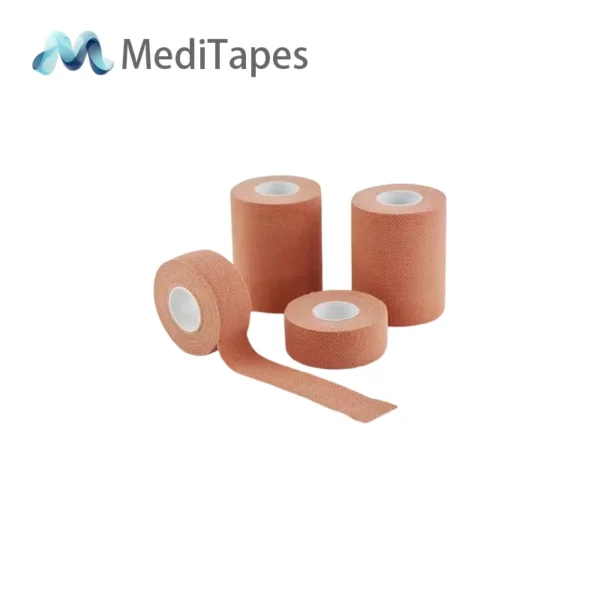
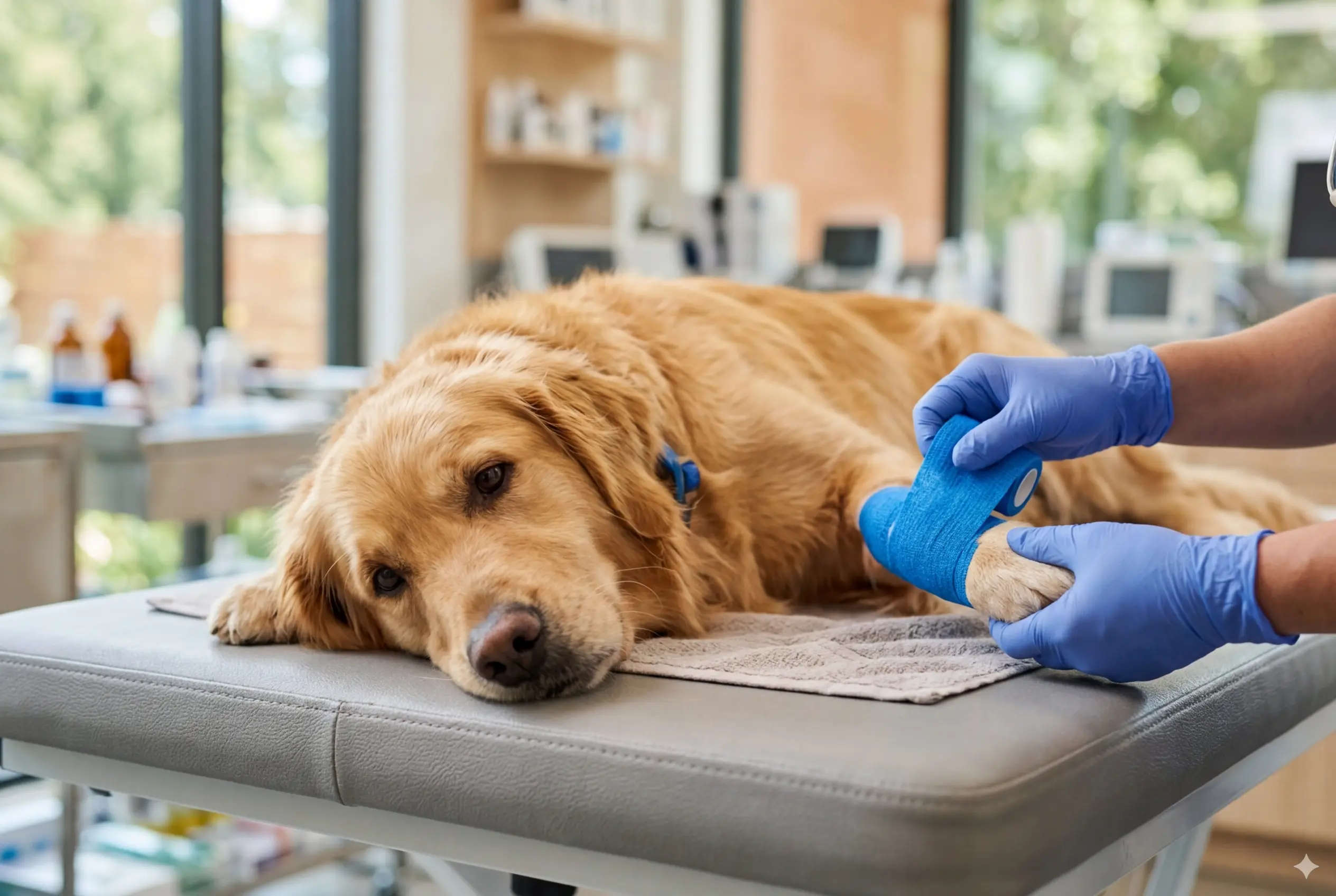
Strong Adhesion Elastic Adhesive Bandage EAB for Ankle and Knee Support Tape
Strong Adhesion Elastic Adhesive Bandage (EAB) is engineered for superior ankle and knee support in demanding activities. This Elastic Adhesive Bandage provides robust taping with high elasticity and lasting hold.
Perfect for preventing injuries, the Elastic Adhesive Bandage conforms seamlessly to joints, offering compression that reduces strain and enhances stability during movement.
Choose our premium Elastic Adhesive Bandage for professional-grade performance, trusted by trainers for reliable protection and quick recovery support.
The Rise of Better Medical Adhesive for Wearables
The market for specialized wearable adhesives is growing fast – one report from Data Bridge Market Research pegs it jumping from about $483 million in 2024 to over $1.3 billion by 2032. Thats a 13%+ annual growth rate, driven exactly by the boom in health monitoring devices we saw at CES.
Companies are innovating with gentler formulas: breathable layers, hypoallergenic materials, even adhesives that release slowly to avoid trauma when removing. For sensor fixation, the goal is secure hold without edge lift – those little curls that let dirt in or cause early peel-off.
Biocompatible tape plays a huge role here. These tapes meet medical standards for cytotoxicity, sensitization, and irritation – basically, they’re proven safe for skin contact. Many now use silicone gels that feel soft but grip well, perfect for curved body areas like wrists or chests.
Real-Life Examples We’ve Seen Work Well
Over the years at MediTapes, we’ve helped a few teams anonymously, of course – get their prototypes to stick properly. One group was building a continuous heart rhythm monitor that needed to stay on for two weeks, even during showers and workouts. Standard patches kept lifting at the edges, giving bad readings. Switching to a heavy elastic adhesive bandage setup solved it – the stretch let it move with skin, and the strong hold kept sensors perfectly aligned.
Another case was a startup doing glucose monitoring patches. Users complained about redness after a few days. We suggested a silicone-based biocompatible tape layer, and irritation dropped way down while wear time went up. Small change, big difference in user feedback.
These aren’t rare stories. With CES showing off so many new monitoring devices – from sleep trackers to hormone sensors – teams are realizing early on that the adhesive can make or break adoption.
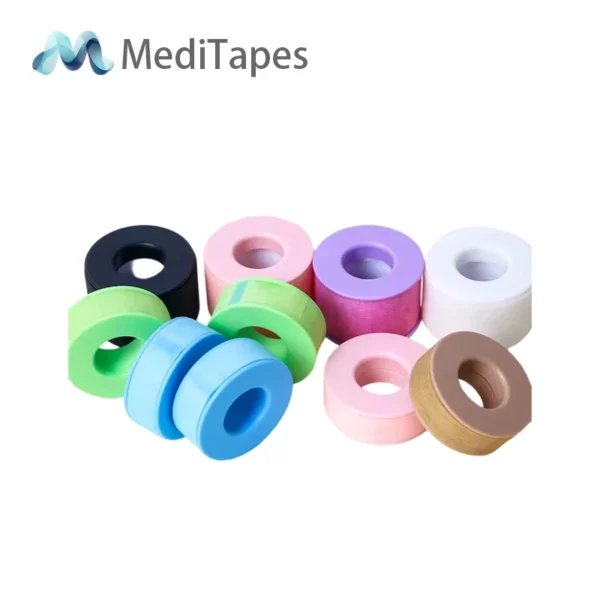
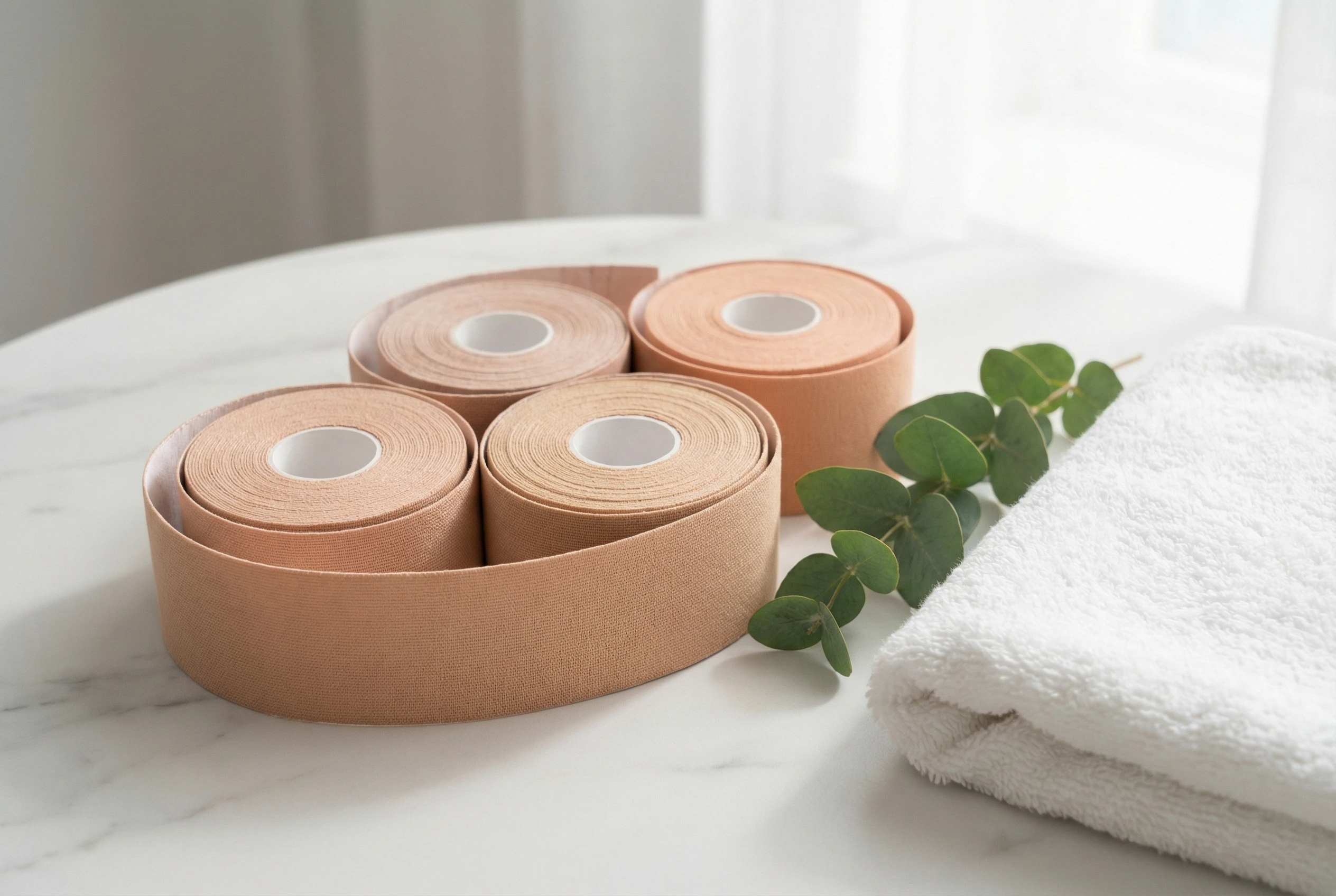
Soft Silicone Gel Tape Non-woven Fabric – Gentle Adhesion for Dressings
Experience superior comfort with our Soft Silicone Gel Tape. Featuring a flexible non-woven fabric, this tape conforms easily to body contours. The advanced silicone gel adhesive ensures strong holding power while being gentle enough for neonatal skin. Ideal for long-term wear and fragile skin applications.
How to Pick the Right Medical Adhesive for Your Wearable Project
If you’re sourcing for a new device, here’s what we usually tell folks:
- Think about wear time – short burst or multi-day?
- Consider user activity – office wear vs. athletes?
- Test for skin types – sensitive skin needs gentler formulas.
- Check breathability – moisture vapor transmission rate (MVTR) matters.
- Look at removal – low-trauma options prevent stripping skin layers.
- Regulatory stuff – make sure it meets ISO 10993 or FDA guidelines for your market.
Starting with samples is smart. Most suppliers, including us at MediTapes, can send test rolls to try on prototypes.
MediTapes Solutions That Fit These Trends
At MediTapes, we’ve been focused on exactly this space – medical adhesive for wearables that balance strength and comfort. Our heavy elastic adhesive bandages (EAB) are popular for sensor fixation because they stretch nicely, hold tight during movement, and come off without hurting skin.
Check out our Heavy Elastic Adhesive Bandage (EAB) – it’s built for active scenarios but gentle enough for longer wear. We also have biocompatible tape options tailored for medical monitoring gear.
Whether you need custom die-cuts, different widths, or specific release liners, we work with R&D teams to get it right.
Wrapping It Up: The Future Looks Sticky (In a Good Way)
CES 2026 made it clear – wearables aren’t going anywhere, especially the health-focused ones. But for them to really take off, the behind-the-scenes stuff like medical adhesive for wearables has to keep up. Better biocompatible tape and smarter sensor fixation mean devices that stay on, collect good data, and don’t annoy users.
If you’re working on something new and want to talk options, drop us a line. We’d love to help figure out what might work best for your project – maybe send some samples or chat specs.
Reach out anytime at info@meditapes.com or through our contact page. Sometimes a quick conversation saves months of trial and error.
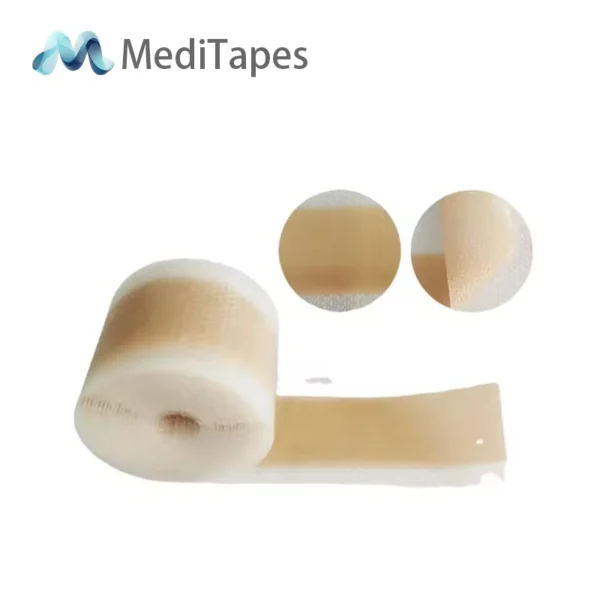
Blue Silicone Gel Tape with Perforation for Secure Medical Fixation
Our Blue Silicone Gel Tape features easy-tear perforation for quick medical application. This soft silicone gel tape provides secure fixation for IV lines and dressings while protecting the stratum corneum. Waterproof and flexible, it conforms to body contours perfectly for maximum patient comfort.
Frequently Asked Questions
What’s the difference between regular tape and medical adhesive for wearables?
Regular tape is fine for short stuff, but medical versions are tested for skin safety over days or weeks. They handle sweat better and cause way less irritation.
How long can modern biocompatible tape last on skin?
Depends on the formula and activity, but good ones go 7-14 days easily. Some silicone options push even longer with minimal issues.
Will strong sensor fixation cause more skin problems?
Not if it’s done right. Stretchy, breathable materials give secure hold without the harsh pull that irritates.
Are there eco-friendly options emerging?
Yeah, some companies are working on biodegradable backings or reduced-waste manufacturing. It’s early, but worth watching.
How do I get samples for my prototype?
Just ask! Most suppliers, including MediTapes, are happy to send test materials. Tell us about your device and wear needs.