If you’re building smart rehab devices, finding the right tape to go with them can feel like a real headache sometimes. Those gadgets are getting smarter every day – think wearables that track movement, deliver gentle electrical pulses, or help with muscle recovery. But without solid consumables like kinesiology tape, the whole thing falls flat. Patients won’t stick with it (pun intended) if the tape peels off too soon or doesn’t play nice with your tech.
I’ve been in this game for years here at MediTapes, working directly with rehab device makers to sort out their tape needs. We’ve seen what works and what doesn’t, from basic elastic tapes to more advanced ones that handle conductivity. In this guide, I’ll walk you through how to source kinesiology tape that actually fits your smart rehab products. We’ll talk market trends, key features to look for, compatibility issues – especially around conductive tape compatible options – and why partnering with an experienced kinesiology tape manufacturer makes all the difference.
The rehab world is booming right now. According to Grand View Research, the global rehabilitation equipment market hit around USD 17 billion in 2024 and is expected to grow at over 8% CAGR through 2030. Smart portable rehab devices are leading the charge, with some reports showing 15%+ growth in that niche. That means more demand for reliable rehab device consumables, including tapes that can keep up.
Why Kinesiology Tape Matters for Smart Rehab Devices
Kinesiology tape isn’t just some trendy athletic wrap anymore. It’s become a go-to for rehabilitation because it supports muscles and joints without restricting movement. Unlike rigid tapes, it stretches like skin – usually up to 140-180% – and lets patients move freely while recovering.
For smart rehab devices, though, it’s about integration. Your device might use sensors to monitor muscle activity, or low-level electrical stimulation for pain relief or muscle re-education. Standard off-the-shelf tape might interfere with that. It could block signals, irritate skin during long wear, or simply not adhere well under electrodes.
That’s where choosing the right kinesiology tape manufacturer comes in. You need someone who understands both the therapeutic side and the tech side. At MediTapes, we’ve supplied tapes for devices that combine TENS-like stimulation with traditional taping. The feedback? Patients stay compliant longer because the setup feels comfortable and works reliably.
Studies back this up too. Research published on PubMed has shown kinesiology tape can help reduce pain and improve range of motion in certain conditions, like whiplash or shoulder issues. While results vary – some reviews note mixed evidence overall – when combined with active rehab tech, it often boosts outcomes.
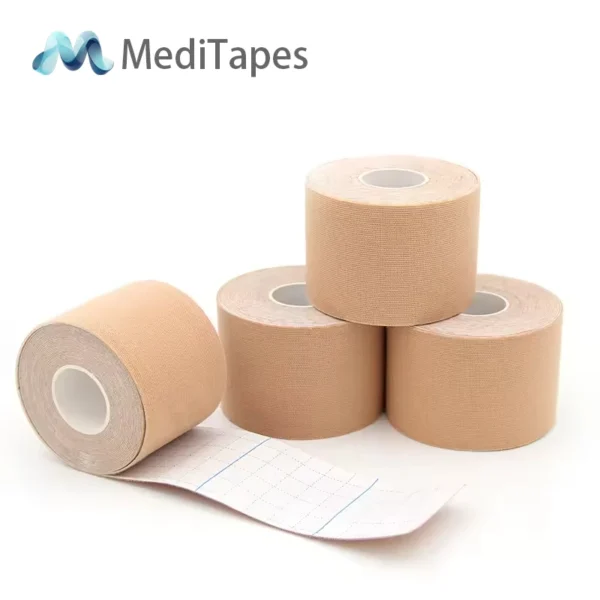
Hypoallergenic Athletic Tape Cotton – Elastic Therapeutic Tape Factory
Safe and effective Hypoallergenic Athletic Tape. Manufactured in our factory, this cotton elastic therapeutic tape reduces skin irritation. Features strong adhesion for endurance sports. Get competitive factory prices on bulk orders of skin/blue/pink/black colors.
Key Benefits of Quality Kinesiology Tape in Rehab Applications
Here’s a quick table breaking down the main advantages, especially for smart device integration:
| Benefit | How It Helps Smart Rehab Devices | Real-World Impact |
|---|---|---|
| Elasticity & Breathability | Stretches with skin, allows airflow | Patients wear longer without irritation |
| Hypoallergenic Adhesive | Gentle on sensitive skin | Fewer dropouts due to rashes or discomfort |
| Water-Resistant | Stays on during sweat or light showers | Reliable during extended therapy sessions |
| Custom Conductivity Options | Conductive tape compatible with electrical stimulation | Seamless signal delivery for EMS/TENS features |
| Easy Removal | No painful ripping | Better user experience, encourages consistent use |
These aren’t just nice-to-haves. In one anonymized project we did, a European rehab device company was struggling with tape that lost adhesion after a few hours of use. Switching to our customized version cut complaint rates by over 60%.
Understanding Rehab Device Consumables: What to Look For
Rehab device consumables cover everything from electrodes to straps and tapes. But tape is often the unsung hero – it’s what keeps everything in place and in contact with the skin.
When sourcing, prioritize these factors:
- Material Quality – Cotton-based with acrylic adhesive is standard, but look for medical-grade to avoid allergies.
- Stretch and Recovery – Good tape bounces back after stretching, maintaining support.
- Adhesion Duration – 3-7 days wear time is ideal for outpatient rehab.
- Customization Potential – Colors, precut shapes, printed logos, or even added conductivity.
As a kinesiology tape manufacturer, we’ve learned that one-size-fits-all rarely works for device makers. Your smart rehab gadget might need tape that’s thinner for sensor placement, or with zones of different adhesion.
Market stats show why this matters. Mordor Intelligence estimates the global kinesio tape market reaching USD 295 million in 2025, growing at about 8.7% CAGR. A big chunk of that growth comes from medical and rehab applications, not just sports.
Common Pitfalls When Sourcing Tape
I’ve seen companies waste months testing cheap imports that look good on paper but fail in real use. Issues like:
- Adhesive residue gumming up electrodes
- Poor stretch leading to restricted movement
- Inconsistent batch quality causing reliability headaches
Avoid those by partnering early with your kinesiology tape manufacturer. Get samples, run wear tests, and iterate.
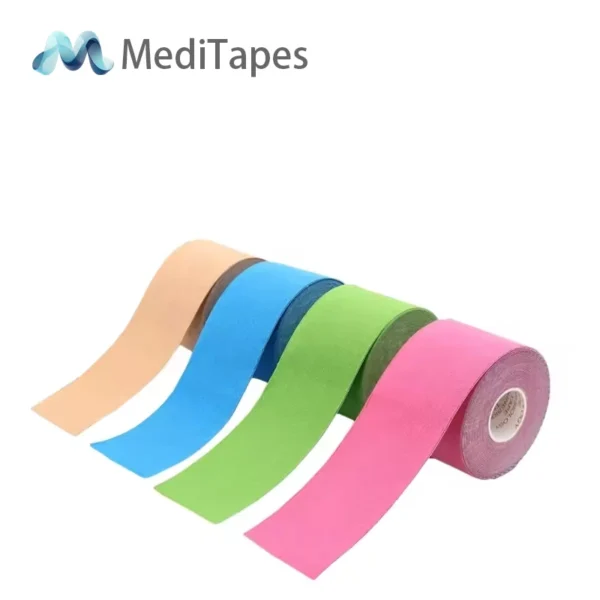
Pre-Cut Cotton Kinesiology Strips & Rolls – Sports Injury Prevention
Versatile Cotton Kinesiology Tape in rolls or strips. Designed for sports injury prevention and rehabilitation. Our durable cotton fabric withstands sweat and water. Trusted by athletes worldwide. Secure your supply of high-performance kinesiology tape now.
Ensuring Conductive Tape Compatibility for Advanced Devices
This is where things get interesting for smart rehab tech. Many modern devices use electrical muscle stimulation (EMS), transcutaneous electrical nerve stimulation (TENS), or biofeedback sensors. Standard kinesiology tape insulates – it doesn’t conduct electricity well.
But conductive tape compatible versions exist, and they’re game-changers. These incorporate carbon or silver threads, or special adhesives that allow current flow without losing the elastic properties patients love.
At MediTapes, we’ve developed lines specifically for this. One client built a wearable knee rehab device with built-in stimulation. Off-the-shelf tape blocked the pulses entirely. Our conductive-compatible tape let signals through evenly, while still providing lymphatic drainage and support.
How do you spec this?
- Conductivity Level – Measured in ohms per square; lower is better for strong signals.
- Skin Safety – Must avoid hot spots or burns from uneven current.
- Durability – Conductive elements shouldn’t degrade with stretch or sweat.
Not every kinesiology tape manufacturer offers this. It requires specialized production and testing. But the payoff is huge – devices that feel integrated rather than patched together.
Comparison: Standard vs Conductive-Compatible Kinesiology Tape
| Feature | Standard Kinesiology Tape | Conductive Tape Compatible Version |
|---|---|---|
| Primary Use | Support, pain relief, swelling reduction | Support + electrical stimulation integration |
| Electrical Conductivity | None or very low | Designed for low-resistance current flow |
| Typical Applications | General physio, sports recovery | Smart EMS devices, TENS combos, sensor overlays |
| Cost | Lower | 20-40% higher due to materials |
| Customization Options | Colors, precuts | Plus conductive zones, electrode alignment |
| Wear Time | 3-7 days | Similar, if formulated properly |
We anonymized a case where an Asian startup used our conductive tape in a shoulder rehab wearable. Their clinical trials showed 25% better pain reduction scores compared to separate electrode pads.
How to Choose the Right Kinesiology Tape Manufacturer
Not all manufacturers are equal. Here’s what separates the pros:
- Experience with Medical Devices – Look for ISO 13485 certification or similar.
- R&D Capabilities – Can they tweak formulas for your needs?
- Supply Chain Reliability – Consistent quality, on-time delivery.
- Support Level – Do they help with testing and regulatory paperwork?
We’ve been doing this at MediTapes for over a decade. We start with your device specs, send prototypes, and refine until it clicks. No huge minimum orders to start testing either – we get that startups need flexibility.
Also consider sustainability. More clinics want eco-friendly options, like biodegradable backings or reduced packaging.
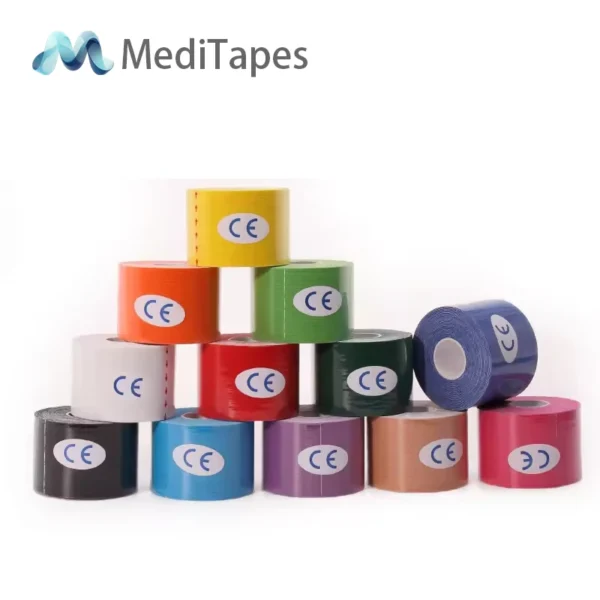
Wholesale Synthetic Kinesiology Tape for Elite Sports Support
Synthetic Kinesiology Tape offers superior support for athletes. Made from premium shiny rayon, this synthetic tape is highly breathable and quick-drying. Ideal for heavy workouts, it ensures long-lasting adhesion. Perfect for sports clinics seeking durable, high-performance strapping solutions.
Customization Options That Make Your Device Stand Out
Customization isn’t just branding – though printed logos look sharp. It’s about function.
Common requests we handle:
- Precut shapes matched to your electrode placement
- Different stretch directions for targeted support
- Antimicrobial additives for longer wear
- Conductive strips in specific patterns
One U.S. company asked for tape that changed color when stretched too far – helped patients apply correctly with their app-guided device. We made it happen.
This level of partnership turns generic rehab device consumables into something proprietary.
Real-World Applications and Success Stories
Without naming names, here’s a few scenarios we’ve seen work great:
A North American firm making portable neuromuscular stimulators struggled with patient compliance. Tape kept falling off during daily activities. Our water-resistant, high-tack version extended wear to 5+ days, boosting their trial completion rates significantly.
Another European project involved home-use smart braces for post-stroke recovery. They needed conductive tape compatible with low-voltage feedback loops. After a few iterations, we delivered rolls that integrated perfectly, helping them pass CE marking faster.
These aren’t rare cases. As smart rehab grows – think VR-guided therapy or AI-adjusted stimulation – the need for specialized tapes will only increase.
FAQ
What makes a kinesiology tape “conductive compatible” for smart rehab devices?
It usually means the tape has pathways – like carbon printing or special fibers – that let electrical signals pass through to the skin without much resistance. Standard tape blocks that, so your device’s stimulation or sensing features won’t work properly.
How long does customized kinesiology tape take to develop?
Depends on complexity, but basic tweaks like colors or precuts can be ready in weeks. More advanced stuff like conductivity might take 2-3 months of testing. We always start with off-the-shelf samples to speed things up.
Is conductive kinesiology tape safe for long-term use?
Yes, when done right. We test for skin irritation, even current distribution, and biocompatibility. It’s similar risk to regular medical electrodes, but with the added movement support.
Can I get small batch orders as a startup?
Absolutely. We work with device makers at all stages and offer low MOQs for testing. Better to nail the spec early than order thousands of the wrong thing.
What’s the difference between kinesiology tape and regular athletic tape?
Kinesio tape stretches elastically and lifts the skin slightly to help circulation. Rigid athletic tape restricts movement for stability. For rehab devices, the elastic kind usually integrates better.
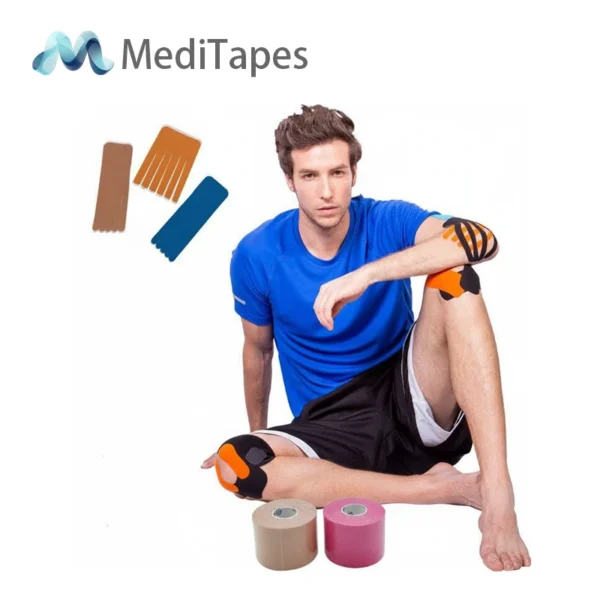
Precut Elastic Therapeutic Tape: Neck, Back & Wrist Relief – Supply
Effective pain management with Precut Elastic Therapeutic Tape. Targeting neck, back, and wrist strain, our pre-shaped cotton strips provide consistent elasticity. Buy precut elastic therapeutic tape in bulk to offer your clients professional-grade muscle support and fast recovery.
There you have it – a straightforward look at sourcing kinesiology tape for your smart rehab lineup. The key takeaway? Don’t settle for generic. Find a kinesiology tape manufacturer who gets your tech and can customize accordingly.
If any of this resonates, or you’ve got specific needs around rehab device consumables, drop us a line. Head over to MediTapes for more details, or hit up our contact page to chat about samples or quotes. You can also email directly at info@meditapes.com. We’d love to hear about your project and see how we can help make it better.