If you’ve been around horses for any length of time, you know leg issues can pop up quick. Whether it’s after a hard ride, dealing with a little swelling, or keeping a wound clean, getting that horse leg wrap right makes all the difference. Done wrong? You risk tendon bows, pressure sores, or worse. Done right? Your horse stays comfy, heals faster, and you avoid those expensive vet calls.
I’ve wrapped more legs than I can count over the years – from racehorses needing quick support to backyard guys recovering from scrapes. And let me tell ya, cohesive bandages (you know, stuff like vet wrap for horses) are game changers when used properly. They’re stretchy, stick to themselves, easy to tear by hand, and they give that nice even pressure without clamps or clips.
In this post, we’re diving deep into best practices for using equine bandage and horse leg wrap setups. We’ll cover why wholesalers in the equestrian supplies space love these so much (high repeat buys, solid margins), step-by-step how-tos, common screw-ups to avoid, and some real-world tricks that actually work. If you’re a wholesaler looking for reliable stock, check out what we offer at MediTapes – our self-adhesive bandages are built tough for equine use. Head over to our self-adhesive bandages category to see options that hold up.
Why Cohesive Bandages Rock for Horse Legs
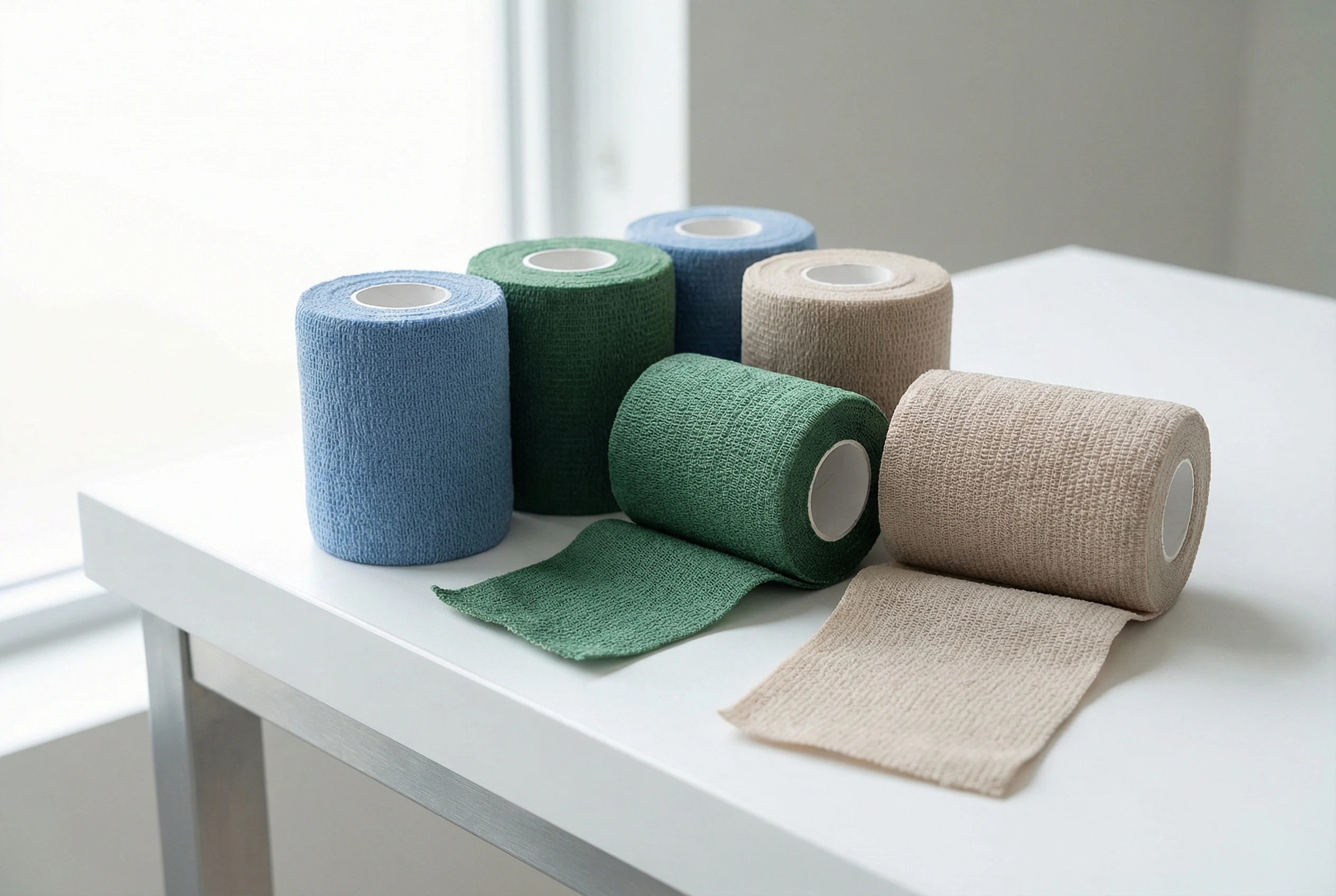
Look, not all wraps are created equal. Traditional cloth ones slip, adhesive tapes pull hair, but cohesive bandages? They cling just to themselves. That means no sticky mess on your horse’s coat, and they conform great to those tricky contours around fetlocks and cannons.
From what I’ve seen (and studies back this up), proper compression from these wraps helps control swelling, supports tendons/ligaments during recovery, and keeps wounds protected from dirt. One thing folks notice fast: legs stay cooler under pressure when wrapped right, reducing risk of heat buildup that can lead to problems. Vets often recommend them because they provide consistent support without over-constricting.
For wholesalers, this stuff moves fast. Barns go through rolls quick – standing wraps, wound care, travel protection. High ticket per case, but huge consumption once stables get hooked on a good brand.
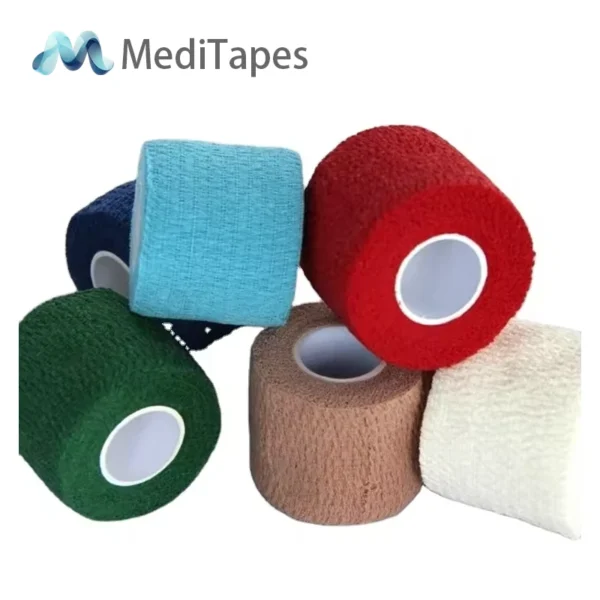
Vet Wrap Cotton Cohesive Bandage – Non-Slip Pet Bandage for Dogs & Cats
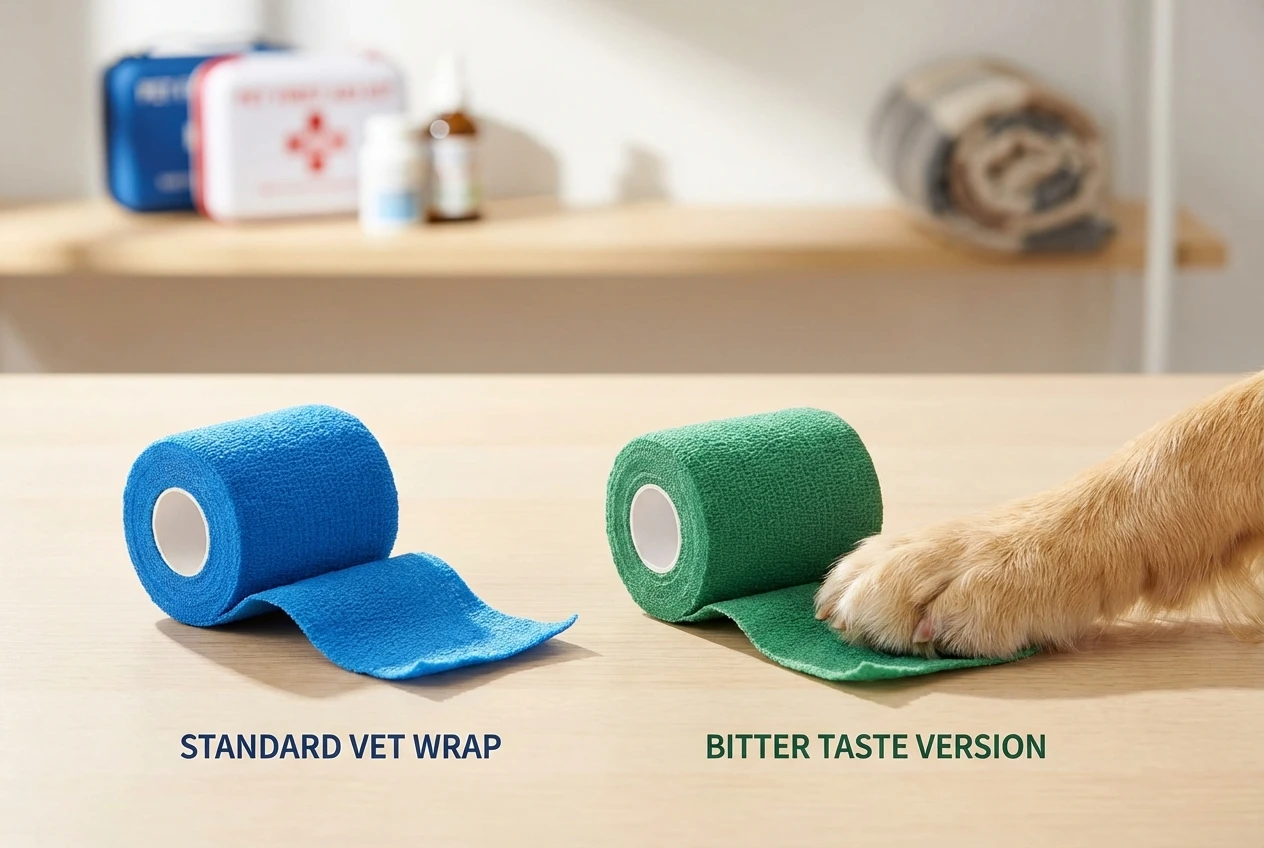
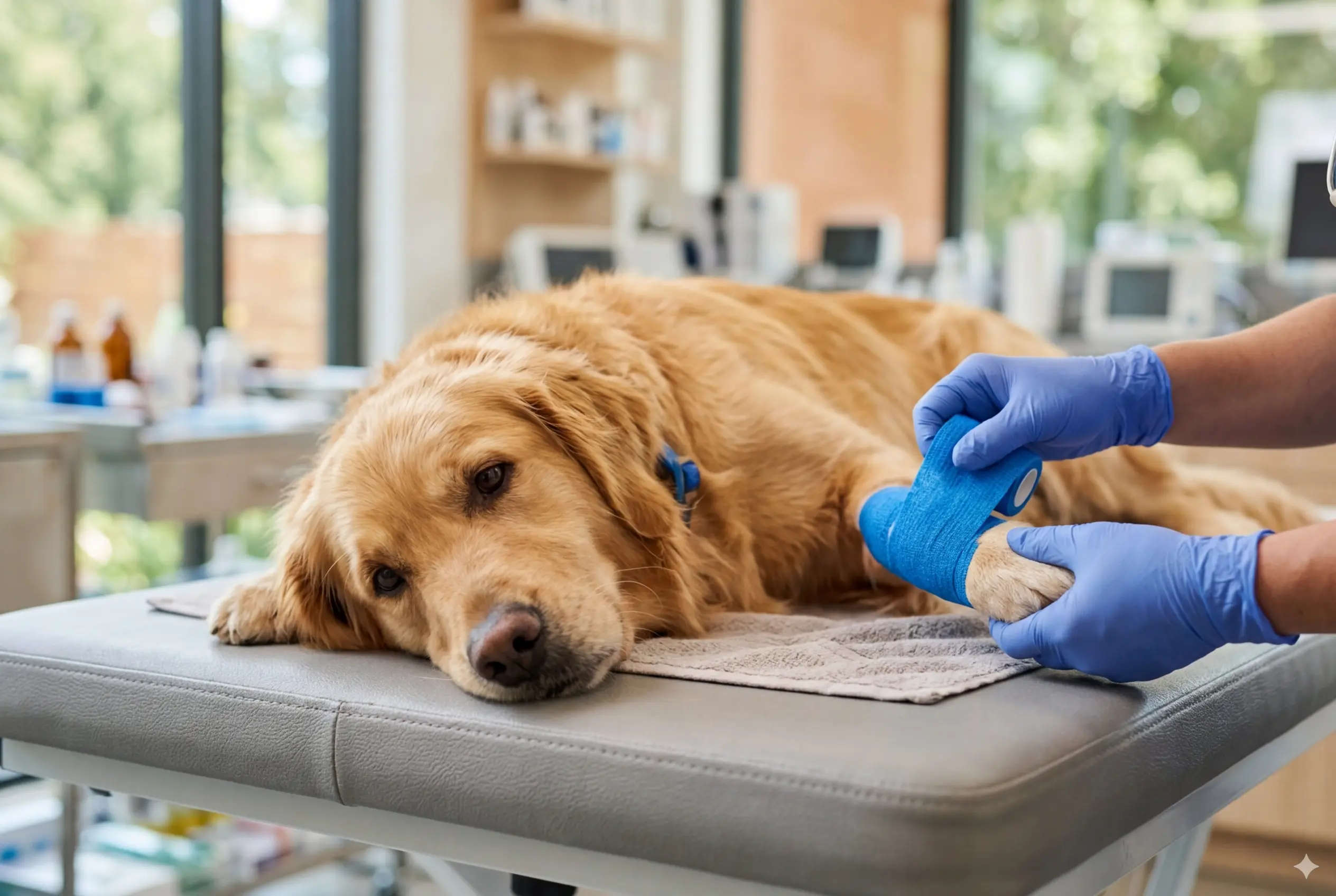
Designed for veterinary use, this Cotton Cohesive Bandage is perfect as a Vet Wrap for dogs, cats, and horses. The durable, non-slip material protects wounds and supports joints. It won’t stick to fur, making this cohesive bandage essential for animal care. Tearable by hand and highly elastic.
What You’ll Need Before You Start Wrapping
Gather your gear first. Skipping this leads to half-done jobs and frustrated horses.
Here’s a quick list of essentials for a solid lower limb wrap:
- Non-stick dressing (like Telfa pads) if there’s a wound
- Soft gauze or conforming bandage
- Thick cotton/quilt padding (no-bows or sheet cotton work great)
- Cohesive bandage (our go-to vet wrap for horses style)
- Maybe some elastic tape for extra security at top/bottom
Pro tip: always start with clean, dry legs. Dirt under padding = irritation city.
Step-by-Step: How to Apply a Proper Horse Leg Wrap
Alright, let’s get hands-on. This is for a basic lower limb support/wound wrap using cohesive bandage.
- Prep the leg
Clean it good. Clip hair if needed around the area. Apply any ointment or dressing your vet prescribed. - Add padding
Lay down that cotton or quilt. Start on the inside of the cannon bone. Make sure it’s smooth – no bunches or wrinkles. Cover from just below the knee/hock down past the fetlock. Overlap edges nicely so tendons get even padding. - Secure with gauze
Roll on conforming gauze. Go front to back, inside to outside. For left legs: counterclockwise. Right legs: clockwise. This direction keeps pressure over the cannon bone, not tendons (huge for preventing bows). - Apply the cohesive layer
Here’s where equine bandage like our stuff shines. Start about ½ inch below the top of the cotton. Stretch it 50% as you go (not too tight!). Overlap each turn by half. Work down the leg, then back up again. Keep even pressure all around – feel it with your fingers. Should be snug but you can slip two fingers under easily. - Finish it off
End with a bit of elastic tape top and bottom if you want it bombproof (stops slipping and chewing). Tuck ends neatly.
Done right, it looks smooth, no lumps. Takes practice, but once you nail it, it’s second nature.
Here’s a simple comparison table of common wrap types – helps when choosing stock for your clients:
| Wrap Type | Best For | Pros | Cons | Consumption Rate |
|---|---|---|---|---|
| Polo Wraps | Exercise protection | Soft, reusable | Less compression, slips easy | Medium |
| Standing Wraps (with cotton) | Stall rest, swelling control | Great support, thick padding | Time-consuming to apply | High |
| Cohesive Bandage (Vet Wrap style) | Wounds, support, travel | Self-adherent, even pressure, easy | Can be too tight if over-stretched | Very High |
| Adhesive Tape | Extra security | Sticks hard | Pulls hair, hard to remove | Low |
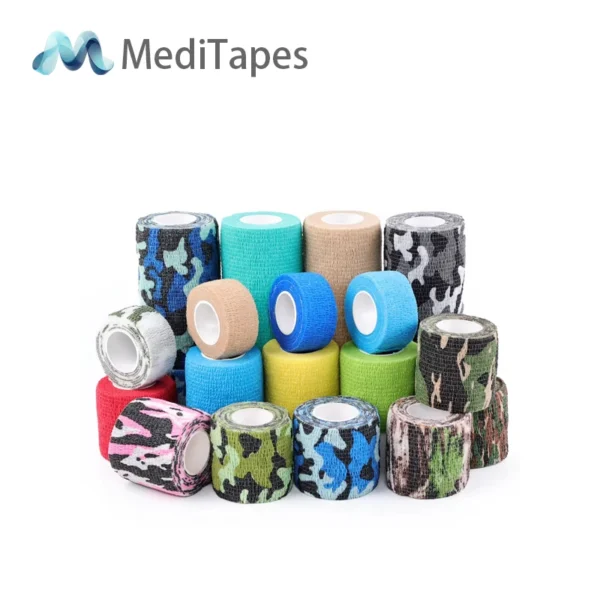
Custom Printed Cohesive Bandage – OEM Logo Vet Wrap Manufacturer
Elevate your brand with our Custom Printed Cohesive Bandage. As a leading manufacturer, we offer OEM logo vet wrap services to display your company identity. This flexible, non-woven tape adheres only to itself. Perfect for clinics wanting branded printed cohesive bandages at factory prices.
Common Mistakes That Wreck Legs (And How to Dodge Them)
I’ve seen too many “bowed tendon” cases from bad wraps. Most are avoidable.
- Too tight – Classic. Creates pressure points. Always check you can slide fingers underneath.
- Not enough padding – Bones and tendons feel every bit of pressure. Use plenty of cotton.
- Wrinkles or folds – They turn into hot spots fast. Smooth everything out.
- Wrong direction – Wrapping backward puts torque on tendons. Stick to the rule: inside-front-outside.
- Leaving on too long – Change every 12-24 hours for wounds, check daily for standing.
One barn I know had a horse with chronic swelling until they switched techniques – fixed in weeks with proper even pressure and padding.
When to Use Horse Leg Wraps – Real Scenarios
- Post-ride cooldown – Reduces stocking up overnight.
- Wound care – Keeps dirt out, controls proud flesh (that overgrowth vets hate).
- Travel – Protects from knocks in trailers.
- Tendon/ligament support – After strains, many vets pair with rest.
In one case, a dressage horse had a small cut on the cannon. With consistent vet wrap for horses changes and proper layers, healed clean in under a month – no proud flesh. Stuff like that keeps owners coming back for more rolls.
Benefits Backed by What We Know
Proper bandaging supports healing by controlling swelling and protecting the site. Studies show compression helps reduce fluid buildup in distal limbs, and cohesive types provide reliable pressure without adhesives sticking to skin.
FAQ – Quick Answers to Common Questions
Q: How tight should my horse leg wrap be?
A: Snug but comfy. You should slip two fingers under easily all around. Too loose and it slips; too tight and you risk damage.
Q: Can I reuse cohesive bandages?
A: Usually no – they lose stickiness and collect dirt. Fresh ones every time are safer for wounds.
Q: What’s the difference between vet wrap and regular tape?
A: Vet wrap for horses is cohesive (sticks to itself only), breathable, and flexible. Regular tape sticks to everything – great for tops/bottoms but not ideal as main layer.
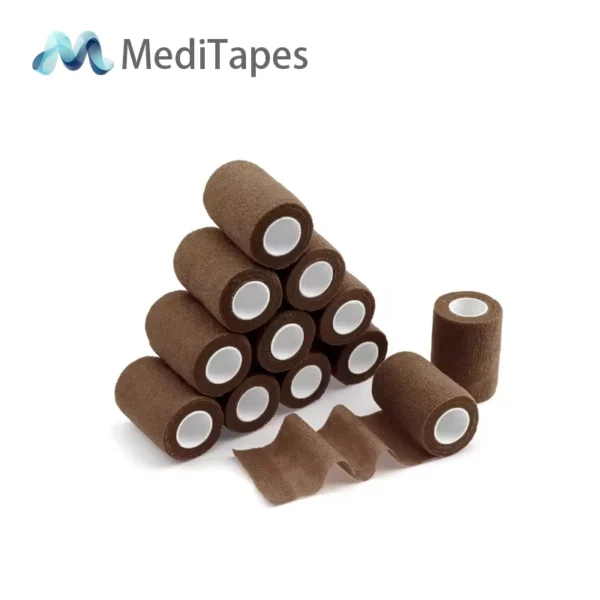
Printed Cohesive Bandage Manufacturer – Custom Pattern Vet Tape OEM
Looking for unique designs? As a Printed Cohesive Bandage Manufacturer, we offer custom pattern vet tape. Add your logo or cute prints (paws, hearts) to stand out. High-quality non-woven fabric with strong self-adhesion. Boost your brand with customized cohesive bandages.
Wrapping legs right is part skill, part feel. Get it down and your horses thank you with faster recoveries and fewer issues.
If you’re a wholesaler stocking equestrian supplies, you know clients want reliable equine bandage options that perform and keep horses happy. Our range at MediTapes delivers that – durable, consistent, and priced for good margins.
Want to check out samples, bulk pricing, or just chat about what moves best in your market? Drop us a line at info@meditapes.com or hit up our contact page. Happy to help you stock up on the good stuff that barns reorder over and over.