Buying perforated adhesive plaster in bulk sounds straightforward, but trust me, I’ve seen plenty of folks get burned by picking the wrong rolls. Stuff that doesn’t stick right, leaves sticky gunk everywhere, or just falls apart when you need it most. Over the years at MediTapes, we’ve helped hundreds of buyers dodge those headaches by focusing on what actually matters. This checklist comes straight from real-world experience – the kind where we’ve tested thousands of rolls, dealt with supplier issues, and figured out what separates decent tape from the great stuff.
If you’re sourcing for clinics, hospitals, or even sports teams, you want perforated adhesive plaster that breathes well, holds strong without hurting skin, and tears cleanly thanks to those handy holes. Let’s dive in and make sure your next order doesn’t turn into a regret.
Why Bother with High-Quality Perforated Adhesive Plaster Anyway?
You might think all medical tapes are pretty much the same, especially the perforated kind that’s meant to let skin breathe. But nah, they’re not. Low-end ones can cause real problems – irritation, infections if moisture gets trapped, or dressings slipping off at the worst time.
From what we’ve seen, poor quality tape often leads to wasted money because you end up using twice as much to make it stick. Or worse, patients complain about itchy residue that takes forever to clean off. High-quality perforated adhesive plaster, on the other hand, makes life easier for everyone. It stays put during movement, lets air through those perforations to reduce sweating, and comes off without pulling hair or leaving mess.
We’ve had customers switch to our rolls and tell us their nurses save time on changes, and patients feel more comfortable. That’s the difference quality makes.
What Makes Perforated Adhesive Plaster “High-Quality”?
Let’s break it down into the basics you can check yourself.
The Material Matters a Lot
Most good perforated plasters use cotton or non-woven fabric that’s soft but tough. The backing should feel flexible, not stiff like cheap plastic. Those little holes – the perforations – need to be evenly spaced so air flows consistently without weak spots.
Cheap ones often skimp on fabric, using thin material that tears easily when you try to rip a piece. Or the holes are sloppy, bunching up in places and blocking breathability elsewhere.
Look for hypoallergenic materials too, especially if it’s going on sensitive skin. Many top manufacturers follow ISO 10993 standards for biocompatibility, meaning they’ve tested it won’t cause reactions.
The Adhesive Side – Where the Magic (or Mess) Happens
This is huge. The glue has to balance strong hold with gentle removal. Acrylic adhesives are common in better tapes because they stick well but don’t degrade fast.
In medical tape quality control, we always check for even coating. No thick globs or thin patches that make it stick unevenly.
And residue-free removal? That’s a game-changer. Nobody wants to scrub off sticky bits after taking the tape off. Quality adhesives release cleanly, even after days of wear.
Perforations Done Right
The holes aren’t just for show. They boost breathability, cutting down on maceration – that soggy skin look from trapped moisture. Good ones have uniform perforations that let you tear straight across without jagged edges.
I’ve handled rolls where the perforations were off, and you’d end up with crooked pieces that waste material. Frustrating.
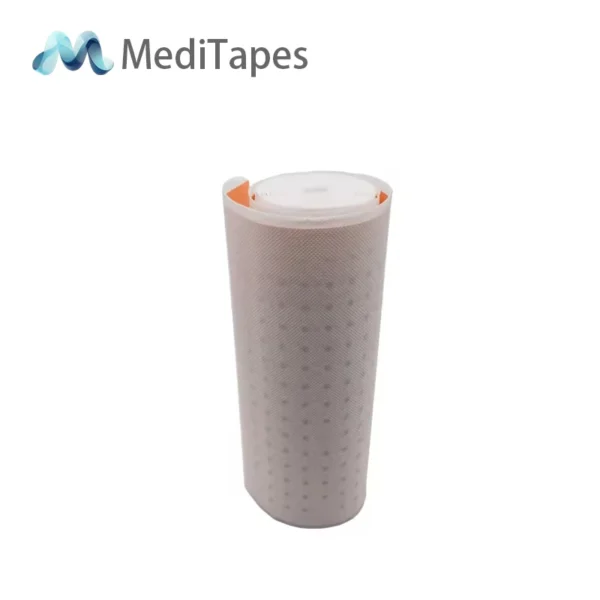
Wholesale Perforated Adhesive Plaster Rolls – Bulk Medical Supply
Looking for bulk perforated adhesive plaster? We supply high-quality, cost-effective plaster rolls for global distributors. Features consistent unwind tension and reliable adhesion. Our perforated medical plaster meets international standards. Contact us for OEM packaging and competitive pricing.
Essential Checks and Tests for Medical Tape Quality Control
Okay, here’s where we get practical. You don’t need a fancy lab, but knowing these tests helps spot winners.
Adhesion Strength Test – Does It Actually Stick?
Everyone talks about how strong tape is, but how do you measure it? The gold standard is the ASTM D3330 peel adhesion test. Basically, you stick the tape to a steel plate (or skin simulant), then peel it off at a controlled angle and speed. Results come in Newtons per 25mm width.
Typical values for decent medical tapes range from about 4-17 N/25mm on steel, depending on if it’s gentle or aggressive adhesion. Lower for sensitive skin, higher for heavy-duty fixing.
In our experience at MediTapes, anything below 4N often fails in real use – slips off sweaty skin or during movement. But too high, say over 20N without proper design, and removal hurts.
You can do a rough adhesion strength test yourself: Stick a strip to your arm, wear it a day, see if it stays during normal activity. Then peel slowly – good ones lift off without pain.
Checking for Residue-Free Removal
This one’s simple but crucial. Apply a piece, leave it 24-48 hours, then remove slowly at a low angle. No sticky residue left behind? Winner.
Poor tapes leave ghosting – that annoying adhesive transfer. It happens when the glue cohesion is weaker than adhesion, so bits break off and stay on skin.
Studies on medical adhesives show residue can increase irritation risk by 30-50% in repeated use. We’ve seen clinics deal with extra complaints just from this.
Breathability and Moisture Management
Perforated means breathable, right? Check the MVTR – moisture vapor transmission rate. Higher is better for preventing soggy skin.
Good perforated plasters often hit 500-1000 g/m²/24h or more. Cheap ones trap sweat, leading to breakdown under dressings.
Other Quick Quality Control Checks
- Edge quality: Zig-zag or straight cut edges that don’t fray.
- Roll consistency: No telescoping (sides uneven) or loose winding.
- Packaging: Sealed properly to avoid contamination.
Here’s a handy table to keep things clear:
| Feature | What Good Looks Like | Red Flags to Watch For | Why It Matters |
|---|---|---|---|
| Material | Soft cotton/non-woven, flexible | Stiff, thin, plasticky feel | Comfort and durability |
| Perforations | Even spacing, clean holes | Uneven, clogged, or missing in spots | Breathability and easy tearing |
| Adhesive Coating | Uniform, no lumps | Patchy thick/thin areas | Consistent hold |
| Adhesion Strength | 4-17 N/25mm (per ASTM D3330) | Too low (slips) or way too high (hurts) | Reliable fixing without pain |
| Residue-Free Removal | Clean peel, no transfer | Sticky bits left on skin | Less irritation, easier changes |
| Breathability | High MVTR, no sweating under tape | Skin gets damp quickly | Prevents maceration |
| Certifications | ISO 9001, CE marked, biocompatibility tested | None or sketchy claims | Safety and quality assurance |
This table’s what we use internally at MediTapes when vetting suppliers. Print it out next time you’re evaluating samples.
Common Pitfalls Buyers Fall Into (And How to Avoid Them)
I’ve talked to so many procurement folks who got stuck with bad batches. One clinic ordered cheap perforated rolls online – seemed like a deal. But in use? Adhesive failed after hours, dressings shifted, and nurses spent extra time reapplying.
Another case: A sports therapy center bought bulk without checking residue. Athletes ended up with gunky buildup that irritated skin during training. They switched to better stuff and never looked back.
Biggest mistakes:
- Going purely on price. Cheapest often means cut corners on adhesive or material.
- Skipping samples. Always test a roll yourself.
- Ignoring certifications. Real medical tape quality control includes ISO standards and proper testing.
- Forgetting end-user feedback. Talk to nurses or patients about what works.
Pro tip: Ask suppliers for test reports. Legit ones share ASTM D3330 results or similar without hesitation.
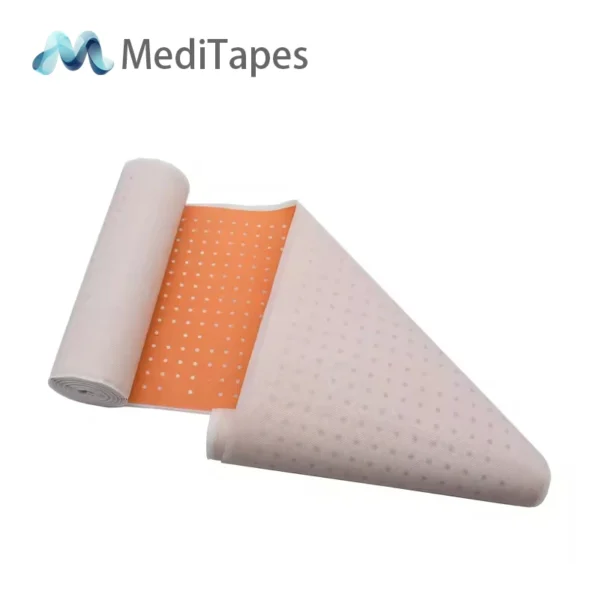
Porous Zinc Oxide Adhesive Plaster Tape – Easy Tear & High Adhesion
Experience the balance of strong hold and easy removal with our porous zinc oxide adhesive plaster. The perforated structure ensures air permeability, promoting wound healing. “Easy tear” edges allow quick application without scissors. A versatile adhesive plaster for general wound care.
Real-World Scenarios Where Quality Shines
Think about post-surgery dressings. You need tape that holds IV lines or bandages secure but removes without tugging fresh wounds. High-quality perforated adhesive plaster excels here – breathable to help healing, strong enough for days.
Or in elderly care: Gentle adhesion with residue-free removal prevents skin tears, which happen way too often with aggressive tapes.
We had a hospital group (keeping it anonymous) dealing with high return rates on dressings because tape failed. Switched to our perforated rolls, and issues dropped dramatically. Nurses loved the easy-tear perforations, patients liked no residue.
Sports teams use it for strapping – needs to survive sweat and movement without slipping.
Wrapping It Up: Your Next Steps for Smart Buying
By now, you probably have a solid idea what to hunt for in high-quality perforated adhesive plaster. Stick to this checklist, do those simple tests like checking adhesion strength and residue-free removal, and you’ll avoid most pitfalls.
If you’re ready to stock up on reliable stuff, check out our wholesale perforated adhesive plaster rolls. They’re designed with all these points in mind – even perforations, balanced adhesion, and clean removal.
Got questions or need samples? Drop us a line at info@meditapes.com or head to our contact page. We love chatting about specific needs and can hook you up with quotes quick.
Don’t settle for mediocre tape – your patients (and budget) will thank you.
Frequently Asked Questions
What’s the best way to test adhesion strength at home without fancy equipment?
Just stick a strip to clean skin or a smooth surface, press firmly for 30 seconds, then time how long it stays during normal activity. Peel it after 24 hours – if it held well but came off smooth, that’s solid. For more accuracy, compare brands side-by-side.
Will perforated plaster always leave less residue than non-perforated?
Not automatically – it depends on the adhesive formula. Perforations help breathability, but residue-free removal comes from quality glue. Always test removal on a small area first.
How do I know if a supplier’s medical tape quality control is legit?
Ask for certificates like ISO 9001 or test reports showing ASTM D3330 results. Reputable ones share this stuff freely. Also, check reviews from other medical buyers.
Is higher adhesion always better for perforated adhesive plaster?
Nope. Too strong can damage fragile skin, especially on kids or elderly. Aim for balanced – enough to hold dressings secure, but gentle on removal. Around 8-12 N/25mm works great for most medical uses.
Can cheap perforated plaster cause infections?
Indirectly, yeah. If it traps moisture or leaves residue that irritates, it raises risk. Proper breathability from good perforations helps prevent that.