Going through orthopedic surgery is no joke. Whether it’s a knee replacement, fixing a broken bone, or something like shoulder work, the real struggle often kicks in afterward. That swelling, the stiffness, the ache that just won’t quit – it can make you feel like recovery is dragging on forever. I’ve worked with tons of patients over the years, and one thing that consistently makes a difference? Good old foam tape. Yeah, it sounds simple, but when used right, foam tape in orthopedic recovery can change the game.
Swelling, or edema as the docs call it, is pretty much unavoidable after surgery. Your body floods the area with fluid to heal, but too much of it leads to pain, slower mobility, and even complications if it hangs around too long. That’s where stuff like compression bandage tape comes in, and foam tape takes it up a notch by adding cushioning without irritating your skin.
Let me break this down for you, based on what I’ve seen firsthand and what the research backs up. We’ll talk about how foam tape works in orthopedic recovery, why it’s often better than regular tapes, some real-world examples, and tips on using it as post-surgery tape or compression bandage tape.
What Exactly Is Foam Tape, Anyway?
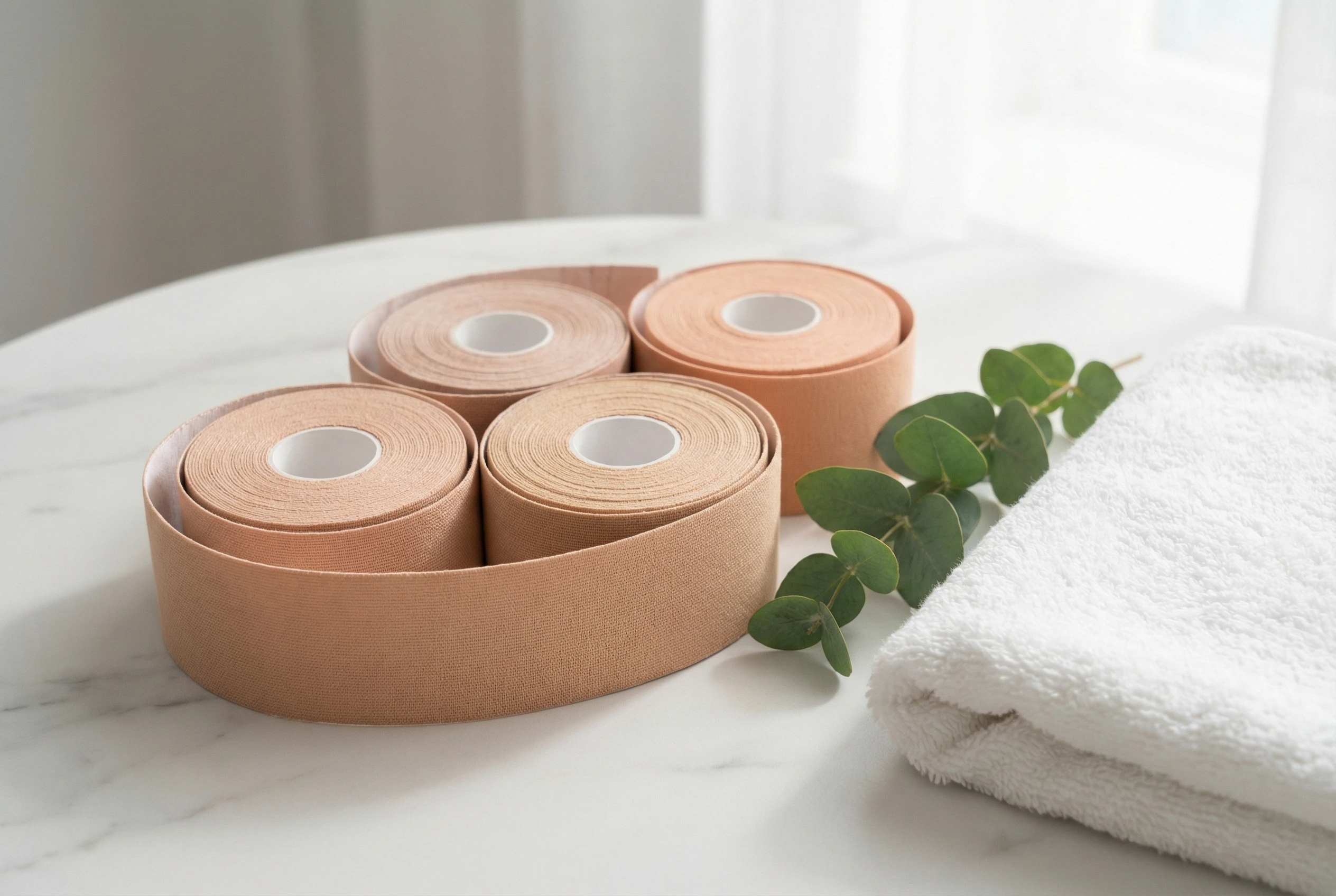
Foam tape isn’t your average sticky strip. It’s made from soft, elastic foam material – often polyurethane or similar – with a gentle adhesive on one side. The foam part provides padding, kinda like a built-in cushion, while the adhesive holds everything in place without pulling too harshly when you remove it.
In medical settings, surgical foam tapes are designed to be hypoallergenic, breathable, and sometimes water-resistant. That last bit is huge because after surgery, you might deal with drainage or sweat, and regular tape just falls apart or traps moisture. Products like the water-resistant surgical foam tape from MediTapes are built for exactly these scenarios – they stay put even if things get a little damp.
Why does this matter in orthopedic recovery? Bones and joints don’t heal in a vacuum. You need support around the surgical site to control movement, reduce swelling, and protect incisions. Foam tape does all that while feeling comfy against your skin.
The Big Deal: Reducing Swelling and Pain in Orthopedic Recovery
Post-surgery swelling is the enemy. Studies show it can delay healing, increase pain, and even raise risks like infection if it gets out of hand. One review on cold and compression therapy noted that combining compression with other methods often leads to better outcomes, like less pain med use after things like ACL surgery.
More specifically, compression therapy has solid evidence behind it. For example, a randomized study on patients after total knee arthroplasty found that using compression stockings reduced leg swelling significantly in the early days post-op – sometimes by a couple centimeters around the thigh and knee. Another pilot study after knee arthroscopy showed compression cut swelling when worn for 3-10 days, helping folks get back to rehab faster.
Now, tie that to foam tape. Foam acts as a padding layer in compression setups. Research on foam as a postoperative compression dressing highlights how it applies even pressure, minimizes skin movement, and cuts down on edema and bruising. The cushioning accommodates swelling as it comes and goes, unlike rigid tapes that might dig in.
In my experience, patients using foam tape as compression bandage tape report way less discomfort. One guy after hip replacement told me the padding made it feel like his bandage wasn’t strangling his leg – he could move a bit without that tight, throbbing feeling.
How Foam Tape Helps Manage Edema Better
Here’s the science bit, but I’ll keep it straightforward. When you apply gentle, consistent pressure with compression bandage tape layered over foam, it encourages fluid to move out of the tissues and back into circulation. A study on pneumatic compression after hip surgery showed reduced lower limb edema, and similar principles apply to tape-based compression.
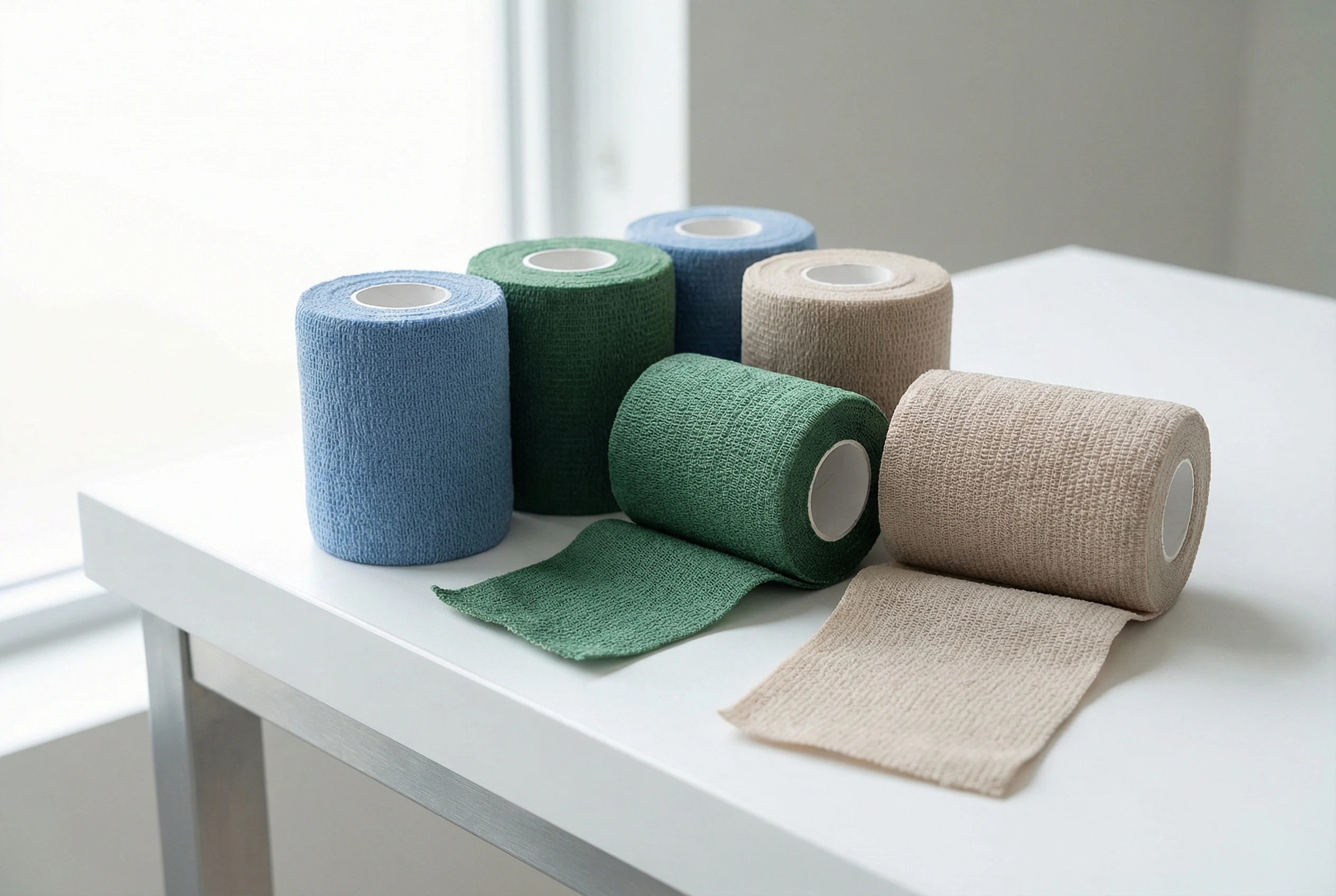
Foam adds that extra layer: it distributes pressure evenly, preventing hot spots that could cause blisters or pressure sores. Brands like 3M’s Microfoam tape are popular because they stretch multidirectionally to handle swelling changes without losing grip.
Real numbers? In one trial after ankle fracture surgery, compression therapy significantly reduced edema in most patients studied. Pair that with foam padding, and you get comfort plus effectiveness.
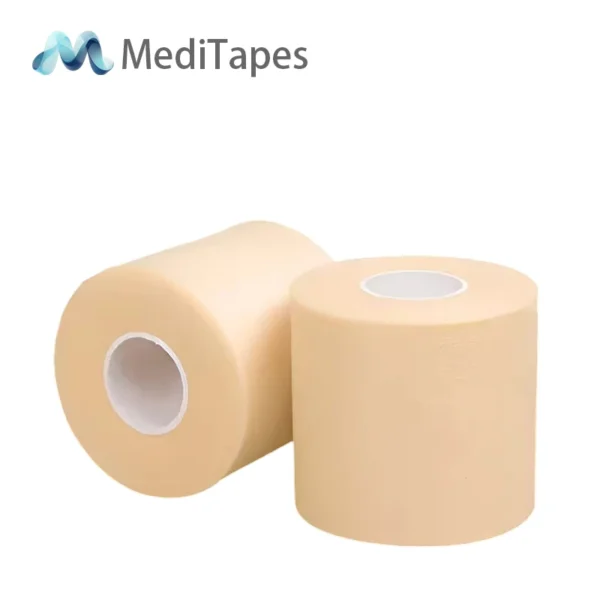
Water-Resistant Surgical Foam Tape for Joint Dressing – OEM Available
Custom Water-Resistant Surgical Foam Tape available for OEM branding. Designed specifically for joint dressing, this surgical foam tape moves with the patient without peeling. Provides a barrier against moisture and bacteria. Contact us for competitive B2B pricing and private labeling.
Foam Tape as Post-Surgery Tape: Skin Protection and Comfort
Skin issues are super common after orthopedic procedures. Incisions are tender, and regular adhesive tapes can cause irritation, blisters, or even tears when removed. Foam tape shines here as post-surgery tape because it’s gentle.
The adhesive is usually hypoallergenic, and the foam barrier protects sensitive skin. I’ve seen it used under cohesive bandages or directly on incisions to secure dressings without trauma.
Water resistance is another win. Showering or light activity won’t make it peel off prematurely. That’s why options like MediTapes’ water-resistant version are great for orthopedic recovery – patients can keep moving without constant re-taping.
Comparing Tape Options for Orthopedic Recovery
To make this clearer, here’s a quick table comparing foam tape to some common alternatives:
| Feature | Foam Tape | Traditional Cloth Tape | Elastic Adhesive Tape | Cohesive Bandage (No Adhesive) |
|---|---|---|---|---|
| Cushioning/Padding | Excellent (built-in foam layer) | Minimal | Some stretch, but no padding | None, relies on layers |
| Skin Irritation Risk | Low (hypoallergenic options) | Higher on removal | Medium | Low |
| Handles Swelling | Great (multidirectional stretch) | Poor | Good | Good |
| Water Resistance | Often yes (like MediTapes version) | No | Sometimes | Varies |
| Best For | Compression bandage tape, padding | Basic securing | Support wrapping | Outer layer compression |
| Comfort During Recovery | High | Medium | Medium-High | High |
As you can see, foam tape in orthopedic recovery often comes out on top for comfort and versatility, especially when you need something that works as both padding and post-surgery tape.
Real-Life Applications and Anonymous Case Stories
Over the years, I’ve helped apply foam tape in all sorts of orthopedic scenarios. Let’s talk a few anonymized examples to show how it plays out.
One patient, mid-50s, had knee replacement. Standard bandaging left her with bad swelling and skin redness after a week. We switched to foam underwrap with compression bandage tape on top. Swelling dropped noticeably within days, and she said the cushioning made sleeping easier – no more sharp edges digging in.
Another was a younger athlete post-ankle reconstruction. He needed to start light weight-bearing early. Using water-resistant foam tape as post-surgery tape kept dressings secure during physio, and the padding prevented blisters from his brace. He got back to jogging weeks ahead of similar cases I’d seen without it.
Then there was an older lady after shoulder surgery. Mobility was limited, so tape changes were tough. Foam tape stayed put longer, reduced her pain from pulling, and let her focus on rehab exercises.
These aren’t rare – compression with foam padding consistently helps reduce complications, like in studies showing lower postoperative issues with non-elastic bandages.
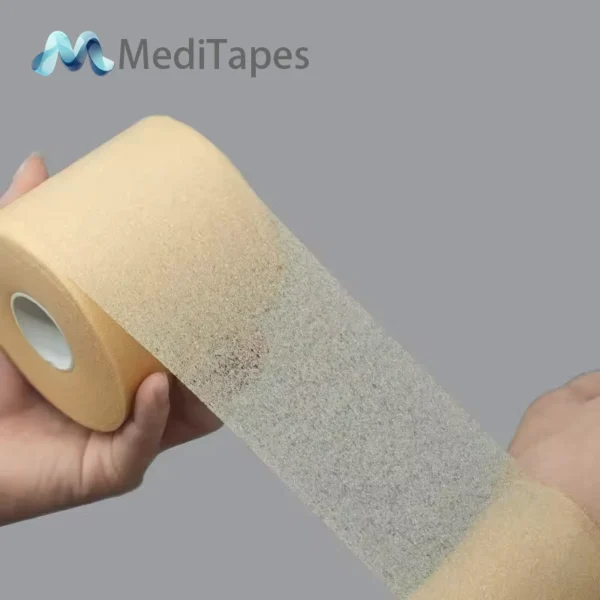
Waterproof Surgical Foam Tape for Wound Care – High Elasticity
Our Waterproof Surgical Foam Tape offers superior multi-direction stretch, perfect for securing dressings on joints. This high elasticity surgical foam tape is water-resistant and hypoallergenic, ensuring patient comfort during recovery. Ideal for challenging orthopedic applications.
Step-by-Step: Using Foam Tape in Your Orthopedic Recovery
If you’re dealing with this yourself or helping someone, here’s how to make foam tape work as compression bandage tape or post-surgery tape.
- Clean and Dry the Area: Always start with clean skin. Pat dry gently.
- Apply Foam Layer First: Cut strips of foam tape and wrap lightly around the surgical site for padding. Overlap slightly but don’t pull tight yet.
- Add Compression if Needed: Layer cohesive or elastic bandage over the foam for pressure. Aim for snug, not cutting off circulation – you should fit a finger underneath.
- Secure Dressings: For incisions, use foam tape directly to hold gauze without sticking to wounds.
- Check Regularly: Look for numbness, tingling, or excessive tightness. Adjust as swelling changes.
- Removal Tip: Peel slowly, supporting the skin. Soak in warm water if needed.
Pro tip: Go for quality like the MediTapes water-resistant surgical foam tape – it’s designed for these exact uses and holds up better during daily life.
Why Choose Specialized Foam Tape for Orthopedic Recovery?
Not all tapes are equal. Cheap ones might save a buck but irritate skin or lose stickiness fast. Medical-grade foam tapes, especially water-resistant ones, are worth it. They conform to joints, breathe to prevent maceration, and provide that crucial cushioning.
At MediTapes, we’ve focused on tapes that make recovery smoother. Our water-resistant surgical foam tape is hypoallergenic, stretches nicely, and handles moisture – perfect for orthopedic patients who want to stay active.
Common Myths and Facts About Foam Tape in Recovery
Myth: All tapes work the same for compression.
Fact: Foam adds padding that prevents pressure points, backed by uses in postoperative dressings.
Myth: Compression always hurts.
Fact: With foam underneath, it’s often more comfortable, as patients in trials reported less pain.
Myth: You can’t shower with tape on.
Fact: Water-resistant options let you keep going without issues.
FAQ: Your Questions on Foam Tape in Orthopedic Recovery Answered
What’s the main role of foam tape in orthopedic recovery?
Foam tape provides cushioning, skin protection, and support for compression. It helps manage swelling, secures dressings as post-surgery tape, and makes the whole process more comfortable without harsh adhesion.
How does compression bandage tape with foam help reduce swelling?
It applies gentle, even pressure to move excess fluid away from the surgical site. Studies, like those after knee or ankle surgeries, show significant edema reduction – often by measurable centimeters in the first weeks.
Is post-surgery tape like foam safe for sensitive or swollen skin?
Absolutely, especially hypoallergenic and padded versions. The foam barrier cuts irritation risk, and multidirectional stretch accommodates changes in swelling without digging in.
How long should I use foam tape during recovery?
It varies, but often 1-4 weeks post-op, depending on your doctor’s advice. Some studies suggest benefits peak in the first 10 days for swelling control.
Can I use regular athletic foam tape instead of medical one?
Better to stick with surgical-grade for sterility and skin safety. Options like MediTapes’ are made for medical use.
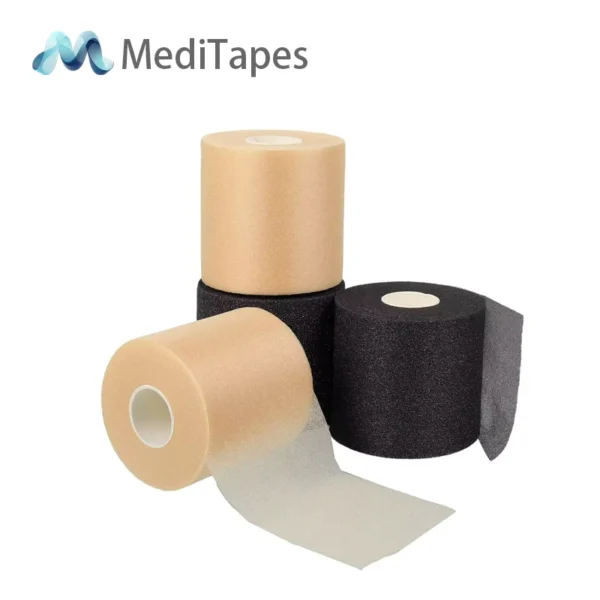
Hypoallergenic Micro-Foam Surgical Tape – Breathable & Latex-Free
This Hypoallergenic Micro-Foam Surgical Tape is designed for sensitive skin. The breathable, latex-free material prevents maceration while providing strong adhesion. As a premium surgical foam tape, it conforms easily to body contours, making it essential for long-term clinical wear.
Wrapping It Up: Make Your Orthopedic Recovery Easier
Foam tape in orthopedic recovery isn’t flashy, but it’s a quiet hero. From cutting down swelling with compression bandage tape setups to gentle holding as post-surgery tape, it tackles the toughest parts of healing – pain, discomfort, and slow progress.
If you’ve got surgery coming up or you’re in the thick of recovery, the right tape can make things alot smoother. We’ve got great options at MediTapes that patients rave about.
Curious about how our water-resistant surgical foam tape could help you? Drop by our site at https://meditapes.com/ or hit up the contact page for a chat. You can email us directly at info@meditapes.com for quotes or questions. We’d love to help you get through this stronger.
Take it easy on that recovery – you’ve got this.