If you are a B2B buyer looking to source a high-quality sterile elastic crepe bandage, you have probably realized that the medical supply chain is a bit of a minefield right now. It is not just about finding the lowest price per roll anymore. Customs regulations, changing compliance laws, and strict hospital standards mean that getting a standard sterile elastic crepe bandage through customs can feel like trying to run through a brick wall.
I have spent years working with distributors in Europe, the Americas, and the Middle East, and I’ve seen massive shipments of medical supplies get seized at the port simply because of a tiny typo on a document, or because the factory used a self-declared CE mark instead of an audited one. That is why importing a sterile elastic crepe bandage requires more than just finding a cheap supplier on an online directory. You need a partner who understands the real-world headache of medical compliance. If you are a purchasing manager, you know that importing a sterile elastic crepe bandage without the right certifications is a gamble you cannot afford to take. A single delayed shipment can ruin your reputation with local hospitals. Before you buy your next batch of sterile elastic crepe bandage rolls, let’s break down exactly what you need to look for, how to calculate the actual quality of the product, and how to make sure your container sails through customs without a single hiccup.
What Actually Makes a Sterile Elastic Crepe Bandage “Sterile”?
Let’s look at the basic science here. The distinction between a standard crepe and a sterile elastic crepe bandage is not just a fancy sticker on the box. It is about a controlled manufacturing environment and a rigorous sterilization process.
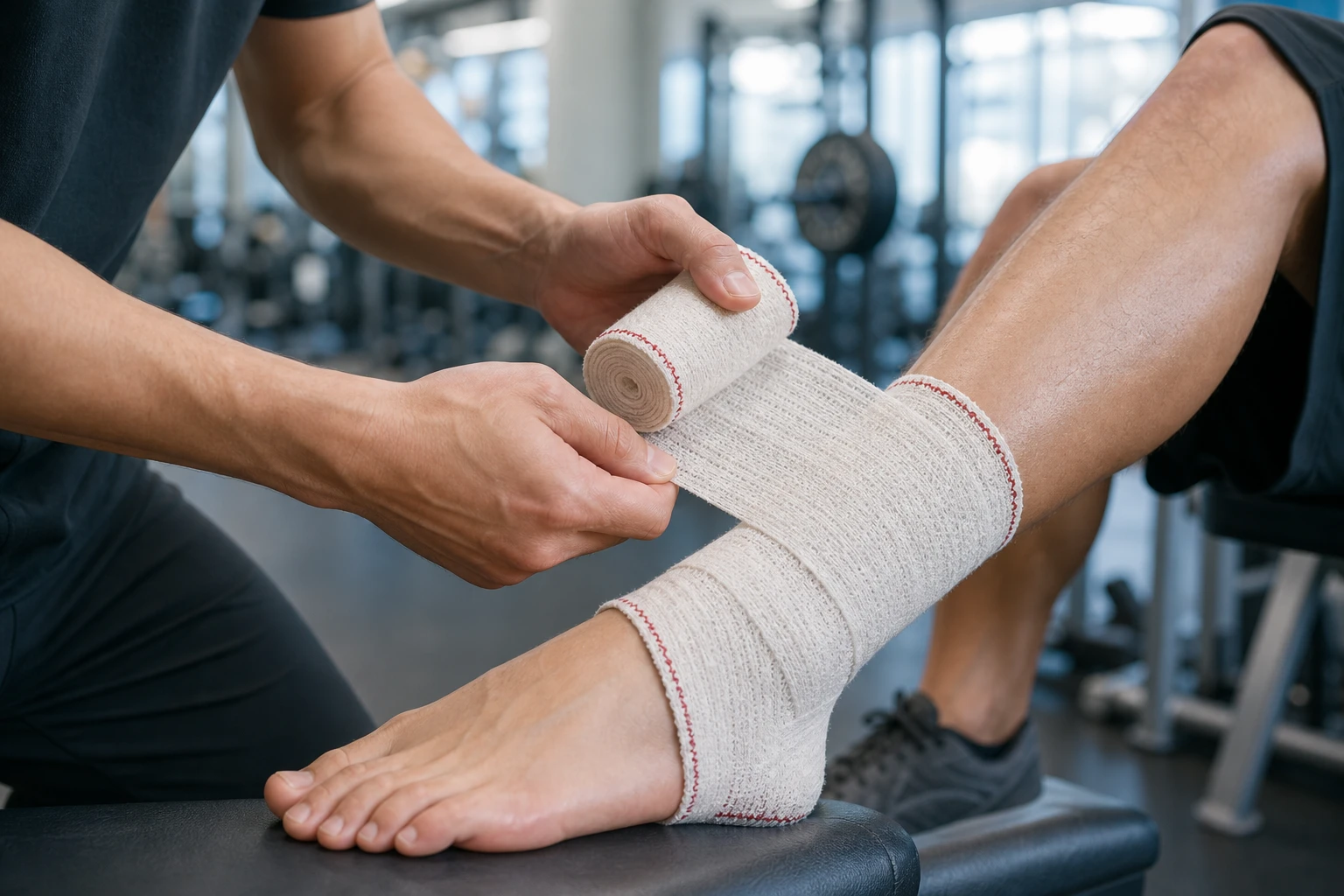
Most medical facilities require a sterile elastic crepe bandage roll for post-operative care, wound dressing retention, and compression therapy where the skin barrier might be compromised. The packaging of a sterile elastic crepe bandage must retain its integrity until the moment it is opened in an operating room or clinic.
When you source a sterile elastic crepe bandage, the manufacturing facility must utilize Ethylene Oxide (EO) sterilization. EO gas is the standard because it penetrates deeply into the fabric without damaging the elastic fibers. What makes a premium sterile elastic crepe bandage stand out is the aeration process. After the gas treatment, the bandages must sit in a heated aeration chamber to let the residual gas evaporate. If a manufacturer rushes this step to save money, you end up with chemical residues that can cause skin irritation or chemical burns. That is a massive recall nightmare waiting to happen.
Also, each sterile elastic crepe bandage is individually sealed in a medical-grade paper-film pouch. This blister packaging acts as a physical barrier. Why does this matter? Because a sterile elastic crepe bandage that loses its sterility due to poor packaging is nothing more than an expensive piece of waste.
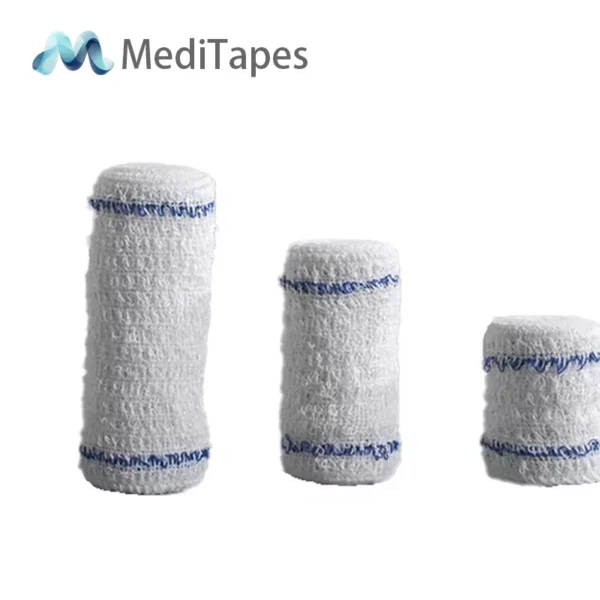
Vendaje de crepé elástico color piel para el tratamiento de venas varicosas
Venda de crepé elástica color piel para venas varicosas | Meta descripción de MediTapes: Vendas de crepé elásticas color piel al por mayor para el tratamiento de venas varicosas y control de edemas. Rollos de compresión discretos y transpirables disponibles en varios anchos. MediTapes ofrece precios directos de fábrica para suministros de soporte vascular. Contáctenos para pedidos al por mayor.
The Compliance Nightmare: MDR, FDA, and ISO13485 Explained Simply
For any B2B buyer, importing a sterile elastic crepe bandage into Western markets is where things get really complicated. Let’s look at the actual laws, because this is where most importers get burned.
Europe and the EU MDR (Medical Device Regulation)
If you are shipping a sterile elastic crepe bandage to the European Union, the rules have changed drastically with the full implementation of the MDR (EU 2017/745). Previously, under the old MDD, many manufacturers could self-declare their products. Not anymore. A sterile elastic crepe bandage is classified as a Class Is (Class I Sterile) device.
This “s” makes a world of difference. It means the manufacturer cannot just print a CE mark on the box. They must be audited by a Notified Body (like TÜV SÜD or SGS) specifically for their sterilization processes. The CE certificate must display the Notified Body’s 4-digit identification number. Buying a sterile elastic crepe bandage without this Notified Body number on the certificate means your cargo will likely be confiscated at Rotterdam or Hamburg.
The United States and the FDA
For the US market, a sterile elastic crepe bandage falls under the FDA’s regulation. While elastic bandages are generally 510(k) exempt, the manufacturer still has to go through establishment registration and device listing. If the FDA database does not show that the factory listed your sterile elastic crepe bandage properly, the US Customs and Border Protection (CBP) will flag and hold the shipment at the port of entry.
The Middle East (SFDA & MoH)
If you import a sterile elastic crepe bandage into Middle Eastern countries like Saudi Arabia or the UAE, you will need to register the product with the Saudi FDA (SFDA) or the local Ministry of Health. They often require a Certificate of Free Sale (CFS) from the country of origin, along with a validated ISO 13485 certificate. Partnering with a verified ISO13485 bandage factory means your sterile elastic crepe bandage shipments will clear these regulatory hurdles with ease because all the quality management systems are already aligned with international standards.
Technical Specs: Beyond the Pretty Packaging
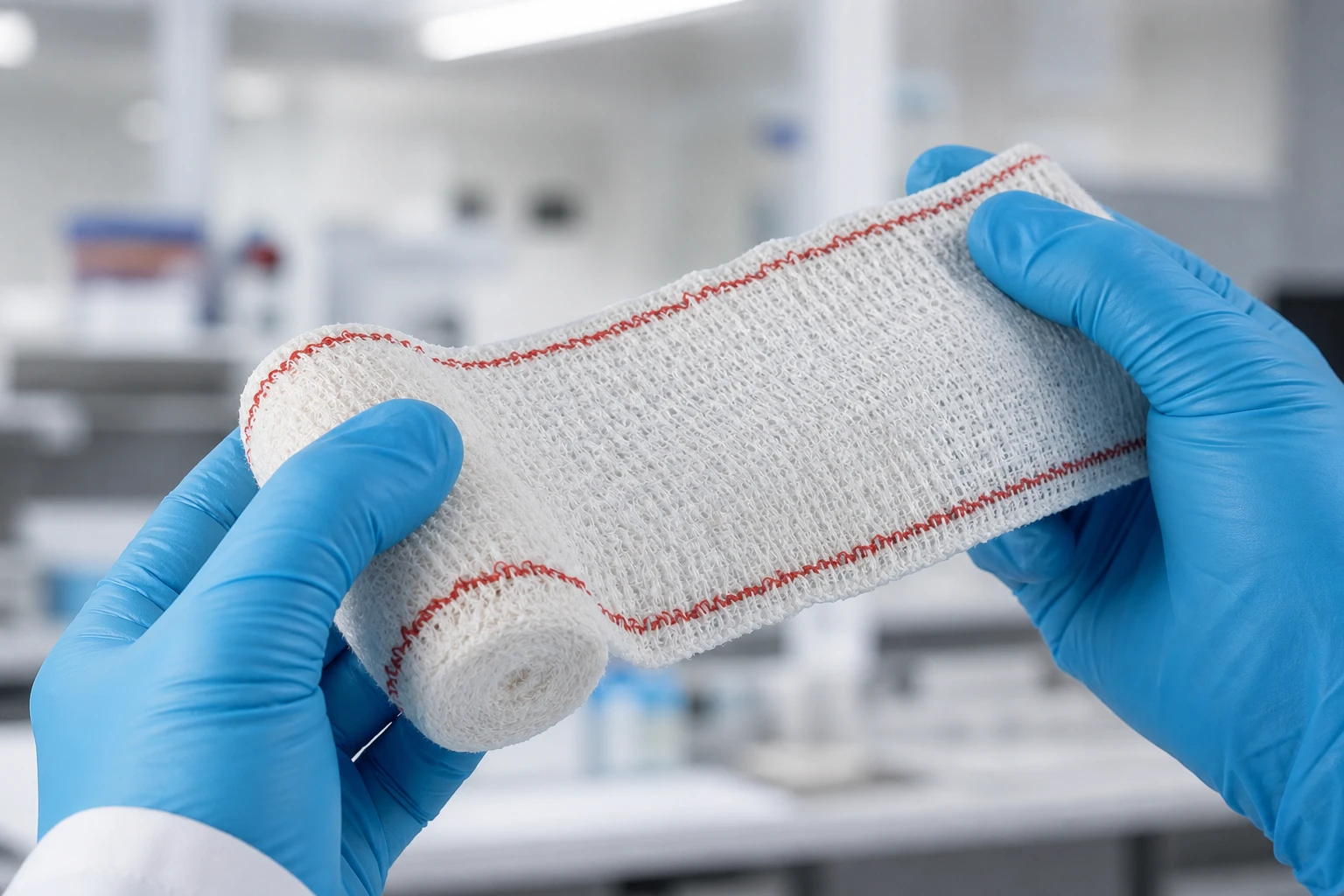
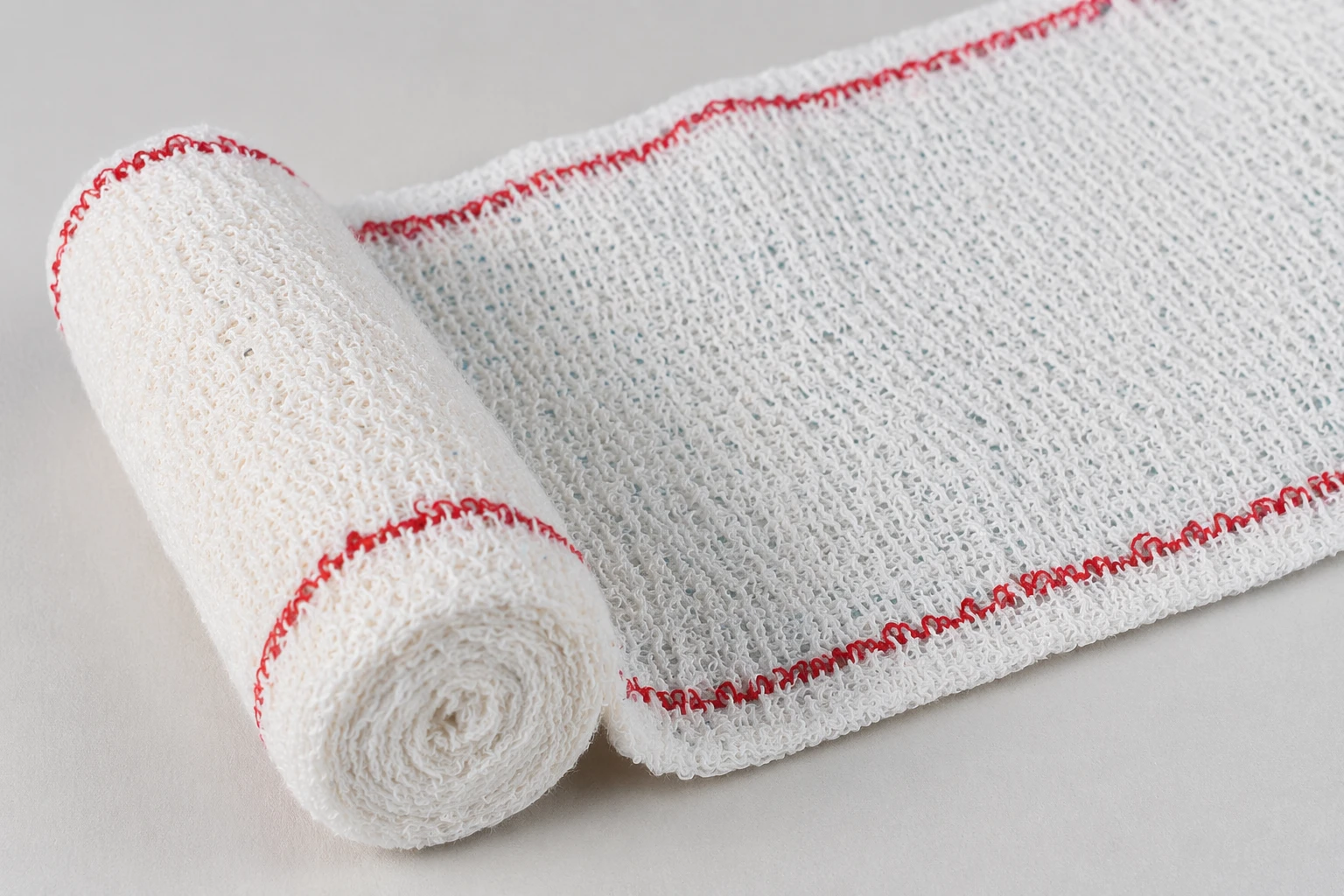
Let’s get into the nitty-gritty of the fabric. When checking the technical sheet of a sterile elastic crepe bandage, look at the material composition. The standard blend is cotton mixed with spandex or polyester.
Una buena sterile elastic crepe bandage should have a stretch ratio of at least 100% to 140%. This elasticity is what provides the necessary compression. If the bandage stretches too easily, it won’t offer any support. If it is too stiff, it cuts off circulation.
The cotton content is also critical. High-quality certified medical bandages use at least 80% cotton. This keeps the sterile elastic crepe bandage breathable and prevents sweat buildup under the wrapping, which can lead to bacterial growth.
To check if your sterile elastic crepe bandage actually meets the promised specifications, you need to calculate its Grams per Square Meter (GSM). Let’s use a simple physical calculation that any quality control manager should know:
GSM = Weight of Roll in grams / (Stretched Length in meters * Width in meters)
Let’s do a quick, real-world calculation. Say you get a sample of a sterile elastic crepe bandage that is 10 cm wide and has a stretched length of 4.5 meters. When you put the unrolled, relaxed fabric on a scale, it weighs exactly 36 grams.
Width = 0.10 meters
Stretched Length = 4.5 meters
Area = 0.10 * 4.5 = 0.45 square meters
GSM = 36 / 0.45 = 80 g/m2
Una de calidad superior sterile elastic crepe bandage usually has a GSM of 75 to 110 g/m2. If your calculation shows a GSM of 50 or 60, the manufacturer is cutting corners on the thread count, and the bandage will lose its elasticity after just one use.
When you test a sterile elastic crepe bandage sample, use this simple formula to check the actual stretch ratio:
Stretch Ratio % = ((Stretched Length – Relaxed Length) / Relaxed Length) * 100
If a 2-meter relaxed bandage stretches out to 4.4 meters, the math looks like this:
((4.4 – 2) / 2) * 100 = 120%
This is a solid, industry-standard elasticity that ensures proper compression.
Let’s look at a quick comparison table of what a reliable B2B supplier should offer:
| Característica / Especificación | Standard Quality | Premium Quality (MediTapes) |
|---|---|---|
| Composición del material | 60% Cotton, 40% Polyester | 85% Cotton, 15% Spandex |
| GSM (Weight) | 60 – 70 g/m2 | 85 – 100 g/m2 |
| Relación de estiramiento | 80% – 100% | 120% – 140% |
| Método de esterilización | Gamma or basic heat | Ethylene Oxide (EO) with full aeration |
| Pouch Material | Cheap plastic film | Medical-grade paper/film blister |
| Regulatory Compliance | Self-declared CE only | EU MDR Class Is (Notified Body audited), FDA |
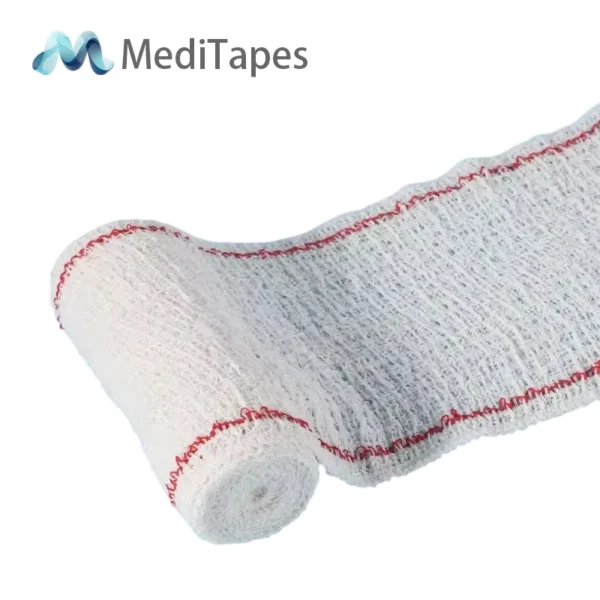
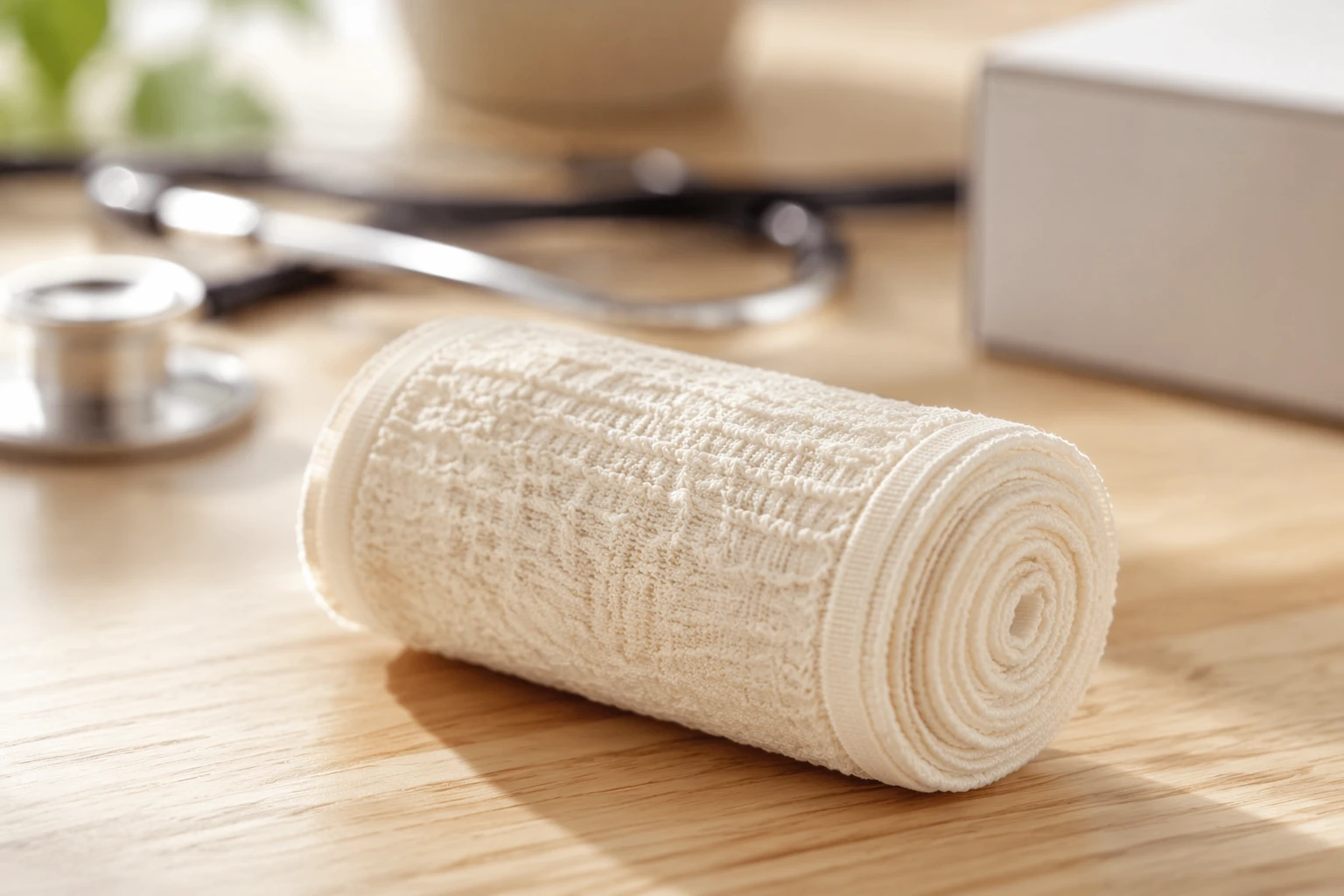
Rollo de vendaje de crepé elástico estéril con clips – Disponibilidad OEM
Vendaje de crepé elástico estéril certificado con clips metálicos o elásticos seguros. Ofrecemos personalización OEM para el tamaño y el embalaje. Este vendaje de crepé elástico de alta calidad garantiza una protección estéril para heridas quirúrgicas. Su retención confiable y textura suave lo hacen esencial para botiquines de primeros auxilios.
Sourcing Pitfalls: How to Vet an ISO13485 Bandage Factory
Many B2B buyers search for an ISO13485 bandage factory to buy a sterile elastic crepe bandage, but they make one critical mistake: they assume every factory that shows them a certificate is telling the truth.
The sad reality is that faked certificates are rampant in the medical textiles industry. A supplier might send you a beautifully designed PDF, and they claim their sterile elastic crepe bandage is certified. But when your shipment arrives at the border, the customs officer plugs the certificate number into the official EU database (like NANDO) and finds out the certificate is either expired, forged, or belongs to a completely different company.
If you want a truly reliable sterile elastic crepe bandage, you need to do some active vetting. Here is a simple checklist:
- Verify the Certificate Issuer: Ensure the ISO 13485 and CE certificates are issued by an accredited registrar (like SGS, TÜV, or BSI). If the certificate is issued by an obscure, unknown agency, customs will likely flag it.
- Ask for the Sterilization Validation Report: Ask them directly: “Can you show me the sterile validation report for this sterile elastic crepe bandage?” A real factory will have a detailed report detailing the bioburden testing, EO gas concentration, chamber temperature, and biological indicator results. If they hesitate or send you a generic one-page sheet, run away.
- Request Raw Material Certifications: A factory that actually makes a sterile elastic crepe bandage will have clear traceability for their cotton and elastic yarns. They should easily provide test reports showing the pH level of the fabric (it should be skin-neutral, around 5.5 to 7.0) and the absence of harmful optical brighteners.
Logistics and Customs Clearance: Keeping Your Cargo Out of Quarantine
Let’s talk about the logistics side. Even if you have the perfect product, getting your sterile elastic crepe bandage cargo out of the port can be a nightmare if your paperwork isn’t immaculate.
When you are importing medical supplies, your paperwork must be a perfect mirror of what is on the shipping boxes. The essential documents for a sterile elastic crepe bandage shipment include:
- Bill of Lading (BL)
- Commercial Invoice (specifying the medical device registration numbers)
- Lista de empaque
- Certificate of Analysis (CoA)
- Sterilization Certificate (specifying the batch numbers and sterilization date)
If the batch number on your sterile elastic crepe bandage box doesn’t match the batch number on the sterilization certificate, the customs inspector will assume the product was not sterilized. They will put the entire container into quarantine, and you will be stuck paying thousands of dollars in daily demurrage fees.
Also, pay close attention to the shipping cartons. Medical shipments can get damp during ocean transit. If the outer cartons get soft and tear, the inner sterile pouches can get punctured. Once a pouch is punctured, that sterile elastic crepe bandage is no longer sterile. Always insist that your supplier uses heavy-duty, 5-ply corrugated export cartons and wraps the pallets in thick stretch film with desiccants inside.
Real-World Scenario: A European Distributor’s Near-Disaster
Let me share a quick story. A distributor in Germany ordered 50,000 rolls of sterile elastic crepe bandage from a cheap, unverified supplier they found online. The supplier promised that everything was fully compliant.
When the container arrived at the port of Hamburg, the customs authorities ran a routine inspection. They asked for the CE certificate. The supplier sent a self-declaration CE mark, thinking it was enough. Because a sterile elastic crepe bandage is Class Is under the EU MDR, the customs officers immediately flagged it as non-compliant. They refused to clear the cargo.
Their entire shipment of sterile elastic crepe bandage rolls got held up, and the port authorities threatened to destroy the cargo at the importer’s expense. The distributor was facing a massive financial loss and was about to miss a major hospital tender deadline.
They quickly reached out to us to get a compliant sterile elastic crepe bandage supply. We were able to expedite a production run of our fully audited, MDR-compliant bandages, supply the complete technical file including the Notified Body certificates, and ship it out via air freight to save their contract. They ultimately switched their sourcing to our sterile elastic crepe bandage line permanently because they realized that saving a few cents per roll wasn’t worth risking their entire business.
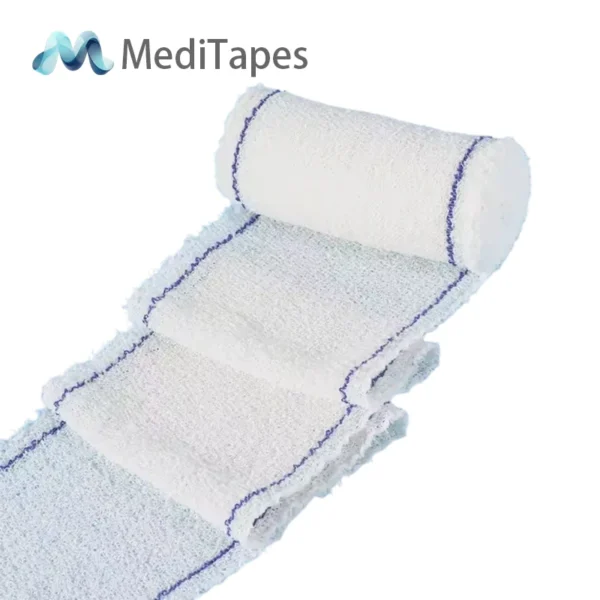
Vendaje de crepé elástico de algodón médico para el cuidado y soporte de heridas
Nuestra venda elástica de crepé de algodón médico ofrece una transpirabilidad superior y una compresión constante. Ideal para fijar apósitos y dar soporte a distensiones. Esta venda elástica de crepé es lavable, reutilizable y proporciona un agarre firme sin deslizarse. Perfecta para clínicas profesionales de cuidado de heridas.
Frequently Asked Questions (FAQs)
Q1: What is the shelf life of a sterile elastic crepe bandage?
A typical EO-sterilized sterile elastic crepe bandage has a shelf life of 3 to 5 years, depending on the packaging material. The medical-grade paper-film pouch is designed to maintain a complete sterile barrier as long as the packaging remains dry, unopened, and undamaged. We always print the sterilization date and expiration date clearly on each individual pouch so that hospital staff can easily verify the sterile integrity before use.
Q2: Can I get a customized size for a sterile elastic crepe bandage?
Yes, absolutely. While the standard market sizes are 5cm, 7.5cm, 10cm, and 15cm widths with a stretched length of 4m or 4.5m, we customize every sterile elastic crepe bandage according to your specific market demands. We can adjust the cotton-to-spandex ratio, the GSM, the color of the weaving line (traditionally red or blue), and the packaging design to match your brand’s style guide.
Q3: Why is a sterile elastic crepe bandage classified differently than non-sterile?
A non-sterile bandage is Class I, while a sterile elastic crepe bandage is Class Is (Sterile). Because the sterile version is designed to be used in sterile environments or directly over wound dressings, the manufacturing, packaging, and sterilization processes present a higher risk to the patient if done incorrectly. Therefore, regulatory bodies like the EU require an independent Notified Body to audit the sterilization facilities and documentation, whereas non-sterile bandages only require self-declaration.
Q4: How can I verify if a sterile elastic crepe bandage is truly CE compliant?
You should always ask the supplier for their CE certificate and look for the 4-digit Notified Body number next to the CE logo. Then, you can visit the European Commission’s NANDO database to search for that specific Notified Body and verify that they are accredited to issue certificates under the new EU MDR 2017/745 for Class Is devices. A transparent manufacturer will easily provide this data so you can import your sterile elastic crepe bandage without any risk.
Partner With MediTapes for Your Next Shipment
Elegir el fabricante de sterile elastic crepe bandage for your B2B inventory doesn’t have to be a stressful, document-heavy nightmare. When you partner with MediTapes, you are not just getting a box of bandages. You are securing a streamlined supply chain backed by an ISO13485 bandage factory that genuinely understands international medical compliance.
We specialize in producing high-quality, fully certified sterile elastic crepe bandage rolls that meet the strict requirements of EU MDR, US FDA, and Middle Eastern health authorities. Our team handles the regulatory heavy lifting so you can focus on growing your business and keeping your clients happy.
Are you ready to stop worrying about customs delays and inconsistent product quality? Let’s talk. You can póngase en contacto con nuestro equipo directamente a info@meditapes.com or visit our website to request free samples and get an instant wholesale quote. Let’s make your next import shipment your smoothest one yet!