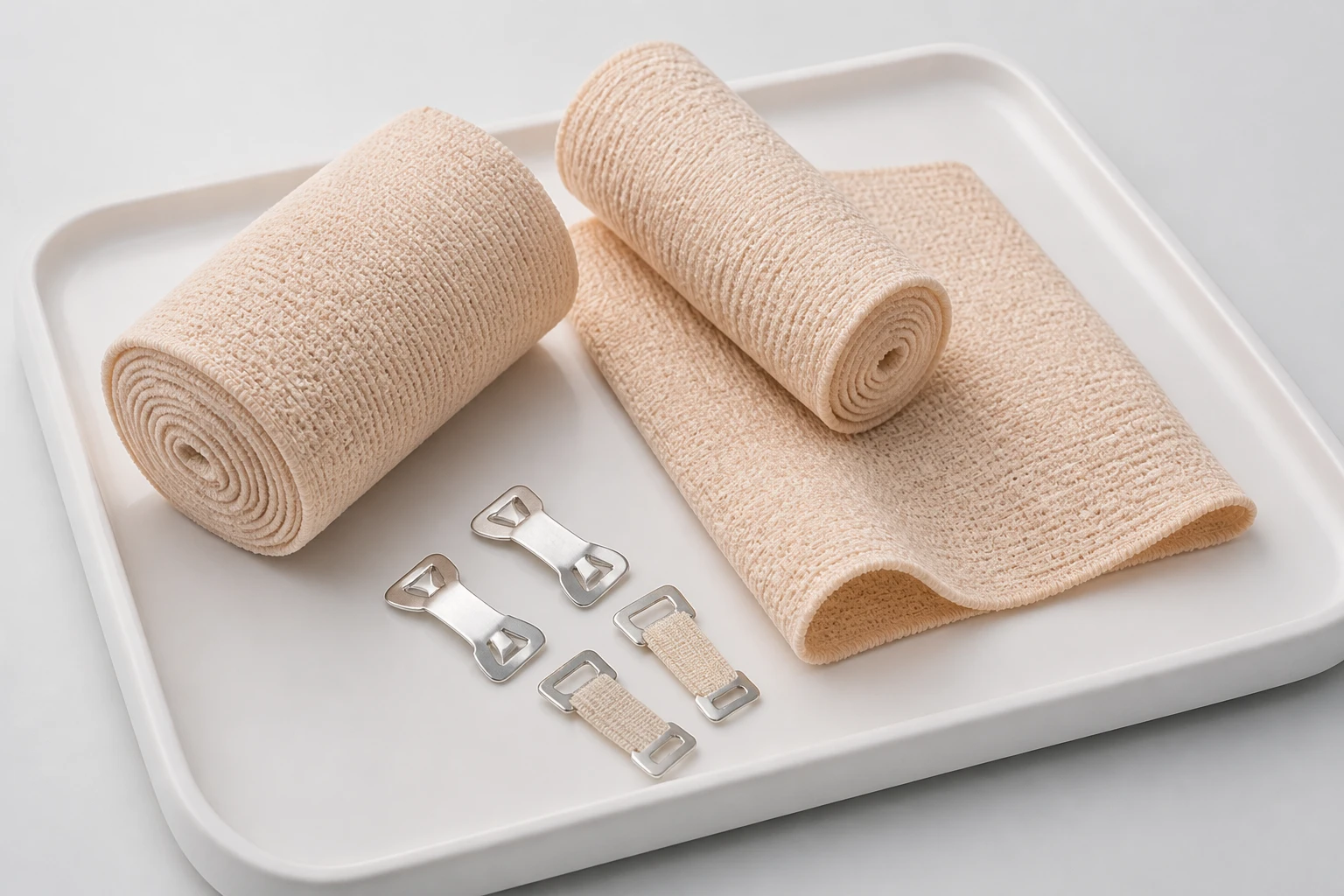
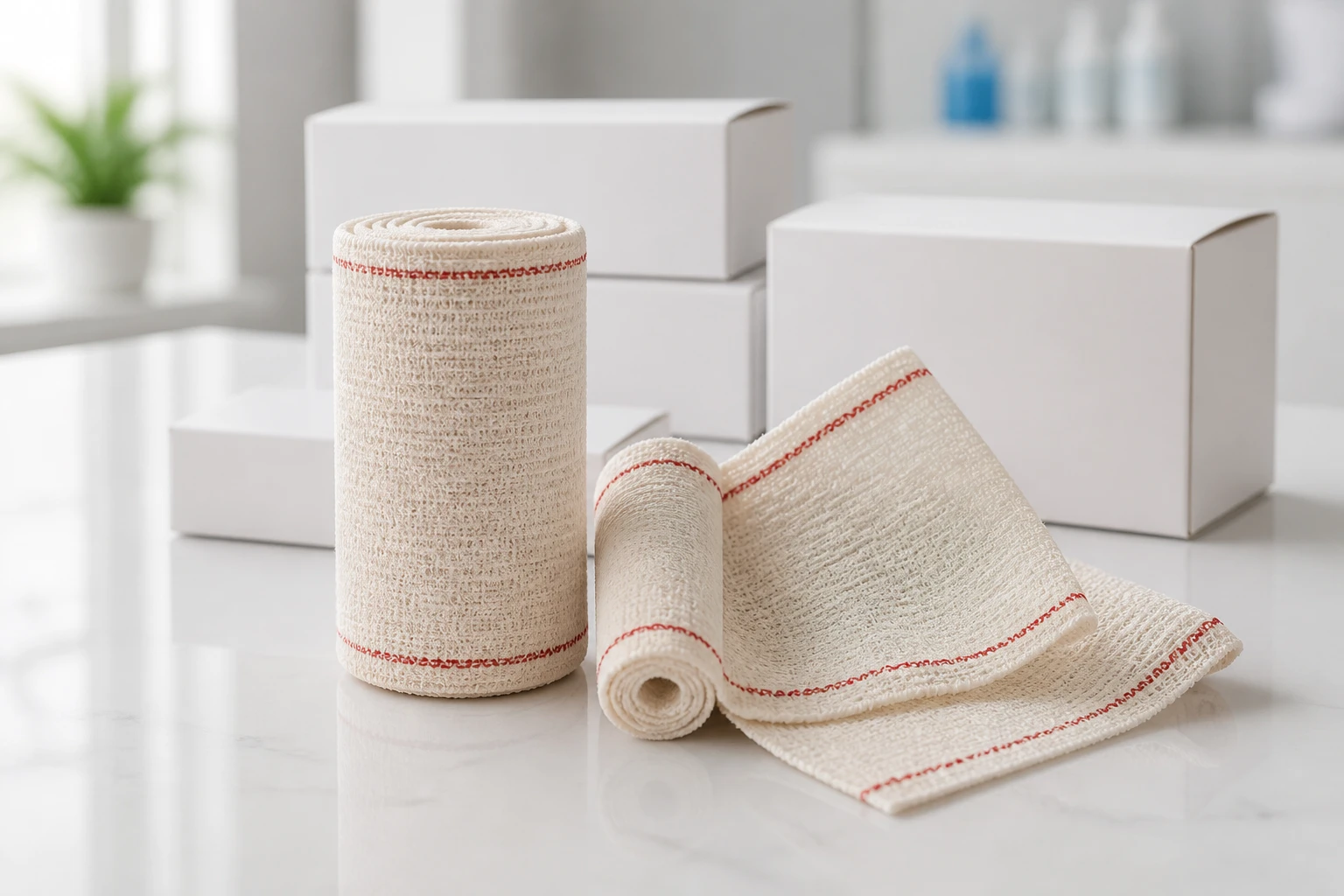
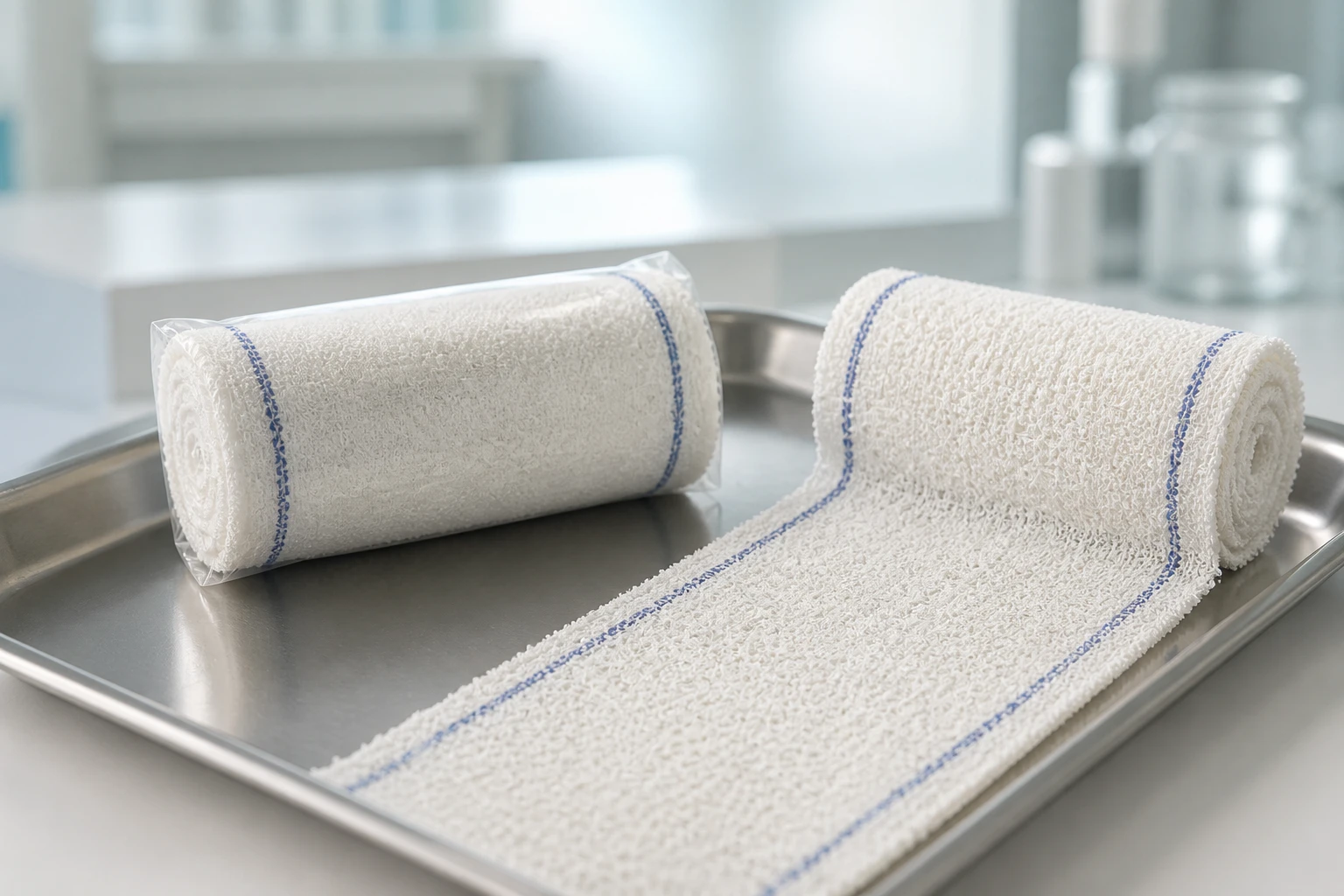
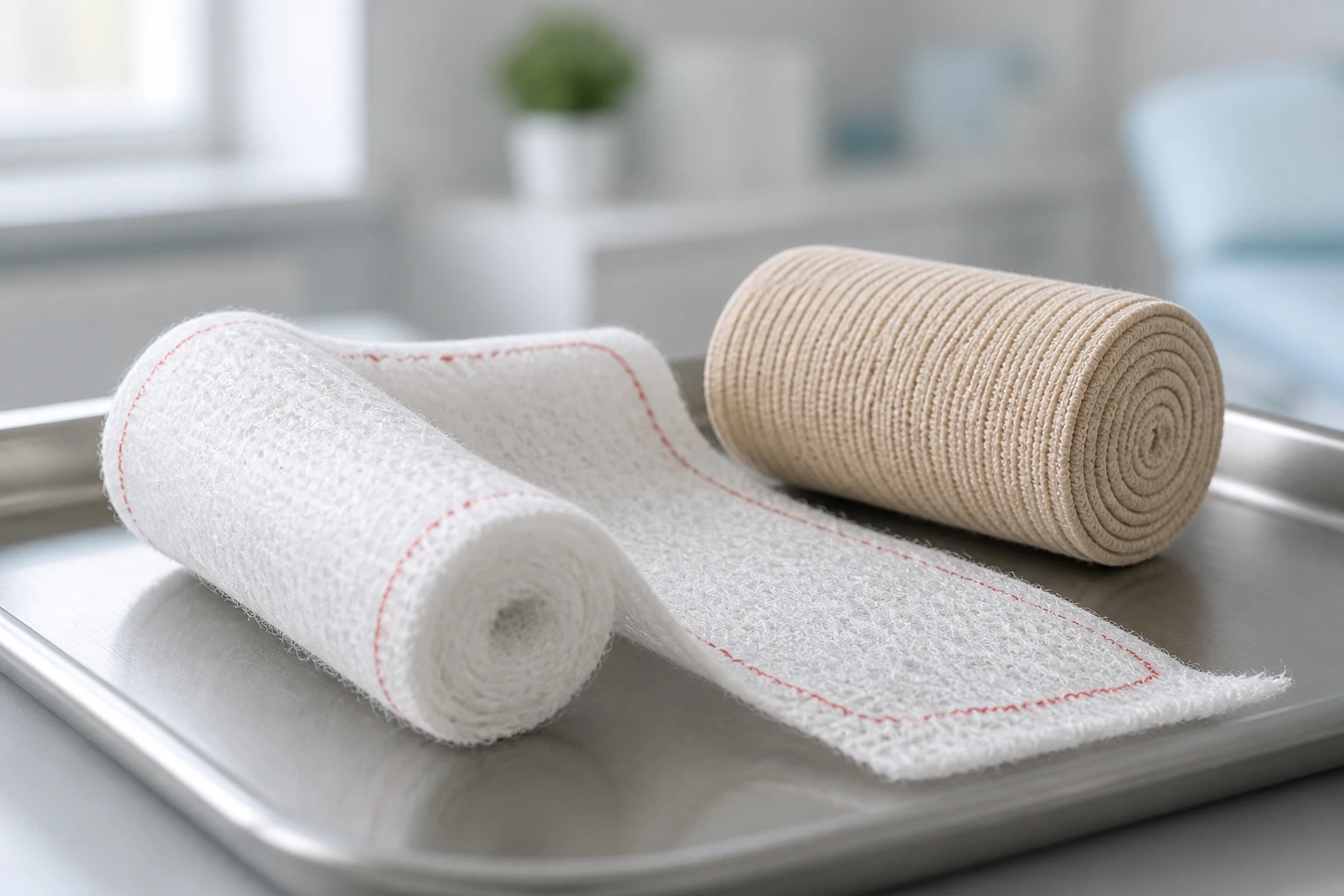
Si dirige un hospital veterinario concurrido, ya conoce el procedimiento. Llegan perros y gatos, les coloca una venda cohesiva normal para sostener una vía intravenosa o cubrir una herida, y cinco minutos después la están masticando o lamiendo. Eso conlleva reinicios, infecciones, tiempo adicional del personal y técnicos frustrados. Ahí es exactamente donde entran en juego las vendas cohesivas de sabor amargo. Se adhieren como las vendas veterinarias normales pero incorporan un sabor amargo, seguro y desagradable, que detiene en seco la mayoría de los lamidos y mordiscos.
He suministrado materiales para docenas de clínicas a lo largo de los años, y estas se han convertido en uno de los cambios más inteligentes que realizamos para los hospitales de mascotas de grandes cadenas. Resuelven puntos de dolor reales: seguridad de los catéteres intravenosos en perros, manejo de hotspots en mascotas, vendajes postquirúrgicos para mascotas y más. En este artículo, le guiaré a través de las cinco aplicaciones clínicas principales, por qué funcionan en entornos hospitalarios reales y algunos consejos prácticos que podrá utilizar mañana mismo. Sin rellenos: solo lo que realmente mejora los resultados de los pacientes y sus beneficios netos.
También incluiremos cifras reales de estudios veterinarios, porque los números no mienten cuando se intenta justificar un pedido al por mayor ante el equipo de adquisiciones. Y sí, le mostraré cómo la serie de vendas autoadhesivas de MediTapes se integra perfectamente en su flujo de trabajo. Entremos en detalles.
1. Asegurar catéteres intravenosos: el mayor ahorro de tiempo en las rondas diarias
Los catéteres intravenosos periféricos se colocan constantemente en los hospitales veterinarios, pero son un dolor de cabeza. Un estudio multicéntrico de 2024 realizado en 19 institutos encontró complicaciones en el 26.7% de las colocaciones en perros y gatos. La hinchazón de extremidades o la sospecha de flebitis alcanzaron el 11.5%, y la interferencia del paciente o el desalojo se situaron en el 7.9%. ¿Esa interferencia? Suele ser el animal lamiendo o masticando el vendaje hasta que la vía se sale.
Las vendas cohesivas de sabor amargo cambian las reglas del juego aquí. Se envuelven sobre el sitio del catéter exactamente igual que una venda veterinaria normal —sin clips, sin residuos pegajosos en el pelaje— y el recubrimiento amargo hace el resto. Los animales lo prueban una vez y se retiran. En la práctica, he visto hospitales reducir los reinicios de vías intravenosas en un tercio tras realizar el cambio.
Cómo aplicar en el mundo real
Comience con una pata limpia y seca. Coloque su vía intravenosa, añada un apósito primario ligero si es necesario, luego aplique en espiral las vendas cohesivas de sabor amargo con un solapamiento del 50%. Mantenga la tensión firme pero no apretada; compruebe el color de los dedos cada vez. El agarre autoadhesivo se mantiene a pesar del movimiento, y el sabor amargo mantiene alejadas las patas y los dientes durante horas más que una venda normal.
Un hospital de una gran cadena con el que trabajé estaba reiniciando vías intravenosas en el 20-25% de sus pacientes críticos en cada turno. Tras incorporar las vendas cohesivas de sabor amargo, esa cifra bajó rápidamente. A los técnicos les encantó porque no tenían que volver a vendar constantemente a pacientes irritables.
Si su equipo trata con perros o gatos inquietos con fluidoterapia, este es el uso clínico de la venda veterinaria amarga que se amortiza solo con el tiempo ahorrado y la reducción de complicaciones.
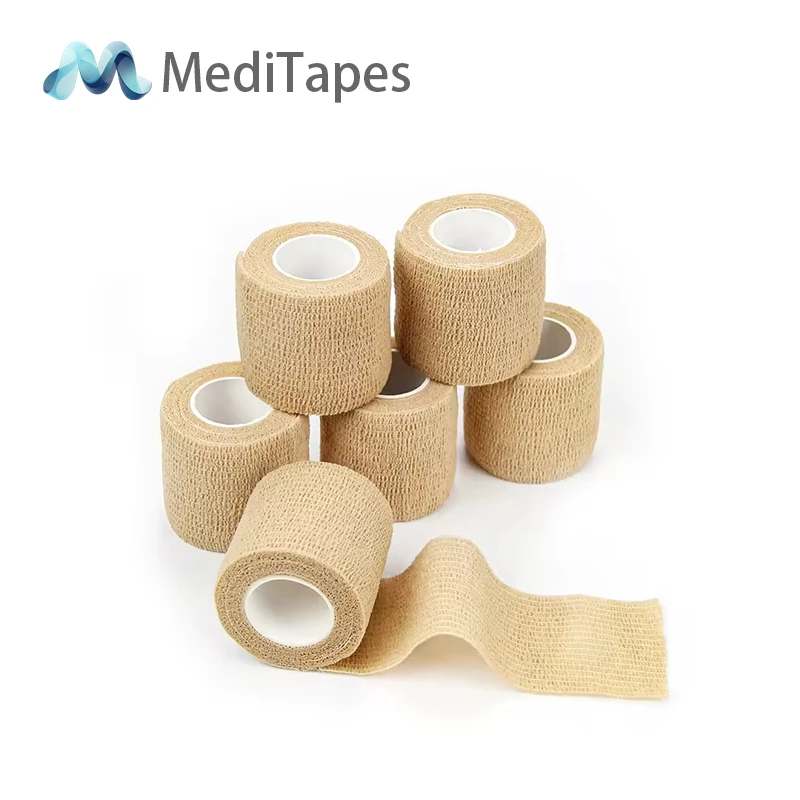
Vendaje cohesivo de alta resistencia – Vendaje veterinario elástico fuerte para equinos
Nuestra Venda Cohesiva de Alta Resistencia ofrece una resistencia a la tracción superior para animales grandes. Este vendaje veterinario elástico y resistente es esencial para el soporte de las extremidades y la protección de los cascos en equinos. Resiste el deshilachado y se mantiene en su lugar durante el movimiento. La venda cohesiva no tejida definitiva para establos.
2. Manejo de hotspots en mascotas: detener el ciclo de picor y mordisco rápidamente
Los hotspots (dermatitis piotraumática) afectan aproximadamente al 15% de los perros en algún momento de sus vidas, especialmente en razas de pelaje espeso como Golden Retrievers, Pastores Alemanes y Terranovas. Se extienden rápido en climas cálidos o después de nadar, y lo peor es el lamido incesante que convierte una pequeña zona en un desastre infectado y en carne viva.
Las vendas normales se rompen a mordiscos en minutos. Las vendas cohesivas de sabor amargo le permiten cubrir el hotspot, aplicar su tratamiento tópico debajo y mantener realmente el apósito en su lugar. La capa amarga desalienta el lamido para que los antibióticos y antiinflamatorios puedan actuar sin necesidad de reaplicaciones constantes.
Protocolo hospitalario práctico
Recorte el pelo del área, limpie, aplique el ungüento o spray recetado, luego envuelva con una capa ligera de venda cohesiva de sabor amargo. Cambie cada 24-48 horas dependiendo del drenaje. La venda transpira lo suficiente para evitar la maceración pero se mantiene fija.
He visto clínicas pasar de cambios de vendaje diarios a días alternos una vez que cambiaron. Eso libera tiempo de los técnicos y mantiene a los pacientes más cómodos. Un hospital de tamaño mediano anónimo informó de menos casos de sedación para nuevos vendajes de hotspots tras adoptar estas vendas.
Esta aplicación se vincula directamente con el manejo diario de hotspots en mascotas y es un elemento básico en cualquier lista de suministros para hospitales veterinarios que realmente funcione.
3. Vendaje postquirúrgico para mascotas: protección de incisiones sin la lucha con el collar isabelino
Las cirugías de tejidos blandos conllevan un riesgo de infección del sitio quirúrgico del 8.7% según datos de algunos hospitales universitarios. Una gran parte de esas infecciones proviene de pacientes que lamen o tiran de las suturas. Los collares isabelinos ayudan, pero muchas mascotas los odian y los dueños a veces se los quitan en casa.
Las vendas cohesivas de sabor amargo le ofrecen una mejor opción. Envuelva ligeramente el sitio de la incisión después de la cirugía y el sabor amargo mantendrá alejadas las lenguas, permitiendo al mismo tiempo el flujo de aire. Se acabaron las revisiones constantes para ver si el paciente se ha quitado la venda.
Paso a paso para salas de recuperación
- Limpie y seque la zona
- Aplique cualquier apósito primario o ungüento
- Use vendajes cohesivos de sabor amargo de 2 a 3 pulgadas con un solapamiento uniforme
- Vigile si hay hinchazón durante las primeras 24 horas
Su naturaleza autoadhesiva significa que no tirará del pelaje al retirarlo, y el sabor amargo perdura durante los primeros días críticos. Recuerdo una clínica con gran carga ortopédica que solía luchar con pacientes que se arrancaban los puntos; después de estandarizar el uso de estos vendajes postquirúrgicos para mascotas, observaron una cicatrización más limpia y notas de alta más satisfactorias.
4. Protección general de heridas en casos activos o conductuales
No todas las heridas son una cirugía limpia o un punto caliente. Los casos de traumatismo, abscesos o dermatitis alérgica a menudo necesitan cobertura mientras el animal permanece activo en el canil del hospital. Las vendas cohesivas simples terminan destruidas por lamedores entusiastas.
Los vendajes cohesivos de sabor amargo manejan esto a la perfección. Proporcionan una compresión suave, se mantienen en su lugar en extremidades en movimiento y el sabor disuasorio gana tiempo para la curación. Puede colocarlos sobre almohadillas no adherentes y aún así obtener una buena transpirabilidad.
Tabla de comparación rápida para decisiones de abastecimiento hospitalario
| Aplicación | Problema de las vendas veterinarias comunes | Ventaja de los vendajes cohesivos de sabor amargo | Intervalo de cambio típico |
|---|---|---|---|
| Seguridad del catéter intravenoso | Alto desplazamiento por lamido | Detiene la interferencia del paciente (caída del 7.9% en complicaciones) | 48-72 horas |
| Manejo de puntos calientes (hotspots) | Masticación constante | Permite que los medicamentos tópicos permanezcan en su lugar | 24-48 horas |
| Postoperatorio | El tironeo de suturas es común | Reduce el riesgo de infección del sitio quirúrgico (ISQ) sin depender totalmente del collar isabelino | 24-72 horas |
| Heridas generales | Deslizamiento frecuente | Mejor cumplimiento en perros/gatos activos | 24-48 horas |
Esta tabla es la que entrego a los gerentes de compras; muestra exactamente por qué almacenar vendajes cohesivos de sabor amargo es mejor que comprar el material simple y económico.

Vendaje cohesivo de algodón Vet Wrap – Vendaje antideslizante para perros y gatos
Diseñado para uso veterinario, este vendaje cohesivo de algodón es perfecto como vendaje veterinario para perros, gatos y caballos. El material duradero y antideslizante protege las heridas y brinda soporte a las articulaciones. No se adhiere al pelaje, lo que convierte a este vendaje cohesivo en un elemento esencial para el cuidado animal. Se puede rasgar a mano y es altamente elástico.
5. Soporte ortopédico y manejo de esguinces en pacientes hospitalizados
Los esguinces, las distensiones y el soporte post-escayola necesitan una compresión constante. Pero, de nuevo, los pacientes muerden las escayolas o los vendajes. Los vendajes cohesivos de sabor amargo ofrecen ese soporte además de actuar como disuasorio contra el lamido. Úselos sobre el acolchado para lesiones leves en las extremidades o como un recubrimiento ligero sobre férulas.
El agarre cohesivo proporciona una presión uniforme sin cortar la circulación, y el sabor amargo evita que el paciente se autolesione. Perfecto para aquellos 'guerreros de fin de semana' que llegan cojeando después de perseguir una pelota con demasiada intensidad.
En un hospital de urgencias con mucha actividad, utilizaron estos vendajes como parte de su protocolo estándar para la cojera y redujeron las visitas de seguimiento por fallos en el vendaje.
Por qué destacan los vendajes cohesivos de sabor amargo de MediTapes
Hemos cubierto el uso clínico de la venda veterinaria amarga en escenarios hospitalarios reales. ¿Qué diferencia a MediTapes? Su serie de vendajes autoadhesivos está diseñada específicamente para las exigencias veterinarias: nivel de amargor constante, elasticidad confiable y colores que se mimetizan con el pelaje para que los pacientes no parezcan tan “vendados”.”
Consulte la serie completa de vendajes autoadhesivos aquí o visite Cintas médicas para ver la gama.
¿Listo para reducir complicaciones y ahorrar tiempo?
Imagine esto: menos reinicios de vías intravenosas, pacientes con puntos calientes más tranquilos, incisiones postoperatorias más limpias y técnicos que no tienen que volver a vendar cada hora. Esa es la diferencia que marcan los vendajes cohesivos de sabor amargo en un hospital veterinario real.
Si su centro veterinario está cansado de luchar con los pacientes por los vendajes, es hora de realizar el cambio. Diríjase a página de contacto ahora mismo e informe al equipo sobre los volúmenes que necesita. O escriba a info@meditapes.com para obtener un presupuesto personalizado en pedidos al por mayor.
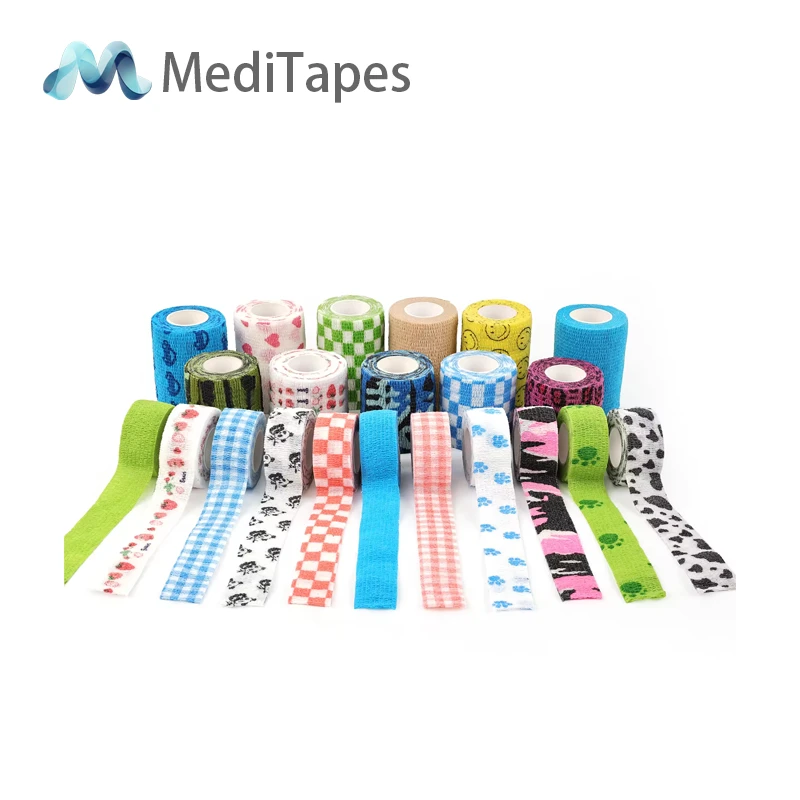
Vendaje cohesivo con patrones tiernos – Cinta veterinaria autoadhesiva con huellas
Abastézcase con el popular Vendaje Cohesivo con Estampados Lindos que presenta diseños adorables como huellas de patas. Esta cinta veterinaria autoadhesiva es la favorita para el cuidado de animales pequeños, calmando a las mascotas durante el tratamiento. Transpirable y fácil de rasgar, nuestro vendaje cohesivo estampado combina estilo con un soporte confiable para las heridas.
Preguntas frecuentes
P1: ¿Son las vendas cohesivas de sabor amargo seguras tanto para perros como para gatos?
Sí. El agente amargante no es tóxico y está formulado en niveles que disuaden el lamido sin causar daño. No hemos observado reacciones adversas en el uso hospitalario cuando se aplica correctamente sobre los apósitos. Simplemente evite las heridas abiertas en la boca.
P2: ¿Cómo se comparan estos con el vendaje cohesivo común para la fijación de catéteres intravenosos en perros?
El vendaje convencional se muerde y se desprende rápidamente, lo que genera esa tasa de desplazamiento del 7,91 %. Las vendas cohesivas de sabor amargo detienen las mordeduras, permitiendo que las vías permanezcan colocadas por más tiempo, reduciendo así el riesgo de flebitis y la necesidad de reiniciar el procedimiento.
P3: ¿Puedo obtener muestras o precios por volumen para mi cadena de hospitales veterinarios?
Absolutamente. Póngase en contacto a través de la página de contacto de MediTapes o envíe un correo electrónico info@meditapes.com. Los equipos de compras valoran los descuentos por volumen de la serie autoadhesiva.