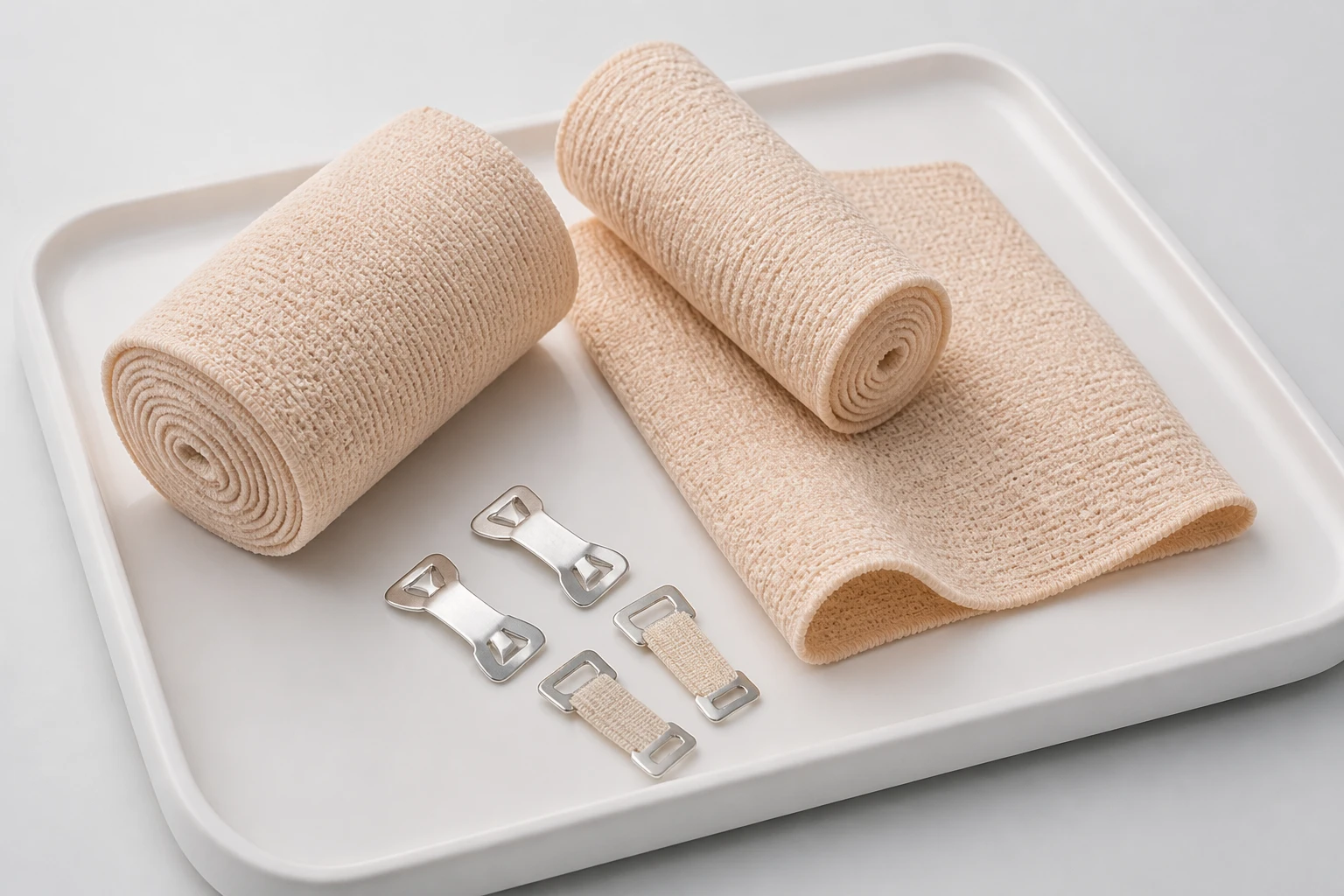
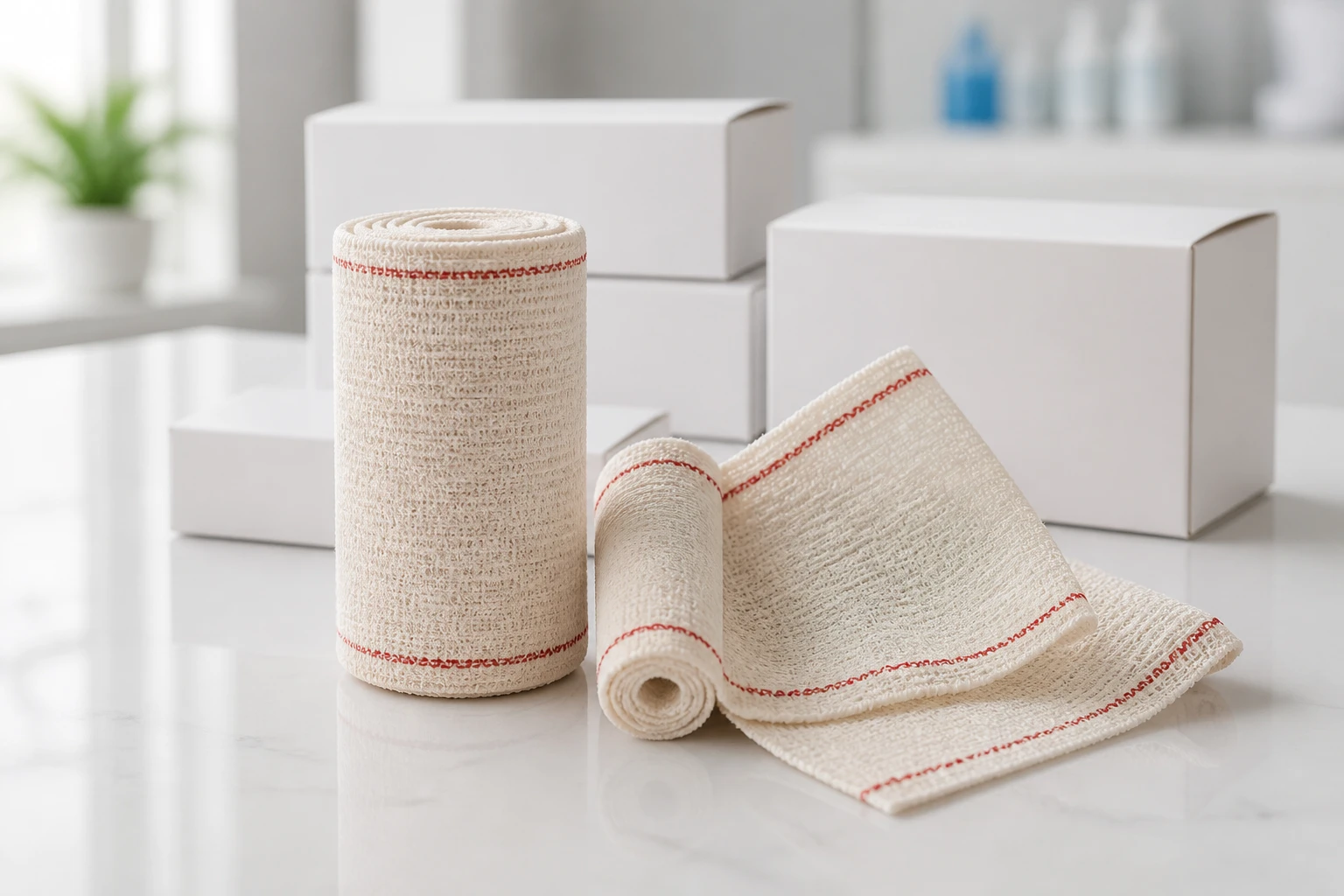
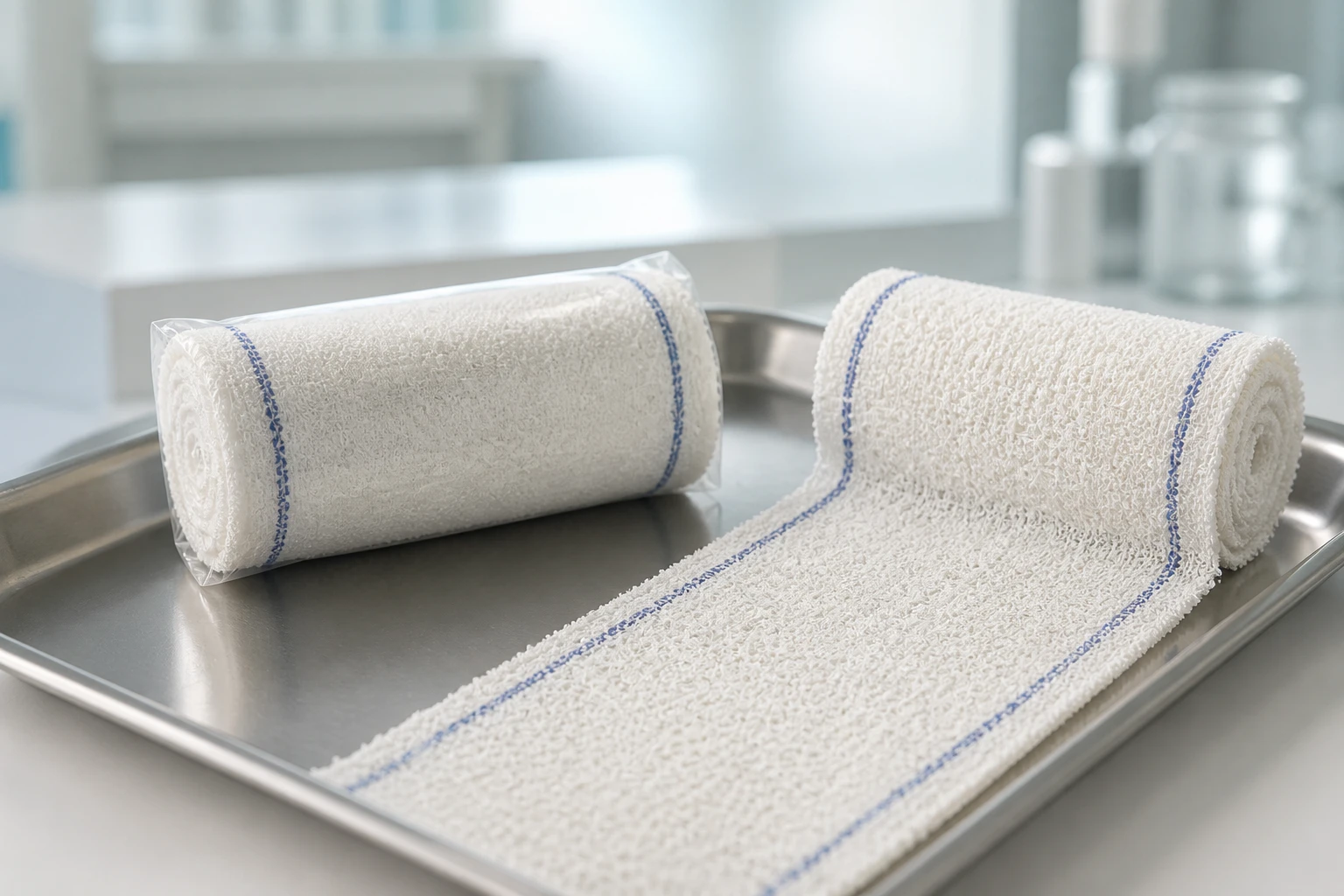
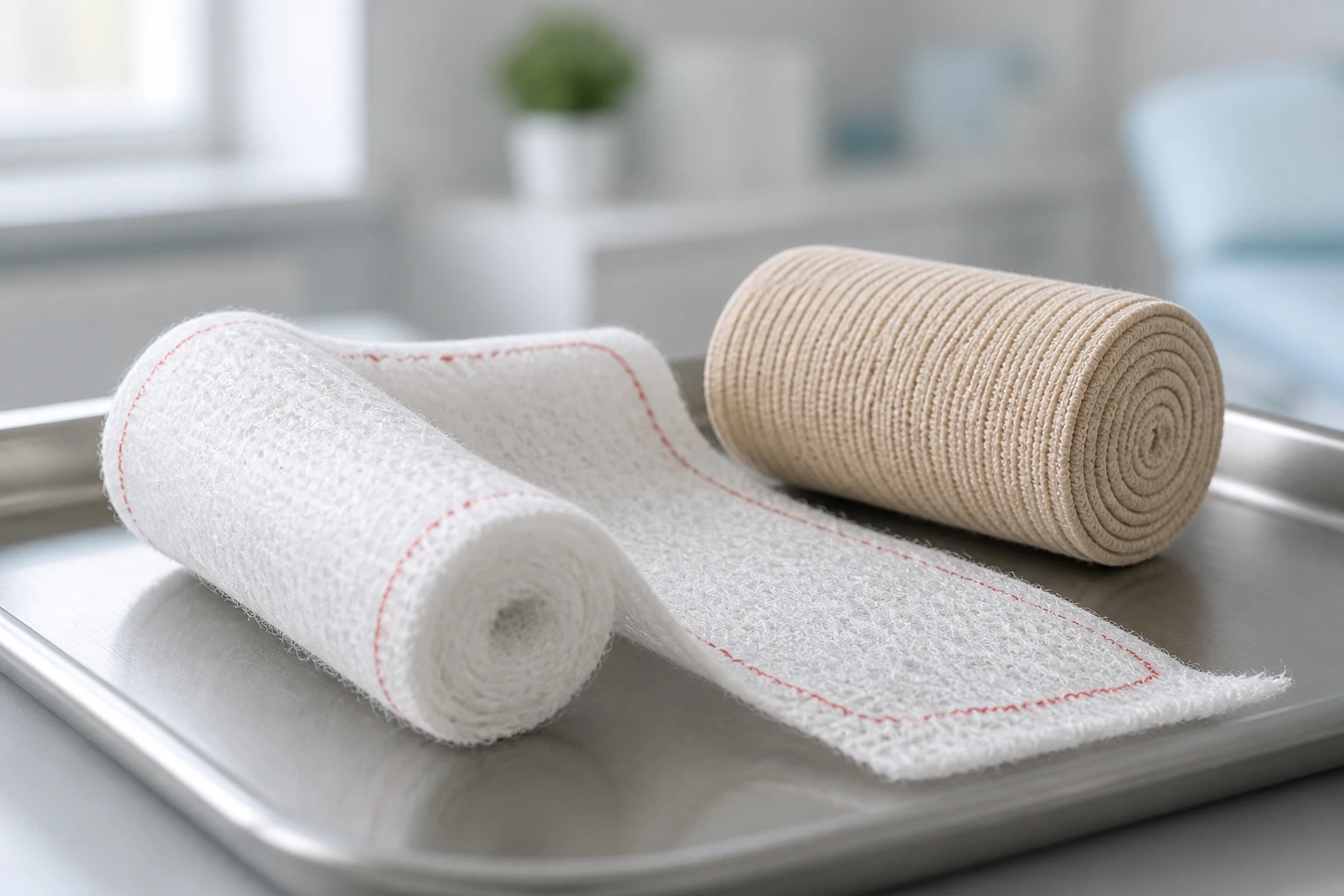
I’ve spent years helping wholesalers and pet store owners figure out what actually moves off the shelves and what just sits there collecting dust. When it comes to vendaje veterinario estándar frente a vendaje cohesivo de sabor amargo, the choice isn’t as simple as picking the cheaper roll. One keeps a calm dog comfortable for a few days. The other stops that hyper licker from turning a simple paw bandage into a disaster in under an hour.
If you’re stocking inventory for vets, groomers, or direct-to-pet-parent sales, understanding the real differences can mean extra profit and fewer returns. Let’s break it down like we’re chatting over coffee—no fancy jargon, just what I’ve seen work in real supply runs.
¿Qué es exactamente el vendaje veterinario estándar?
La mayoría de las personas en el mundo de los suministros para mascotas conocen el vendaje veterinario estándar as that colorful, stretchy cohesive bandage that sticks to itself but not to fur or skin. It’s been around forever and does a solid job for light support, holding dressings in place, or wrapping a sprained leg on a chill pet.
You tear it by hand, it gives consistent compression without cutting off circulation (if you don’t wrap it too tight), and it comes in a rainbow of colors that pet owners love. For quiet cats or older dogs who don’t mess with their bandages, it’s usually enough.
But here’s the thing I’ve noticed after supplying hundreds of clinics: a surprising number of pets treat it like a chew toy. Especially after surgery. One lick leads to another, and suddenly the owner is back at the vet for a new wrap or worse—an infected site. That’s where the conversation about vendaje veterinario estándar frente a vendaje cohesivo de sabor amargo realmente cobra fuerza.
Entra en escena el vendaje cohesivo de sabor amargo
La vendaje cohesivo de sabor amargo (a veces llamado vendaje veterinario amargo, cinta antilamido o vendaje antimordeduras) utiliza la misma base autoadhesiva y añade un recubrimiento amargo seguro y no tóxico. La mayoría utiliza algo como el benzoato de denatonio, la sustancia que hace que las cosas tengan un sabor horrible para los animales (y para las personas, sinceramente).
Las mascotas lo prueban una vez y suelen retirarse rápido. Se acabaron los vendajes constantes y las llamadas frenéticas de los dueños a las 2 a.m. porque su Labrador convirtió el vendaje en confeti.
From what suppliers and vets tell me, this version shines for post-surgery recovery, hot spots, or any wound where licking is a big risk. It’s still cohesive, still easy to apply, and still breathable. The only real difference is that extra deterrent layer that actually works for most chewers.
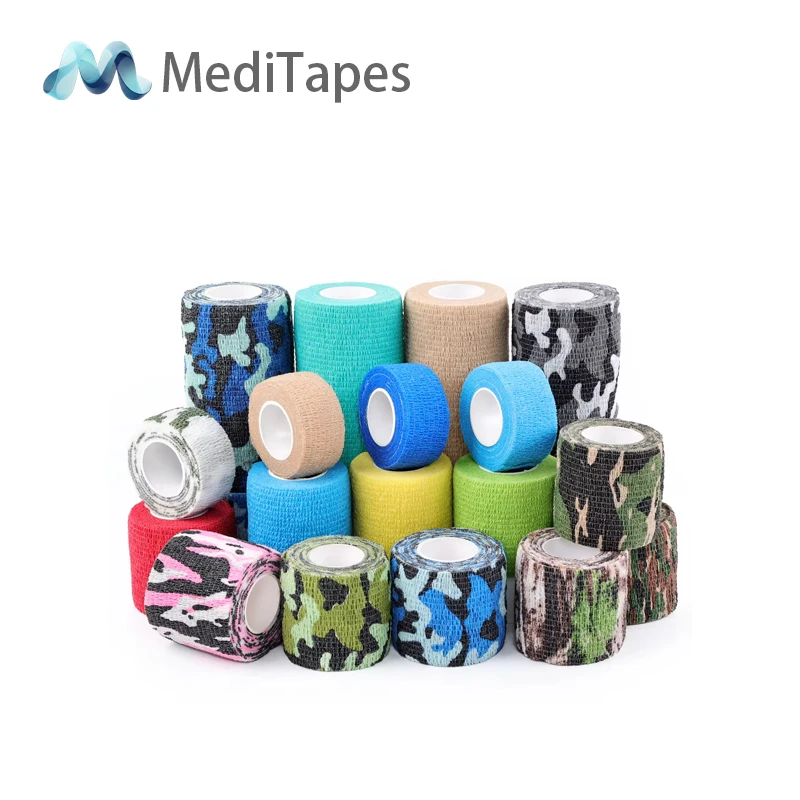
Vendaje cohesivo impreso personalizado – Fabricante de venda veterinaria con logotipo OEM
Eleve su marca con nuestra venda cohesiva impresa personalizada. Como fabricante líder, ofrecemos servicios de envoltura veterinaria con logotipo OEM para mostrar la identidad de su empresa. Esta cinta flexible y no tejida se adhiere solo a sí misma. Perfecta para clínicas que desean vendas cohesivas impresas de marca a precios de fábrica.
Comparación directa: vendaje veterinario estándar frente a vendaje cohesivo de sabor amargo
Here’s a quick table I put together based on real feedback from clinics and stores I’ve worked with. It cuts through the noise.
| Característica | Vendaje veterinario estándar | Vendaje cohesivo de sabor amargo (Cinta antilamido) |
|---|---|---|
| Cómo se adhiere | Solo se adhiere a sí mismo, sin residuos en el pelaje | Mismo autoadhesivo más recubrimiento amargo |
| Riesgo de mordeduras o lamidos | Alto: muchas mascotas lo retiran rápidamente | Mucho menor: la mayoría se detiene tras un sabor desagradable |
| Ideal para | Mascotas tranquilas, soporte a corto plazo, esguinces | Animales que lamen o muerden, poscirugía, puntos calientes, perros o gatos activos |
| Facilidad de aplicación | Se corta con la mano, compresión flexible | Mismo rasgado fácil y elasticidad, pero lávese las manos después de manipularlo |
| Impacto en la curación | Bueno si la mascota lo deja tranquilo | Mejor en general: menos interrupciones, recuperación más rápida |
| Casos de uso típicos | Envolturas diarias, vendajes ligeros | El mejor vendaje para perros después de una cirugía, protección contra lameduras |
| Atractivo en el estante | Colorido, familiar, económico | Sensación premium, resuelve un verdadero dolor de cabeza para los dueños de mascotas |
This comparison shows why more and more wholesalers are adding the bitter option to their lineup. It’s not replacing standard vet wrap—it’s complementing it.
Rendimiento en el mundo real: lo que sucede realmente en las clínicas
Permítame compartir una breve historia anónima de una cadena de suministros para mascotas de tamaño mediano a la que ayudé el año pasado. Durante años, vendieron principalmente vendajes cohesivos estándar. Las devoluciones y las quejas sobre mascotas que destruían las envolturas estaban mermando los márgenes: aproximadamente el 8-10% de las ventas de vendajes se devolvían dañadas o daban lugar a visitas de seguimiento.
Ellos probaron vendaje cohesivo de sabor amargo on a small batch for post-op kits. Within two months, the feedback flipped. Vets reported fewer rechecks for “patient interference,” and pet owners were happier because they didn’t need extra cones or sprays on top. Sales of the bitter version outsold the regular one 3-to-1 in the surgery recovery section.
Otro minorista me comentó que su promedio de reabastecimiento para vendaje cohesivo para mascotas aumentó después de que comenzaron a ofrecer ambos. Los clientes que compraron el rollo amargo una vez a menudo regresaron por más, especialmente durante las temporadas altas de esterilización/castración.
These aren’t made-up numbers—I’ve seen similar patterns across different regions. Pets that are “serial lickers” turn standard vet wrap into a headache. The bitter deterrent cuts that cycle short.
Por qué los vendajes amargos ayudan a la curación (y por qué es importante para su negocio)
Licking isn’t just annoying—it introduces bacteria, delays wound closure, and can lead to hot spots or infections. Standard vet wrap does nothing to stop that behavior. Bitter taste cohesive bandage acts like a built-in “no” sign.
The bitter agent (usually denatonium benzoate) is safe for pets in these low concentrations—it’s the same compound used in some anti-chew sprays and even some human products to prevent accidental ingestion. It doesn’t sting or irritate the skin; it just tastes horrible.
Para mejor vendaje para perros después de una cirugía, esto marca una diferencia notable. Una herida limpia y sin perturbaciones sana más rápido, lo que significa veterinarios más felices, menos complicaciones y negocios recurrentes para usted.
I’ve heard groomers say the same thing for minor cuts or paw injuries. One application of anti-lick tape and the dog leaves it alone instead of needing a cone that stresses everyone out.
Lado de las ganancias: estándar frente a amargo: ¿cuál es más rentable?
Aquí es donde se pone interesante para los mayoristas y dueños de tiendas de mascotas que buscan suministros veterinarios rentables.
Standard vet wrap is cheap to buy in bulk and sells steadily. But margins can be thin because it’s a commodity—everyone carries it, and price competition is fierce.
El vendaje cohesivo con sabor amargo suele tener un costo al por mayor entre un 20 y un 40 % más alto, pero puede fijar un precio minorista entre un 30 y un 60 % superior sin resistencia. ¿Por qué? Porque resuelve un problema difícil. Los dueños de mascotas pagarán más para evitar vendajes estropeados, visitas adicionales al veterinario o muebles arruinados por un perro que usa collar isabelino.
In my experience, the bitter version turns over faster in the “recovery” or “first aid” aisle. One store I worked with saw their overall bandage category profit rise about 15-18% after adding the bitter line because of higher average order value and fewer returns.
You don’t have to choose one or the other. Smart inventory means stocking both: standard for basic needs and budget buyers, bitter for premium post-op kits and problem pets. That way you capture the full market.
Consulte la serie completa de vendajes autoadhesivos en Cintas médicas—ofrecen ambas opciones en rollos confiables con envío rápido.
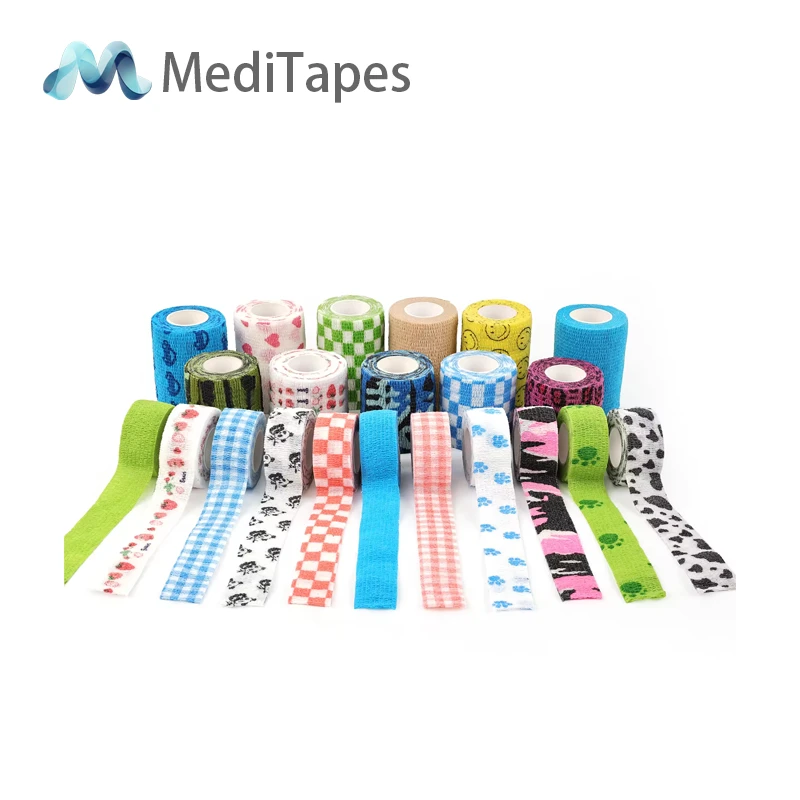
Vendaje cohesivo con patrones tiernos – Cinta veterinaria autoadhesiva con huellas
Abastézcase con el popular Vendaje Cohesivo con Estampados Lindos que presenta diseños adorables como huellas de patas. Esta cinta veterinaria autoadhesiva es la favorita para el cuidado de animales pequeños, calmando a las mascotas durante el tratamiento. Transpirable y fácil de rasgar, nuestro vendaje cohesivo estampado combina estilo con un soporte confiable para las heridas.
Cómo almacenar y comercializar ambos para maximizar las ventas
Don’t just throw them on the shelf side by side. Group them smartly.
- Coloque el vendaje veterinario estándar en la sección general de primeros auxilios con colores llamativos.
- Place bitter taste cohesive bandage (or anti-lick tape) near post-surgery supplies, wound care, and hot spot treatments. Label it clearly as “no-chew” or “bitter deterrent” so buyers spot the benefit immediately.
Ideas de paquetes que funcionan bien:
- Kit posquirúrgico: vendaje amargo + acolchado + antiséptico
- Paquete de protección de patas: vendaje estándar para uso diario + versión amarga para cuando comiencen los lamidos
Train your staff (or write simple shelf tags) to ask: “Is your pet a licker? The bitter option might save you headaches.”
Este enfoque convierte una simple decisión sobre vendajes en una conversación de venta sugestiva.
Common Questions from Store Owners I’ve Helped
A algunos les preocupa que el sabor amargo desaparezca demasiado rápido. En la práctica, dura el período de uso típico de 3 a 7 días para la mayoría de los vendajes, especialmente si se aplica como capa exterior.
Others ask if it irritates sensitive pets. From what I’ve seen and heard, reactions are rare—much less common than issues from excessive licking or cone stress.
Y sí, todavía se rasga fácilmente a mano y proporciona una buena compresión, al igual que el vendaje cohesivo regular.
Tomar la decisión de almacenamiento inteligente para su negocio
Si sus clientes son principalmente dueños de mascotas de bajo perfil o si vende una gran cantidad de suministros básicos, vendaje veterinario estándar seguirá haciendo el trabajo.
Pero si atiende a clínicas, peluqueros o dueños de mascotas activos que lidian con recuperaciones quirúrgicas, puntos calientes o mordedores decididos, agregar vendaje cohesivo de sabor amargo abre mejores márgenes y clientes más satisfechos.
La vendaje veterinario estándar frente a vendaje cohesivo de sabor amargo el debate suele terminar con la misma respuesta: almacene ambos, pero apueste por el amargo donde el lamido sea un problema conocido. Esto posiciona a su negocio como el referente en soluciones prácticas de suministros veterinarios rentables.
I’ve watched stores that made this switch reduce complaints and boost repeat purchases. One even told me their bandage returns dropped by more than half.
¿Listo para actualizar su inventario? Diríjase a Cintas médicas and browse the Self-Adhesive Bandage Series. Whether you need standard rolls or the bitter deterrent version, they’ve got reliable options that actually perform.
¿Tiene preguntas sobre tamaños, precios al por mayor o cómo probar un pedido pequeño? Escríbanos a página de contacto o envíe un correo electrónico info@meditapes.com. We’ll help you figure out the right mix for your shelves—no pressure, just straight talk.
Don’t let your stock be the reason a pet parent has to make an emergency run or deal with a chewed-up wound. Give them the right tool from the start.

Vendaje elástico autoadhesivo al por mayor – Vendaje veterinario para el cuidado de perros y caballos
Vendaje elástico autoadhesivo de alta calidad diseñado específicamente para el cuidado veterinario. Este vendaje veterinario duradero proporciona compresión controlada para perros y caballos. Es resistente al agua y no se pega al pelaje. Garantice una protección segura de las heridas con nuestro vendaje cohesivo confiable.
Preguntas frecuentes: respuestas rápidas sobre el vendaje veterinario estándar frente al vendaje cohesivo con sabor amargo
P: ¿Es seguro el vendaje cohesivo de sabor amargo para gatos y perros?
A: Yes—it’s formulated with pet-safe bitter agents like denatonium benzoate in low amounts. It deters licking without irritating skin or causing harm when used as directed.
P: ¿Cuándo se debe elegir la cinta anti-lamido en lugar de un vendaje cohesivo normal para mascotas?
R: Opte por la versión amarga en zonas postoperatorias, puntos calientes o siempre que el cliente mencione que su mascota tiende a morder o lamer. Para vendajes sencillos de corta duración, el vendaje veterinario estándar suele ser adecuado y más económico.
P: ¿Afecta el recubrimiento amargo la capacidad de adhesión o estiramiento de la venda?
R: No. Sigue funcionando exactamente igual que el vendaje veterinario estándar: autoadhesivo, fácil de rasgar, compresión flexible. La única diferencia es el repelente de sabor en la superficie.
P: ¿Cuánto más rentable es almacenar vendajes veterinarios amargos?
R: Los márgenes suelen ser más elevados debido a que se puede cobrar un recargo por el beneficio adicional. Muchas tiendas experimentan una rotación más rápida y un menor número de devoluciones, lo que mejora la rentabilidad general de la categoría.