Der Sommer steht vor der Tür. Je nachdem, wo sich Ihre Klinik oder Ihr Vertriebsnetz befindet, kann dies einen massiven Anstieg von Verletzungen im Freien bedeuten. Wir erleben das jedes Jahr. Menschen erleiden Schnittwunden, Schürfwunden oder unterziehen sich kleineren chirurgischen Eingriffen, weigern sich jedoch, dem Wasser fernzubleiben. Sie möchten schwimmen, surfen oder einfach nur im Pool entspannen.
Hier beginnt der Albtraum für medizinische Anbieter und Ärzte.
Sie verkaufen ihnen ein wasserdichter Wundverband, und zwei Stunden später rufen sie an, um mitzuteilen, dass es im Pool abgefallen ist. Oder noch schlimmer: Die Wunde hat sich infiziert, weil schmutziges Seewasser unter das Klebematerial gesickert ist.
Ich bin schon lange in der Branche für medizinische Klebebänder tätig und kann Ihnen sagen: Nicht alle Versprechen zur Wasserfestigkeit sind gleichwertig. Lassen Sie uns die Marketing-Floskeln beiseitelegen und darüber sprechen, was wirklich funktioniert – insbesondere mit Blick auf ISO-Normen und die Physik der Adhäsion beim Wassersport.
Der Mythos “Wasserdicht”: Wasserabweisend vs. wirklich wasserdicht
Seien wir für einen Moment ehrlich. Viele Hersteller drucken das Wort “wasserdicht” auf eine Verpackung, nur weil das Klebeband ein paar Regentropfen abweist. Aber für B2B-Einkäufer – egal, ob Sie eine Krankenhaus-Notaufnahme oder eine Apothekenkette beliefern – ist es wichtig, den Unterschied zu kennen zwischen hydrophober Beschichtung und undurchlässigen Barrieren.
Wenn wir von einem wasserdichter Wundverband sprechen, der zum Schwimmen geeignet ist, meinen wir in der Regel eine semipermeable Polyurethan-Folie (PU).
Hier liegt die Schwierigkeit. Der Verband muss zwei widersprüchliche Dinge leisten:
- Wasser DRAUSSEN halten (damit die Wunde nicht nass wird).
- Wasserdampf entweichen lassen DRAUSSEN halten (damit die Haut nicht mazeriert und weiß und aufgeweicht wird).
Wenn Sie ein Stück Panzerband auf eine Wunde kleben, ist das sicher wasserdicht. Aber lassen Sie es zwei Stunden lang in der Sonne? Dann ziehen Sie damit eine Hautschicht ab, weil der Schweiß nirgendwohin entweichen konnte.
Die Physik: Adhäsion in Chlor- und Salzwasser
Schwimmbecken und Ozeane sind feindselige Umgebungen für Klebstoffe.
Chlor: Es ist ein chemischer Angreifer. Es kann die klebrigmachenden Substanzen in günstigeren Acrylat-Klebstoffen abbauen.
Salzwasser: Es verändert den osmotischen Druck und kann Klebstoffe austrocknen, wodurch sie spröde werden.
Wir messen die Adhäsion mithilfe eines Schältests. Im Labor betrachten wir die Schälhaftung.
Unter Verwendung einer vereinfachten Textdarstellung der Formel, die wir im Labor verwenden (keine Sorge, hier gibt es keine komplexen mathematischen Codes):
Durchschnittliche Last (N) / Breite der Probe (mm) = Schälfestigkeit (N/mm)
Bei einem standardmäßigen wasserdichter Wundverband, möchte man im Allgemeinen eine Haftfestigkeit von mehr als 1,5 N/cm auf trockener Haut erreichen. Für den Wassersport müssen wir jedoch sicherstellen, dass dieser Wert auch nach dem Untertauchen stabil bleibt.
Ich habe letztes Jahr einen Test mit einer Charge von Proben durchgeführt. Wir haben einen herkömmlichen “wasserfesten” Verband und einen MediTapes hochwertigen PU-Verband 60 Minuten lang in einer Kochsalzlösung (die das Meerwasser imitiert) eingeweicht.
Das herkömmliche Produkt? Es verlor 40 % seiner Haftfestigkeit. Es rutschte im Grunde einfach ab. Unsere Formulierung behielt 95 % ihrer Klebkraft bei. Das ist der Unterschied zwischen einem zufriedenen Patienten und einer Klage.
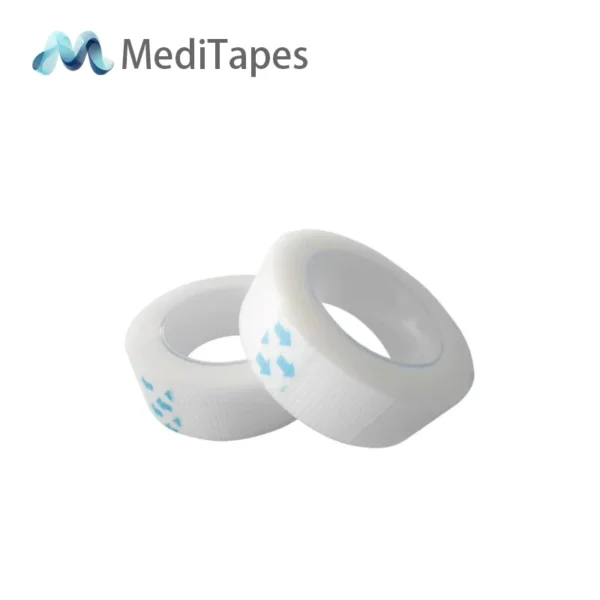
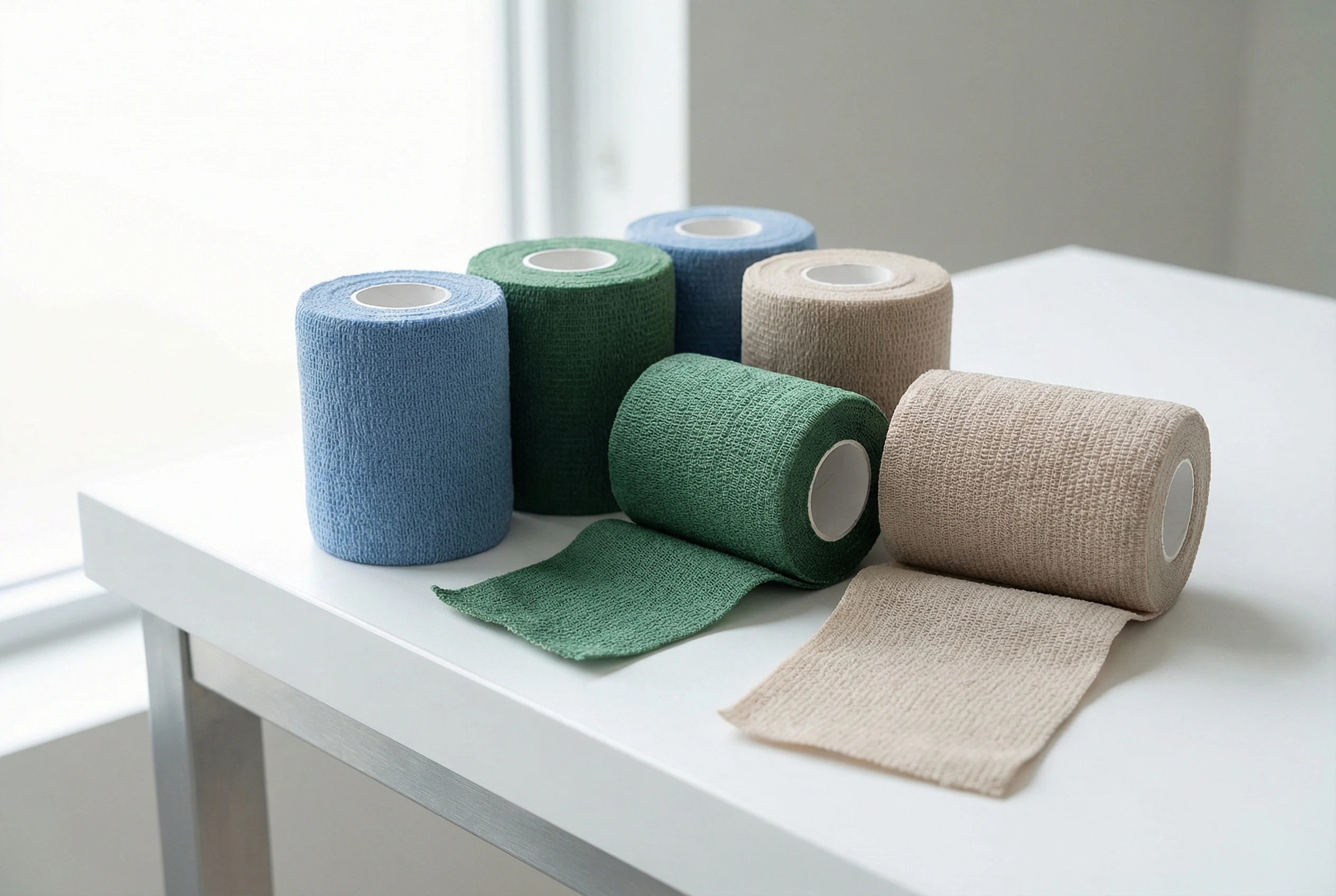
Leicht reißbares chirurgisches PE-Klebeband – Perforiertes Kunststoff-Medizinklebeband in Großmengen
Maximieren Sie die Effizienz mit unserem leicht reißbaren chirurgischen PE-Klebeband, das über ein perforiertes Design für schnelles, bidirektionales Reißen verfügt. Dieses transparente chirurgische PE-Klebeband benötigt keine Schere und ist daher ideal für den Notfalleinsatz geeignet. Wir liefern chirurgisches PE-Klebeband in großen Mengen für eine kostengünstige Lagerhaltung.
Hauptmerkmale:
– Bidirektionales, leichtes Abreißen.
– Option mit gezacktem Rand verfügbar.
ISO 13485 und ISO 10993: Warum das für Sie wichtig ist
Ich weiß, über ISO-Normen zu sprechen ist etwa so spannend wie Farbe beim Trocknen zuzusehen. Aber wenn Sie medizinische Verbrauchsgüter importieren, ist dies Ihr Sicherheitsnetz.
Wenn Sie bei einer Fabrik kaufen, die nicht nach ISO 13485 zertifiziert ist, gehen Sie ein Risiko ein. ISO 13485 ist nicht nur ein Abzeichen; es beweist, dass der Hersteller über ein Qualitätsmanagementsystem (QMS) speziell für Medizinprodukte verfügt. Es bedeutet, dass wir Rückverfolgbarkeit haben. Wenn eine Charge von wasserdichter Wundverband versagt, wissen wir genau, von welcher Rohmaterialrolle sie stammt, bei welcher Temperatur sie beschichtet wurde und wer sie verpackt hat.
Dann gibt es noch ISO 10993. Dies dient der biologischen Bewertung.
- Zytotoxizität: Tötet der Klebstoff Hautzellen ab?
- Sensibilisierung: Verursacht er eine allergische Reaktion?
- Hautreizung: Führt er zu Rötungen und Hautreizungen?
Wenn ein Schwimmer einen Verband vier Stunden lang trägt, kommt es zu einer Kombination aus Reibung und Wassereinwirkung. Falls der Klebstoff die Norm ISO 10993-10 (Prüfung auf Irritation und Hautsensibilisierung) nicht erfüllt, wird der Patient einen Ausschlag entwickeln, der exakt die Form des Verbandes aufweist.
Datenanalyse: High-End- vs. Budget-Verbände
Ich habe diese Tabelle zusammengestellt, um Ihnen die Spezifikationen aufzuzeigen, nach denen Sie Ihre Lieferanten fragen sollten. Fragen Sie nicht bloß: “Ist es wasserdicht?” Fragen Sie nach diesen Kennzahlen.
| Merkmal | Preisgünstiger wasserdichter Verband | Profigüte (MediTapes-Standard) | Warum dies von Bedeutung ist |
|---|---|---|---|
| Materialbasis | PVC oder minderwertiges PE | Hauchdünne Polyurethan-Folie (PU) | PU passt sich der Hautbewegung an; PVC ist steif und wird undicht. |
| MVTR (Atmungsaktivität) | < 500 g/m²/24h | > 1500 g/m²/24h | Eine hohe MVTR verhindert das Aufweichen der Haut (Mazeration). |
| Klebstofftyp | Lösungsmittelbasierter Kautschuk | Hypoallergenes Acryl in medizinischer Qualität | Acrylat verträgt Wasser besser und reduziert das Allergierisiko. |
| Wassereintrittsdruck | < 10 cm H2O | > 50 cm H2O | Hält es dem Druck beim Eintauchen in einen Pool stand? |
| Zertifizierungen | CE (manchmal gefälscht) | CE, ISO 13485, FDA-gelistet | Einhaltung gesetzlicher Vorschriften und Sicherheitsgarantie. |
Ein praxisnahes Szenario (anonymisiert)
Lassen Sie mich Ihnen von einem unserer Kunden erzählen – nennen wir ihn “Dave”. Dave leitet ein Vertriebsunternehmen für Medizinprodukte in Queensland, Australien. Eine ausgeprägte Surfkultur.
Dave kaufte ein günstiges wasserdichter Wundverband von einem beliebigen Lieferanten auf einer B2B-Plattform. Der Preis war großartig. Aber gegen Dezember (Sommer auf der Südhalbkugel) stand sein Telefon nicht mehr still. Die örtlichen Kliniken waren wütend. Surfer beschwerten sich, dass die Verbände innerhalb von 10 Minuten nach dem Wellenreiten weggespült wurden.
Das Problem lag nicht an der Folie; die Folie war wasserdicht. Das Problem war die Randabdichtung. Der Klebstoff war zu schwach, um die Ränder gegen die Reibung des Wassers festzuhalten. Sobald sich der Rand löst, ist es vorbei.
Dave wechselte zu unserem Chirurgische Klebeband-Serie, speziell auf der Suche nach unseren verstärkten PU-Folienoptionen. Wir haben mit ihm zusammengearbeitet, um das Auftragsgewicht des Klebstoffs anzupassen und es leicht zu erhöhen, um der rauen Salzwasserumgebung gerecht zu werden.
Das Ergebnis? Seine Reklamationsrate sank auf nahezu Null. Er konnte sogar seine Preise erhöhen, da er das Produkt als “surffest” vermarkten konnte.”
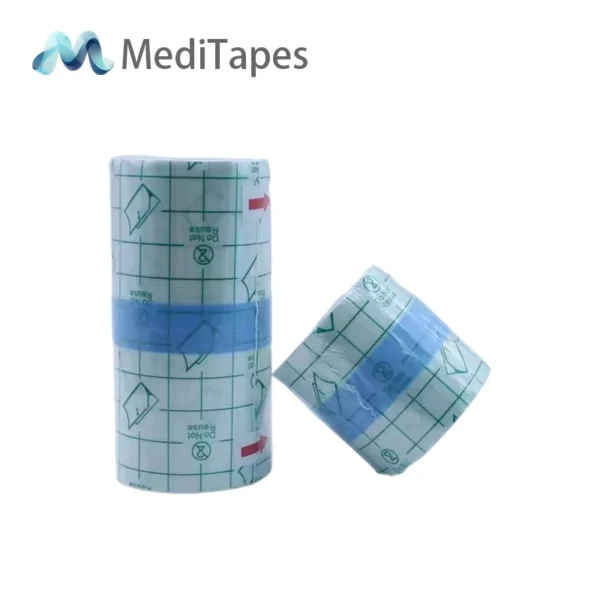
Flexibler PU-Folien-Fixierrollverband – Wasserdichte IV- und Kanülenfixierung
Sichern Sie die Stabilität mit unserer flexiblen PU-Folien-Fixierrolle, die speziell für die wasserfeste Fixierung von Infusionen und Kanülen entwickelt wurde. Die ultradünne Polyurethanfolie fungiert als Bakterienbarriere und senkt das Infektionsrisiko. Ihre Elastizität ermöglicht den Patienten volle Bewegungsfreiheit, was sie zu einem Standardprodukt für die postoperative Pflege und Kathetersicherung macht.
Wie wir bei MediTapes testen
Bei MediTapes, wir raten nicht nur. Wir beanspruchen unsere Produkte extrem.
Wir verfügen über einen Laboraufbau, der den von mir so genannten “Active Swimmer”-Test simuliert. Wir bringen das wasserdichter Wundverband auf ein flexibles Substrat auf, das sich dehnt und zusammenzieht (wie ein menschliches Knie). Dann tauchen wir es in ein Becken ein, das die chemische Zusammensetzung eines Chlorpools simuliert.
Wir wiederholen die Dehnbewegung stundenlang unter Wasser.
Wenn sich die Kante um mehr als 1 mm abhebt, gilt die Charge als fehlerhaft. Das ist hart, aber ich werfe lieber eine Rolle Klebeband in der Fabrik weg, als dass Sie einen Kunden verlieren.
Kontroverse Meinung: Transparente Folienverbände sind nicht immer die beste Wahl
Hier ist etwas, das Ihnen die meisten Hersteller nicht verraten werden. Manchmal ist ein transparenter Folienverband (der Standard wasserdichter Wundverband) nicht die richtige Wahl für den Wassersport.
Warum? Weil sie extrem dünn sind. Wenn der Anwender eine Sportart mit hoher Belastung ausübt, wie Wasserski oder Wakeboarden, kann die physikalische Einwirkung des Wassers die Folie zerreißen.
In diesen Fällen empfehlen wir manchmal ein wasserfestes Spunlace-Vlies mit einer starken Beschichtung. Es ist nicht besonders ansehnlich, sicher. Es ist nicht unsichtbar. Aber es ist extrem robust. Als Distributor sollten Sie beides im Sortiment führen. Gehen Sie nicht davon aus, dass eine einzige Artikelnummer für jeden Schwimmer passt.
Anwendungstipps zur Weitergabe an Ihre Kunden
Wenn Sie an Apotheken oder Kliniken verkaufen, geben Sie diesen Rat an den Endverbraucher weiter. Dadurch wirkt Ihr Produkt professioneller.
- Sauber und TROCKEN: Alkoholtupfer sind am besten geeignet. Öl oder Sonnencreme auf der Haut beeinträchtigen die Klebekraft sofort.
- Keine Spannung: Dehnen Sie den Verband beim Anlegen nicht. Dies verursacht eine “Scherwirkung”, woraufhin er zurückschnellt und sich später ablöst.
- Erwärmen: Weisen Sie die Kunden an, nach dem Auftragen die Hand für 30 Sekunden auf den Verband zu drücken. Haftklebstoffe benötigen Wärme und Druck, um eine optimale Benetzung zu erreichen und sich in den Hautvertiefungen zu verankern.
- Warten: Tragen Sie ihn mindestens 20 Minuten auf, vor dem bevor Sie ins Wasser gehen. Wenn Sie ihn einfach aufkleben und sofort in den Pool springen, wird er abfallen. Garantiert.
Beschaffungs-Checkliste für B2B-Einkäufer
Wenn Sie Ihren Lagerbestand mit einem Produkt aufstocken möchten, wasserdichter Wundverband das hält, was es verspricht, sollten Sie Folgendes überprüfen:
- Fordern Sie das Sicherheitsdatenblatt (MSDS) an: Überprüfen Sie die Zusammensetzung des Klebstoffs.
- Fordern Sie den MVTR-Bericht an: Wenn sie Ihnen keinen Wert in g/m²/24h nennen können, kennen sie ihr Produkt nicht.
- Prüfen Sie das ISO-Zertifikat: Überprüfen Sie die Registrierungsnummer online. Fälschungen sind überall.
- Musterprüfung: Fordern Sie Muster an. Kleben Sie sie auf Ihren Arm. Duschen Sie. Gehen Sie schwimmen. Seien Sie Ihr eigenes Versuchskaninchen.
Wir helfen Einkäufern seit Jahren dabei, sich hier zurechtzufinden. Wir kennen das Problem schwankender Qualität. Wenn Sie das Rätselraten leid sind, können Sie jederzeit unser Sortiment einsehen oder uns einfach eine Nachricht schreiben, um über Spezifikationen zu sprechen.
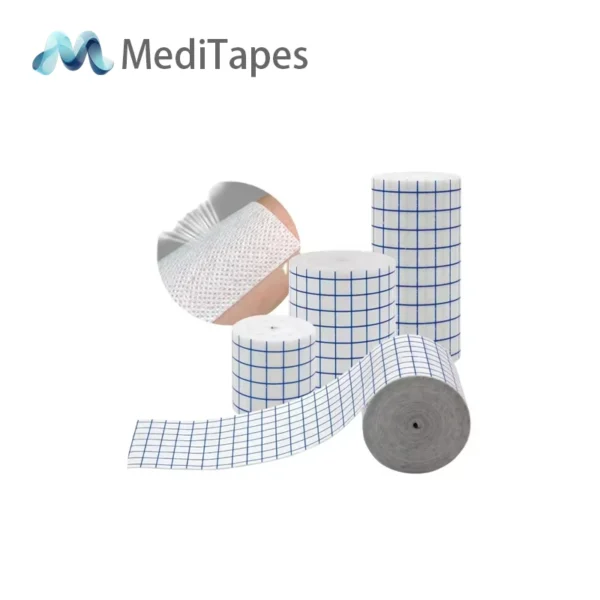
Weiche Vlies-Fixierrolle für Katheter und Schläuche – latexfrei
Gewährleisten Sie die Patientensicherheit mit unserer latexfreien Vlies-Fixierrolle. Speziell entwickelt für die Sicherung von Kathetern, Schläuchen und Instrumenten, verhindert diese Vliesstoff-Verbandrolle versehentliches Verrutschen. Das weiche, poröse Material reduziert Hauttraumata beim Entfernen und ist somit ideal für pädiatrische und geriatrische Pflegeumgebungen geeignet.
Die Zukunft wasserdichter Verbände
Aktuell beobachten wir Trends hin zu silikonbasierten Klebstoffen. Diese sind sanfter als Acrylate, haben jedoch traditionell eine geringere Klebkraft (nicht ideal zum Schwimmen). Es kommen jedoch neue “High-Tack”-Silikonmischungen auf den Markt. Wir experimentieren bei MediTapes derzeit mit diesen.
Zudem gewinnen “Inselverbände” mit einem superabsorbierenden Wundpad, das von einem wasserdichten Rand umgeben ist, an Bedeutung. Sie nehmen das Exsudat (Wundflüssigkeit) besser auf als eine einfache Folie.
Abschließende Gedanken
Die Beschaffung der richtigen medizinischen Hilfsmittel ist stressig. Sie müssen Budgets einhalten und Compliance-Beauftragte im Nacken haben. Aber wenn es um wasserdichter Wundverband Produkte für den Sommersport geht, dürfen Sie keine Kompromisse eingehen. Ein Versagen ist hier zu offensichtlich.
Ein mangelhaftes Klebeband ist ein mangelhaftes Produkt.
Konzentrieren Sie sich auf die Wissenschaft – MVTR, Klebkraft und ISO-Zertifizierung. Wenn ein Lieferant versucht, Sie mit schicker Verpackung zu blenden, aber seinen Qualitätskontrollprozess nicht erklären kann: Suchen Sie das Weite.
Wenn Sie einen Partner brauchen, der die technische Seite dieses Geschäfts versteht und Ihre Sprache spricht, MediTapes sind wir für Sie da. Wir bearbeiten Sonderbestellungen, spezifische Anforderungen an Klebstoffe und weltweite Großlieferungen.
FAQ: Häufige Fragen von Käufern
F1: Kann Ihr wasserdichter Wundverband für tiefe chirurgische Inzisionen beim Schwimmen verwendet werden?
A: Im Allgemeinen ja, sofern der Einschnitt geschlossen ist. Für tiefe chirurgische Wunden empfehlen wir jedoch unsere sterilen, wasserdichten Inselverbände, die eine Barriere gegen Bakterien bilden. Konsultieren Sie immer die postoperativen Anweisungen des Chirurgen. Unsere Verbände sind nach ISO 13485 für dieses Versorgungsniveau zertifiziert.
Q2: Wie lange ist die Haltbarkeit Ihrer wasserdichten Wundverbände?
A: Unsere standardmäßige Haltbarkeit beträgt 3 bis 5 Jahre, abhängig vom spezifischen Material und der Sterilisationsmethode (in der Regel Ethylenoxid). Wir stellen sicher, dass Sie bei Großbestellungen frische Lagerware mit maximaler Restlaufzeit für Ihr Bestandsmanagement erhalten.
F3: Bieten Sie Private Labeling (OEM) für wasserfeste Wundverbände an?
A: Absolut. Ein großer Teil unseres Geschäfts ist die Herstellung für andere Marken. Wir können Ihr Logo auf die Schutzfolie drucken, die Verpackung individuell gestalten und sicherstellen, dass das Produkt den regulatorischen Standards Ihres lokalen Marktes entspricht. Kontaktieren Sie uns unter info@meditapes.com für ein Angebot.
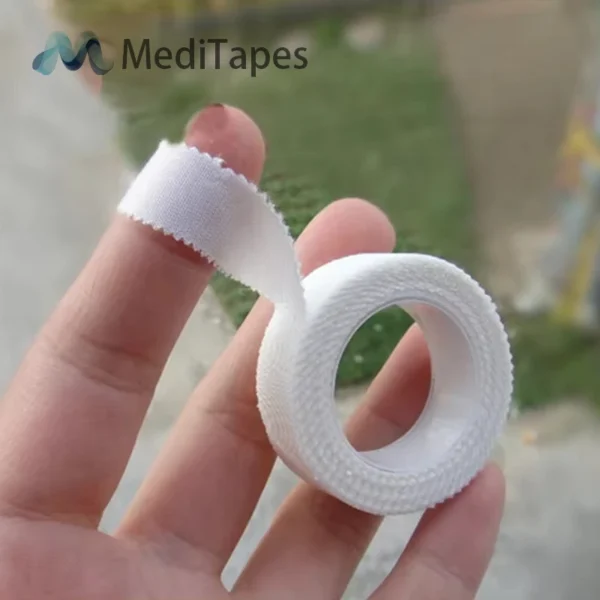
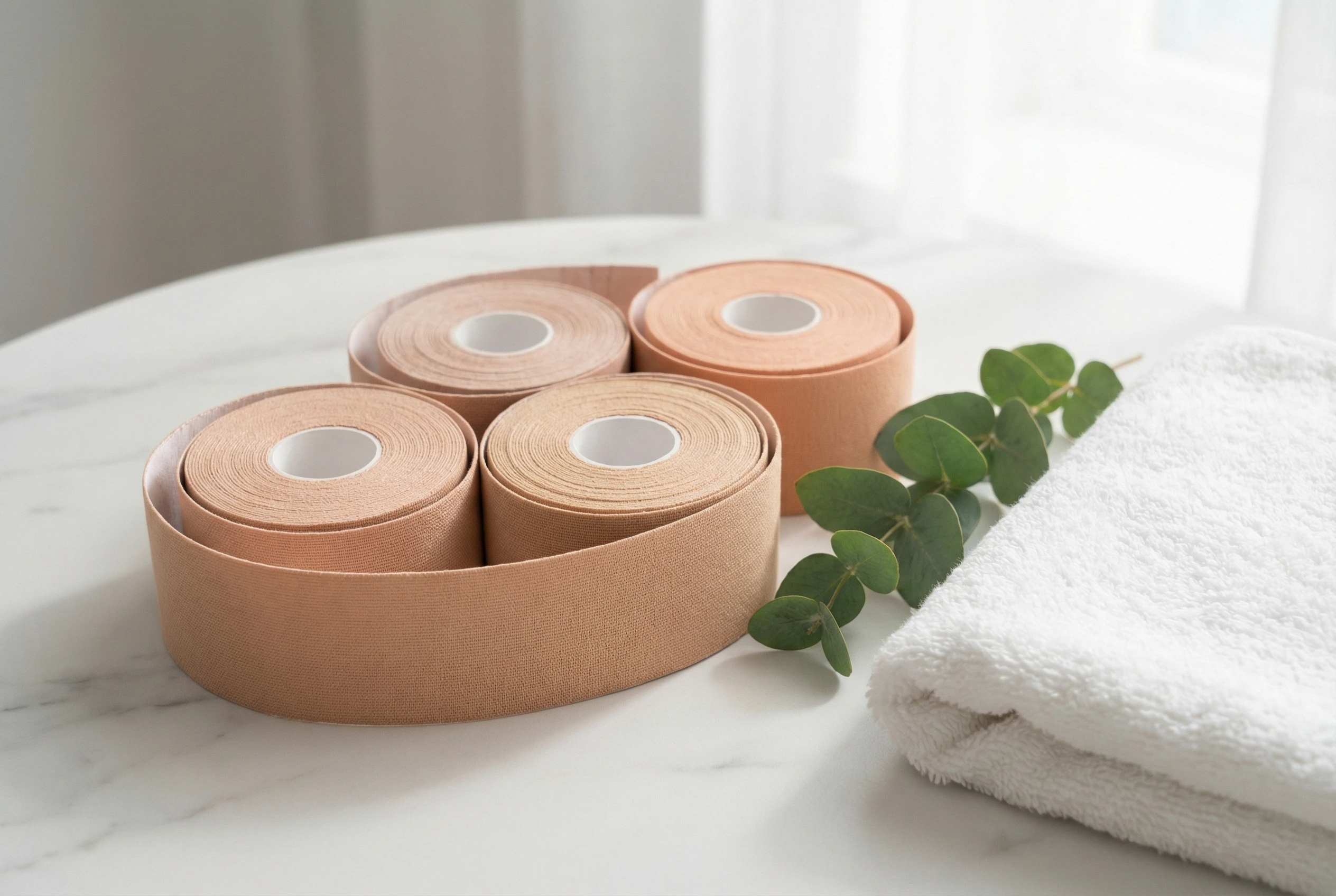
Vielseitiges chirurgisches Seidenheftpflaster – wasserbeständig & anpassungsfähig für diverse medizinische Anwendungen
Erleben Sie die Vielseitigkeit unseres chirurgischen Seidenheftpflasters, das für die hohen Anforderungen der modernen medizinischen Praxis entwickelt wurde. Dieses hochgradig anpassungsfähige chirurgische Seidenpflaster schmiegt sich nahtlos an die Körperkonturen an und bietet eine sichere Fixierung selbst an anspruchsvollen Stellen. Seine wasserbeständigen Eigenschaften sorgen dafür, dass Verbände beim Duschen oder bei leichter Feuchtigkeitseinwirkung intakt bleiben, was die Unabhängigkeit und den Komfort des Patienten erhöht. Unser medizinisches Seidenpflaster eignet sich für ein breites Spektrum an Anwendungen, von der Sicherung voluminöser Verbände bis hin zur empfindlichen pädiatrischen Versorgung, und bietet eine konstante, zuverlässige Leistung.
Sind Sie bereit, Ihren Bestand an medizinischem Bedarf zu aktualisieren?
Lassen Sie nicht zu, dass minderwertige Produkte diesen Sommer Ihren Ruf schädigen. Stellen Sie sicher, dass Ihre Kunden den Schutz erhalten, den sie benötigen – mit ISO-zertifizierter Qualität.
- Erhalten Sie ein kostenloses Muster-Set: Testen Sie die Haftfestigkeit selbst.
- Großhandelsangebot anfordern: Direktpreise ab Werk.
- Kontaktieren Sie einen Experten: Wir können Sie bei der Auswahl der besten Materialien für Ihren spezifischen Markt beraten.