Sie verbringen Monate damit, den perfekten Hersteller zu finden, verhandeln den Preis bis auf den Cent genau und geben schließlich die Großbestellung für chirurgische Klebebänder auf. Sie fühlen sich gut. Doch dann trifft die Lieferung ein.
Die Kartons sind zerquetscht. Der Klebstoff auf den Bändern hat sich in eine klebrige Masse verwandelt, weil der Container drei Wochen lang in einem glühend heißen Hafen stand. Oder noch schlimmer: Der Zollbeamte hält Ihre Fracht wegen eines Tippfehlers in den Papieren fest.
Ich habe das in dieser Branche öfter erlebt, als ich zugeben möchte. Bei der Logistik geht es nicht nur darum, Kisten von A nach B zu bewegen; besonders wenn wir über den Versand medizinischer Hilfsgüter aus China sprechen, ist es ein Schlachtfeld. Wenn Sie ein B2B-Käufer sind, wollen Sie nicht nur Produkte; Sie wollen, dass sie in verkaufsfähigem Zustand ankommen.
Bei MediTapes, haben wir Jahre damit verbracht, unsere Versandprotokolle zu verfeinern. Wir stellen nicht nur das Klebeband her; wir stellen sicher, dass es die Reise übersteht. Heute werde ich Sie durch die 5 größten logistischen Albträume unserer Branche führen und, was noch wichtiger ist, wie wir sie beheben, damit Sie kein Geld verlieren.
1. Die Temperaturfalle: Wenn Klebstoffe außer Kontrolle geraten
Medizinische Verbrauchsmaterialien, insbesondere solche mit Klebstoffen wie unsere Chirurgische Klebeband-Serie, reagieren extrem empfindlich auf Temperaturschwankungen.
Eines sagen Ihnen viele Spediteure nicht: Ein Standard-Versandcontainer ist im Grunde ein riesiger Metallofen. Wenn Sie im Sommer versenden, können die Temperaturen in diesem Container leicht 60 °C (140 °F) überschreiten. Für viele Standard-Acryl- oder Schmelzklebstoffe ist das die Gefahrenzone.
Die Wissenschaft des “Auslaufens”
Wenn die Temperatur steigt, sinkt die Viskosität des Klebstoffs. Er wird flüssiger. Dies führt zu “Teleskopieren” (wobei sich die Klebebandrolle seitlich herausdrückt) oder zum Auslaufen an den Rändern. Sobald das passiert, ist die Rolle ruiniert. Sie klebt an der Verpackung fest, und Ärzte können sie nicht richtig abrollen.
Umgekehrt macht extreme Kälte den Klebstoff spröde.
Wie wir es lösen: Intelligente Kühlkettentaktiken
Wir benötigen nicht für jede Sendung teure Kühlcontainer (Reefer) – das würde Ihre Gewinnspanne ruinieren. Aber wir wenden Prinzipien der Kühlketten-Lagerung von Klebebändern während der Bereitstellungsphase an.
Wir analysieren die Route. Wenn die Fracht den Äquator überquert oder in einem Hafen in Dubai steht, verbessern wir die Isolierung der Verpackung. Wir verwenden Thermo-Inlays oder Palettenabdeckungen, die Strahlungswärme reflektieren.
Außerdem prüfen wir den Erweichungspunkt (EP) des Klebstoffs gegenüber der erwarteten Temperatur auf der Route.
Einfache Faustregel:
Wenn Erwartete Temp. > (Erweichungspunkt – 10°C), wechseln wir zu Thermodecken oder Kühlcontainern (Reefer).
Wir gehen beim Thema Hitze kein Risiko ein.
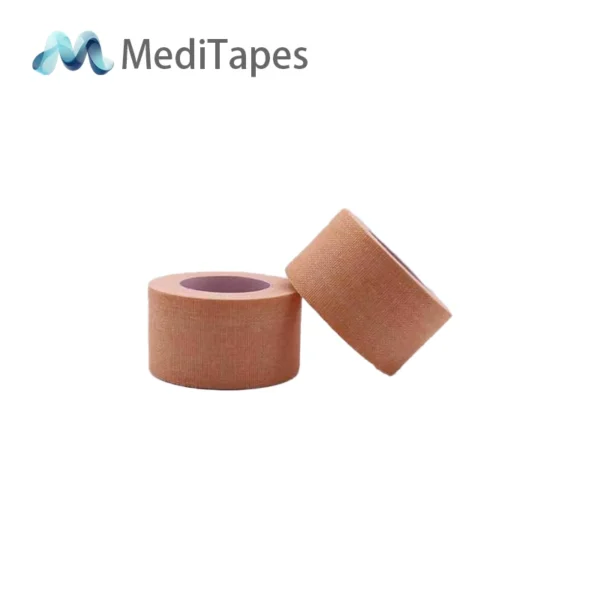
Chirurgisches Baumwollpflaster mit Zinkoxid-Kleber für die Wundversorgung
Sichere Fixierung mit hochwertigem chirurgischem Baumwoll-Tape. Dieses atmungsaktive Tape verwendet einen starken Zinkoxid-Kleber, der ideal zur Fixierung schwerer Verbände und Katheter ist. Unser chirurgisches Baumwoll-Tape ist von Hand reißbar und passt sich leicht den Körperkonturen an. Krankenhäuser vertrauen darauf für ein zuverlässiges Wundmanagement.
2. Das “Zerquetschter Karton”-Syndrom: Mängel in der Stapelfestigkeit
Sie haben es wahrscheinlich schon gesehen. Die Palette kommt an und die unterste Reihe der Kartons sieht aus wie eine Ziehharmonika. Das passiert meistens, weil die Kartonqualität nicht für die dynamische Belastung eines schwankenden Schiffes auf dem Meer berechnet wurde.
Die Standardverpackung ab Werk ist oft gerade “gut genug” für die statische Lagerung in einem Lagerhaus, aber nicht für eine 30-tägige Seereise.
Die Mathematik hinter dem Karton
Um sicherzustellen, dass Ihr medizinisches Verbrauchsmaterial nicht zerquetscht wird, führen wir Berechnungen durch. Wir betrachten den Box Compression Test (BCT – Schachtelstauchwiderstand) Anforderungen anpassen.
Hier ist eine vereinfachte Version der Formel, mit der wir bestimmen, ob ein Karton stabil genug ist. Wir raten nicht, wir rechnen.
BCT = Gewicht pro Karton x (Anzahl der Lagen – 1) x Sicherheitsfaktor
- Gewicht pro Karton: Das Bruttogewicht eines Kartons mit Klebeband.
- Anzahl der Lagen: Wie hoch sie auf der Palette gestapelt sind.
- Sicherheitsfaktor: Das ist der entscheidende Punkt. Für die Lagerung im Lagerhaus ist ein Faktor von 3 ausreichend. Für den Versand medizinischer Hilfsgüter aus China sprechen den Seetransport benötigen wir einen Sicherheitsfaktor von 5 oder 6 um die Schwächung des Kartons durch Feuchtigkeit (dazu später mehr) und die G-Kräfte des Schiffes zu berücksichtigen.
Wenn die berechnete Anforderung 4000 Newton beträgt und der Karton für 3000 Newton ausgelegt ist, wird Ihre unterste Lage wird sie zusammenbrechen. Bei MediTapes, verwenden wir für Exportaufträge doppelwellige Wellpappe (meist BC-Welle) mit hohen ECT-Werten (Edge Crush Test). Das kostet uns etwas mehr, bewahrt Sie aber davor, 10% Ihres Bestands wegwerfen zu müssen.
3. Das Feuchtigkeitsmonster: Containerregen
Das klingt wie ein Mythos, ist aber Realität. “Containerregen” entsteht, wenn die warme Luft im Inneren des Containers auf die kalten Metallwände trifft (meist nachts), kondensiert und förmlich auf Ihre Ladung im versiegelten Behälter herabregnet.
Ich erinnere mich an einen Kunden, der bei einem anderen Lieferanten kaufte. Sie öffneten den Container und die Kartons waren schimmelbedeckt. Die Klebebänder im Inneren waren im Grunde Petrischalen. Bei Medizinprodukten führt dies zu einem sofortigen Verkaufsverbot.
Warum passiert das?
Karton ist hygroskopisch – er zieht Wasser an. Wenn die relative Luftfeuchtigkeit im Container 90% erreicht, verliert Standardkarton etwa 50% bis 60% seiner Stapelfestigkeit. Das knüpft an das Problem der zerdrückten Kartons in Punkt #2 an. Es ist eine Kettenreaktion.
Unsere Lösung
- Trockenmittel: Wir befestigen industriell dimensionierte Trockenmittelbeutel (Calciumchlorid) an den Innenwänden des Containers.
- Moisture Content Check: Before we load, we check the moisture content of the wooden pallets. If the wood is wet, it releases moisture during the trip. We ensure pallet moisture is below 15%.
- Plastic Wrapping: We don’t just wrap the sides; we use top sheets on pallets to create a water-shedding roof.
4. The Regulatory Maze: Customs & Compliance
Okay, paperwork isn’t sexy. But bad paperwork stops business.
When den Versand medizinischer Hilfsgüter aus China sprechen, the Harmonized System (HS) codes can be tricky. Is it a “textile adhesive tape”? Is it a “medical device”? Is it “sterile goods”?
If we classify it wrong, two things happen:
- You pay higher import duties than necessary.
- Customs holds the shipment for inspection, which leads to demurrage charges (port storage fees) that can run $200+ per day.
The MediTapes Experience
We have an internal compliance checklist. We ensure the Commercial Invoice und Packing List match exactly—down to the net weight.
We also verify the destination requirements. For example, if we are shipping to the EU, we ensure the MDR (Medical Device Regulation) markings are visible on the outer cartons, not just the inner boxes. If shipping to the US, we ensure the FDA registration numbers are correctly referenced on the ISF filing.
We’ve had new clients come to us crying because their previous supplier forgot to put the “Country of Origin” label on the Innere Kartons, und der US-Zoll hat die gesamte Ladung abgelehnt. Wir machen keine solchen Anfängerfehler.
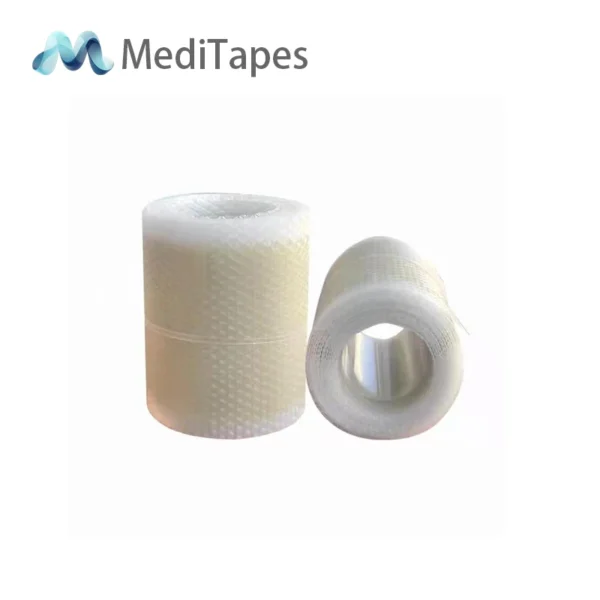
Medizinisches Silikongel-Tape für empfindliche Haut & Wundversorgung – OEM
Unser medizinisches Silikongel-Klebeband bietet eine sanfte Haftung für empfindliche Haut und ist somit ideal für brüchige Haut und ältere Patienten. Dieses atmungsaktive Silikongel-Klebeband gewährleistet eine schmerzfreie Entfernung ohne Rückstände. Perfekt für die Fixierung von Verbänden und Schläuchen. Verfügbar für B2B-Großbestellungen und OEM-Anpassungen.
5. Die “Wo ist meine Fracht?”-Verzögerungen
Lieferketten sind seit 2020 unberechenbar. Unvorhersehbarkeit ist die neue Normalität. Man plant für 30 Tage, es dauert 50.
Die Herausforderung hier ist nicht nur die Verzögerung; es sind die Bestandsausfallkosten. Wenn Ihnen der Lagerbestand ausgeht, wechseln Ihre Krankenhaus-Kunden zu einem Wettbewerber.
Wie wir dies abmildern
Wir können den Ozean nicht kontrollieren, aber wir können den Fluss steuern.
Die “Teillieferungs-Strategie”:
Wenn Sie eine Großbestellung haben (z. B. 5 Container), raten wir oft davon ab, alle auf dasselbe Schiff zu verladen. Wir teilen sie auf.
- 20% geht per Schnellschiff (wie Matson an die US-Westküste).
- 80% geht per Standard-Seefracht.
Dies verursacht etwas höhere Kosten in der Logistikverwaltung, garantiert aber, dass Sie etwas Lagerbestand haben, der früh eintrifft, um Ihre Kunden zufrieden zu stellen, während die Hauptmenge später zu geringeren Kosten ankommt.
Hier ist ein kurzer Vergleich, wie wir die Dinge handhaben vs. dem “günstigsten Anbieter”:
| Merkmal | Standardmäßiger “billiger” Lieferant | MediTapes Logistikprotokoll |
|---|---|---|
| Kartonqualität | Einwellig, Recyclingmaterial | Zweiwellig, Frischfaser-Kraftliner (hoher ECT-Wert) |
| Feuchtigkeitsschutz | Keiner (Daumen gedrückt) | Industrielle Trockenmittel + Paletten-Abdeckfolien |
| Beladungsart | Handverladung (lose verladen) | Palettiert & eingeschrumpft (üblich) oder dichte Bodenverladung |
| Dokumentenprüfung | Automatisch generiert | Manuelle Prüfung auf HS-Code & Compliance |
| Schadensquote | Durchschn. 3-5% | < 0,5% (Basierend auf Daten von 2024) |
Ein Praxisbeispiel: Vermeidung des “Middle East Meltdown”
Ich möchte eine kurze Geschichte teilen (Namen aus Datenschutzgründen geändert). Wir hatten einen Kunden, “HealthCorp” in Saudi-Arabien. Sie importieren riesige Mengen an Zinkoxid-Pflasterklebeband.
Ihr vorheriger Lieferant schickte im Juli einen 40HQ-Container. Kein Thermoschutz. Standardkartons. Als er den Zoll in Dschidda passierte, hatte die Innentemperatur des Containers 70 °C erreicht. Der Klebstoff der Bänder war durch die Papierrückseite gedrungen. Der gesamte Container war ein Totalschaden. Verlust: ~$40.000 USD.
Wie wir es für ihre nächste Bestellung gelöst haben:
- Wir haben den Versand so geplant, dass die Hitzeperiode im Juli nach Möglichkeit vermieden wurde, oder wir nutzten Kühlcontainer (Reefer) für die heißesten Monate.
- Für die Übergangsmonate verwendeten wir Aluminisierte Luftpolsterfolien-Auskleidungen innerhalb des Containers.
- Wir haben die Klebstoffformel leicht auf einen höheren SP (Erweichungspunkt) angepasst, speziell für ihre Region.
Ergebnis? Null Verluste in den letzten 2 Jahren.
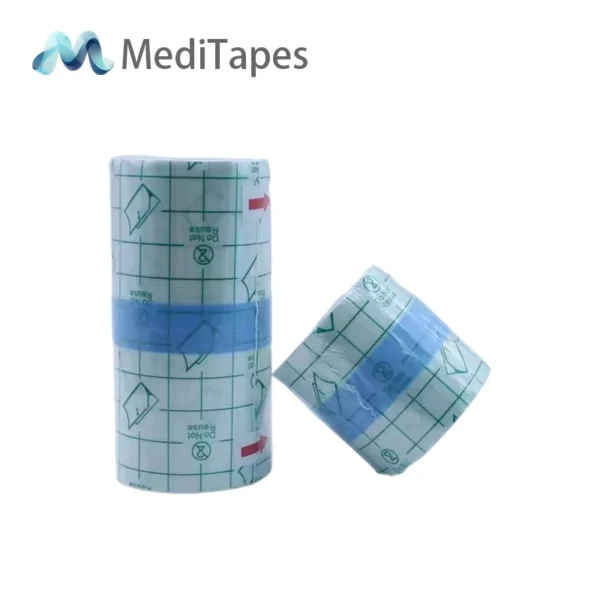
Flexibler PU-Folien-Fixierrollverband – Wasserdichte IV- und Kanülenfixierung
Sichern Sie die Stabilität mit unserer flexiblen PU-Folien-Fixierrolle, die speziell für die wasserfeste Fixierung von Infusionen und Kanülen entwickelt wurde. Die ultradünne Polyurethanfolie fungiert als Bakterienbarriere und senkt das Infektionsrisiko. Ihre Elastizität ermöglicht den Patienten volle Bewegungsfreiheit, was sie zu einem Standardprodukt für die postoperative Pflege und Kathetersicherung macht.
FAQ: Logistische Herausforderungen für medizinische Verbrauchsmaterialien
F1: Kann ich medizinische Klebebänder per Luftfracht versenden, um Zeit zu sparen?
A: You kann, aber es ist extrem teuer. Luftfracht wird nach dem “frachtpflichtigen Gewicht” (Volumen vs. tatsächliches Gewicht) berechnet. Medizinische Klebebänder sind voluminös. Wir empfehlen Luftfracht in der Regel nur für Notfallmuster oder schwerwiegende Lagerengpässe (vielleicht 5 % Ihrer Bestellung). Für den Rest sollten Sie bei besserer Planung auf Seefracht setzen.
F2: Wie handhaben Sie “LCL”-Sendungen (Less than Container Load) bei kleineren Bestellungen?
A: LCL ist riskanter, da Ihre Waren mit den Gütern anderer Personen (vielleicht schwere Maschinen oder Chemikalien) gemischt werden. Wenn wir LCL versenden, erstellen wir eine “Umverpackung”. Wir verwenden Holzkisten oder verstärkte Kantenschutzwinkel auf Paletten, um sicherzustellen, dass die Fracht anderer unsere medizinischen Klebebänder nicht zerdrückt.
Q3: Wer zahlt für die Versicherung?
A: Dies hängt von den vereinbarten Incoterms ab. Wenn wir CIF (Cost, Insurance, and Freight) verkaufen, übernehmen wir die Versicherung, bis die Ware Ihren Hafen erreicht. Wenn es FOB (Free on Board) ist, kümmern Sie sich um die Versicherung. Profi-Tipp: Schließen Sie immer, wirklich immer eine Transportversicherung ab. Sie ist günstig (in der Regel 0,1 % – 0,3 % des Rechnungswertes) und bewahrt Sie vor einer totalen Katastrophe.
Bringen wir Ihre Waren sicher ans Ziel
Sehen Sie, die Herstellung von hochwertigem Klebeband ist nur die halbe Miete. Es unbeschadet in Ihr Lager zu bringen, ist die andere Hälfte. Sie sollten nicht schlaflos sein, weil Sie sich Sorgen um zerdrückte Kartons oder geschmolzenen Klebstoff machen.
Bei MediTapes, wir behandeln die Logistik mit der gleichen Präzision wie die Fertigung. Wir machen das schon lange genug, um zu wissen, wo die Schlaglöcher sind und wie man sie umfährt.
Sind Sie es leid, sich mit beschädigten Sendungen oder undurchsichtigen Versandplänen herumzuschlagen?
Folgendes sollten Sie tun:
- Prüfen Sie Ihren aktuellen Lagerbestand: Sehen Sie zerdrückte Kartons?
- Kontaktieren Sie uns: Senden Sie uns eine E-Mail an info@meditapes.com.
- Angebot anfordern: Lassen Sie uns Ihnen zeigen, wie wir die Zuverlässigkeit Ihrer Lieferkette verbessern können, ohne das Budget zu sprengen.
Lassen Sie nicht zu, dass eine mangelhafte Logistik Ihre Margen schmälert. Kontaktieren Sie uns noch heute und lassen Sie uns Ihre nächste Sendung ordnungsgemäß planen.