Schauen Sie, wenn Sie lange genug am Spielfeldrand standen, kennen Sie dieses Gefühl. Es ist die 70. Minute, der Platz ist ein schlammiges Chaos und Ihr Star-Flanker signalisiert der Bank. Sein Tape-Verband hat sich gelöst. Schon wieder.
Es gibt nichts Schlimmeres für einen Physiotherapeuten oder Athletiktrainer, als zuzusehen, wie sich die eigene Arbeit im Live-Fernsehen auflöst. Es geht nicht nur darum, unprofessionell zu wirken; es geht um die Sicherheit des Spielers. Genau aus diesem Grund hat sich der Trend im Profisport – insbesondere bei kontaktreichen Sportarten wie Rugby und American Football – massiv in Richtung Schweres EAB-Tape (Elastische Klebebinde) zur kritischen Gelenkstabilisierung.
Wir sprechen hier nicht von diesem dünnen, von Hand reißbaren Zeug, das man in der örtlichen Apotheke kauft. Wir sprechen von hoch belastbarer, zugfester Ausrüstung, die man mit der Schere schneiden muss und die sich wie ein Sicherheitsgurt für Ihre Bänder anfühlt.
Bei MediTapes, wir beschäftigen uns täglich damit. Wir sehen die Bestellungen der Profis, und sie fragen nicht mehr nach dem billigen Zeug. Sie wollen die robusten Rollen. Lassen Sie uns untersuchen, warum.
Das Problem mit “Standard”-Bandagierungen
Jahrelang war starres Zinkoxid-Tape der Goldstandard. Einfach das Gelenk fixieren, oder? Wenn es sich nicht bewegen kann, kann es nicht verletzt werden.
Nun ja, ja und nein.
Das Problem bei reiner Steifigkeit ist, dass die menschliche Biomechanik nicht statisch ist. Wenn man ein Sprunggelenk oder ein Knie mit starrem Tape komplett ruhigstellt, bringt man die kinetische Kette durcheinander. Die Kraft muss irgendwohin. Wenn das Sprunggelenk keinen Millimeter nachgibt, wandert das Drehmoment das Schienbein hinauf und zerstört das Knie. Oder es geht in die Hüfte.
Hier kommt Profisport-EAB kommt ins Spiel.
Sie benötigen ein Material, das das bietet, was ich “Dynamischen Widerstand” nenne. Es muss am Ende des Bewegungsumfangs (ROM) felsenfest sein, um eine Verstauchung zu verhindern, aber es muss gerade genug Rückstellkraft haben, um funktionelle Bewegungen zu ermöglichen.
Standard- oder “Light”-EABs (die reißbare Variante) eignen sich hervorragend für Kompression oder zum Fixieren eines Kühlakkus. Aber zur Stabilisierung? Da sind sie nutzlos. Sie leiern zu schnell aus. Nach zehn Minuten Laufen bietet ein leichtes EAB keinerlei mechanische Unterstützung mehr. Zu diesem Zeitpunkt ist es nur noch eine Socke.

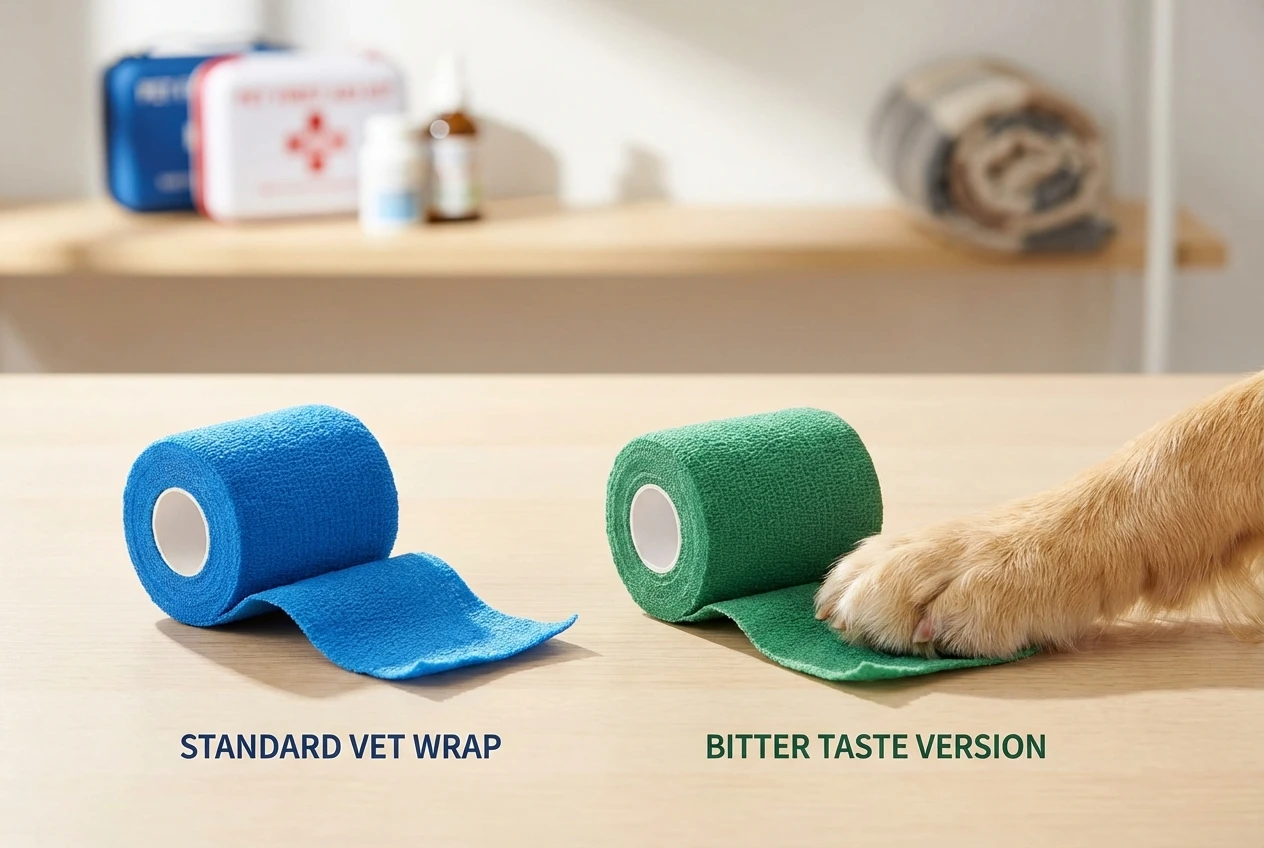
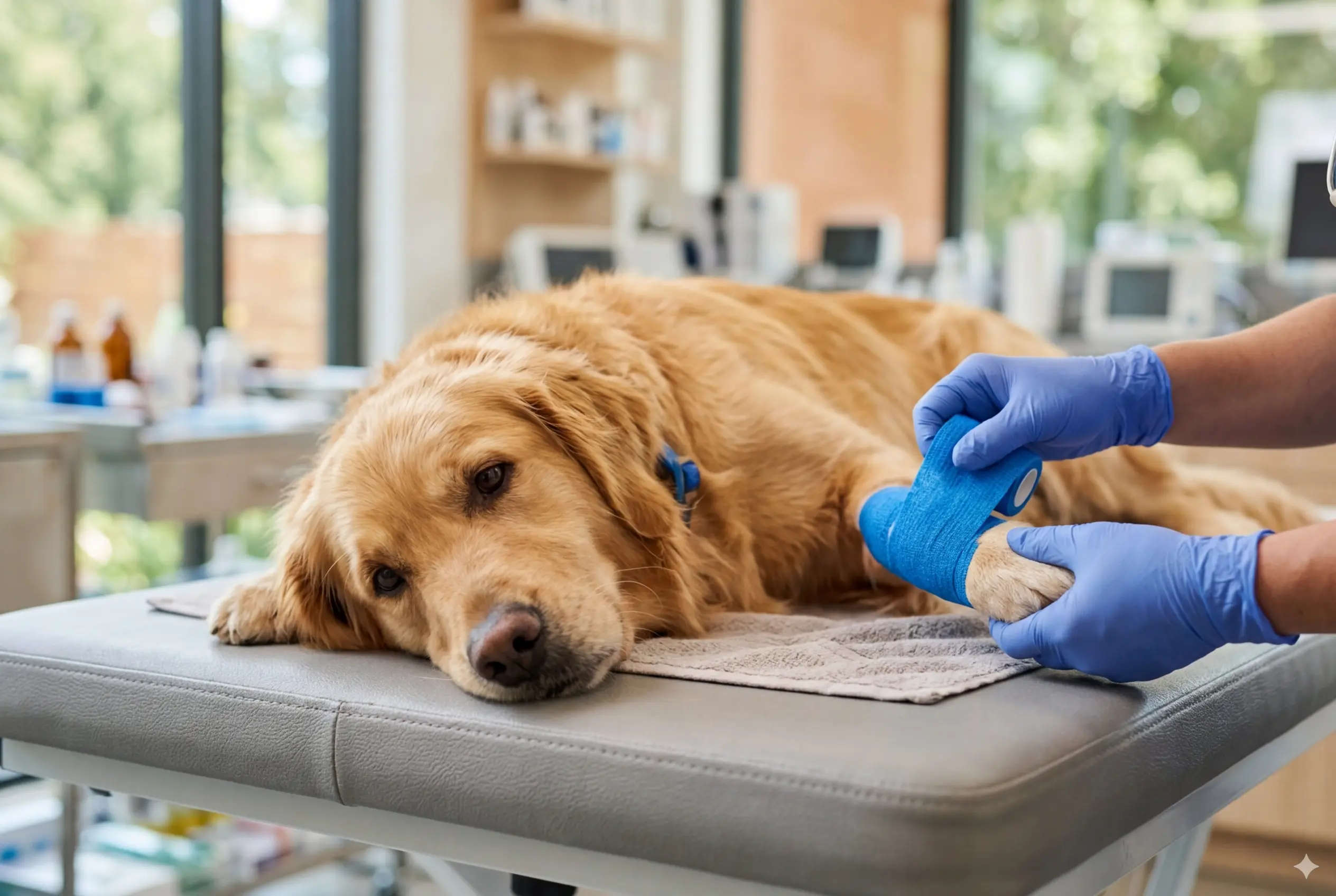
Poröse elastische Klebebinde (EAB) für veterinärmedizinische Wundverbände und Unterstützung
Die poröse elastische Klebebinde (EAB) wurde speziell für veterinärmedizinische Anwendungen entwickelt und bietet eine sichere Fixierung von Wundverbänden sowie Gelenkunterstützung. Diese elastische Klebebinde zeichnet sich durch hervorragende Atmungsaktivität und starke Haftung für die Tierpflege aus.
Die elastische Klebebinde ist ideal für Pferde, Hunde und andere Tiere geeignet. Sie lässt die Haut atmen und bietet gleichzeitig eine feste Kompression, um Wunden zu schützen und Gliedmaßen während der Heilung zu stabilisieren.
Unsere hochwertige elastische Klebebinde gewährleistet dauerhaften Halt in anspruchsvollen veterinärmedizinischen Umgebungen und ist damit ein Muss für Kliniken und Fachkräfte im Bereich der Tiergesundheit.
Was ist eigentlich schweres EAB?
Lassen Sie uns ein wenig technisch werden, aber ich werde es einfach halten.
Schweres EAB wird durch das Gewicht des Gewebes und die Art des verwendeten Garns definiert. Wir messen die Gewebedichte in GSM (Gramm pro Quadratmeter).
- Leichtes EAB: In der Regel etwa 110-130 GSM.
- Schweres EAB: Liegt üblicherweise bei 180-200+ g/m².
Die Bezeichnung “Schwer” rührt von dem hochgedrehten Baumwollgarn her. Es handelt sich nicht einfach um einen dickeren Faden, sondern er ist fester gesponnen. Dies sorgt für eine wesentlich höhere Zugfestigkeit. Wenn man an einem Streifen schwerem EAB zieht, leistet es Widerstand. Es verfügt über eine starke Rückstellkraft.
Wenn man dies als Gelenkstabilisierungstape, anwendet, wirkt diese Rückstellkraft wie ein externes Band.
Die Mathematik der Stabilität
Ich möchte Sie nicht mit Physik langweilen, aber das ist wichtig. Die Wirksamkeit einer Taping-Technik lässt sich grob durch die Steifigkeit des Materials ($k$) im Verhältnis zu der durch die Bewegung des Athleten ausgeübten Kraft ($F$) modellieren.
$$ F_{stabilization} = k \times \Delta x $$
Wobei $\Delta x$ die Dehnungsstrecke ist. Bei starrem Tape ist $k$ extrem hoch, aber sobald es nachlässt oder der Klebstoff verrutscht, sinkt $k$ auf null. Bei schwerem EAB bleibt $k$ während der gesamten Bewegung konstant. Es absorbiert Energie.
Wenn ein 100 kg schwerer Linebacker die Richtung ändert, ist die Krafteinwirkung auf den Knöchel massiv. Schweres EAB absorbiert einen Teil dieser Spitzenlast, während starres Tape diese direkt auf die Haut (was Blasen verursacht) oder den Knochen überträgt.
Vergleichende Analyse: Die Wahl der richtigen Ausrüstung
Ich habe diese Tabelle zusammengestellt, um Ihnen genau zu zeigen, welchen Platz schweres EAB in Ihrer Ausrüstungstasche einnimmt. Wenn Sie Ihren Vorrat an Bedarf für Sportphysiotherapeuten, aufstocken, müssen Sie den Unterschied kennen.
| Merkmal | Starres Zinkoxid-Tape | Leichtes/reißbares EAB | Schweres EAB (Die Profi-Wahl) |
|---|---|---|---|
| Hauptverwendungszweck | Vollständige Immobilisierung | Kompression / Fixierverband | Dynamische Unterstützung / Bänderentlastung |
| Zugfestigkeit | Sehr hoch | Niedrig | Hoch |
| Elastizität | 0% | 150%+ | ~60–70 % (kontrolliert) |
| Anwendung | Handreißbar | Handreißbar | Mit der Schere schneidbar (üblicherweise) |
| Klebstoff | Stark | Leicht/Mittel | Aggressiv |
| Ideal für | Knöchelfixierungen | Muskeleinblutungen | Knie (MCL/LCL), Schultern, Ellbogen |
Warum der Klebstoff wichtiger ist, als Sie denken
Hier ist eine kontroverse Meinung: Das Gewebe spielt keine Rolle, wenn der Kleber nichts taugt.
Sie können das stärkste Kevlar-Gewebe der Welt haben, aber wenn der Klebstoff im ersten Viertel durch Schweiß abgelöst wird, ist er wertlos. Schweres EAB ist in der Regel mit einem Klebstoff auf Zinkoxidbasis kombiniert, der oft porös ist, damit Schweiß entweichen kann.
Da das Gewebe schwerer ist, muss der Klebstoff stärker sein. Er muss das Eigengewicht des Tapes sowie die darauf ausgeübte Spannung tragen. Dies ist der Grund, warum Sie beim Durchstöbern unseres Elastische Klebebandagen-Serie, feststellen werden, dass wir die Klebstoffverteilung besonders betonen.
Wir verwenden eine spezielle Musterbeschichtung. Wenn der Kleber flächig aufgetragen ist, schließt er Feuchtigkeit ein. Die Haut weicht auf (Mazeration) und das Tape verrutscht. Ein poröser oder musterbeschichteter Klebstoff lässt die Haut atmen und sorgt dafür, dass die Haftung über 80+ Minuten Spielzeit bestehen bleibt.

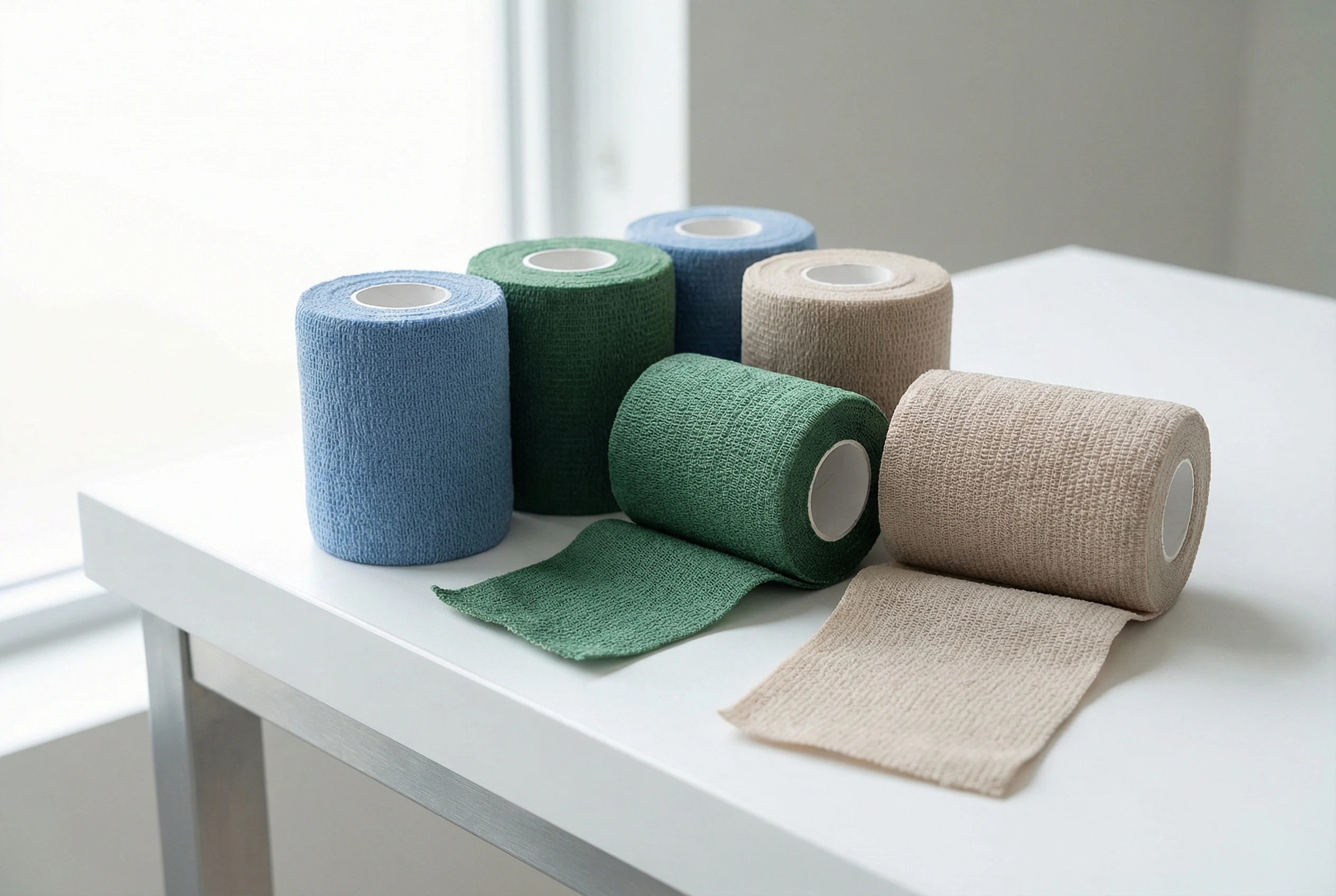
Strapazierfähige elastische Klebebinde – Leicht reißbare Kompressionsbandrolle
Hochbelastbare und dennoch von Hand reißbare elastische Klebebinde für maximale Stabilität. Diese Kompressions-Tape-Rolle kombiniert Festigkeit mit Flexibilität, ideal für das Tapen beim Rugby und Fußball. Das gekreppte Gewebe sorgt für einen rutschfesten Halt. Bestellen Sie noch heute maßgeschneiderte Größen für Ihre Marke.
Anwendungsbeispiel: Das Szenario “Instabiles Knie”
Lassen Sie mich eine Geschichte erzählen (Namen wurden natürlich geändert).
Wir arbeiteten mit einem semi-professionellen Rugby-Club zusammen. Dort gab es einen Zweite-Reihe-Stürmer – ein großer Kerl, etwa 115 kg. Er hatte ein chronisches MCL-Problem. Nicht gravierend genug für eine Operation, aber genug, um ihn verunsichert spielen zu lassen.
Der vorherige Trainer hatte ihn mit unelastischem Tape (Rigid Tape) bandagiert. Der Spieler hasste es. Er sagte, er fühle sich wie mit einem Holzbein. Er konnte nicht richtig laufen und verfehlte daher Tackles.
Wir haben ihn auf Heavy EAB umgestellt.
Die Technik:
- Anker: Wir haben Light EAB am Oberschenkel und an der Wade verwendet, um die Basis vorzubereiten.
- Das X-Kreuz: Wir haben 7,5 cm Heavy EAB verwendet. Wir begannen auf der medialen Seite. Wir haben Streifen in einem ‘X’-Muster über dem MCL angebracht und dabei mit etwa 75 % Zug gearbeitet.
- Die Fixierung: Da das Heavy EAB den erwähnten Rückstoßeffekt hat, dehnte sich das Tape, wenn er sein Knie beugte. Wenn er das Bein streckte oder den Fuß aufsetzte (was das MCL belastete), schnellte das Tape zurück und fing die Belastung ab.
Das Ergebnis:
Er hat das gesamte Spiel bestritten. Danach sagte er uns: “Ich habe ganz vergessen, dass es da war.”
Das ist das größte Kompliment, das man bekommen kann. Wenn der Athlet vergisst, dass das Tape da ist, haben Sie Ihren Job gemacht. Das Heavy EAB lieferte das mechanische Feedback (Propriozeption), das er brauchte, ohne seine Leistung zu beeinträchtigen.
Beschaffung für B2B: Worauf zu achten ist
Wenn Sie Einkaufsleiter oder leitender Athletiktrainer eines Teams sind, ist der Kauf Bedarf für Sportphysiotherapeuten ein Kopfschmerzthema. Die Preise sind extrem unterschiedlich, und die Qualität variiert bei No-Name-Anbietern von Charge zu Charge enorm.
Wenn Sie auf der Suche nach Profisport-EAB, prüfen Sie diese drei Dinge:
1. Die “gefiederte Kante”
Rollen Sie ein Stück des Tapes ab und betrachten Sie die Kanten. Sind sie scharf und hart oder weich und leicht ausgefranst (gefiedert)?
Sie wollen gefiederte Kanten.
Scharfe Kanten bei Heavy EAB wirken wie eine Säge. Wenn das Tape eng auf der Haut liegt und der Muskel sich ausdehnt, schneidet eine scharfe Kante direkt in die Kniekehle oder die Achillessehne des Athleten. Das verursacht unangenehme Schnittwunden. Gefiederte Kanten verhindern dies.
2. Die Kernstabilität
Drücken Sie die Rolle zusammen. Wenn sie sich leicht flach drücken lässt, ist sie zu locker gewickelt oder es ist nicht genug Material vorhanden. Eine gute Rolle Heavy EAB sollte sich fest anfühlen.
3. Die Abrollspannung
Das ist ein subtiler Aspekt. Wenn Sie das Tape von der Rolle abziehen, sollte dies einen gleichmäßigen, festen Zug erfordern. Wenn es sich zu leicht von der Rolle löst, war die Spannung bei der Herstellung unzureichend. Wenn Sie so stark ziehen müssen, dass Ihre Schulter schmerzt, ist der Klebstoff gealtert oder hat sich gesetzt. Es muss die “Goldilocks”-Zone sein.
Bei MediTapes, wir verbringen extrem viel Zeit damit, die Abrollspannung zu testen. Das klingt langweilig, aber wenn man vor einem Spiel 20 Knöchel tapen muss, möchte man nicht gegen die Rolle ankämpfen.
Eine kontroverse Ansicht: Ist Pre-Wrap veraltet?
Ich werde etwas sagen, das einige Trainer der alten Schule verärgern könnte: Verwenden Sie nicht mehr so viel Pre-Wrap (Schaumstoff-Untertape) unter Heavy EAB.
Ich sehe Trainer, die fünf Schichten Schaumstoff auftragen und dann teures Heavy EAB darüber anbringen.
Sie tapen den Schaumstoff, nicht den Athleten!
Der Schaumstoff rutscht auf der Haut. Das Tape rutscht auf dem Schaumstoff. Sie haben gerade zwei Schichten für potenzielles Verrutschen geschaffen.
Damit Heavy EAB zur Gelenkstabilisierung, funktioniert, benötigt es Halt.
Idealerweise rasieren Sie die Stelle und tragen das Tape direkt auf. Wenn eine Rasur nicht möglich ist, verwenden Sie eine minimale Menge Haftspray und vielleicht eine einzige, dünne Schicht Pre-Wrap. Aber ehrlich gesagt: Damit das schwere Material funktioniert, muss es die Anatomie direkt greifen.
Wenn Sie wegen Hautreaktionen besorgt sind, verwenden Sie anstelle von losem Schaumstoff ein hochwertiges, hypoallergenes Untertape (wie Fixomull oder Hypafix).

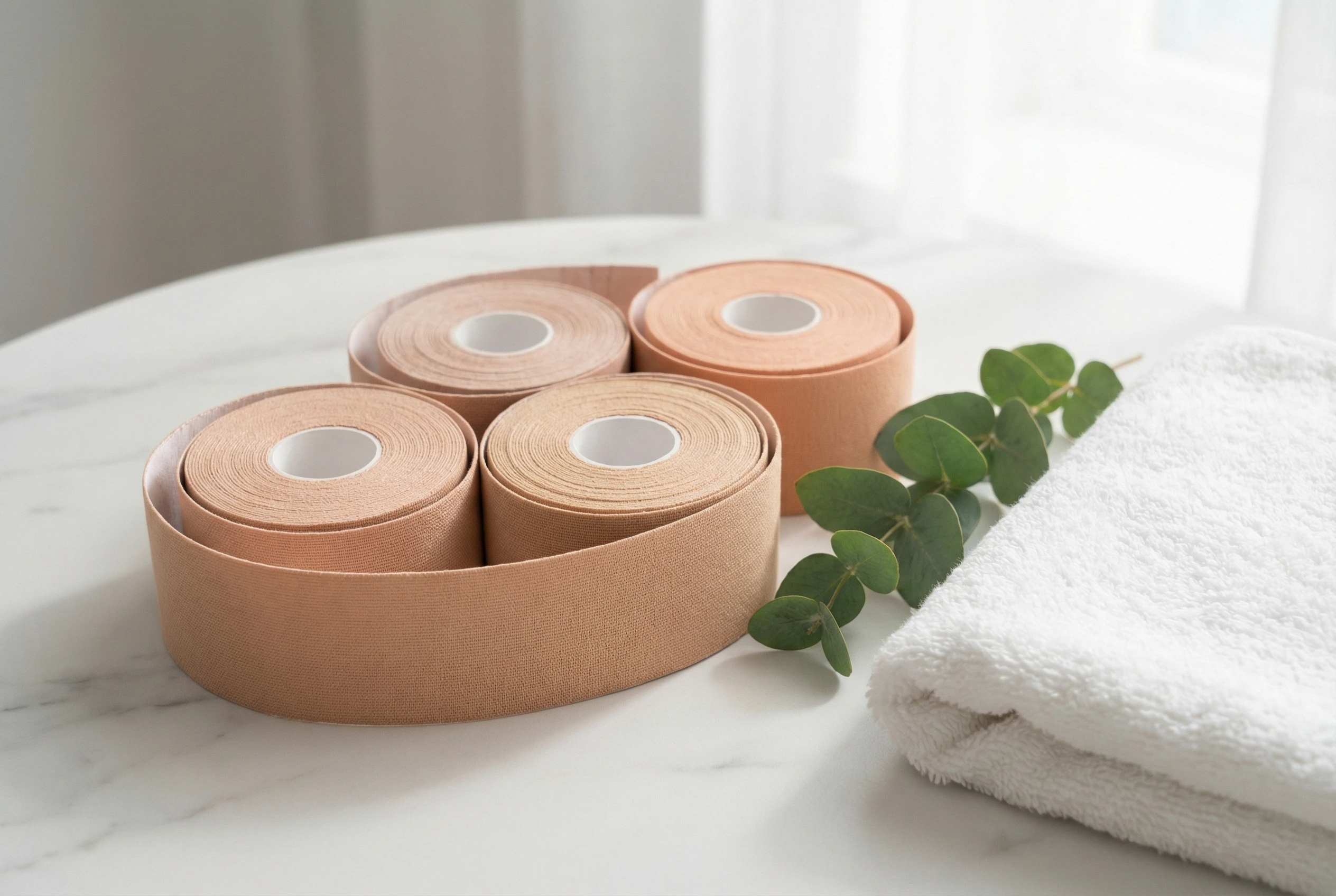
Schwere elastische Klebebinde (EAB-Tape) zur Unterstützung bei Sportverletzungen
Diese schwere elastische Klebebinde (EAB) bietet maximale Kompression für Gelenkstabilität. Unser EAB-Tape wurde für die Sportmedizin entwickelt und zeichnet sich durch starke Haftung und atmungsaktives Baumwollgewebe aus. Ideal zur Fixierung schwerer Verbände oder zur Unterstützung bei Zerrungen. Zuverlässige elastische Klebebinde für den professionellen Einsatz.
Integration mit anderen Produkten
Heavy EAB funktioniert nicht alleine. Es ist Teil eines Systems.
Normalerweise sieht der Aufbau wie folgt aus:
- Fixiertape: Basisschicht zum Schutz der Haut.
- Schweres EAB: Die Arbeitsschicht. Bietet die mechanische Unterstützung.
- Unelastisches Tape (Rigid Tape): Die Fixierschicht. Wird sparsam oben aufgetragen, um die Enden der Heavy EAB zu fixieren, damit sie sich nicht ablösen.
Wenn Sie unsere Website unter MediTapes, besuchen, werden Sie sehen, dass wir diese kategorisiert haben, damit Sie das vollständige System aufbauen können. Man kann nicht einfach eine Art von Tape anbringen und auf das Beste hoffen.
Häufige Fehler beim Anlegen von Heavy EAB
Sogar die Profis machen Fehler. Hier sind einige Dinge, die Sie vermeiden sollten, damit Sie nicht wie ein Anfänger wirken.
- Tourniquet-Effekt: Da Heavy EAB einen starken elastischen Rückzug hat, führt eine Anwendung mit 100% Dehnung beim Wickeln um eine Gliedmaße dazu, dass die Blutzufuhr unterbrochen wird. Wenn sich der Muskel während des Trainings mit Blut füllt, wird das Tape die Gliedmaße abschnüren. Faustregel: Legen Sie niemals vollständig umlaufende Verbände mit mehr als 50% Spannung an.
- Faltenbildung: Heavy EAB ist dick. Wenn es Falten wirft, entsteht ein Druckpunkt, der sich wie ein Kieselstein im Schuh anfühlt. Streichen Sie es beim Anlegen glatt.
- Die Achse verfehlen: Wenn Sie verhindern wollen, dass ein Knöchel nach außen knickt, und das Tape gerade von oben nach unten anbringen, haben Sie die physikalischen Gesetze missachtet. Sie müssen das Tape spiralförmig gegen die Kraftlinie führen.
Häufig gestellte Fragen
Hier sind die Fragen, die ich normalerweise per E-Mail oder auf dem Spielfeld erhalte.
F1: Kann ich Heavy EAB von Hand reißen?
Antwort: Im Allgemeinen nein. Oder zumindest sollten Sie es nicht versuchen. Wenn Sie extrem kräftig sind und massive Unterarme haben, können Sie es vielleicht reißen, aber Sie ruinieren die Kante und lassen das Gewebe ausfransen. Verwenden Sie immer eine Verbandschere oder einen Tape-Cutter. Das sieht sauberer aus und bewahrt die Integrität des Verbandes.
F2: Ist Heavy EAB wiederverwendbar?
Antwort: Absolut nicht. Sobald der Klebstoff gehaftet hat und die elastischen Fasern gedehnt sowie Schweiß und Hitze ausgesetzt waren, sind die mechanischen Eigenschaften verloren. Es ist ein Einwegprodukt. Sparen Sie nicht an der Sicherheit.
Q3: Warum ist Heavy EAB teurer als Rigid Tape?
Antwort: Komplexität in der Herstellung. Starres Tape ist lediglich Baumwollgewebe mit Klebstoff. Heavy EAB erfordert das Einweben elastischer Fäden in die Baumwollmatrix, Hochdrehspinnen und ein komplexeres Beschichtungsverfahren, um sicherzustellen, dass der Klebstoff auf dem flexiblen Gewebe haftet. Sie bezahlen für die Technologie, die “Stabilität bei Bewegung” ermöglicht.”
Q4: Wie lange kann ich Heavy EAB angelegt lassen?
Antwort: Es ist für die Dauer der Aktivität (1–3 Stunden) konzipiert. Lassen Sie es nicht über Nacht angelegt. Die Kompression kann die Durchblutung während des Schlafes beeinträchtigen, und der Klebstoff kann die Haut reizen, wenn er länger als 24 Stunden verbleibt.
Sind Sie bereit, Ihre Ausrüstung aufzurüsten?
Sehen Sie, wir wissen, dass Sie die Wahl haben. Aber wenn Sie unbeständige Stoffe, schwache Klebstoffe oder Tapes leid sind, die mitten im Spiel aufgeben, ist es an der Zeit, sich folgendes anzusehen: MediTapes.
Wir verkaufen nicht einfach nur Tape; wir verstehen die Mechanik des Sports. Unser Elastische Klebebandagen-Serie ist für das professionelle Umfeld konzipiert, in dem Versagen keine Option ist.
Enttäuschen Sie Ihre Athleten nicht mit minderwertiger Ausrüstung.
- Möchten Sie ein Muster? Wir können Ihnen wahrscheinlich eines zur Verfügung stellen.
- Benötigen Sie Staffelpreise für die Saison? Das bieten wir ebenfalls an.
Schreiben Sie uns eine Nachricht. Wir sprechen Ihre Sprache.
Kontaktieren Sie uns noch heute:
- Web: Kontaktseite
- E-Mail: info@meditapes.com
- Website: https://meditapes.com/
Geben Sie Ihren Athleten die Stabilität, die sie verdienen. Sorgen wir dafür, dass sie im Spiel bleiben.