Walk into any retail pharmacy or scroll thru Amazon, and you’ll see a sea of boring white boxes. Honestly, selling anti-snoring products has gotten ridiculously competitive lately. If you’re a brand trying to grab a consumer’s attention, sticking your product in a cheap, flimsy carton just doesn’t cut it anymore. You need real shelf appeal.
We are seeing a massive shift in how brands approach custom packaging nasal strips. The days of plain medical-looking packaging are gone. Today’s consumers want something that feels like a premium wellness product, not a clinical treatment for an embarrassing problem.
And the market size backs this up. According to a 2025 report from Arizton, the global anti-snoring devices market was valued at USD 1.42 billion in 2024 and is expected to hit a staggering USD 2.28 billion by 2030, growing at an 8.20% CAGR. With that much money on the table, brands are fighting tooth and nail for market share. If your custom packaging nasal strips look outdated, your customers will simply walk right past you and buy from a competitor.
In my years of dealing with B2B sourcing and private label packing, I’ve seen alot of brands completely ignore their packaging strategy until the last minute. This is a massive mistake. Let’s break down exactly why your bespoke nasal dilators box matters, and look at the top 5 packaging formats that actually convert browsers into buyers.
Why Your Bespoke Nasal Dilators Box Matters More Than Ever
Think about the last time you bought something off a store shelf. What made you pick it up?
According to UPrinting’s 2025 packaging statistics, 72% of buyers say packaging design directly influences their purchase decisions. That is a massive number. It means you can have the absolute best snoring strip on the planet, but if the box looks like it was printed in someone’s basement in 1998, nobody is going to trust it.
Retailers know this. When you pitch your product to buyers at big chains, they aren’t just looking at the profit margins. They want to know if your custom packaging nasal strips are going to pop on their shelves. They want to know if your packaging is durable enough to survive warehouse handling without getting crushed.
Here is a slightly controversial take: people in the packaging industry love to preach about 100% sustainability, but sometimes greenwashing is exactly what brands do to cut costs. They use thin, cheap paper, slap a green leaf logo on it, and call it “eco-friendly.” Then the box gets completely crushed in transit. When a customer receives a mangled bespoke nasal dilators box, they instantly think your product is cheap trash. You have to balance aesthetics, durability, and cost.
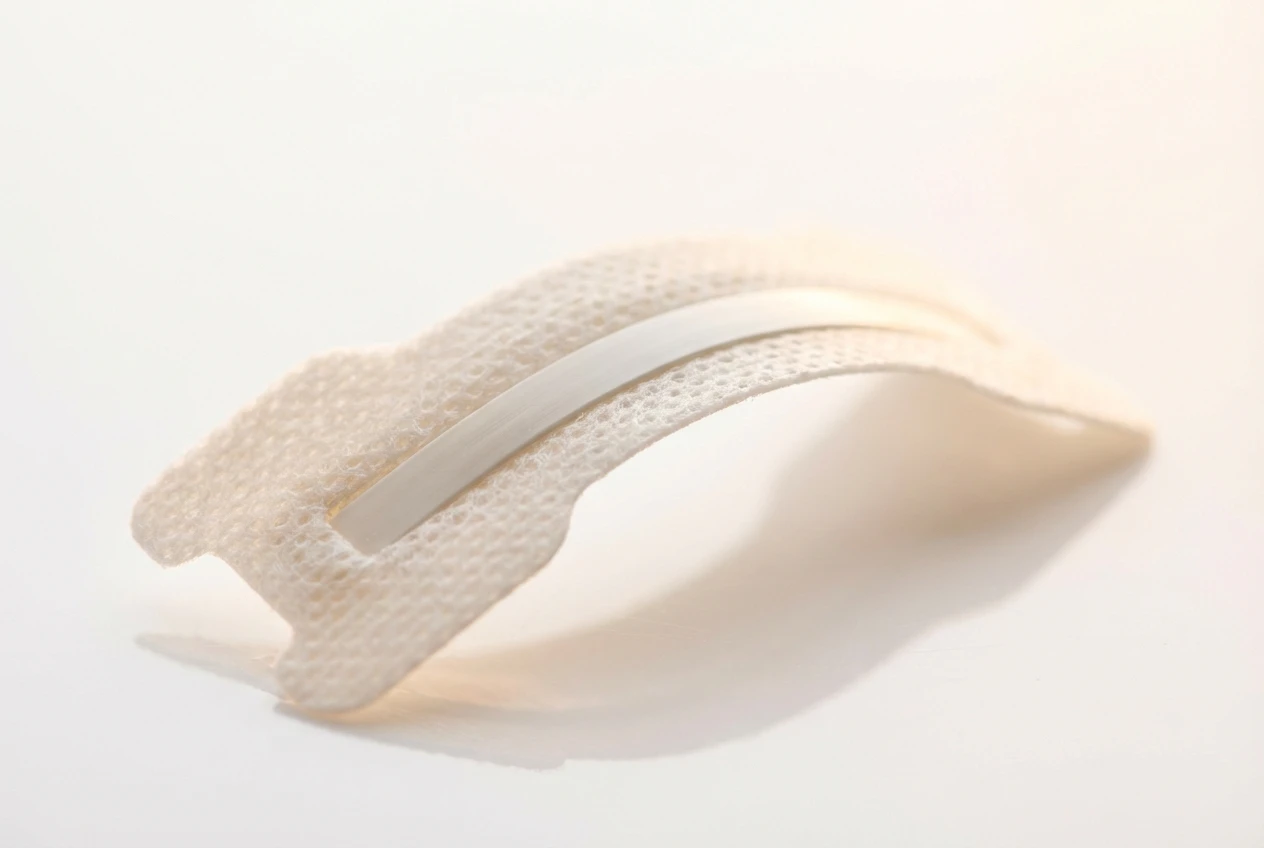
Large & Medium Nasal Strips Manufacturer – Custom Size 55mm 66mm
Direct from the manufacturer: Nasal strips in 55mm, 66mm, and custom sizes. We offer precision-cut strips that fit all nose shapes securely. Our factory ensures competitive pricing for bulk orders. Improve sleep quality for your customers with our proven nasal strip technology.
The Top 5 Custom Packaging Nasal Strips Solutions
If you want to dominate the retail space, you need to know what options are out there. Here are the top 5 formats we see crushing it right now.
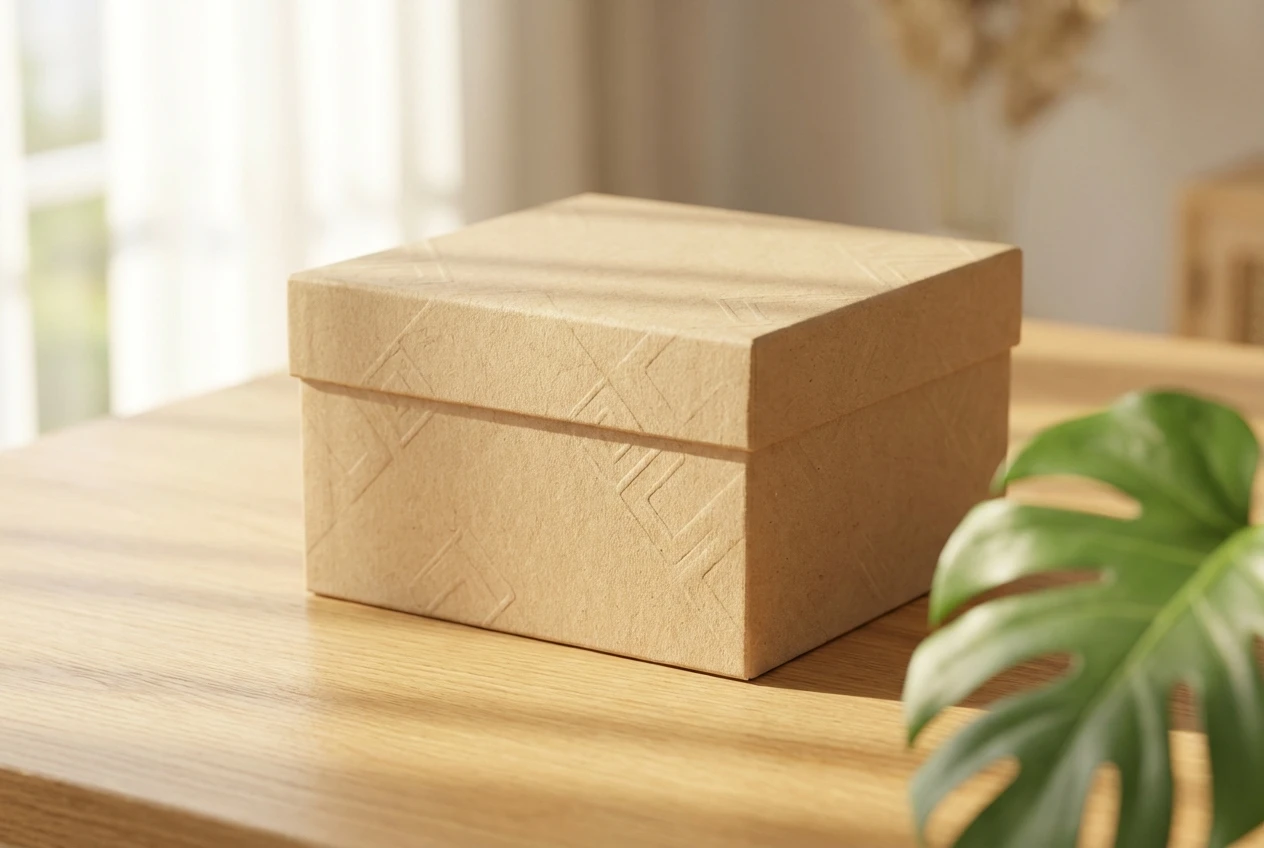
1. Eco-Friendly Kraft Paper Boxes (The Green Choice)
Let’s start with the big one. A 2025 survey by Two Sides North America showed that 67% of consumers prefer paper packaging because it’s the most compostable and biodegradable option out there.
If you’re targeting a younger, environmentally conscious demographic, eco-friendly custom packaging nasal strips are basically mandatory. But remember what I said earlier—don’t use cheap paper. You want to use a high-GSM (grams per square meter) kraft paper or recycled rigid cardboard.
You can make a bespoke nasal dilators box look incredibly premium by using soy-based inks and minimal, earthy designs. This approach not only appeals to the eco-conscious buyer but also positions your brand as a modern, thoughtful wellness company. Plus, paper boxes are lightweight, which heavily reduces your freight costs when shipping large volumes from your wholesale snoring strips supplier.
2. Premium Blister Packs (For Pharmacy Retail)
I know, I know. Plastic is the enemy right now. But here is the raw truth: if you are selling in a massive pharmacy chain, blister packs are sometimes your only option.
Pharmacies love blister packs for custom packaging nasal strips because they prevent theft, guarantee hygiene, and allow the product to be hung on pegboards using a sombrero hole. Blister packs give the consumer visual confirmation of the product before they buy it. They can physically see the strips, which builds trust.
To make this work without destroying the planet, many brands are now using PET plastic (which is highly recyclable) instead of the older, toxic PVC materials. When setting up your private label packing, you can ask your manufacturer to use a blister backing card made from 100% recycled paper. It’s a solid compromise between retail functionality and environmental responsibility.
3. Trendy Blind Boxes (The Gen Z Magnet)
This is where things get genuinely fun. Blind boxes have completely taken over the retail world, especially among Gen Z and younger millennials. But how does this apply to snoring strips?
Snoring is an embarrassing topic. But what if you gamify it? We’ve seen brands create custom packaging nasal strips in the format of a blind box to be sold as gag gifts or novelty items for couples. The buyer gets a box, and inside they might find strips with funny graphics printed on them—like a volume mute button, a sleeping bear, or caution tape.
This takes a boring medical device and turns it into a highly giftable item. Retailers love this because it creates viral moments on TikTok and Instagram. It’s a totally different approach to the bespoke nasal dilators box, and it opens up a completely new revenue stream outside of traditional pharmacies.
4. Smart Packaging with QR Codes
Welcome to 2026. The UPrinting data highlights that over 55% of logistics and retail companies are now using smart packaging with RFID, NFC, or QR codes.
You can easily integrate this into your custom packaging nasal strips. By printing a dynamic QR code on the back of the box, you can link consumers to a video showing them exactly how to apply the strip properly. (Because let’s be real, half the time people complain a strip doesn’t work, it’s because they stuck it on the wrong part of their nose).
You can also use that QR code to capture email addresses by offering a 15% discount on their next refill order. It turns a piece of cardboard into a direct marketing channel. It costs almost nothing to add a QR code during the printing phase, but the return on investment is massive.
5. Travel-Friendly Tin Cases
People who snore don’t just sleep in their own beds. They travel for business, they go camping, and they sleep on airplanes. A crushed paper box sitting at the bottom of a suitcase is a terrible user experience.
Offering custom packaging nasal strips in small, reusable aluminum tin cases is a brilliant way to capture the premium market. Tins feel expensive. They feel permanent. Customers will keep the tin long after they’ve used all the strips, and every time they look at it, they see your logo. If you partner with a capable wholesale snoring strips supplier, you can easily source branded tins that hold 10 to 20 strips perfectly. You can charge a 40% premium for the tin version, instantly boosting your profit margins.
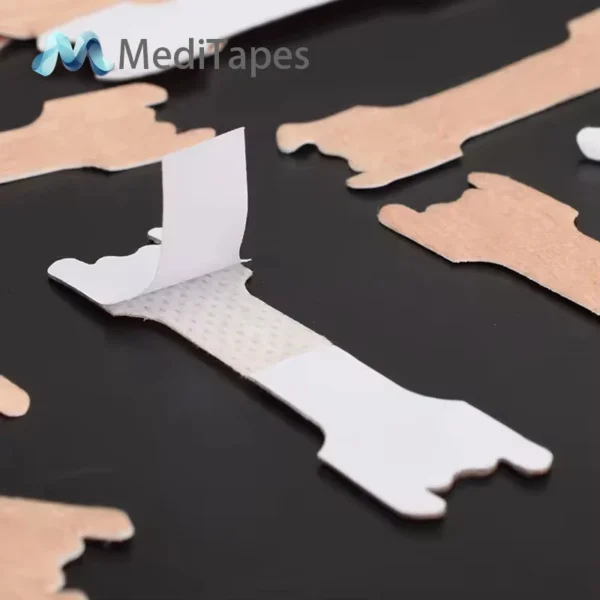
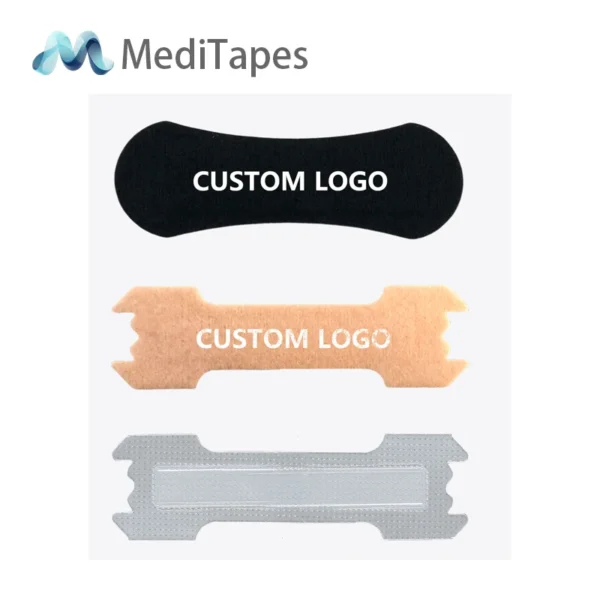
Custom Private Label Nasal Strips: Skin, Blue, Black Colors
Launch your own brand with our private label nasal strips. Available in skin, blue, and black, these strips offer effective congestion relief. We specialize in OEM manufacturing, ensuring high-quality adhesive and custom packaging to meet your specific market needs.
Cost Analysis: Comparing Packaging Formats
When you are ordering tens of thousands of units, a few cents per box can make or break your profitability. I always tell brands to run the numbers before they fall in love with a design.
Here is a simple way to calculate your packaging costs:
Total Cost = ( (M + L) * V ) + S
M = Material cost per unit
L = Labor and assembly cost per unit
V = Total volume (number of units)
S = Setup fees (like die-cutting molds or printing plates)
To make it easy, here is a breakdown of what you can generally expect when sourcing custom packaging nasal strips at a volume of 10,000 units.
| Packaging Type | Average Setup Fee ($) | Cost Per Unit ($) | Shelf Appeal | Best Retail Use Case |
|---|---|---|---|---|
| Eco-Friendly Paper | 100 – 250 | 0.08 – 0.15 | High | Premium Retail, E-commerce |
| Blister Packs | 300 – 500 | 0.05 – 0.12 | Medium | Pharmacies, Supermarkets |
| Blind Boxes | 200 – 400 | 0.15 – 0.30 | Very High | Gen Z Boutiques, Novelty Gifts |
| Smart Packaging (QR) | 150 – 300 | 0.10 – 0.20 | High | Direct-to-Consumer (D2C) |
| Travel Tin Cases | 500 – 800 | 0.40 – 0.80 | Premium | High-end Wellness Shops |
Note: These prices fluctuate based on raw material costs and your specific private label packing requirements.
A Real-World Success Story
I want to share a quick story about a European retail client we worked with last year. I’ll keep them anonymous to protect their business data, but they were struggling to get their anti-snoring product into major supermarkets.
Their original packaging was a generic, glossy white box with a stock photo of someone sleeping. It was boring. The supermarkets wouldn’t even return their calls.
We helped them transition their custom packaging nasal strips into a matte-finish kraft paper box with spot-UV gloss on their logo, and we added a QR code that linked to a sleep-tracking app. We also optimized the dimensions of the bespoke nasal dilators box so that exactly 50 units fit into a standard retail display tray.
The result? They took the new prototype to a buyer meeting and secured a trial run in 300 stores. Within six months, their sales volume tripled. Why? Because the product finally looked like it belonged on a shelf next to premium supplements and high-end cosmetics. Packaging is powerful stuff.
Finding the Right Wholesale Snoring Strips Supplier
You can have the greatest packaging design in your head, but if your manufacturer can’t execute it, you’re dead in the water.
Finding a factory that just makes the strips is easy. Finding a partner that understands the nuances of custom packaging nasal strips and can handle the entire private label packing assembly is much harder. You don’t want to buy strips from Factory A, buy empty boxes from Factory B, and then pay a third-party warehouse to put them together. The logistics will give you a migraine.
At MediTapes, we handle everything under one roof. Whether you need eco-friendly cartons, complex blister packs, or intricate blind box designs, we have the machinery and the expertise to do it right. We ensure your bespoke nasal dilators box is printed perfectly, packed securely, and shipped efficiently.
If you want to see the actual products we manufacture, you can check out our core Nasal Strip category. We don’t just sell tape; we engineer retail-ready solutions.
Drop us a message through our contact us page, or shoot an email directly to info@meditapes.com. We’re ready to help you build a brand that consumers love.
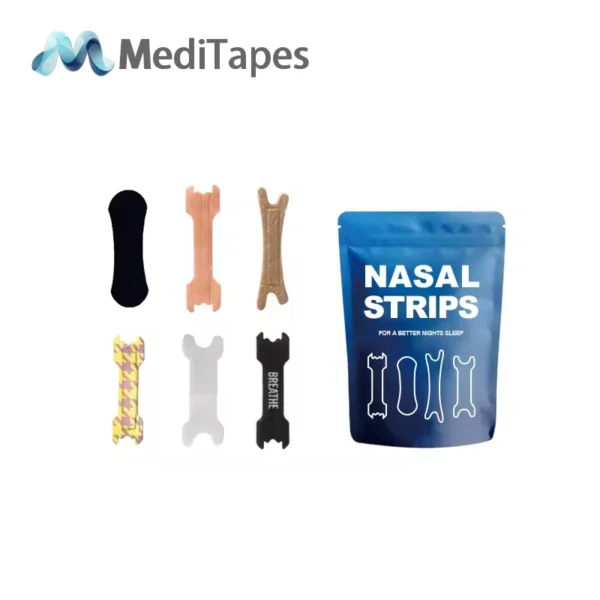
Wholesale Anti-Snoring Nasal Strips for Better Breathing Relief
Breathe better instantly with our premium anti-snoring nasal strips. Designed for maximum airflow, these strips provide drug-free relief from congestion. Ideal for pharmacies and sleep clinics looking for reliable nasal strips bulk supply. Customizable sizes available.
Frequently Asked Questions (FAQ)
1. What is the minimum order quantity (MOQ) for custom packaging nasal strips?
It totally depends on the type of packaging you want. For standard paper boxes, we can usually start around 5,000 to 10,000 units. For more complex items like custom printed travel tins or specific blind box mechanisms, the MOQ might be slightly higher to offset the setup costs of the molds.
2. Can you help us design our bespoke nasal dilators box from scratch?
Absolutely. While we are a wholesale snoring strips supplier, we have packaging experts who understand die-lines, bleed margins, and retail compliance. If you just have a logo and a rough idea, we can provide the templates and guide you through the structural design of the box to make sure it looks great and survives shipping.
3. Are blister packs for custom packaging nasal strips bad for the environment?
They definitely have a higher environmental footprint than paper, but they aren’t completely evil. We can use recyclable PET plastics and recycled paperboard backing cards for your private label packing. Sometimes, blister packs are a necessary compromise if your retail buyers demand tamper-evident, peg-hook packaging.