If you’ve ever dealt with an injured pet or worked in a busy vet clinic, you know how tricky wound care can get. Animals don’t sit still like people do, and their fur, skin differences, and constant movement make bandaging a real challenge. That’s where cotton surgical tape comes in handy – it’s one of those reliable tools that vets reach for time and again.
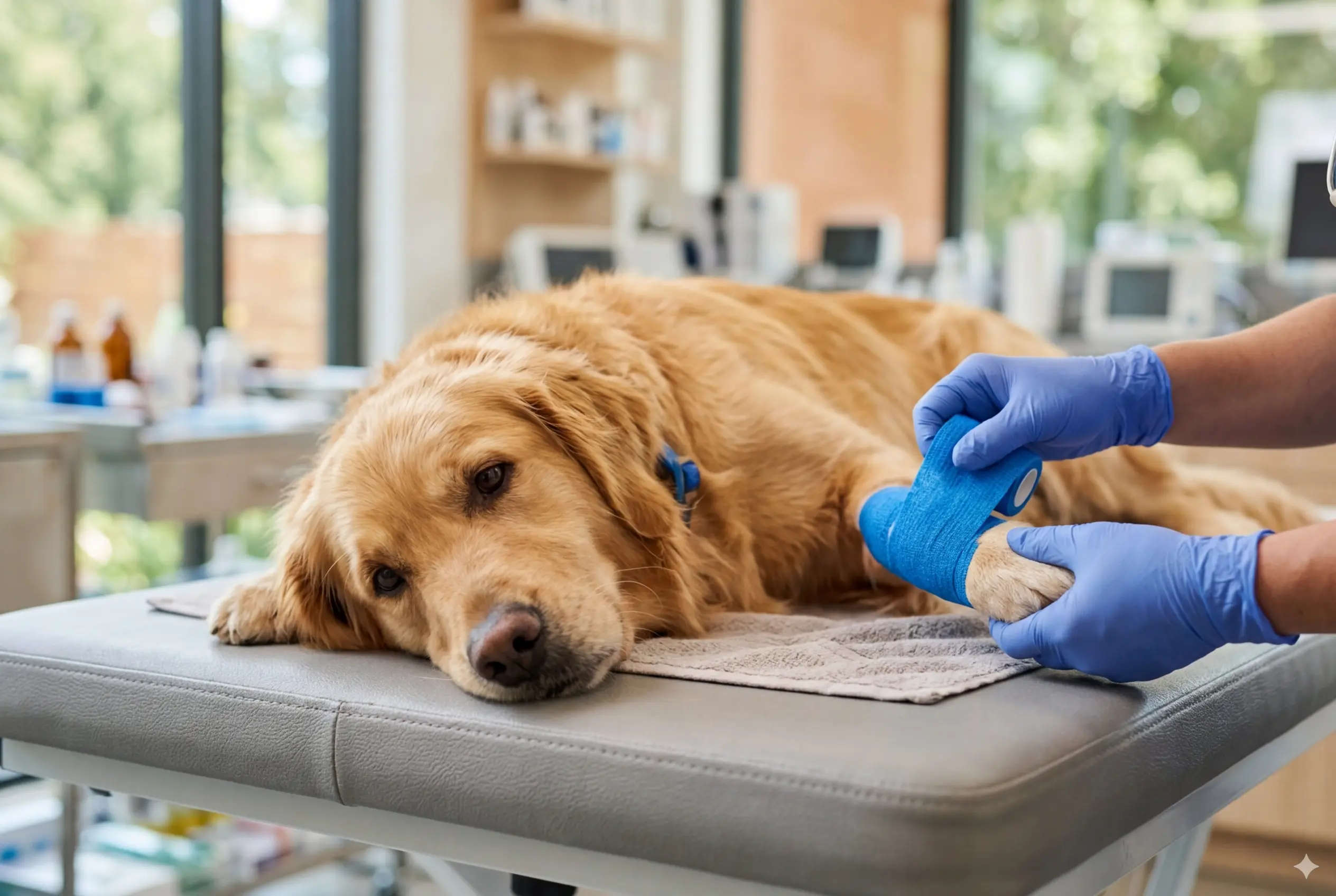
I’ve seen it firsthand in clinics: a simple roll of strong, breathable tape can make all the difference in keeping a dressing secure without irritating the skin. Whether it’s wrapping up a dog’s scraped paw after a rough play session or securing bandages on a horse’s leg, cotton-based tapes hold up well. At MediTapes, we’ve focused on products like our High Strength Cotton Medical Tape because it tears easily by hand, sticks firmly but gently, and lets the skin breathe.
In this guide, we’ll chat about why cotton surgical tape is a go-to for animal wound care, how it fits into everyday vet practices, and some practical tips from real-world use. If you’re running a veterinary clinic and looking for bulk options that won’t let you down, stick around – we’ll cover that too.
Why Cotton Surgical Tape Stands Out in Veterinary Wound Care
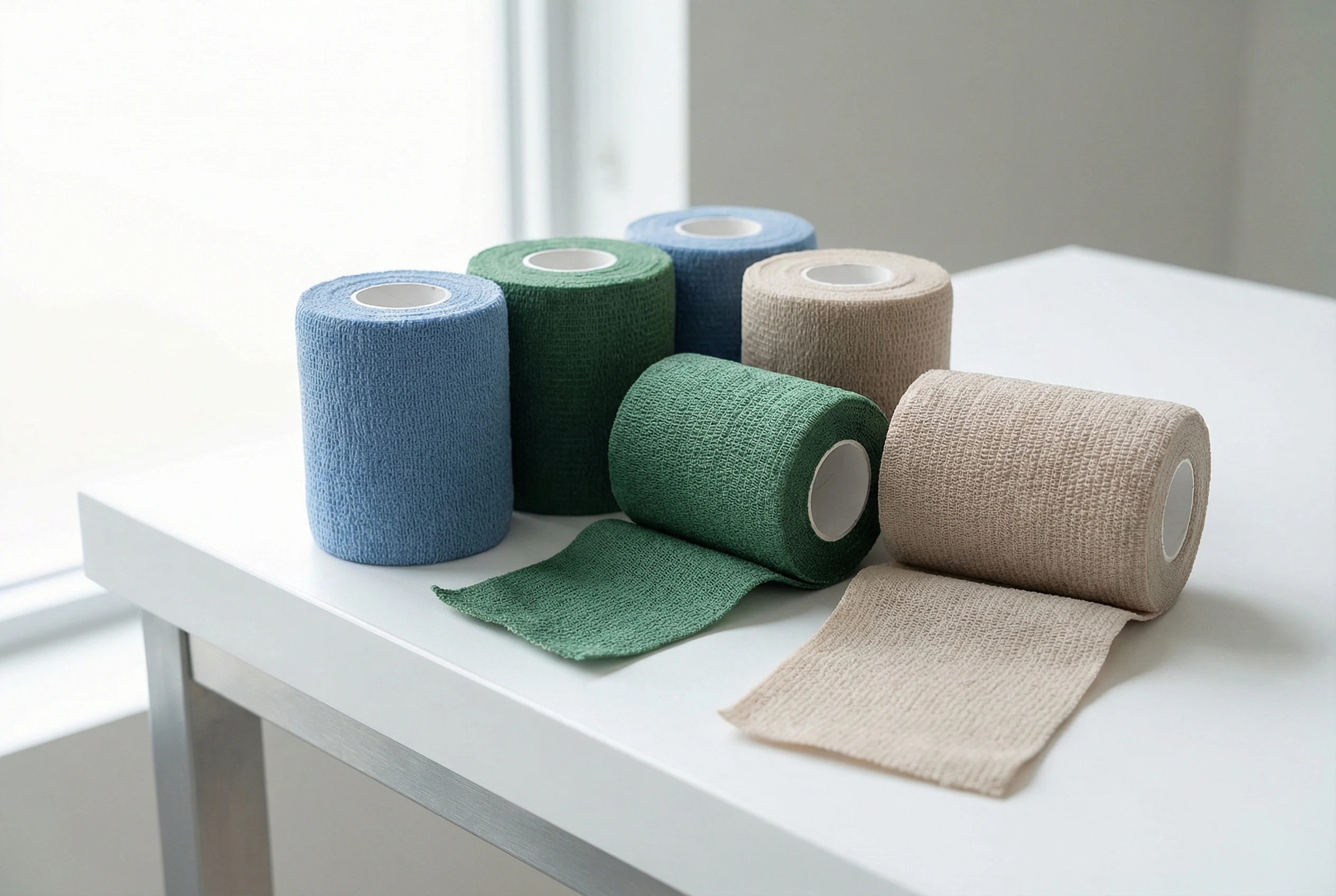
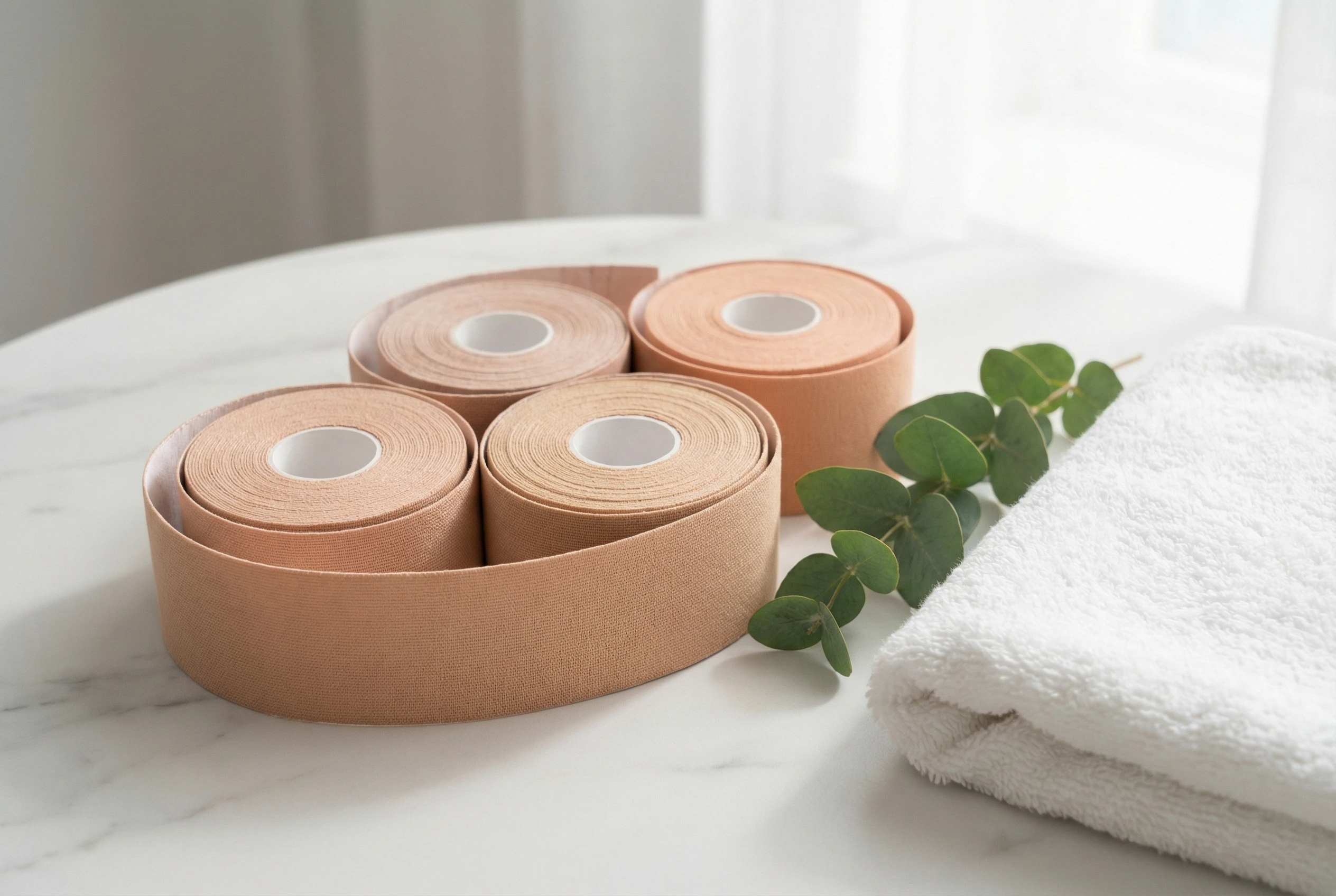
Cotton surgical tape isn’t fancy, but it gets the job done better than a lot of alternatives in animal patients. It’s made from natural cotton fabric, often with a porous design and hypoallergenic adhesive. That means it allows air flow, reduces moisture buildup, and doesn’t pull harshly on fur or sensitive skin when removed.
Compared to plastic-based or super-sticky tapes, cotton ones are gentler. Animals have thicker skin in some areas but can be prone to irritation, especially around wounds. Porous cotton tape helps prevent maceration – that’s when skin gets too soggy and breaks down.
Real data backs this up: Studies on surgical wound infections in dogs and cats show that clean procedures have low infection rates around 2.5%, but contaminated or dirty wounds can jump to 5.8% or even 18.1%. Proper bandaging with breathable materials like cotton tape plays a big role in keeping those numbers down by protecting the wound environment.
In vet clinics, we often use it as the tertiary layer in multi-layer bandages – the outer wrap that secures everything without being too rigid.
Key Benefits of Cotton-Based Veterinary Tape
Here’s a quick table comparing common tape types used in animal care:
| Tape Type | Material | Breathability | Adhesion Strength | Best For | Common Drawbacks |
|---|---|---|---|---|---|
| Cotton Surgical Tape | Natural cotton | High | High, tearable | Securing dressings, general wound care | May need multiple layers for heavy movement |
| Cohesive Bandage (e.g., Vetrap) | Synthetic latex-free | Medium | Self-adhering | Compression, outer protection | Can slip on fur if not applied right |
| Elastic Adhesive | Cotton blend | Medium-High | Very strong | Support on limbs, equine taping | Harder to remove without pulling fur |
| Paper Tape | Microporous paper | High | Low | Sensitive skin, short-term | Not durable for active animals |
| Kinesiology Tape | Elastic cotton | High | Flexible | Muscle support, rehab | Not ideal for heavy exudate wounds |
Cotton surgical tape often wins for versatility, especially in B2B settings where clinics need something reliable for daily use.

High Strength Cotton Medical Tape – Latex Free & Hypoallergenic
Ensure patient safety with our latex-free cotton medical tape. Designed for sensitive skin, this hypoallergenic tape offers high tensile strength for stable immobilization. The cotton medical tape allows skin to breathe while providing durable adhesion. Perfect for surgical fixation and sports injury support.
How Bandages Work in Animal Wound Management
Most vet bandages follow a three-layer system – it’s straightforward but effective.
- Primary Layer: Touches the wound directly. Non-stick pads or medicated dressings go here.
- Secondary Layer: Absorbs fluids and pads the area. Think rolled cotton or cast padding.
- Tertiary Layer: Holds it all together. This is where veterinary tape shines, like cotton surgical tape to lock in place and add light pressure.
For dog wound care, this setup prevents licking and contamination. Dogs are notorious for chewing bandages, so a strong outer tape is crucial.
In one clinic I know of (without naming names), they switched to high-strength cotton tape for post-op cases and saw fewer re-wraps needed – saved time and reduced stress on the pups.
Common Applications in Dog Wound Care
Dogs get into all sorts of scrapes – from pad injuries to bite wounds. Cotton tape is great for:
- Securing gauze over abrasions on legs or paws.
- Wrapping after minor surgeries, like spays or lump removals.
- Holding splints on fractured toes.
Tip: Always check circulation – toes should stay warm and not swell. Change bandages daily if there’s drainage.
A real-world example: A medium-sized mixed breed came in with a deep paw laceration from glass. Cleaned, debrided, and bandaged with cotton padding inside and strong cotton tape outside. Healed cleanly in two weeks with no infection – the breathability helped a ton.
Equine Taping: Where Strength Really Matters
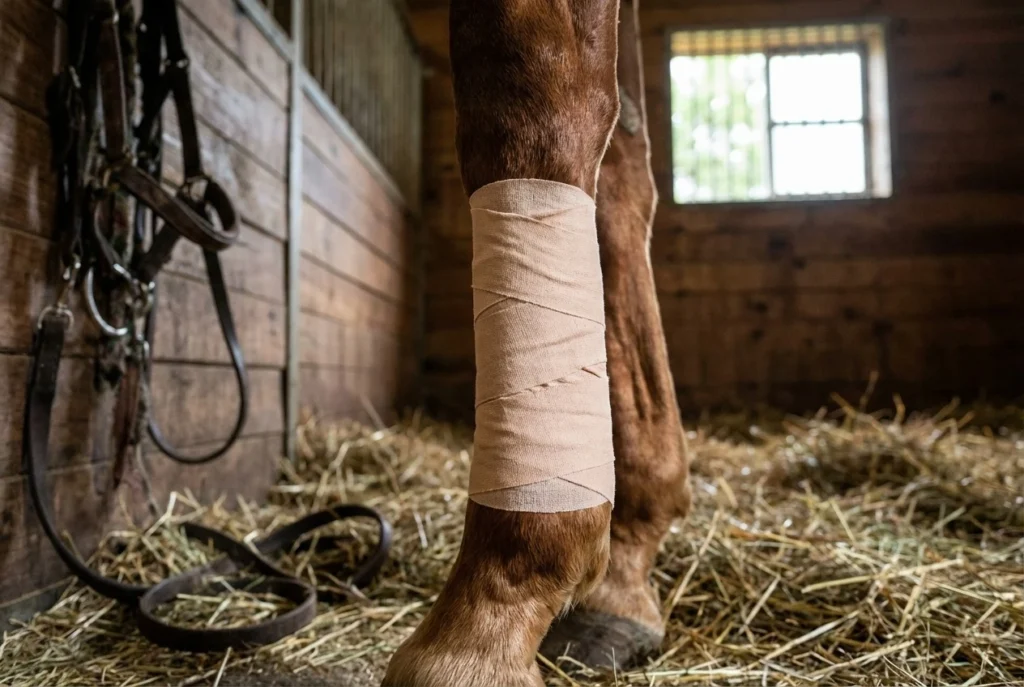
Horses are big, active animals, so equine taping needs tapes that can handle movement and sweat. Cotton surgical tape works well for securing stable bandages or post-injury wraps.
While kinesiology tapes are popular for muscle support in horses, traditional cotton tapes are staples for wound dressings on lower limbs or after tendon strains.
In equine practice, tapes secure poultices or hold padding over hock sores. High-strength versions prevent slipping during turnout.
Anonymous scenario from a large animal vet: A show jumper had a wire cut on the forearm. Used absorbent padding with cotton tape to secure – changed every other day. Full healing without proud flesh, which is common in horses.
For clinics dealing with farm calls, stocking durable cotton tape means fewer emergencies from failed bandages.
Choosing the Right Veterinary Tape for Your Clinic
Not all tapes are equal. Look for:
- Hand-tearable: No scissors needed in a rush.
- Porous: Lets skin breathe, cuts infection risk.
- Hypoallergenic adhesive: Less irritation on removal.
- High tensile strength: Holds on furry, moving patients.
At MediTapes, our High Strength Cotton Medical Tape checks these boxes. It’s designed for tough jobs but gentle on animals.
Many clinics buy in bulk for B2B savings – consistent supply means no running out mid-procedure.
Comparison of Tape Features for Vet Clinics
| Feature | Basic Paper Tape | Standard Cotton Tape | High-Strength Cotton (like MediTapes) |
|---|---|---|---|
| Tear Strength | Low | Medium | High |
| Breathability | High | High | High |
| Adhesion on Fur | Poor | Good | Excellent |
| Cost per Roll (bulk) | Low | Medium | Competitive for quality |
| Ideal Volume for Clinics | Small practices | General use | High-volume, multi-species |
Real-Life Scenarios: How Cotton Tape Makes a Difference
Over years in the field, certain cases stick out.
One: A rescue cat with abscess drains. Used cotton tape to secure tie-over bandages – kept drains in place without sticking to healing tissue.
Another: Farm dog with degloving injury on tail. Multi-layer with cotton outer wrap – healed by second intention, tape changes easy and painless.
In equine: Older horse with chronic leg swelling. Support wraps using strong cotton tape reduced stocking up, improved comfort.
These aren’t miracles – just solid technique with reliable materials.
Tips for Applying Tape in Veterinary Settings
- Clean and dry the area first.
- Overlap wraps by half for security.
- Don’t pull too tight – watch for swelling.
- For fur: Clip if needed, but tape sticks decently on most coats.
- Removal: Peel gently, sometimes with adhesive remover if sticky.
Clinics train techs on this – saves redo’s.
Why Vet Clinics Should Stock Quality Cotton Tape
Running low on supplies mid-day? Nightmare. B2B procurement with reliable vendors like MediTapes ensures you get high-quality rolls consistently.
Our tape is porous, strong, and vet-trusted. Interested in samples or quotes? Reach out via our contact page or email info@meditapes.com.
Explore more at https://meditapes.com/.
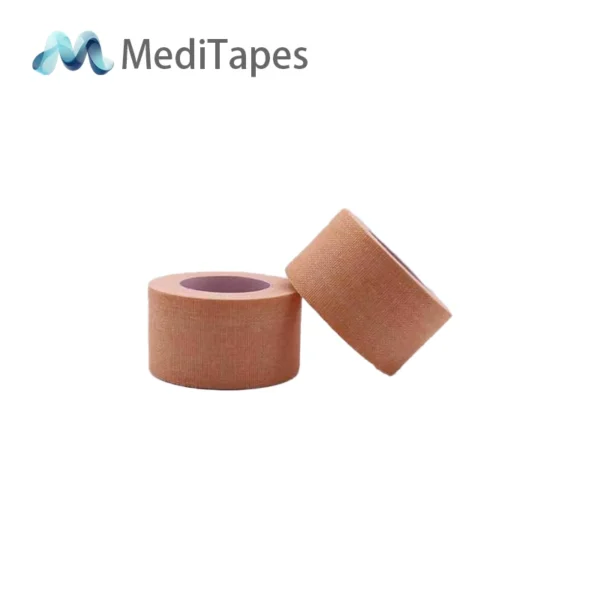
Cotton Surgical Tape with Zinc Oxide Adhesive for Wound Dressing
Secure fixation with premium cotton surgical tape. This breathable tape uses strong zinc oxide adhesive, ideal for securing heavy dressings and catheters. Our cotton surgical tape is tearable by hand and conforms easily to body contours. Trusted by hospitals for reliable wound care management.
Frequently Asked Questions
What’s the best veterinary tape for dog wound care?
Cotton surgical tapes are top choices because they’re breathable and strong. Options like high-strength versions hold well on active dogs without causing skin issues.
Can cotton tape be used for equine taping?
Yeah, absolutely – especially for securing bandages on legs or after injuries. It provides support without restricting too much, great for stable wraps.
How often should I change bandages with cotton tape?
Depends on the wound – daily for draining ones, every 2-3 days for clean healing. Always check for smell, swelling, or slippage.
Is cotton surgical tape safe for sensitive animal skin?
Most are hypoallergenic and porous, reducing irritation. Test a small area if the animal has known sensitivities.
Where can vet clinics buy bulk veterinary tape?
Look for suppliers focused on medical tapes. MediTapes offers B2B options – check our product page for details.
Wound care in animals boils down to keeping things clean, secure, and comfortable. Cotton surgical tape does that quietly but effectively. If your clinic needs dependable supplies, we’d love to chat. Drop us a line at info@meditapes.com or visit https://meditapes.com/contact-us/ for quotes or more info.