If you’ve been in healthcare for any length of time, you’ve probably reached for a roll of cotton fabric surgical tape more times than you can count. It’s that reliable go-to when you need something that sticks well but doesn’t wreck the patient’s skin. But what exactly makes this stuff so special? Let’s break it down in a straightforward way, drawing from years of seeing it in action across clinics, ORs, and even home care setups.
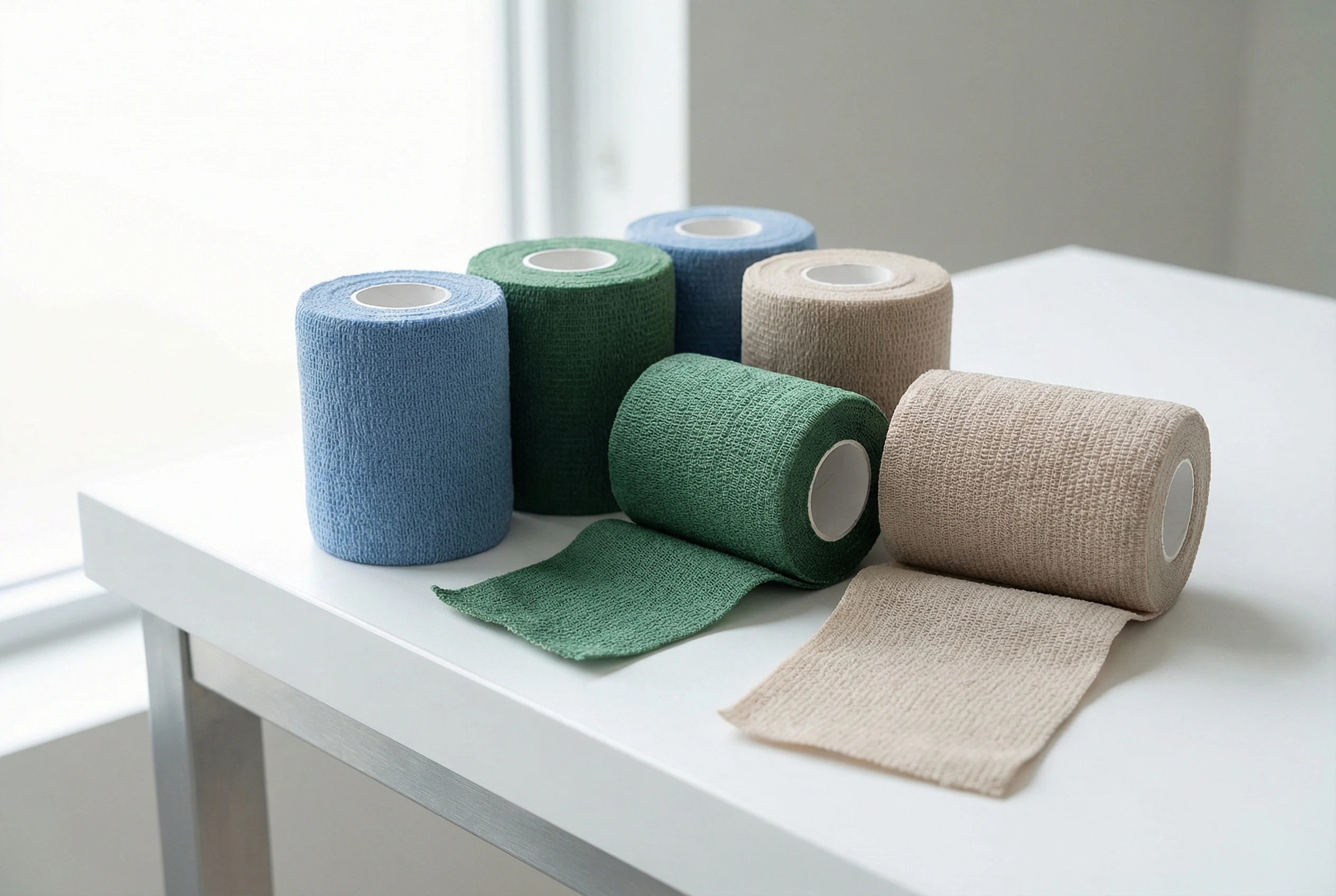
Cotton fabric surgical tape – often called medical cloth tape – is basically a pressure-sensitive adhesive tape with a backing made from cotton cloth. It’s designed to hold dressings, bandages, tubes, or devices in place while letting the skin breathe. Unlike those flimsy paper tapes that fall off too easy or plastic ones that trap moisture, cotton-based versions strike a nice balance: strong enough for tough jobs, gentle enough for sensitive patients.
I’ve seen nurses swear by it for securing IV lines on elderly folks with thin skin, or surgeons using it to keep things stable post-op. And yeah, there’s a variant known as rigid cotton tape, which is non-stretchy and great for providing extra support, like immobilizing joints or strapping heavier dressings.
Why Cotton? The Basics of What It’s Made From
At its core, cotton fabric surgical tape uses a woven or non-woven cotton backing. Cotton’s natural – it’s breathable, absorbent, and hypoallergenic for most people. The adhesive is usually acrylic or zinc oxide-based these days, formulated to be low-irritant.
Here’s a quick table comparing common backing materials in surgical tapes:
| Material | Breathability | Strength | Gentleness on Skin | Common Use Example |
|---|---|---|---|---|
| Cotton Cloth | High | High | Very Good | Securing heavy dressings, tubing |
| Paper | High | Low | Excellent | Fragile skin, light bandages |
| Silk-like Fabric | Medium | High | Good | Durable hold on moving areas |
| Plastic | Low | Very High | Fair | Waterproof needs |
Cotton wins out a lot because it lets air and moisture vapor through, reducing the chance of maceration (that soggy skin issue under dressings). Studies show breathable tapes like these help lower infection risks – for instance, proper ventilation supports better wound healing.
The global surgical tape market is growing steadily, valued around USD 10 billion recently and projected to hit higher figures by 2030, driven by more surgeries worldwide (over 310 million major procedures annually, per reliable reports).

Wholesale Medical Cotton Cloth Tape – CE/ISO Certified Supply
Bulk supply of medical cotton cloth tape for global distributors. Our CE/ISO certified tape ensures medical-grade quality for surgical environments. This medical cotton cloth tape features jagged edges for easy tearing and strong adhesion. Contact us for competitive B2B pricing on bulk orders.
Key Benefits of Using Cotton Fabric Surgical Tape
Over the years, I’ve noticed a few standout perks that keep pros coming back to medical cloth tape:
- Breathability: Cotton fibers create tiny pores that allow oxygen in and moisture out. This is huge for longer wear – no more sweaty, irritated skin underneath.
- Strong Yet Flexible Hold: It conforms to body contours without restricting movement too much. Perfect for joints or curved areas.
- Hypoallergenic Properties: Most modern versions avoid latex and use gentle adhesives. Great for patients prone to reactions – washed cotton is naturally low-irritant.
- Easy to Tear and Apply: No scissors needed half the time; it tears straight by hand.
- Versatility: From basic wound dressings to securing catheters or even light splints.
Compared to paper tapes (like micropore), cotton cloth is tougher and handles moisture better, though paper is gentler for super-sensitive cases. Rigid cotton tape shines when you need no-stretch support, like in sports med or post-injury strapping.
One thing I’ve learned hands-on: always check for zinc oxide in the adhesive if infection prevention is key – it adds a mild antimicrobial boost.
Common Applications and Scenarios for Cotton Fabric Surgical Tape
In practice, cotton fabric surgical tape pops up everywhere. Here’s where it really excels:
Wound Dressings and Post-Surgical Care
After procedures, you want securement that won’t shift but also won’t pull hair or damage healing tissue on removal. Cotton tape does that well. In one clinic I worked with, we switched to high-quality cotton cloth for abdominal dressings – patients reported less discomfort, and re-dressing was smoother.
Securing Tubes and Devices
IV lines, catheters, drains – these need to stay put, especially on active patients. The conformability of medical cloth tape makes it ideal. It wraps nicely without bunching.
Sensitive or Fragile Skin
Elderly patients, pediatrics, or those with dermatitis? Cotton’s softness reduces trauma. We’ve had cases where switching from plastic tape cut down on redness and tears dramatically.
Rigid Support Needs
For rigid cotton tape, think joint immobilization or strapping bulky pads. It’s non-elastic, so it provides firm compression without give – useful in ortho or emergency settings.
A real-world example (anonymized, of course): A hospital team dealt with frequent dressing shifts on burn patients. Moving to breathable cotton fabric tape cut re-application time and improved comfort scores. Patients healed faster with fewer complications.
Another scenario: In outpatient clinics, using cotton tape for ostomy securement meant fewer leaks and better patient confidence going home.
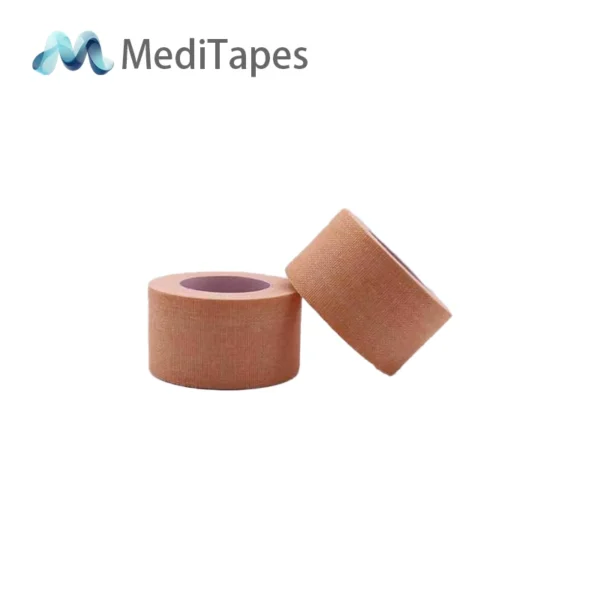
Cotton Surgical Tape with Zinc Oxide Adhesive for Wound Dressing
Secure fixation with premium cotton surgical tape. This breathable tape uses strong zinc oxide adhesive, ideal for securing heavy dressings and catheters. Our cotton surgical tape is tearable by hand and conforms easily to body contours. Trusted by hospitals for reliable wound care management.
How to Choose and Use Cotton Fabric Surgical Tape Effectively
Picking the right one boils down to the job:
- Width: 1-2 inches for general, wider for bigger areas.
- Adhesive Strength: Standard for most, stronger (zinc oxide) for sweaty or oily skin.
- Latex-Free: Always, unless confirmed safe.
Application tips from experience:
- Clean and dry the skin first.
- Apply with light pressure – no need to stretch unless it’s elastic variant.
- Tear or cut cleanly.
- Remove gently, peeling back at a low angle (parallel to skin) to minimize pull.
If residue lingers, a mild adhesive remover helps – but good cotton tape leaves little behind.
At MediTapes, we focus on premium cotton-based options that tick all these boxes. Check out our Wholesale Medical Cotton Cloth Tape for bulk needs – it’s designed with pros in mind for reliable performance.
Comparing Cotton Fabric Surgical Tape to Other Types
To make it clearer, here’s another table:
| Tape Type | Pros | Cons | Best For |
|---|---|---|---|
| Cotton Fabric | Breathable, strong, hypoallergenic | Slightly pricier than paper | General securement, longer wear |
| Paper (Micropore) | Super gentle, cheap | Less durable, poor in moisture | Fragile skin, short-term |
| Silicone | Painless removal | Expensive, less strong hold | Repeated taping |
| Rigid Cotton | Excellent support, no stretch | Less flexible | Joint stabilization |
Cotton often comes out on top for everyday versatility.
Potential Drawbacks and How to Avoid Them
Nothing’s perfect. Cotton tape can sometimes leave more residue if not high-quality, or feel a bit thick. Solution: Go for perforated versions for easier tearing and breathability.
Allergies are rare but possible – patch test if unsure.
In humid environments, pair with moisture barriers if needed.
Why MediTapes Stands Out for Cotton Fabric Surgical Tape
We’ve been supplying medical pros with top-tier tapes for years at MediTapes. Our cotton cloth options are sourced for maximum breathability and adhesion, without compromising gentleness.
If you’re stocking up or need custom quotes, head over to our site at https://meditapes.com/. For questions or orders, drop us a line at info@meditapes.com or visit https://meditapes.com/contact-us/.
Ready to try some? Our Wholesale Medical Cotton Cloth Tape is a favorite for clinics looking for reliable bulk supplies.
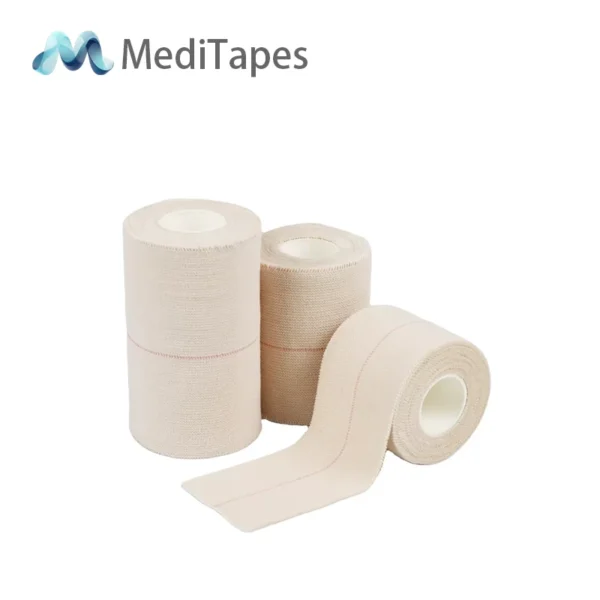
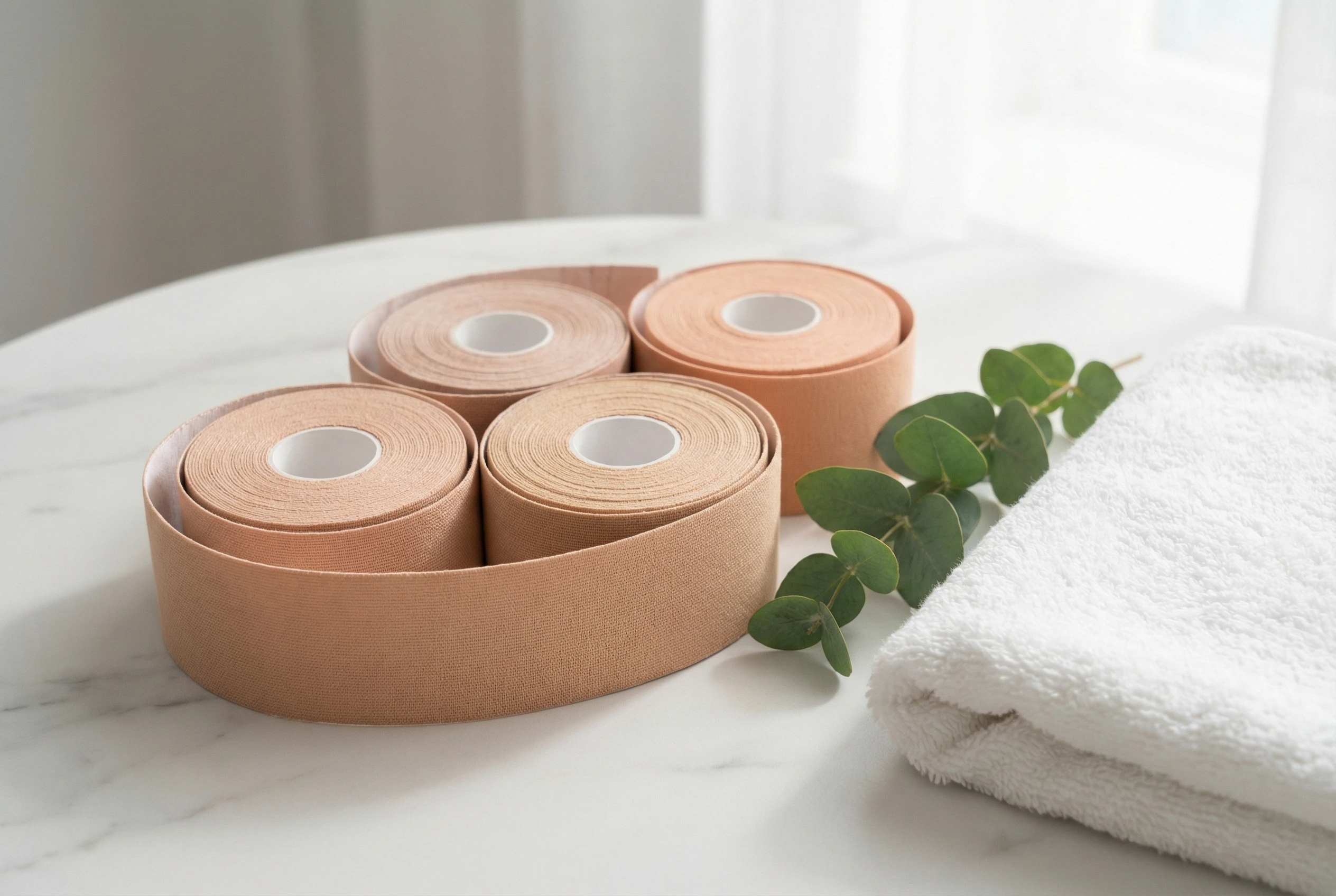
Breathable Cotton Adhesive Plaster Tape for First Aid Kits
Essential cotton adhesive plaster tape for every first aid kit. This versatile tape is gentle on skin yet tough on securing bandages. The microporous cotton adhesive plaster prevents maceration and promotes healing. Available in various widths for custom emergency medical kits (IFAK).
FAQ: Common Questions About Cotton Fabric Surgical Tape
Is cotton fabric surgical tape hypoallergenic?
Yeah, most are – especially latex-free versions. The cotton backing and modern adhesives make them low-risk for reactions, better than many synthetics for sensitive folks.
What’s the difference between medical cloth tape and rigid cotton tape?
Medical cloth tape is usually flexible and breathable for general use. Rigid cotton tape is non-stretch, offering firmer support – think strapping injuries or needing immobilization.
Can I use cotton fabric surgical tape on wet skin?
It sticks okay on damp skin, but best on dry for max hold. If moisture’s an issue, look for variants with stronger adhesives.
How long can cotton fabric surgical tape stay on?
Typically 3-7 days, depending on the patient and conditions. Change sooner if it loosens or gets dirty.
Is rigid cotton tape good for sports injuries?
Absolutely – its no-stretch design provides solid joint support, often used in athletic taping to prevent further strain.