If you’ve ever tried slapping a bandage on in freezing temps and watched it peel right off like it had somewhere better to be, you know the struggle is real. Out in places like Greenland where winter drops to -40°C or lower easy, or on a military op where reliability can mean everything, regular tape just doesn’t cut it. I’ve spent years testing adhesives in real harsh spots, and lemme tell ya, the difference between a tape that holds and one that fails is night and day.
Standard medical tapes lose their stick because the adhesive gets hard—like butter in the fridge. The liquid part that makes it tacky freezes up below around 40°F, and poof, no bond. Studies show most pressure-sensitive adhesives work best applied between 60-100°F, but once applied, some hold down to way lower if they’re built right. But in extreme cold application? That’s where specialized stuff shines.
Why Extreme Cold Wrecks Regular Tape
Picture this: you’re on an expedition in Greenland’s backcountry. Temps hover at -30°C, wind chill makes it feel even worse. You slip, cut your hand bad on ice. You grab your first aid kit, pull out tape to secure a dressing… and it won’t stick to your cold, maybe sweaty or frosty skin. Happens all the time with acrylic or rubber-based tapes. The adhesive’s glass transition temp kicks in, it turns brittle, loses tack.
From what I’ve seen (and felt in my fingers), common tapes drop adhesion big time below freezing. One source mentions tack reduces noticeably under 40°F, and application fails hard if both tape and surface are cold. Silicone-based ones do better, staying flexible down to -40°F or so, though super low like -50°C can still stiffen ’em up. Butyl rubber types? They stay bendy in cold, great for sealing.
In military contexts, tactical medical kit supplies gotta handle drops from choppers, snow, ice, sweat—everything. Regular duct tape or basic medical tape? Forget it. Pros use stuff like self-fusing silicone or heavy-duty cloth tapes rated for extreme weather.
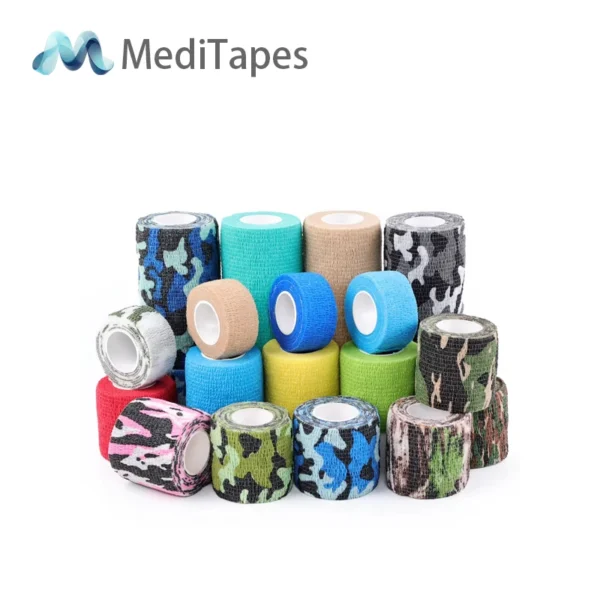
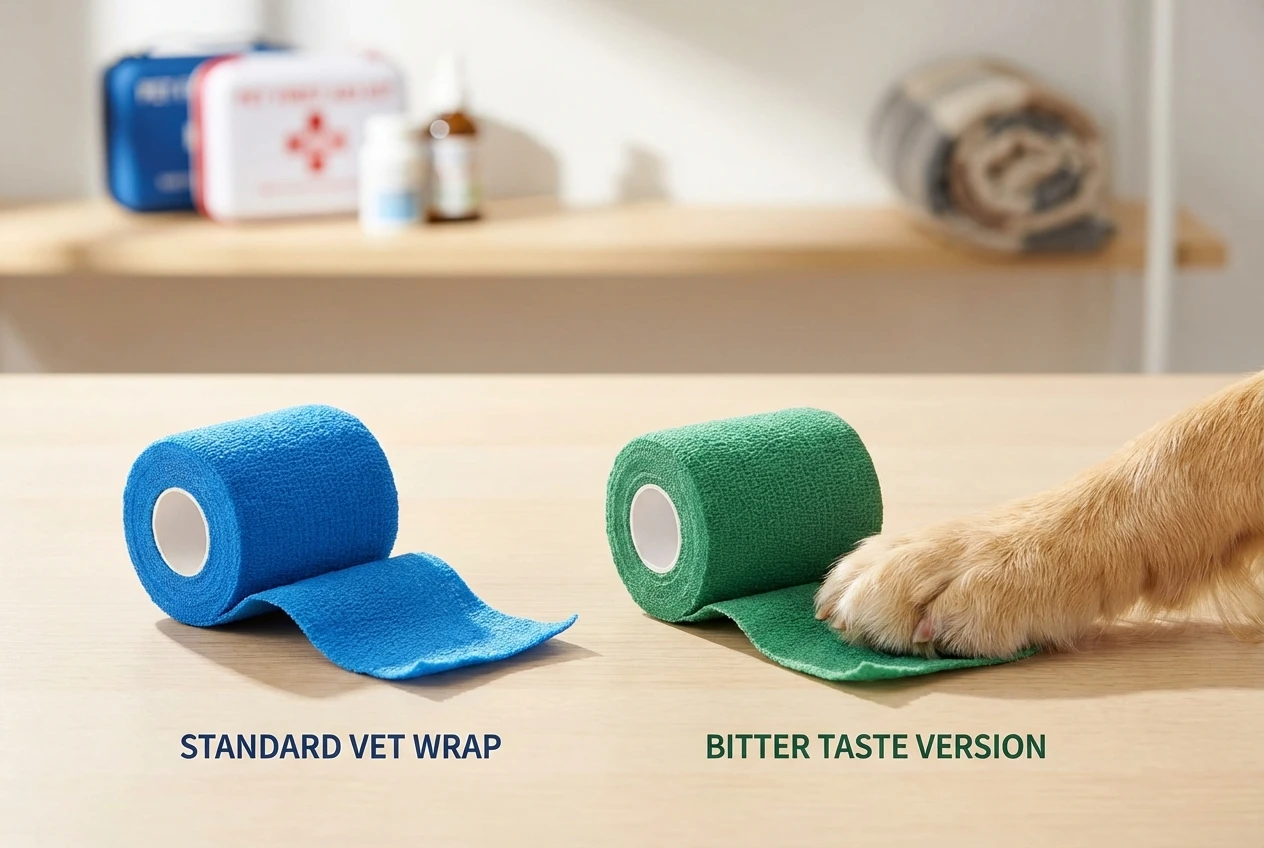
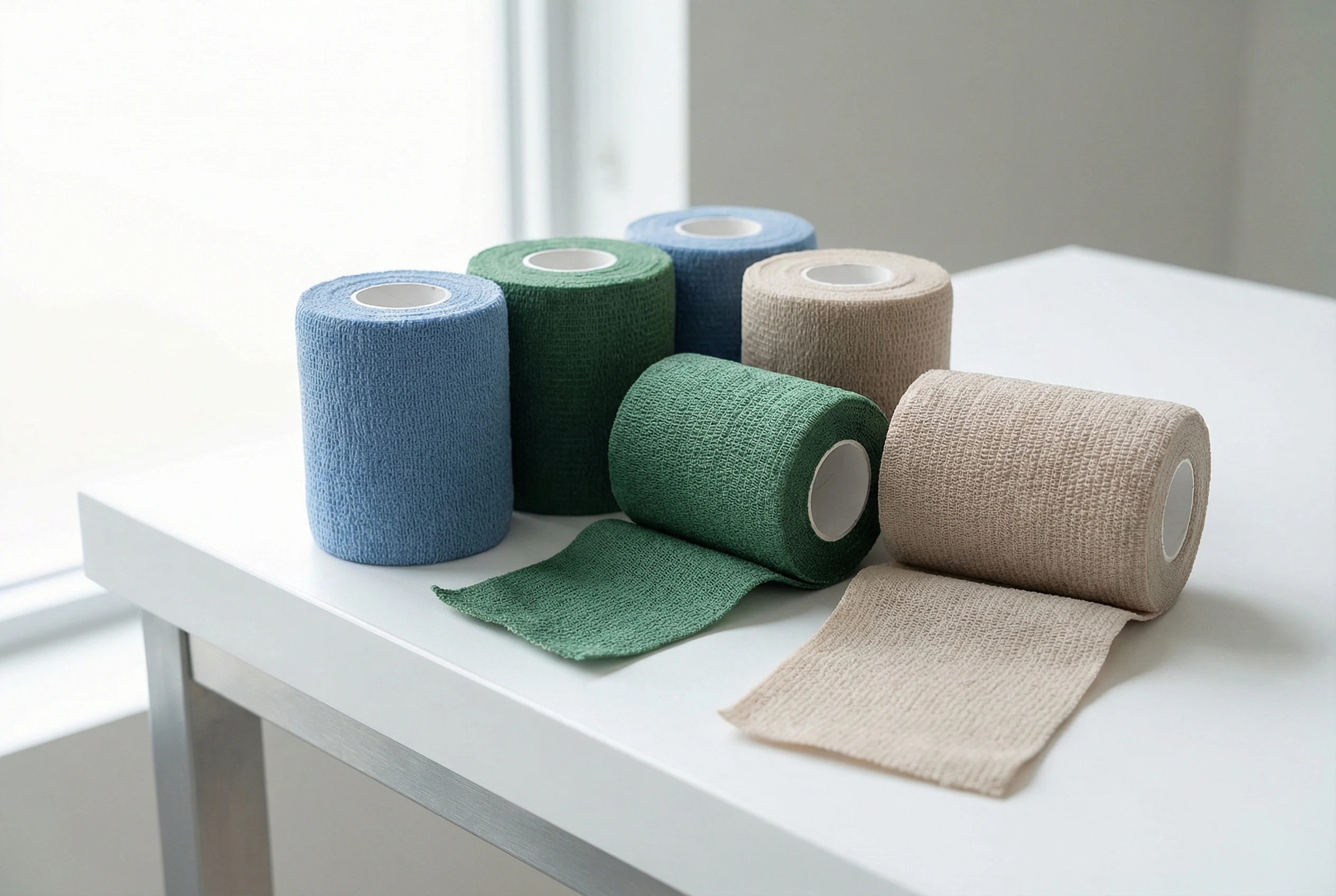
Custom Printed Cohesive Bandage – OEM Logo Vet Wrap Manufacturer
Elevate your brand with our Custom Printed Cohesive Bandage. As a leading manufacturer, we offer OEM logo vet wrap services to display your company identity. This flexible, non-woven tape adheres only to itself. Perfect for clinics wanting branded printed cohesive bandages at factory prices.
What Makes a Tape Work in Subzero Temps
Good cold weather medical tape needs a few key things:
- Adhesive type — Silicone or special low-Tg (glass transition) formulas keep flexibility.
- Backing — Cloth or polyethylene that doesn’t crack.
- Application tricks — Warm it in your pocket first if you can.
- Skin-friendly — For medical use, hypoallergenic, breathable but strong hold.
At MediTapes, we’ve engineered our cold weather medical tape line exactly for this. It sticks strong on skin even when applied in freezing conditions, holds dressings secure without irritating, and won’t pop off when things get rough.
Real-World Spots Where It Matters Most
Take Greenland—winter there averages -10°C to -30°C in many spots, but dips way lower inland or north. Outdoor adventurers, researchers, hunters—they’re out dogsledding, skiing, hiking across frozen fjords. A twisted ankle or cut needs quick, reliable fix. Tactical medical kit supplies here include cold weather medical tape because frostbite risk means you can’t have a dressing slipping.
Military kits face similar or worse. Think Arctic training or ops in subzero zones. Tapes secure IV lines, chest seals, bandages on moving patients in snow. One case I recall from a buddy in cold-weather unit: standard tape failed on a guy’s arm during patrol at -35°C. Switched to better formula—held through the whole mission, no re-taping needed.
Another scenario: outdoor first aid during multi-day treks. Blisters, cuts from gear—tape that works in cold means less downtime, less pain.
Comparing Tape Options for Cold Performance
Here’s a quick look at how tapes stack up in extreme cold (based on real performance data from adhesive tests and user reports):
| Tape Type | Min Application Temp | Service Temp Range | Best For | Drawbacks in Cold |
|---|---|---|---|---|
| Standard Acrylic Medical | ~50°F | -20°F to 150°F | Room temp use | Loses tack fast below freezing |
| Rubber-Based Duct | ~40-50°F | -20°F to 200°F | General repairs | Brittle, peels on skin |
| Silicone Medical | ~32°F or lower | -40°F to 300°F+ | Skin, wounds in cold | Can stiffen below -40°F |
| Butyl Rubber | Below freezing | -50°F to 200°F | Sealing, outdoor gear | Less breathable for skin |
| MediTapes Cold Weather | Down to -20°F+ | -50°F to 250°F | Outdoor first aid, tactical | Slightly pricier |
Our MediTapes version uses a hybrid adhesive that keeps good initial tack even when cold-applied (after warming a bit), and it holds strong once on.
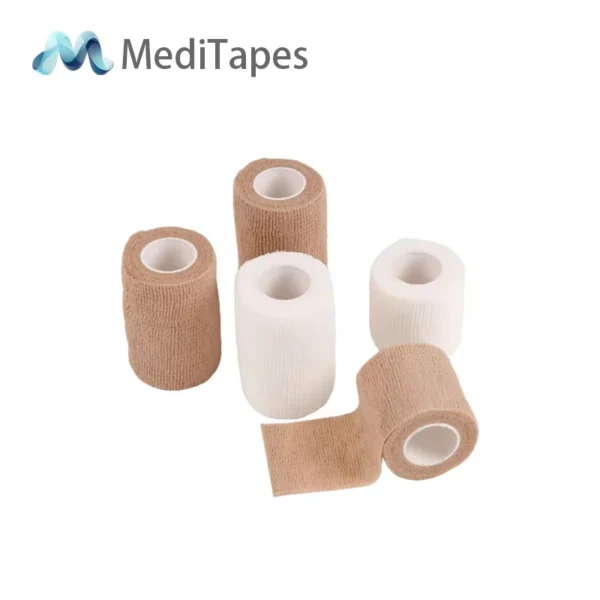
Camouflage Cohesive Bandage – Tactical Self Clinging Wrap for Gear
Tactical Camouflage Cohesive Bandage for outdoor and hunting gear. This self-clinging wrap protects equipment and improves grip without sticky residue. Available in woodland, desert, and digital camo. A durable non-woven cohesive wrap for hunters and tactical enthusiasts.
Tips to Get the Most Out of Your Tape in Cold
- Warm the roll — Stick it inside your jacket or pocket 10-15 mins before use. Makes a huge difference.
- Clean & dry surface — Wipe skin or gear with alcohol wipe if possible. Frost or oil kills adhesion.
- Press hard — Rub firmly for 10-20 seconds to get full contact.
- Layer if needed — For extra hold on wet/cold skin, add a wrap.
- Store smart — Keep kits insulated; frozen tape takes forever to recover.
In my experience, prepping like this turns “kinda works” into “rock solid.”
Success Stories from the Field
Can’t name names for privacy, but here’s a couple anonymized ones:
- A Greenland guide team used our tape during a week-long ski traverse. One guy got a deep cut from crampon slip at -28°C. Dressing stayed put through blizzards—no lifting, no infection. Saved them re-dressing in storm.
- Military training group in Arctic conditions reported their tactical medical kit supplies with our cold weather medical tape held IVs and bandages secure during 48-hour field exercise. Standard issue tape failed half the time; ours didn’t budge.
These aren’t flukes—it’s the adhesive design doing its job.
Why Choose MediTapes for Your Kits
We’ve been tweaking formulas based on real feedback from outdoor pros and military folks. Our cold weather medical tape is hypoallergenic, tears easy by hand, waterproof, and sticks where others quit. Check it out at https://meditapes.com/ — we got options sized perfect for tactical medical kit supplies or bigger outdoor first aid rolls.
Wanna see if it fits your needs? Drop us a line at https://meditapes.com/contact-us/ or email info@meditapes.com. Happy to send samples or chat specs. Get a quote today—don’t wait till you’re out there freezing and the tape fails.
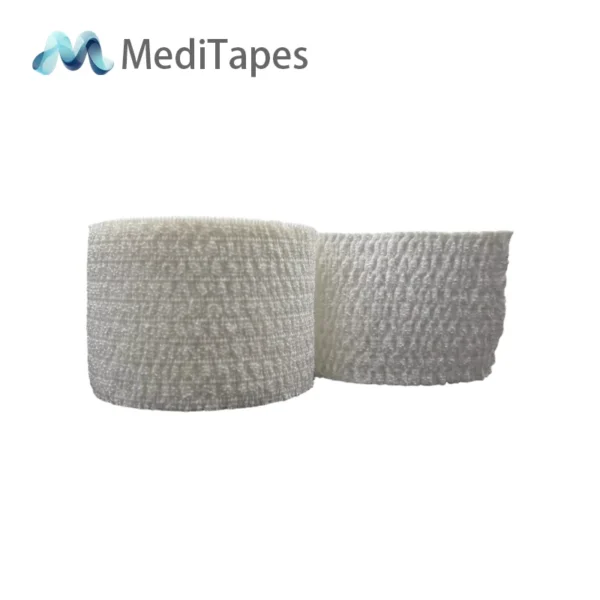
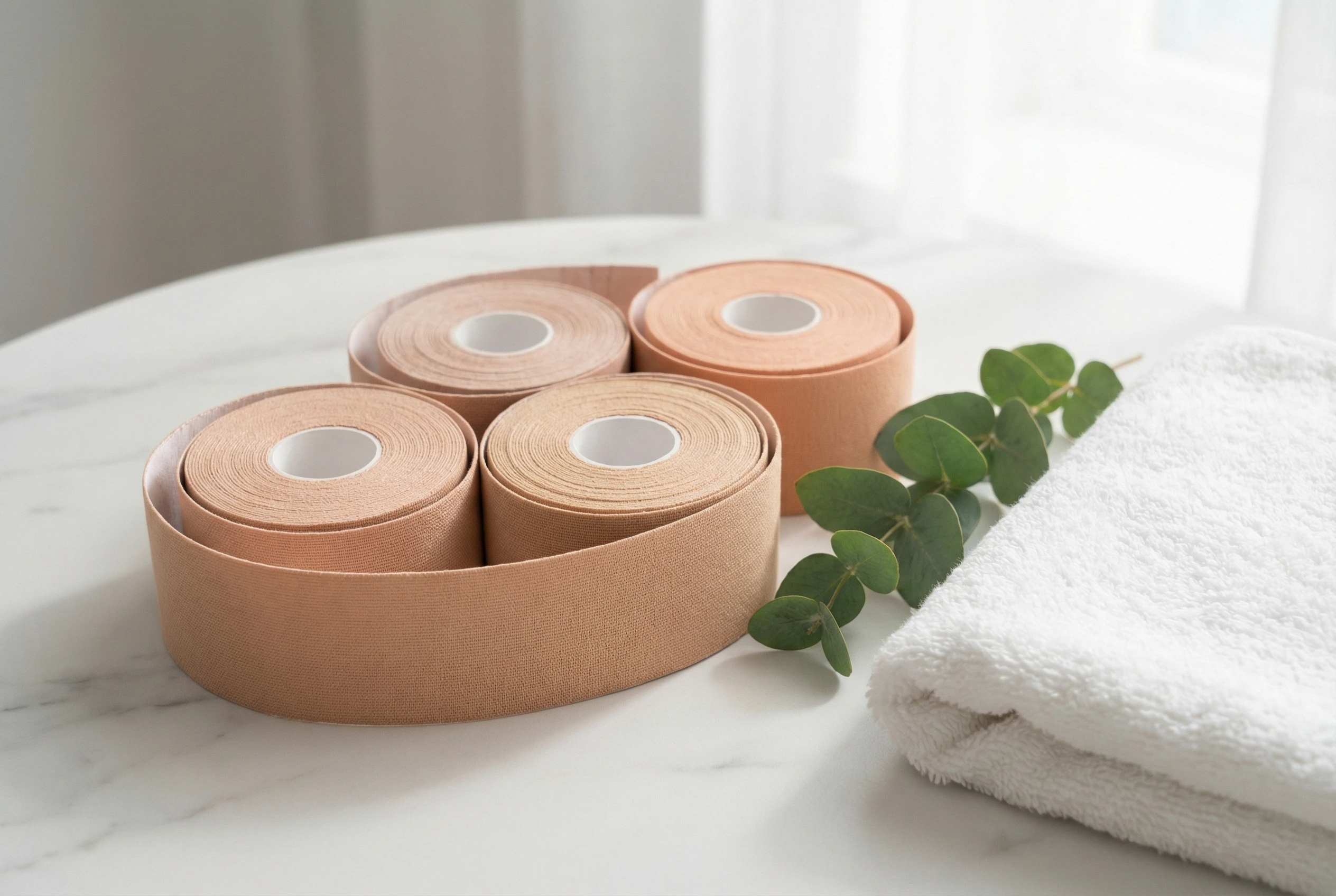
Tear-Light Elastic Adhesive Bandage – Breathable Sports Tape for Ankles
High-quality Tear-Light Elastic Adhesive Bandage designed for superior support. This breathable, lightweight tape is easily hand-tearable, making it perfect for quick application on ankles and knees. Ideal for sports medicine professionals seeking reliable compression without restricting movement.
FAQ
Q: Does cold weather medical tape really stick on frozen skin?
A: Yeah, if it’s formulated right—like ours—it does. Regular tape no, but special low-temp adhesives maintain tack. Warm the tape a bit and press firm, you’ll get solid hold even at -20°C or lower.
Q: What’s the difference between outdoor first aid tape and tactical medical kit supplies tape?
A: Not much in function—both need extreme reliability. Tactical often prioritizes compact, camo-ish, multi-use. Outdoor focuses more on skin comfort for long wear. MediTapes covers both well.
Q: How long does the tape hold in Greenland-level cold?
A: In tests and real use, 24-72 hours easy on clean skin/gear, longer if not disturbed. Wind, sweat can shorten it, but re-apply is quick. Beats changing dressings constantly in -30°C!