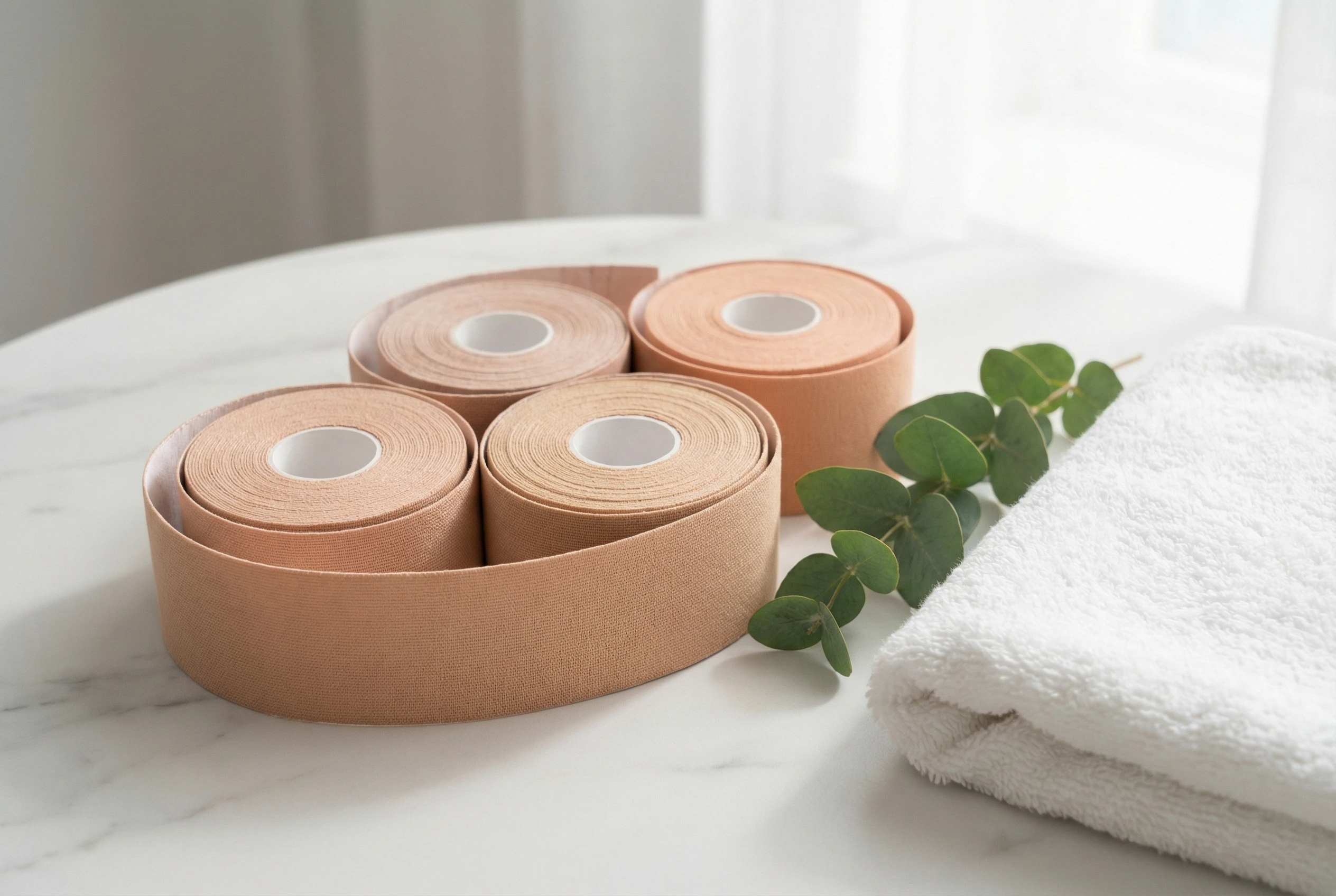
You know how it feels when a tape sticks too tight and your skin starts getting all hot and sweaty underneath? Yeah, that’s no fun, especially when it’s holding a dressing or device in place for days. That’s where the breathable medical tape with non-woven backing really shines—particularly when it’s paired with gentle silicone adhesive. At MediTapes, we’ve seen time and time again how the right backing can make a huge difference in patient comfort and healing.
I’ve been working in the medical tape world for over 15 years now, helping hospitals, clinics, and device makers pick tapes that actually work without causing more problems than they solve. And honestly, the non-woven backing is one of those things that sounds technical but ends up being super practical for real people. Let’s talk about why it matters so much, especially for folks who care about technical specs like breathability and want to be sure they’re getting quality that lasts.
What Exactly Is Non-woven Backing in Medical Tapes?
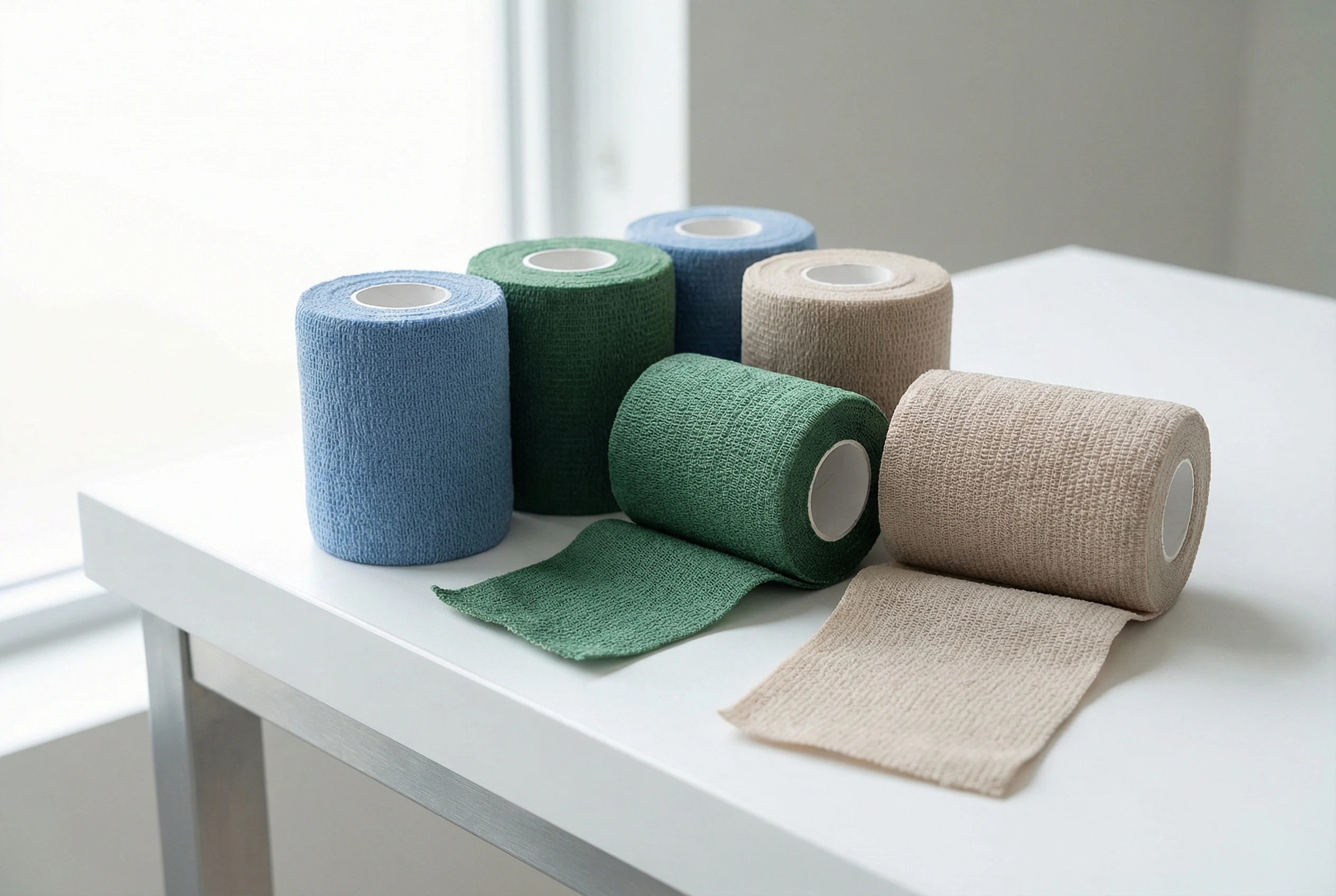
Non-woven fabric isn’t woven or knitted like regular cloth—it’s made by bonding fibers together, usually with heat, chemicals, or (in the best cases) high-pressure water jets. That last one is called spunlace non-woven tape material, and it’s a favorite for medical use because it’s soft and strong without being stiff.
Think of it like this: traditional plastic film backings are solid sheets, kinda like plastic wrap. They keep water out, sure, but they trap moisture from your skin too. Non-woven? It’s more like a soft, porous layer—kinda fluffy but durable. Air and moisture can pass through the tiny spaces between fibers.
This matters big time when you’re using silicone medical tapes because silicone adhesive is already gentle and repositionable. Pair it with non-woven backing and you get something that sticks well but lets skin “breathe” naturally.
The Big Deal About Breathability: Why Your Skin Actually Needs It
Skin is alive, and it needs to breathe. Healthy skin loses moisture vapor at around 400 g/m²/24h (that’s the Moisture Vapor Transmission Rate, or MVTR—basically how much water vapor passes through). If a tape blocks most of that, moisture gets trapped, leading to maceration (that soggy, white skin that breaks down easily).
Non-woven backings usually hit way higher MVTR values than films—often 800+ g/m²/24h depending on the exact material and adhesive pattern. From industry white papers (like those from major manufacturers), non-woven options frequently outperform films in breathability tests using methods like the Paddington Cup.
In plain words? Less sweat buildup, lower chance of irritation, and better conditions for healing underneath.
How Breathability Prevents Common Skin Issues
- No maceration — Moisture escapes instead of pooling.
- Less itching — Sweat doesn’t get trapped.
- Better long wear — Patients can keep tapes on longer without issues (some applications go 7-14 days comfortably).
We’ve had cases where switching to a breathable medical tape with non-woven reduced skin complaints by a lot in post-op patients—folks weren’t scratching or complaining about “that sticky feeling” anymore.
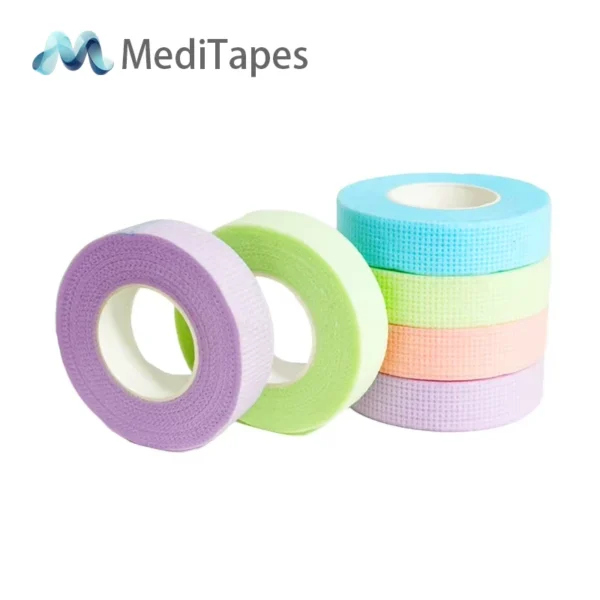
Hypoallergenic Non-woven Silicone Tape – Breathable & Pain-Free Removal
Our Non-woven Silicone Tape is designed for patients with sensitive skin, providing secure fixation for dressings and tubes. This hypoallergenic silicone gel tape is water-resistant yet breathable, preventing skin maceration. It peels off gently, making it an essential choice for elderly and pediatric care.
Non-woven Fabric Benefits: Why It’s a Game-Changer
Here are the real advantages I’ve seen in daily use:
- Super soft and conformable — Drapes over joints, curves, and moving parts without bunching up.
- High breathability — Lets moisture out fast.
- Gentle on sensitive skin — Especially spunlace versions that feel almost like cotton.
- Strong but tearable — Holds secure but you can rip it by hand easily.
- Hypoallergenic potential — Works great with silicone adhesive which is already low-irritant.
Quick Comparison Table: Non-woven vs Other Backings
| Backing Type | Breathability (MVTR) | Comfort Level | Conformability | Best For | Drawbacks |
|---|---|---|---|---|---|
| Non-woven (Spunlace) | High (800+ g/m²/24h) | Excellent | Excellent | Long wear, sensitive skin | Slightly higher cost |
| Plastic Film | Low to Medium | Fair | Good | Waterproof needs | Traps moisture, can irritate |
| Paper | Medium | Good | Fair | Short-term use | Tears easily, less durable |
| Woven Fabric | Medium-High | Good | Good | Heavy duty securement | Can feel rougher |
(Data based on typical industry values from medical tape manufacturers and testing standards like EN 13726-2.)
Why Spunlace Non-woven Tape Stands Out
Spunlace non-woven tape uses water jets to tangle fibers—no chemicals needed, so it’s cleaner and softer. It’s isotropic (strong in all directions), lint-free, and super soft against skin. Many top silicone tapes use spunlace polyester or viscose blends because it feels almost textile-like but performs better than traditional cloth.
In practice, spunlace gives that “barely there” feel while still holding dressings or devices securely. Great for elderly patients or those with fragile skin.
Real-World Scenarios Where It Makes a Difference
Take a long-term wound care patient—maybe someone with a chronic ulcer. Using a film-backed tape? After a few days, the area around the dressing looks macerated. Switch to spunlace non-woven tape with silicone? The skin stays dry, patient reports way less discomfort, and nurses change dressings less often.
Or think about wearable devices like monitors or infusion sites. Non-woven lets patients shower, move around, even exercise a bit without the tape peeling or causing hot spots.
One clinic we worked with saw fewer skin issues after standardizing on breathable non-woven silicone tapes for their IV securement—patients were happier, and staff spent less time reapplying.
Technical Specs That Actually Matter for Quality
When you’re checking product quality, look beyond “breathable” claims. Ask for:
- MVTR value (higher is better for comfort)
- Adhesive type (silicone for gentleness)
- Backing weight (usually 30-60 g/m² for balance of softness and strength)
- Conformability (does it stretch omni-directionally?)
- Removal force (low for pain-free removal)
MediTapes Hypoallergenic Non-Woven Silicone Tape hits these marks well—it’s built with spunlace non-woven backing for excellent breathability and comfort. Check it out here: hypoallergenic non-woven silicone tape.
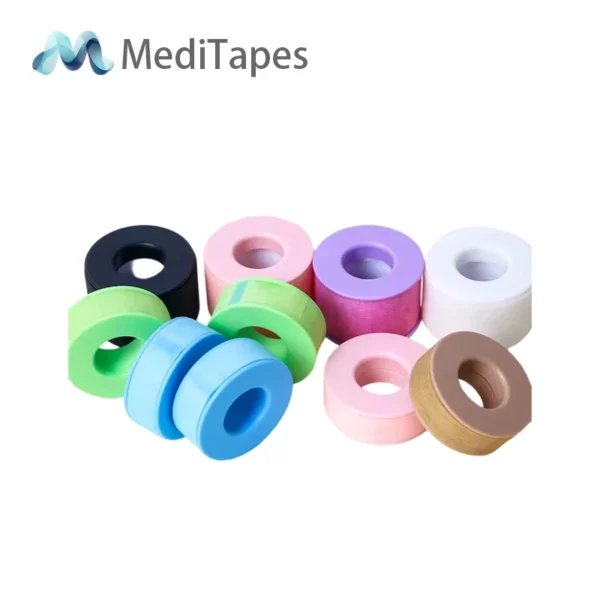
Soft Silicone Gel Tape Non-woven Fabric – Gentle Adhesion for Dressings
Experience superior comfort with our Soft Silicone Gel Tape. Featuring a flexible non-woven fabric, this tape conforms easily to body contours. The advanced silicone gel adhesive ensures strong holding power while being gentle enough for neonatal skin. Ideal for long-term wear and fragile skin applications.
Ready to Feel the Difference?
If you’re tired of tapes that irritate or fail too soon, it’s worth trying one with proper non-woven backing. The comfort boost is real, and patients notice it fast.
Want to see specs, samples, or get a quote? Drop us a line at info@meditapes.com or head to our contact page. We’d love to chat about what works best for your needs.
FAQ
Q: Is breathable medical tape worth the extra cost compared to regular tape?
A: Absolutely—if you’re dealing with long wear times or sensitive skin. The reduced irritation and fewer changes save time and hassle in the long run.
Q: How does spunlace non-woven compare to regular non-woven?
A: Spunlace feels softer and more textile-like because of the water-jet process. It’s often preferred for direct skin contact in premium tapes.
Q: Can I use breathable medical tape in wet conditions?
A: Many are water-resistant on the surface but still let vapor through from underneath. They’re great for showers, but not fully waterproof like some film tapes.
Hope this helps clear things up! Let us know if you have questions—we’re here to help pick the right stuff. 😊