When you’re dealing with medical tapes that go right on someone’s skin – sometimes for days or weeks – the last thing you want is for them to cause problems. Redness, itching, or worse, some kind of reaction that sends a patient back to the doctor. That’s where biocompatibility testing for silicone tapes comes in, especially the parts that check for cytotoxicity and sensitization.
I’ve spent years helping teams navigate this stuff, and honestly, silicone tapes usually do pretty well because silicone itself tends to play nice with the body. But you still have to prove it with proper testing. Skipping corners here can mean big headaches later – recalls, unhappy regulators, or patients dealing with unnecessary discomfort.
In this post, we’ll walk through what these tests actually involve, why they matter for tapes like the ones used in wound care or device fixation, and how following standards like ISO 10993 keeps everything on the safe side. If you’re in quality or regulatory affairs, this should give you some practical takeaways.
Why Biocompatibility Testing Matters for Silicone Tapes
Silicone tapes are everywhere in healthcare now – gentle removal, good adhesion even on tricky skin, and they don’t tear things up when you take them off. But any material that touches skin for more than a day needs to clear biocompatibility hurdles.
According to FDA guidance, devices in contact with intact skin should at minimum be evaluated for cytotoxicity, sensitization, and irritation. These are often called the “Big Three” in the industry. Fail any of them, and you’re looking at potential patient harm or regulatory roadblocks.
From what I’ve seen working with different manufacturers, most pure medical-grade silicones sail through these tests. But additives, coatings, or even how the tape is processed can introduce risks. One time, a client had a batch that showed mild reactivity because of a leftover extractable from manufacturing – nothing major, but it needed tweaking before it could pass fully.
The goal is simple: make sure your tape qualifies as safe medical materials that won’t trigger adverse reactions.

Medical Non-woven Silicone Gel Tape for Sensitive Skin & Wound Care
This Non-woven Silicone Gel Tape offers gentle adhesion for fragile skin, ideal for frequent dressing changes. The breathable non-woven backing ensures comfort, while the soft silicone layer minimizes pain upon removal. Perfect for securing medical devices without causing trauma or residue.
Breaking Down Cytotoxicity Testing
Cytotoxicity is basically asking: does this material kill cells or mess with their normal function?
The main standard here is ISO 10993-5, which lays out in vitro (test tube) methods to check this without using animals right away.
There are a few common ways labs do this:
- Elution test: You soak the tape in a liquid to pull out any leachables, then expose cells to different concentrations of that extract. It’s good for catching stuff that might dissolve over time.
- Direct contact: Place the tape right on top of a layer of cells and see what happens.
- Agar diffusion: The tape sits on an agar layer over cells – any toxins diffuse through and create a “halo” of dead cells if there’s an issue.
Grading goes from 0 (no reactivity) to 4 (severe). Usually, anything grade 2 or below is considered a pass, though it depends on the device risk assessment.
In practice, high-quality silicone tapes almost always score 0 or 1. For example, several commercially available medical silicone tapes from major brands have documented non-cytotoxic results using the elution method under ISO 10993-5.
Quick Comparison of Cytotoxicity Test Methods
| Method | How It Works | Best For | Typical Results for Silicone Tapes |
|---|---|---|---|
| Elution/Extract | Cells exposed to diluted extract | Soluble leachables | Usually non-cytotoxic (Grade 0-1) |
| Direct Contact | Tape placed directly on cell monolayer | Surface effects | Minimal to no reactivity |
| Agar Diffusion | Toxins diffuse through agar layer | Screening | Clear zone usually absent |
These tests are sensitive enough to catch problems early, which saves a lot of trouble down the line.
Understanding Sensitization Testing
Sensitization checks whether the material can cause an allergic reaction after repeated exposure – think contact dermatitis that shows up days later.
The go-to standard is ISO 10993-10. The classic method is the Guinea Pig Maximization Test (GPMT), where animals get exposed in phases: first an induction with adjuvants to boost response, then a challenge phase to see if they react.
If fewer than a certain percentage of animals show redness or swelling, the material is considered non-sensitizing.
There’s also the Buehler test, which is a bit milder and doesn’t use injections, and newer in vitro alternatives are emerging, though animal tests are still widely accepted for final sign-off.
Silicone itself rarely causes sensitization – it’s considered hypoallergenic in most cases. But again, formulations matter. We’ve had clients whose acrylic-based tapes triggered issues, but switching to pure silicone fixed it completely.
In one anonymized project, a wearable device maker used our silicone gel tape for sensor fixation. After full ISO 10993-10 testing (GPMT), it showed zero sensitization potential, and they’ve had no field complaints years later.
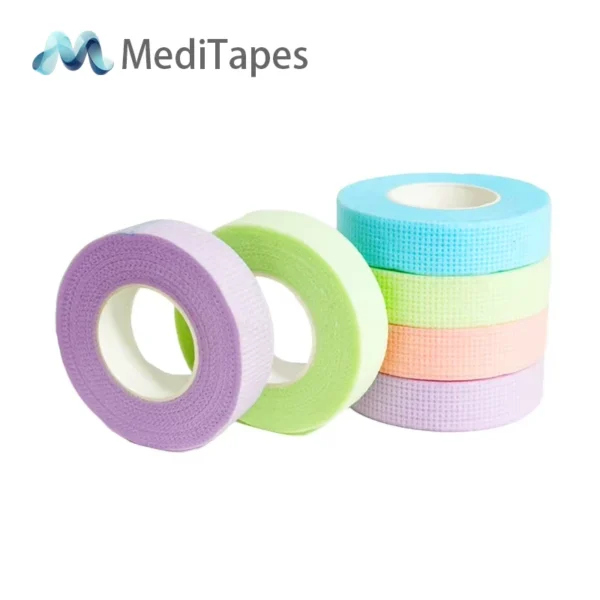
Hypoallergenic Non-woven Silicone Tape – Breathable & Pain-Free Removal
Our Non-woven Silicone Tape is designed for patients with sensitive skin, providing secure fixation for dressings and tubes. This hypoallergenic silicone gel tape is water-resistant yet breathable, preventing skin maceration. It peels off gently, making it an essential choice for elderly and pediatric care.
How ISO 10993 Testing Ties It All Together
ISO 10993 is the big umbrella standard for biological evaluation of medical devices. Part 1 gives the overall framework – you do a risk assessment based on contact type and duration, then pick the needed tests.
For limited or prolonged skin contact (like most tapes), cytotoxicity and sensitization are almost always required, often along with irritation.
Generating a full biocompatibility report involves compiling all test data, chemical characterization, and toxicological risk assessment. Regulators love seeing this packaged neatly.
At MediTapes, we put every batch through accredited lab testing following these exact protocols. Our medical non-woven silicone gel tape has complete documentation showing it meets ISO 10993 requirements for cytotoxicity and sensitization.
Real-World Scenarios and Lessons Learned
Over the years, I’ve seen a few patterns.
One company came to us after their initial tape formulation showed slight cytotoxicity in the elution test – turned out to be trace residuals from curing agents. A small change in processing, retest, and they were good to go.
Another case involved a pediatric wound dressing. Parents were worried about allergies, so having solid sensitization data (no reactions in GPMT) gave the marketing team confidence and helped with clinician buy-in.
Medical adhesive-related skin injury (MARSI) gets a lot of attention, but true allergic sensitization from modern silicone tapes is rare when proper testing is done. Most issues come from mechanical trauma during removal, which gentle silicone adhesives actually help prevent.
Preparing Your Own Biocompatibility Report
If you’re building a report for submission:
- Start with material characterization – know exactly what’s in your tape.
- Run the Big Three tests at a reputable lab.
- Compare results against acceptance criteria.
- Write up any justifications if something is borderline.
- Keep records forever – auditors will ask.
It’s straightforward when the material is inherently safe like medical silicone, but always budget time and money for it.
Tips for Choosing Safe Medical Materials
Look for suppliers who openly share test summaries. Ask for evidence of ISO 10993 testing specific to your contact duration.
Avoid cutting costs with untested “medical-like” silicones – the risk isn’t worth it.
And remember, biocompatibility isn’t one-and-done. Changes in suppliers or processes might require re-evaluation.
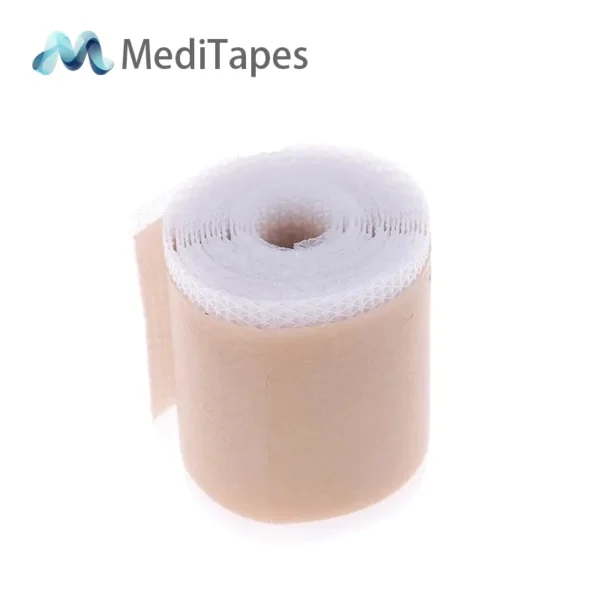
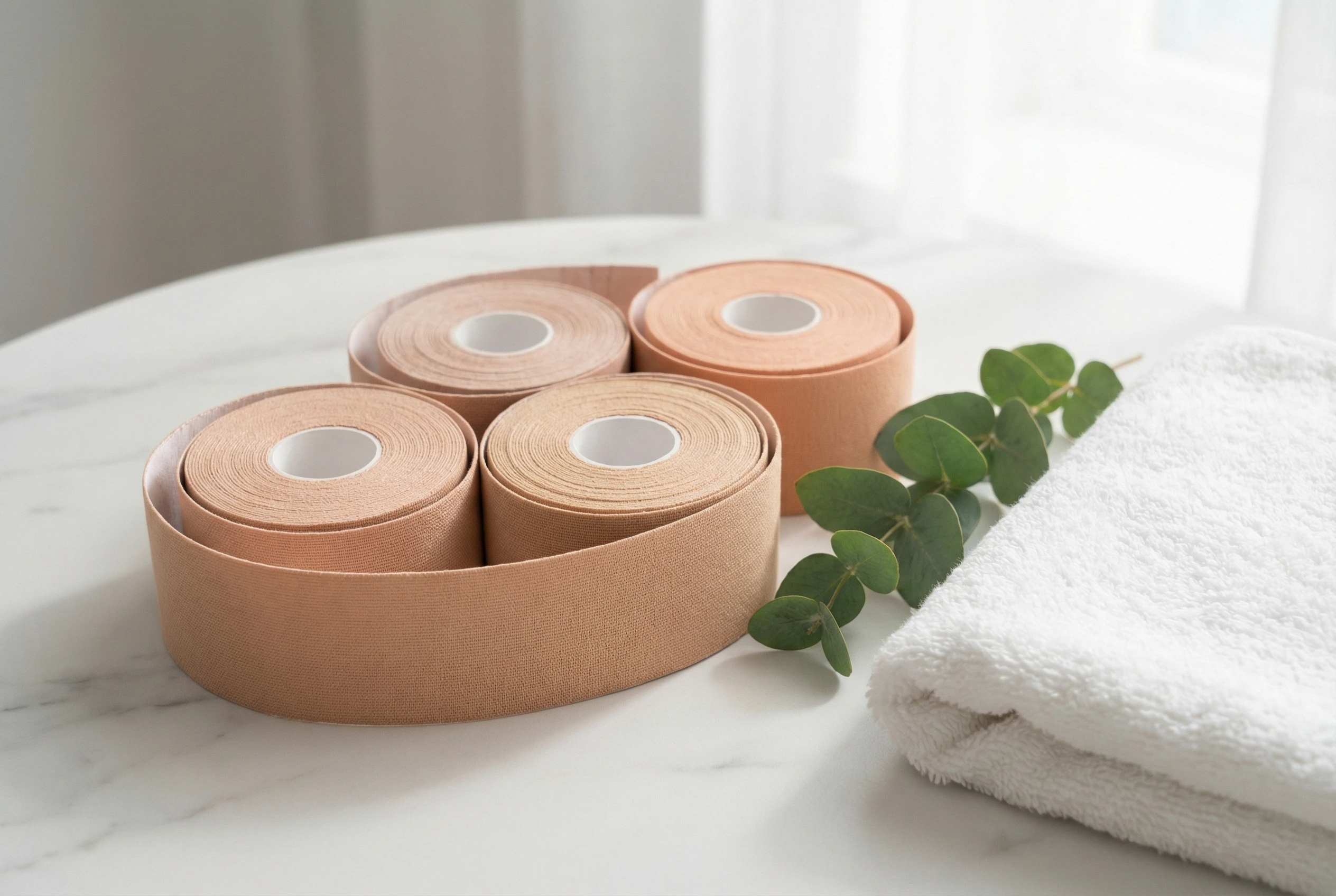
Soft Silicone Gel Tape Roll for Scar Management – Wholesale Bulk
Source high-quality Soft Silicone Gel Tape rolls for effective scar treatment. This medical-grade silicone gel tape mimics the skin’s natural barrier to hydrate and heal scars. Cut-to-size design offers versatility for various scar sizes. Contact us for competitive wholesale pricing and private labeling.
FAQ About Biocompatibility Testing for Silicone Tapes
What exactly is cytotoxicity in the context of medical tapes?
It’s when material from the tape harms or kills cells it contacts. Tests use lab-grown cells to simulate what might happen on skin.
How long does sensitization testing take?
The full Guinea Pig Maximization Test usually runs 4-6 weeks, including induction and observation periods.
Do all silicone tapes automatically pass these tests?
Most high-quality ones do, but it depends on the exact formulation and manufacturing. Always verify with actual test reports.
Can I use in vitro tests instead of animal testing for sensitization?
Some newer methods are gaining acceptance for screening, but for many regulatory submissions, the GPMT or similar is still required.
What’s the difference between irritation and sensitization?
Irritation happens right away on first contact. Sensitization develops over time and can cause stronger reactions on re-exposure.
If you’re working on a new tape or need documentation for your current ones, we’d be happy to chat about how MediTapes can help. We’ve got plenty of experience getting products through these tests smoothly.
Reach out anytime at info@meditapes.com or through our contact page. We can talk specifics, share sample reports, or even quote testing support.
Making sure your tapes are truly safe shouldn’t be a hassle – let’s sort it out together.