You know how it goes when you’re sourcing cohesive bandages for big brands or OEM runs – one batch feels perfect, the next one’s off, and suddenly your whole production line’s complaining. I’ve been in the trenches making these things for years at MediTapes, and let me tell ya, the real magic (and headaches) come down to two things: bandage GSM and cohesive bandage thickness. Get these wrong, and you’re dealing with bandages that slip, feel cheap, or just don’t hold compression like they should.
So let’s break it down real simple, like we’re chatting over coffee. No fancy jargon, just straight talk on what matters for professional buyers who care about specs.
What Exactly Is Bandage GSM Anyway?
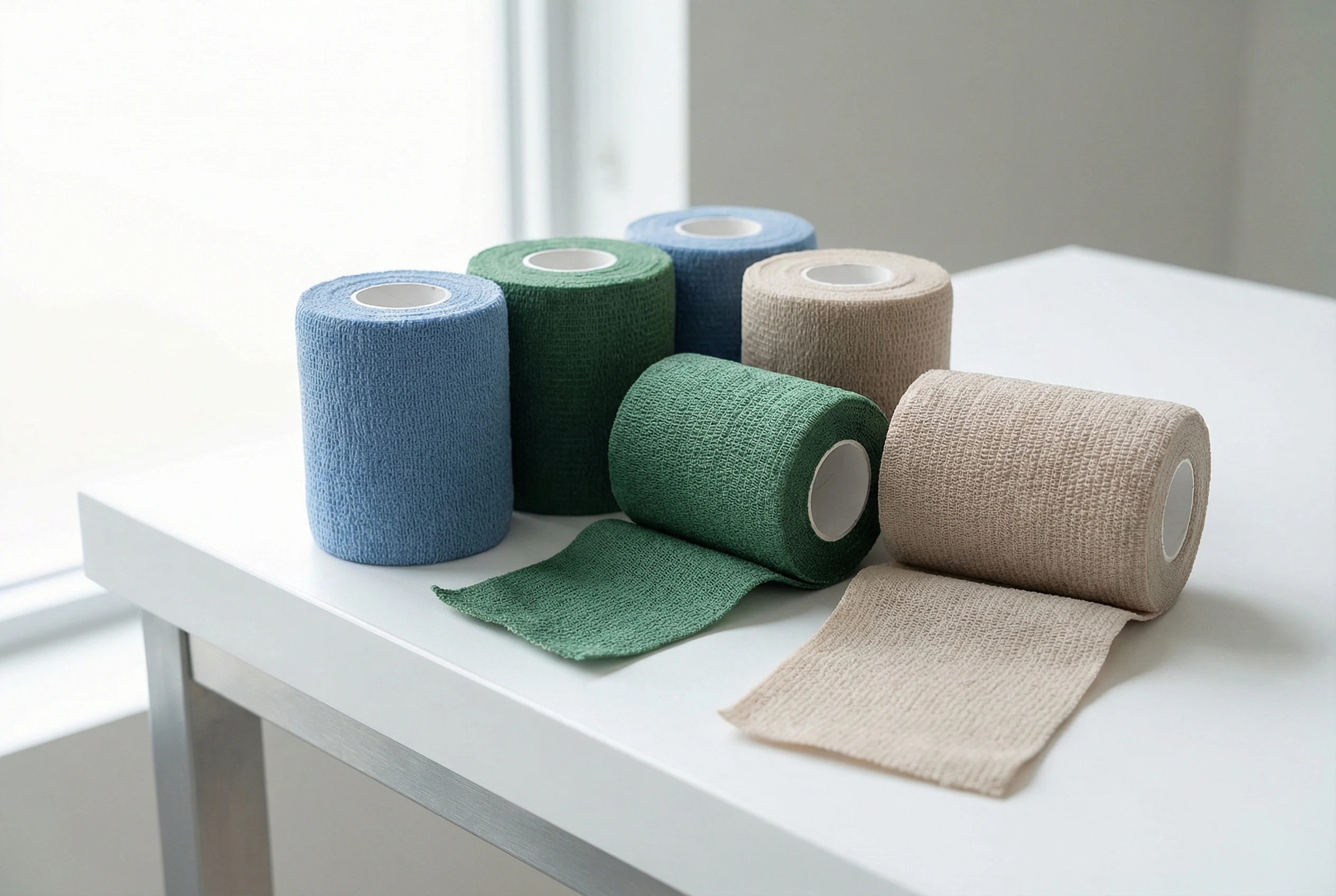
GSM stands for grams per square meter – basically how heavy the fabric is per square meter when laid flat. For cohesive bandages (those self-adhering wraps that stick to themselves but not your skin), this number tells you a ton about feel, strength, and how it’ll perform.
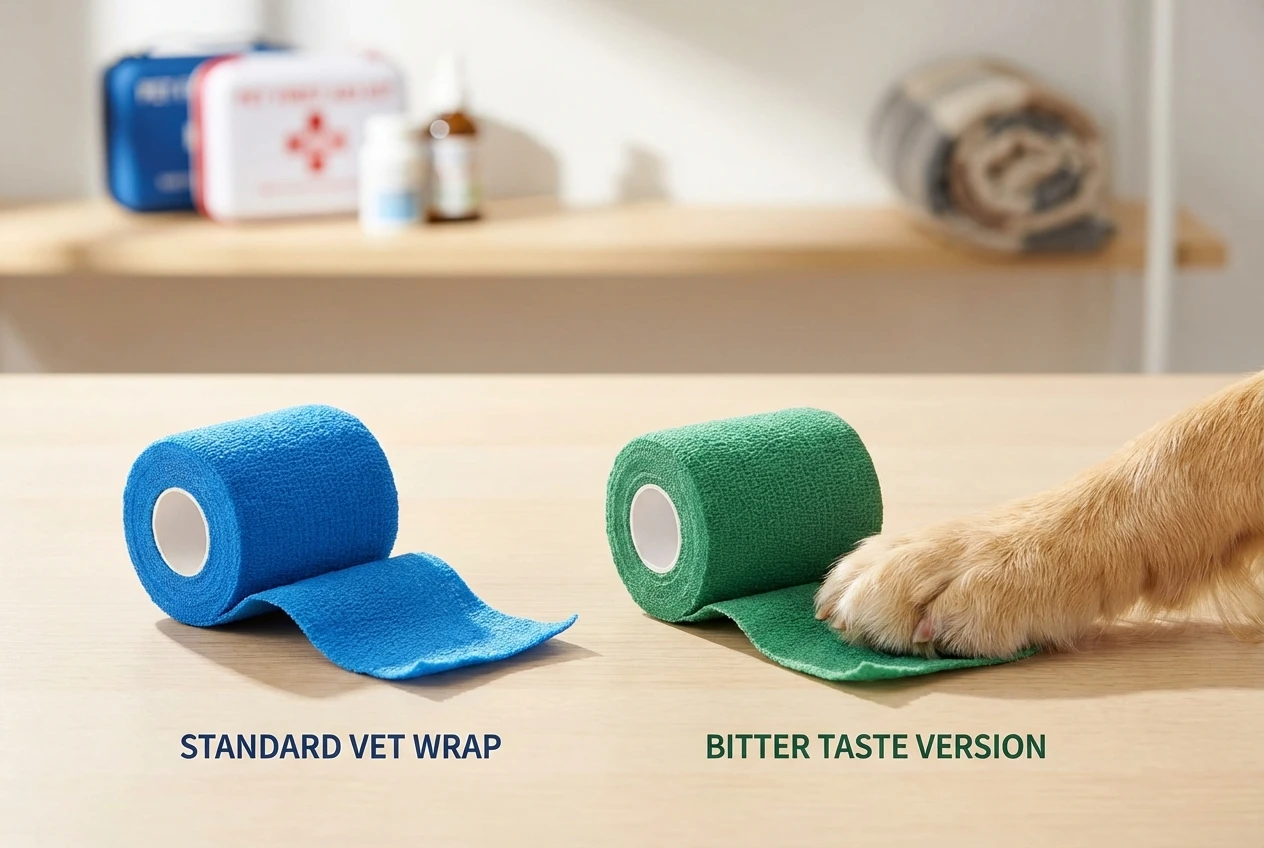
In my experience, most good quality cohesive bandages fall in a pretty specific range. Lightweight ones for general use or vet wrap often sit around 29-40 g/m² (stretched), while beefier ones for serious compression or sports support go up to 60-100 g/m² or even higher in some elastic constructions. I’ve seen super light ones at about 29g/m² for basic non-woven types – they feel airy and breathable but won’t take heavy abuse.
Then you’ve got the heavier hitters. Some compression-focused cohesive wraps hit closer to 80-120 g/m² unstretched, giving that solid support without being bulky. Why does this matter? Higher bandage GSM usually means better durability and more consistent compression, but if it’s too high, the bandage gets stiff and hard to conform around tricky spots like ankles or wrists.
At MediTapes, we tweak GSM based on what the client needs. For a big sports brand we work with, we dialed in around 65-75 g/m² – perfect balance for holding during games without restricting movement.
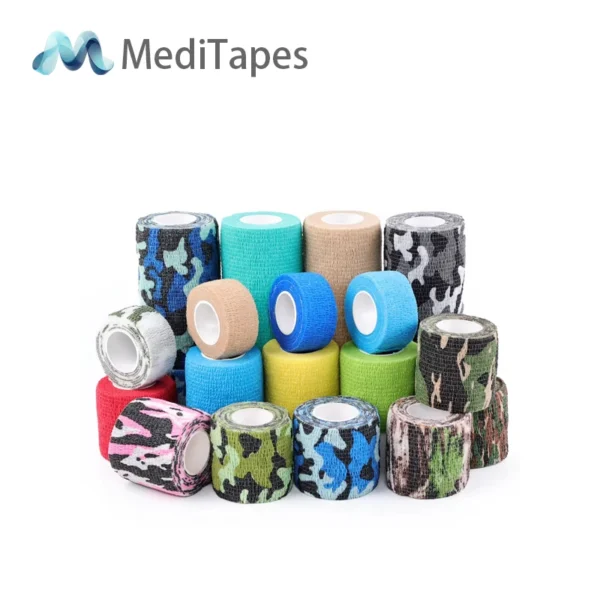
Custom Printed Cohesive Bandage – OEM Logo Vet Wrap Manufacturer
Elevate your brand with our Custom Printed Cohesive Bandage. As a leading manufacturer, we offer OEM logo vet wrap services to display your company identity. This flexible, non-woven tape adheres only to itself. Perfect for clinics wanting branded printed cohesive bandages at factory prices.
How Cohesive Bandage Thickness Ties Into Everything
Thickness is the other half of the puzzle. It’s measured in millimeters (usually 0.3mm to 1.2mm range for most cohesive types), and it directly links to GSM because heavier fabric = thicker material in most cases.
Thinner bandages (say 0.4-0.6mm) are great for light support – think securing dressings or light sprains. They’re easy to tear by hand, super breathable, and don’t add bulk under shoes or sleeves. But go too thin, and they tear too easy or lose compression fast.
Thicker ones (0.8-1.2mm) bring more cushioning and power. They’re what you want for joint support, post-surgery wrapping, or when you need real compression. The extra thickness helps distribute pressure evenly and adds some padding.
Here’s a quick comparison table we use internally at MediTapes to match specs to applications:
| Application Type | Typical Bandage GSM (stretched) | Typical Thickness (mm) | Key Benefits | Common Drawbacks if Wrong |
|---|---|---|---|---|
| Light support / Securing dressings | 30-50 g/m² | 0.4-0.6 | Breathable, lightweight, easy tear | May lack durability |
| General sports / Vet use | 50-80 g/m² | 0.6-0.9 | Good conformability, balanced compression | Can feel “cheap” if too low |
| Heavy compression / Ortho | 80-120+ g/m² | 0.9-1.2+ | Strong hold, cushioning, long wear | Too stiff, hard to apply |
This table ain’t pulled outta thin air – it’s based on real runs we’ve done and feedback from clients who test these in the field.
Manufacturing Specs That Actually Matter for Pros
When you’re buying in bulk for OEM, you gotta look beyond “it feels good.” Here’s what we focus on at MediTapes to nail consistency:
- Fabric base – Non-woven, cotton blend, or pure elastic non-woven? Non-woven is king for most cohesive these days because it’s porous and breathable.
- Coating – The self-adhesive part (usually latex-free acrylic or rubber-based). We apply it micro-selectively so it’s even – too much and it gets gummy, too little and it slips.
- Elasticity – Stretch percentage (often 100-150%). Higher stretch with good recovery means better conformability.
- Width & length – Standard 5cm, 7.5cm, 10cm etc., but custom for big orders.
- Quality checks – We test for tensile strength, adhesion to self, and washability (some reusable types hold up 3-5 uses).
One thing folks overlook: GSM is often measured stretched vs unstretched. Many specs list stretched GSM because that’s how the bandage is used. A 29g/m² stretched might be 50-60g unstretched – big difference!
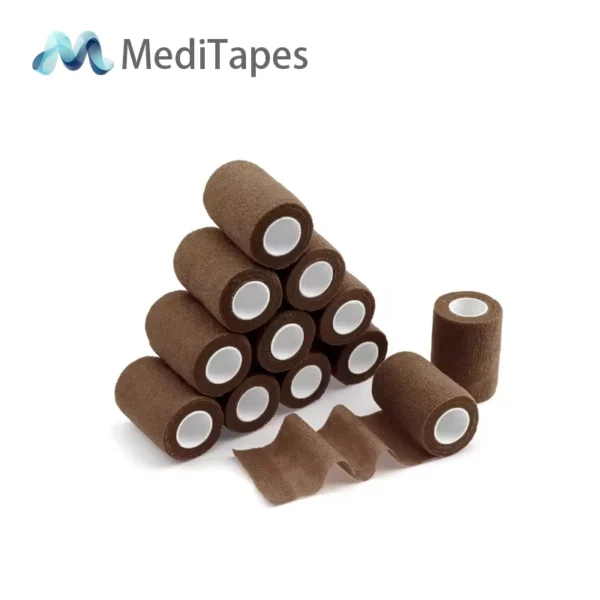
Printed Cohesive Bandage Manufacturer – Custom Pattern Vet Tape OEM
Looking for unique designs? As a Printed Cohesive Bandage Manufacturer, we offer custom pattern vet tape. Add your logo or cute prints (paws, hearts) to stand out. High-quality non-woven fabric with strong self-adhesion. Boost your brand with customized cohesive bandages.
Real-World Examples From the Field
We had this one large brand come to us after their previous supplier’s bandages kept losing compression mid-game. Turns out their GSM was all over the place – batch to batch variation of 15-20g. We locked it at 72 g/m² with 0.85mm thickness, added a bit more elastic thread, and boom – consistent hold for full matches. Their athletes noticed the difference right away.
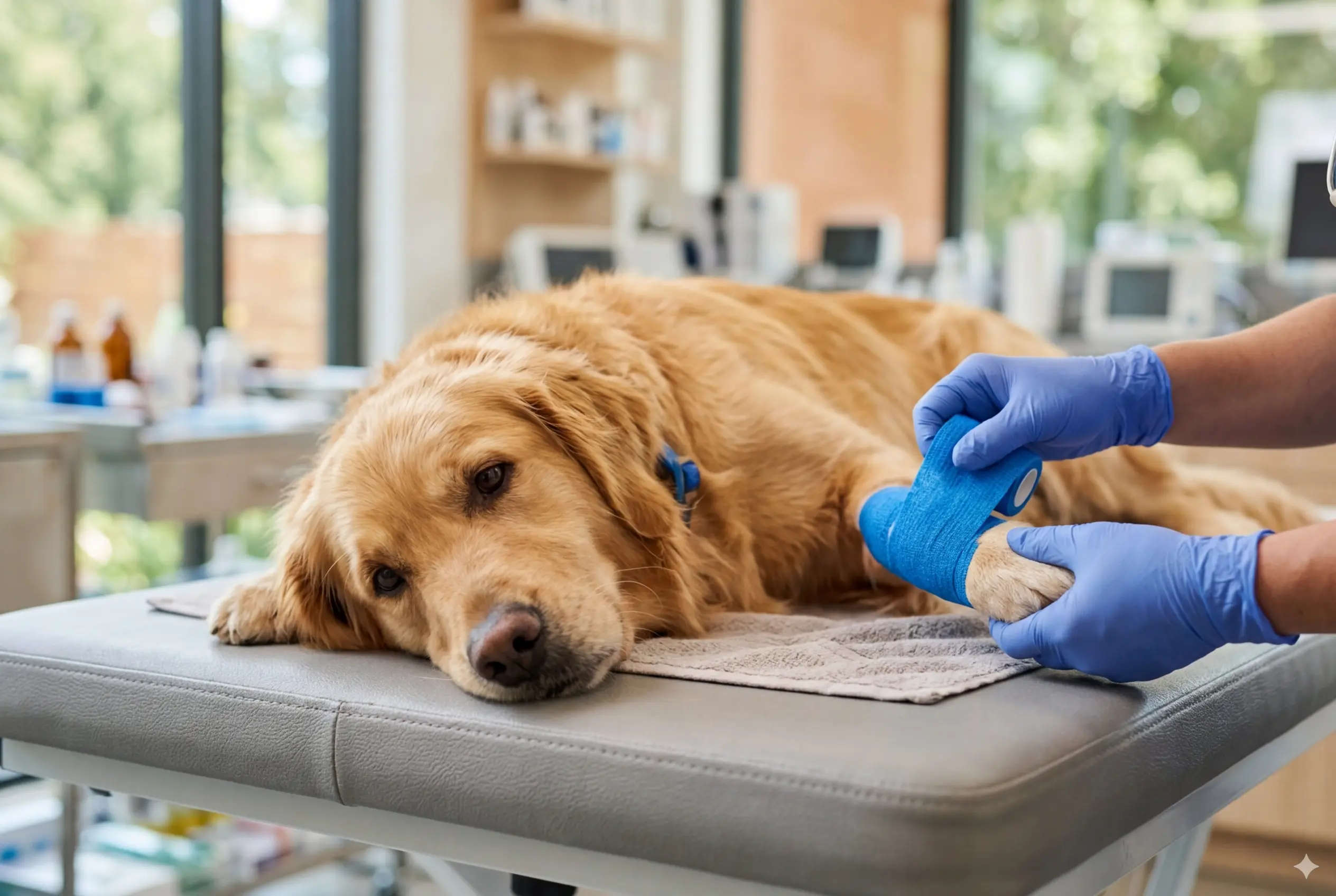
Another case: a vet client needed something super light for small animals. We went down to ~35 g/m² and 0.5mm thick – breathable, didn’t overheat fur, and still held wraps without slipping. Small tweaks, big wins.
Why These Specs Make or Break Your Product
For professional buyers, it’s about reliability. A consistent bandage GSM and cohesive bandage thickness means your end product performs the same every time. No surprises for your customers. Plus, it helps with regulatory stuff – ISO and CE love documented specs.
If you’re chasing that perfect balance, start by nailing the target GSM for your use case, then fine-tune thickness. Test samples rigorously – wrap ’em, stretch ’em, wear ’em.
FAQ – Quick Answers to Common Questions
What GSM should I aim for in cohesive bandages for sports use?
Most sports-grade ones land 60-90 g/m² stretched. Gives good support without feeling heavy. We can customize from there.
Does higher thickness always mean better compression?
Not always. Too thick and it won’t conform well. Aim for the sweet spot – usually 0.7-1.0mm for balanced performance.
How do you control consistency in manufacturing?
Strict raw material checks, automated coating machines, and batch testing. At MediTapes, we measure GSM and thickness on every roll to keep variation under 5%.
Ready to dial in the perfect bandage GSM and cohesive bandage thickness for your next OEM run? Head over to our Self-adhesive Bandages category to see what we offer, or just shoot us a message on the contact page. Drop an email to info@meditapes.com – happy to send samples or chat specs. Let’s make your bandages the ones everyone wants.