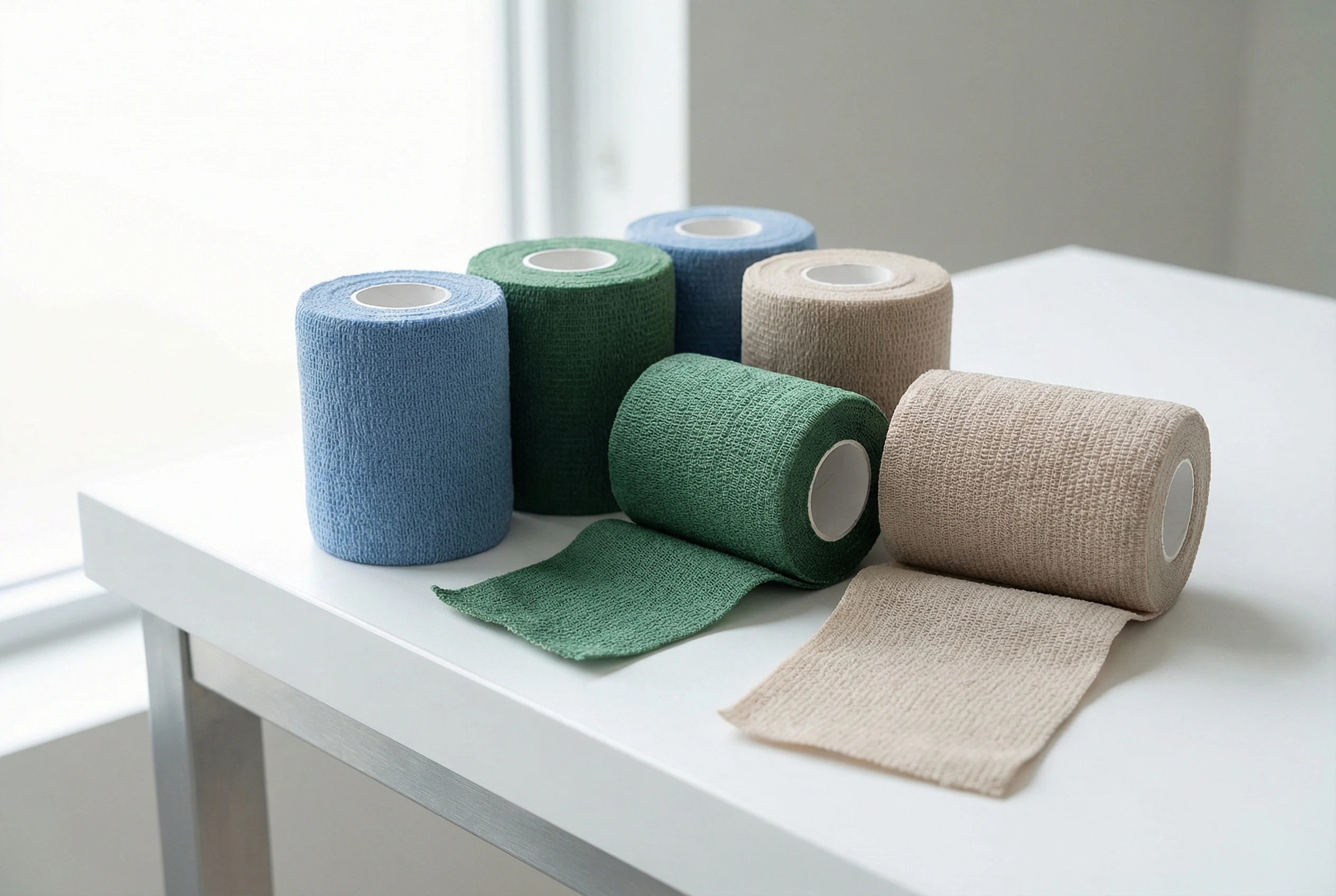
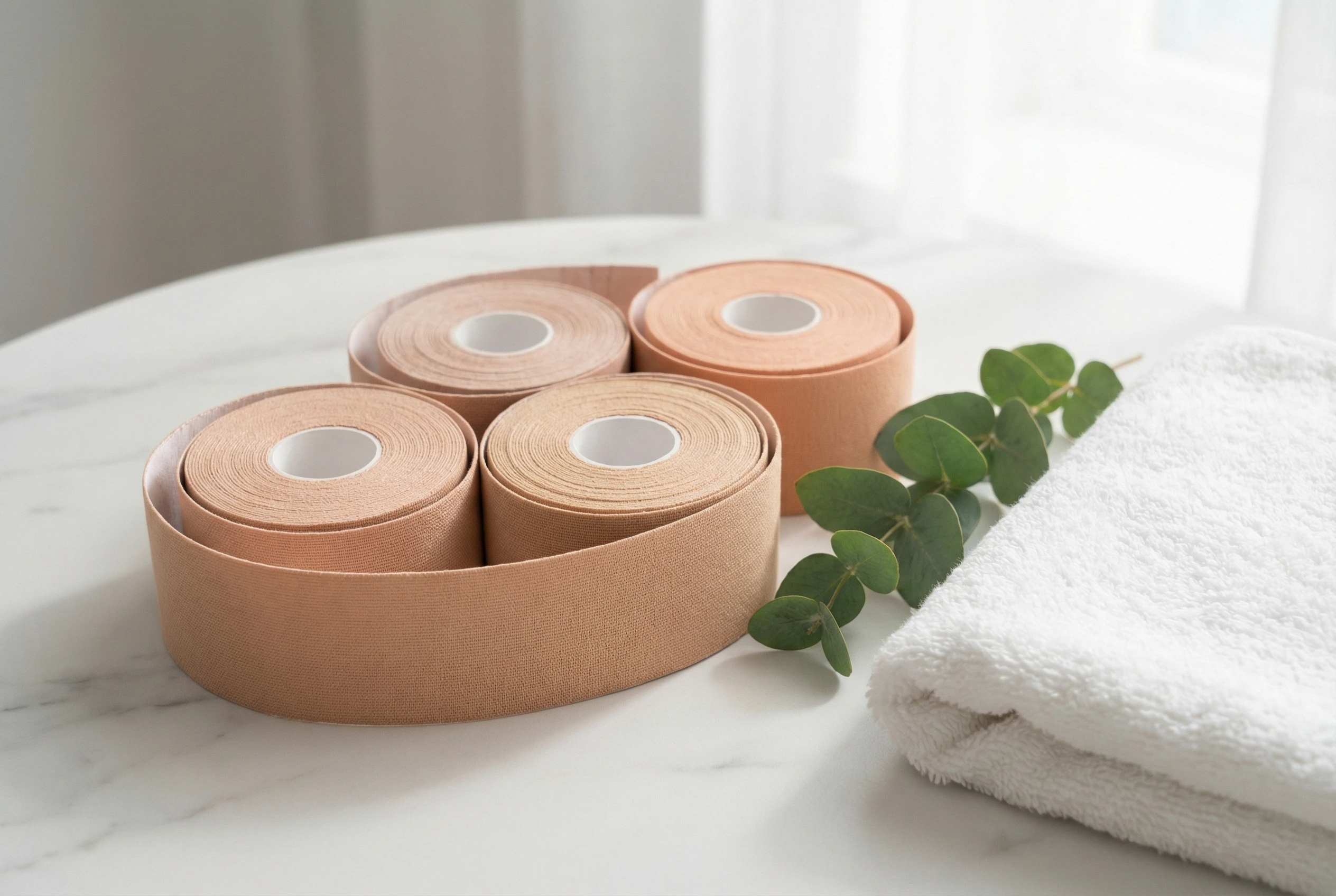
Wrapping dressings around tricky spots like your shoulders or knees isn’t always straightforward. Those curves make regular tape bunch up, peel off, or just not stick right, leaving the wound dressing loose and exposing things to infection or slower healing. I’ve dealt with this a ton over the years, both in clinical settings and helping folks at home figure it out. The trick often comes down to picking the right kind of tape – something cushioned, flexible, and built to hug those bends without coming undone.
That’s where foam tape shines. It’s thick enough to provide some padding, stretches a bit to follow body contours, and holds strong even when you’re moving around. At MediTapes, we’ve seen how our heavy-duty surgical foam tape roll makes a real difference for people struggling with joint areas or rounded body parts. It’s designed as a contouring medical tape that works great as flexible tape for joints, keeping wound dressings secure where flat tapes fail.
Why Curved Areas Like Shoulders and Knees Are So Tough to Tape
Joints move constantly. Shoulders rotate, knees bend – all that motion pulls on whatever you’ve stuck there. Add sweat, friction from clothes, or even just gravity, and standard paper tapes lift at the edges pretty quick.
Research backs this up. One survey of postoperative wounds found that over 27% had complications linked directly to dressing adhesives failing or causing skin issues. Another study showed medical adhesive-related skin injuries (MARSI) happening in about 41.9% of cases when dressings were left on longer than a couple days. And in tougher spots like joints, poor adhesion can delay healing or raise infection risk because the dressing shifts and lets bacteria in.
Foam tapes help avoid a lot of that. The cushioned layer conforms better, distributes pressure evenly, and the adhesive is usually gentler on skin while still gripping strong.
Choosing the Right Tape for Curved Body Areas
Not every tape works the same on curves. Here’s a quick comparison to show what matters:
| Tape Type | Conformability | Cushioning | Hold on Movement | Best For | Drawbacks |
|---|---|---|---|---|---|
| Paper Tape | Low | None | Weak | Light, flat dressings | Peels easily on curves |
| Cloth Tape | Medium | Minimal | Moderate | General securement | Can feel stiff on joints |
| Silicone Tape | High | Low | Good | Sensitive skin | Less padding |
| Foam Tape (like MediTapes heavy-duty) | Very High | Excellent | Strong | Curved areas, joints, wound dressing securement | Slightly bulkier |
| Kinesiology Tape | High | None | Good for support | Muscle/joint support (not primary dressing securement) | Not ideal for heavy dressings |
Foam stands out when you need both padding and flexibility. Our heavy-duty version at MediTapes is latex-free, waterproof, and stretches just enough to mold around shoulders or knees without wrinkling.
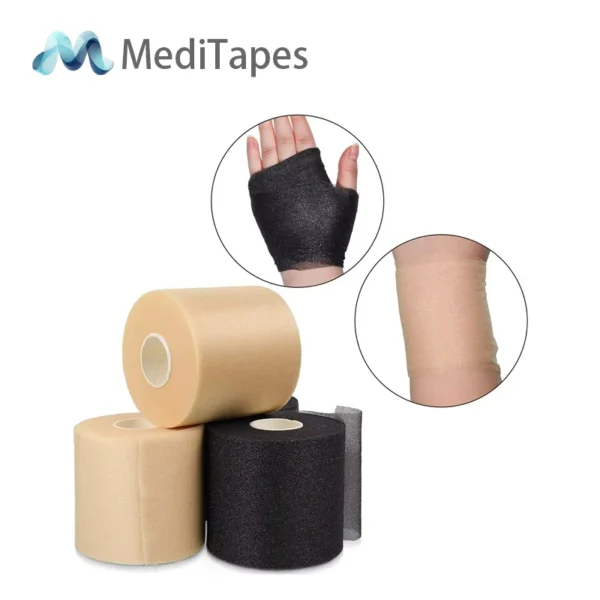
Heavy Duty Surgical Foam Tape Roll – Compression & Secure Fixation
Engineered for high compression, our Heavy Duty Surgical Foam Tape ensures secure fixation for post-surgical dressings. This durable surgical foam tape roll stretches to reduce swelling and edema. A reliable solution for hospitals needing robust dressing retention on mobile areas.
Preparing the Skin Before Applying Foam Tape on Curved Areas
Skipping prep is where most people mess up. Clean skin makes all the difference.
- Wash the area gently with mild soap and water. Pat dry – don’t rub.
- If there’s hair, trim it short rather than shaving (shaving can irritate skin and invite bacteria).
- Wipe with alcohol if the instructions say so, but let it fully dry.
- Make sure the skin isn’t moist from lotion or sweat.
One time a patient came in with a knee dressing that kept falling off. Turned out they were applying it right after showering without drying properly. Simple fix – wait a few minutes, and the tape stuck way better.
Step-by-Step: Applying Foam Tape on Shoulders
Shoulders are tricky because of all the rotation and the way skin stretches when you reach overhead.
Basic Technique for Shoulder Wound Dressing
- Cut strips about 4-6 inches long. Round the corners to prevent catching.
- Place the primary wound dressing first (gauze, foam pad, whatever your doctor recommended).
- Start with an anchor strip: Apply one end with no stretch on flat skin near the collarbone.
- Gently stretch the tape 20-30% as you guide it over the curve of the shoulder, following the deltoid muscle line.
- Overlap strips by half as you work around, creating a slight spiral pattern.
- Finish with another anchor strip on the upper arm or back with zero stretch.
Extra Tips for Better Hold Around the Shoulder
- Use a “fan” pattern if the dressing is larger – cut one end of the tape into strips and fan them out over the curve.
- Add a cross strip from front to back over the top for reinforcement.
- Avoid pulling too tight – that causes blisters or restricts blood flow.
I’ve used this on post-surgery patients recovering from rotator cuff repairs. One guy who played weekend basketball said the dressing finally stayed put through light practice, letting him heal without constant re-wrapping.
Step-by-Step: Applying Foam Tape on Knees
Knees bend a lot, so tension changes dramatically from straight to bent.
Standard Method for Knee Securement
- Position the leg slightly bent (about 30 degrees) for natural tension.
- Apply the main wound dressing centered over the wound.
- Start anchor below the kneecap on the shin.
- Bring tape up and around the sides with mild stretch, avoiding the direct back of the knee if possible (that’s where creasing happens most).
- Criss-cross strips above and below the kneecap for stability.
- End with anchors on the thigh and shin.
Handling Full Bend Movement
- Leave a small “diamond” gap behind the knee so tape doesn’t pull when fully bent.
- Use shorter overlapping pieces rather than one long strip – reduces bunching.
- If swelling is an issue, check circulation regularly.
A customer shared how they managed a bad scrape on the knee after a biking fall. Regular tape kept peeling within hours. Switched to our contouring medical tape approach with foam, and it lasted three full days even through work shifts on their feet.
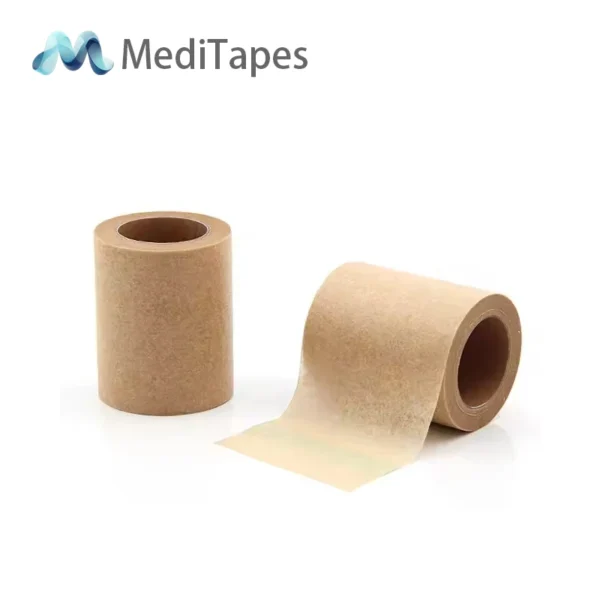
Soft Elastic Surgical Foam Tape – Multi-Direction Stretch Bulk
Sourcing Soft Elastic Surgical Foam Tape in bulk? Our tape features multi-direction stretch to accommodate swelling. This soft, conformable surgical foam tape adheres well even on damp skin. Perfect for B2B buyers seeking cost-effective, high-quality medical consumables.
Common Mistakes When Applying Foam Tape on Curved Areas (And How to Avoid Them)
People mess up the same ways over and over. Here’s the usual suspects:
- Stretching too much – causes skin tears when removing.
- Not rounding corners – they catch on clothes and lift.
- Applying on oily or sweaty skin – adhesion fails fast.
- Wrapping too tight – cuts off circulation, leads to swelling.
- Using old tape – adhesive degrades over time.
Fix these and you’ll see way better results.
Real-Life Examples (Without Names, Of Course)
Over the years we’ve heard tons of stories from customers.
One was an older woman recovering from shoulder surgery. Hospital tape kept coming loose when she reached for things around the house. Her nurse suggested trying a heavier foam tape. She ordered our heavy-duty surgical foam tape and said it was the first time the dressing stayed secure through showering and light chores.
Another was a construction worker with a deep knee cut. He couldn’t afford downtime, but regular bandages shifted constantly under work pants. Using the criss-cross method with flexible tape for joints, he kept the wound clean and protected for full shifts.
These aren’t rare – we hear similar feedback regularly.
Advanced Techniques for Tough Cases
Sometimes basic isn’t enough.
- Layering: Use a thin silicone base tape first, then foam over top for extra gentle removal.
- Combining with tubular bandages: Slide a stockinette over everything for added protection.
- Cutting custom shapes: For really awkward contours, cut foam tape into curves or darts so it lays flat.
For chronic wounds or heavy exudate, pair with absorbent dressings underneath.
Removing Foam Tape Safely From Curved Areas
Removal matters just as much. Pull wrong and you damage healing skin.
- Soak with warm water or adhesive remover first.
- Peel slowly in the direction of hair growth.
- Support the skin with one hand while pulling tape with the other.
- Clean residue gently.
This reduces MARSI risk significantly.
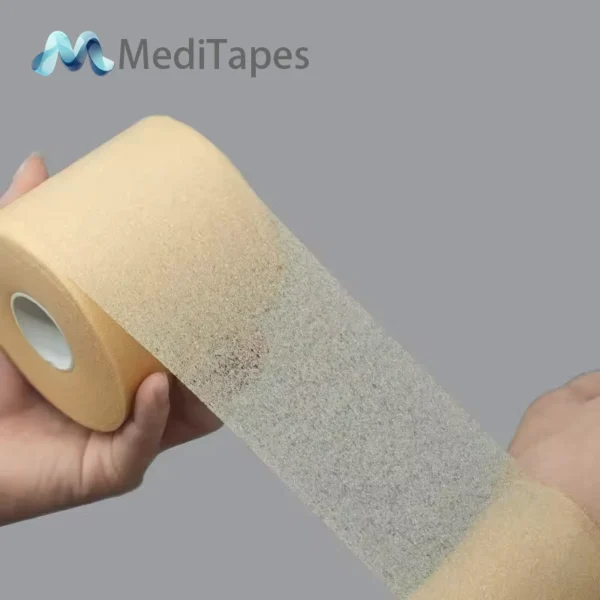
Waterproof Surgical Foam Tape for Wound Care – High Elasticity
Our Waterproof Surgical Foam Tape offers superior multi-direction stretch, perfect for securing dressings on joints. This high elasticity surgical foam tape is water-resistant and hypoallergenic, ensuring patient comfort during recovery. Ideal for challenging orthopedic applications.
Frequently Asked Questions
How long can I leave foam tape on curved areas like knees or shoulders?
Usually 3-7 days depending on the brand and skin condition. Check daily for redness or loosening. Our MediTapes heavy-duty version often lasts 5-7 days even with movement.
Will foam tape work for very hairy areas?
Yes, but trim hair first. The cushion helps it grip without pulling hairs as much as thinner tapes.
Can I shower with foam tape applied on joints?
Absolutely – most medical foam tapes are waterproof. Just pat dry afterward instead of rubbing.
What’s the difference between regular foam tape and contouring medical tape?
Contouring versions have better stretch and adhesion designed specifically for curves and movement, making them ideal flexible tape for joints.
My dressing still shifts a bit – what am I doing wrong?
Probably not enough overlap or anchors. Try adding extra cross strips and make sure anchors have zero stretch.
Wrapping It Up
Applying foam tape on curved areas doesn’t have to be frustrating. With clean skin, proper technique, and the right product, you can keep wound dressings secure where it matters most. Whether it’s a shoulder recovering from injury or a knee that won’t stay still, these methods work.
If you’re dealing with a tricky spot right now or want to stock up on reliable tape, check out our heavy-duty surgical foam tape roll at MediTapes. We’ve helped thousands get better securement without the hassle.
Got questions or need advice for your specific situation? Drop us a line at info@meditapes.com or visit our contact page. We can even help with bulk orders or custom recommendations. Let’s get that dressing to stay put so you can focus on healing.