Why Cohesive Bandages Matter in Everyday Physio Work
Look, if you’ve been in the clinic long enough, you know sprains and strains show up almost every day. Ankle ones especially – they’re super common. Stats from reliable sources like the NCBI show around 2 million acute ankle sprains happen yearly in the US alone, with incidence rates hovering around 2-7 per 1000 people each year. And the bad news? Up to 40% of folks end up with chronic issues or recurrence if things aren’t handled right from the start.
That’s where good compression comes in. Not too tight, not too loose – just right to help control swelling without cutting off circulation. Cohesive bandages (those self-adhesive ones that stick to themselves, no clips needed) have become a go-to in many physio settings because they’re quick, adjustable, and patients can often reapply them themselves after you show ’em how.
In our experience here at MediTapes, we’ve seen clinics switch to better quality cohesive options and notice patients get back to function quicker with less complaints about slippage or skin irritation. If you’re the one making purchasing decisions for your physical therapy center, focusing on clinical effectiveness means picking physiotherapy supplies that actually deliver consistent compression and support day in, day out.
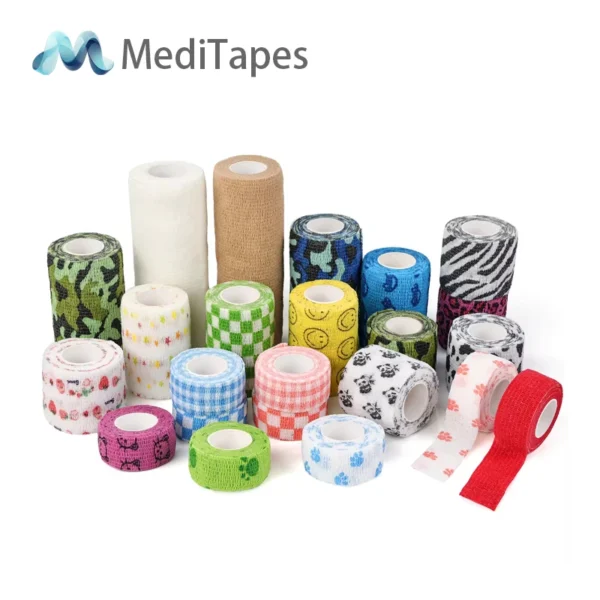
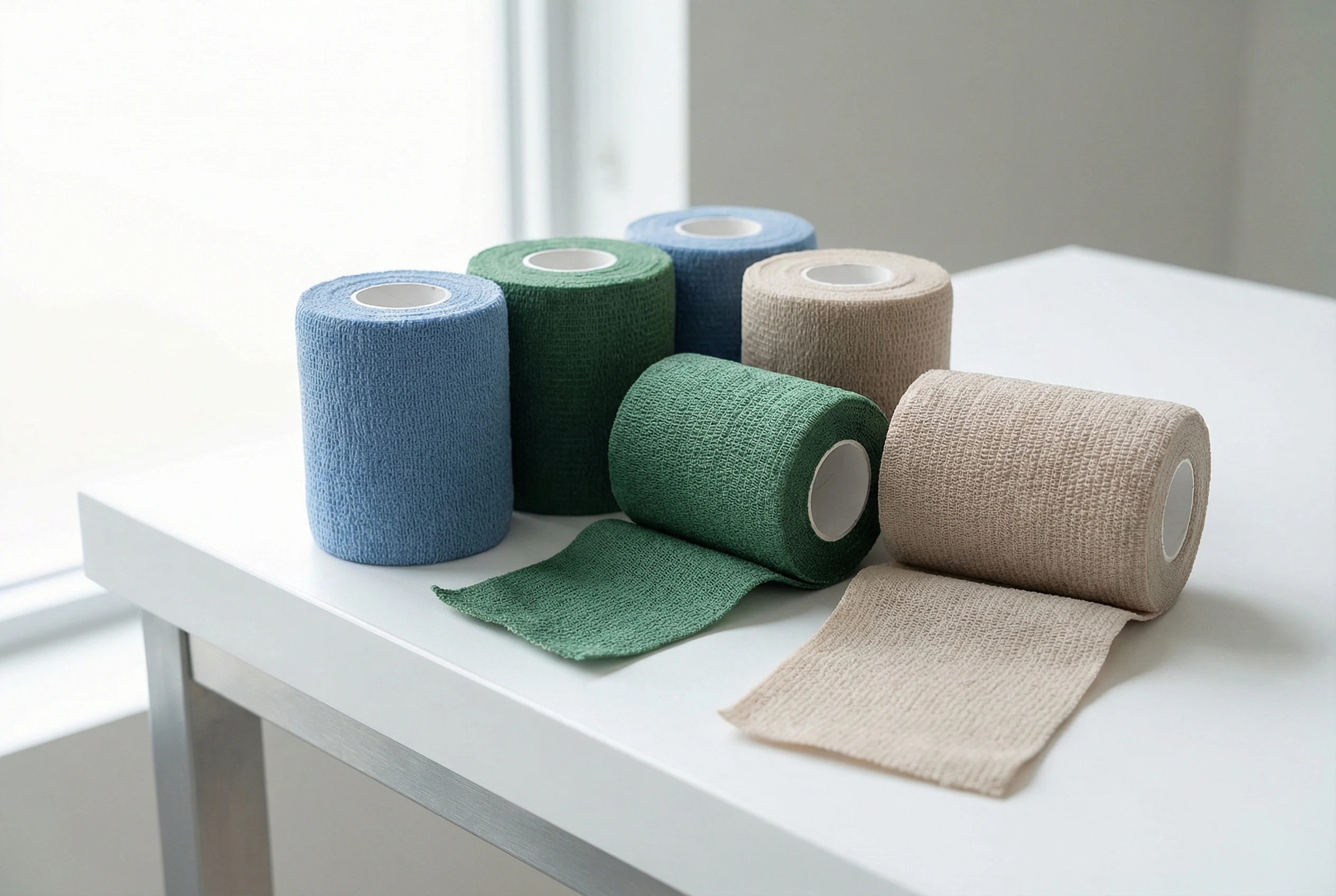
Camouflage Printed Cohesive Wrap – Tactical Self Adherent Bandage
Durable Camouflage Printed Cohesive Wrap designed for outdoor and tactical gear protection. This tactical self-adherent bandage provides excellent grip and concealment without sticky residue. Water-resistant and strong, it is the ideal printed cohesive tape for hunting, shooting, and sports gear.
Understanding Sprains vs Strains – Quick Recap
Sprains hit ligaments (think overstretched or torn ankle ligaments from rolling it), while strains affect muscles or tendons (maybe a pulled hamstring during a sprint). But in practice, early management overlaps a lot: control swelling, protect the area, start gentle loading when ready.
Old school thinking was RICE (Rest, Ice, Compression, Elevation), but these days lots of us lean toward POLICE – Protection, Optimal Loading, Ice, Compression, Elevation. Studies (like ones comparing POLICE to PRICE) show POLICE often gets people better faster, with bigger improvements in scores like the American Orthopedic Foot and Ankle Score in just two weeks.
Compression sits right in the middle – it helps limit bleeding and fluid buildup, which means less pain and quicker return to movement.
Benefits of Cohesive Bandages Over Other Options
Why not just use regular elastic wraps or rigid tape every time?
Well, rigid tape is great for max stability (like right after a bad inversion sprain), but it can be too restrictive and needs careful removal. Elastic bandages slip easily if not reapplied often. Cohesive bandages? They hit a sweet spot.
They provide adjustable compression – stretch ’em more for firmer support, less for gentle hold. They stick only to themselves, so no sticky residue on skin. Breathable ones reduce sweat buildup. And they’re reusable for the same patient, which saves money long-term.
In one Physiopedia overview and various clinic guides, cohesive types get praised for securing layers, maintaining even pressure, and being easy to teach patients for home use. We’ve had clinics tell us they cut re-taping visits because patients manage their ankle wrap better between sessions.
Here’s a quick comparison table to see the differences:
- Rigid Zinc Oxide Tape — Max immobilization, great for acute protection, but stiff, can irritate skin, single-use feel.
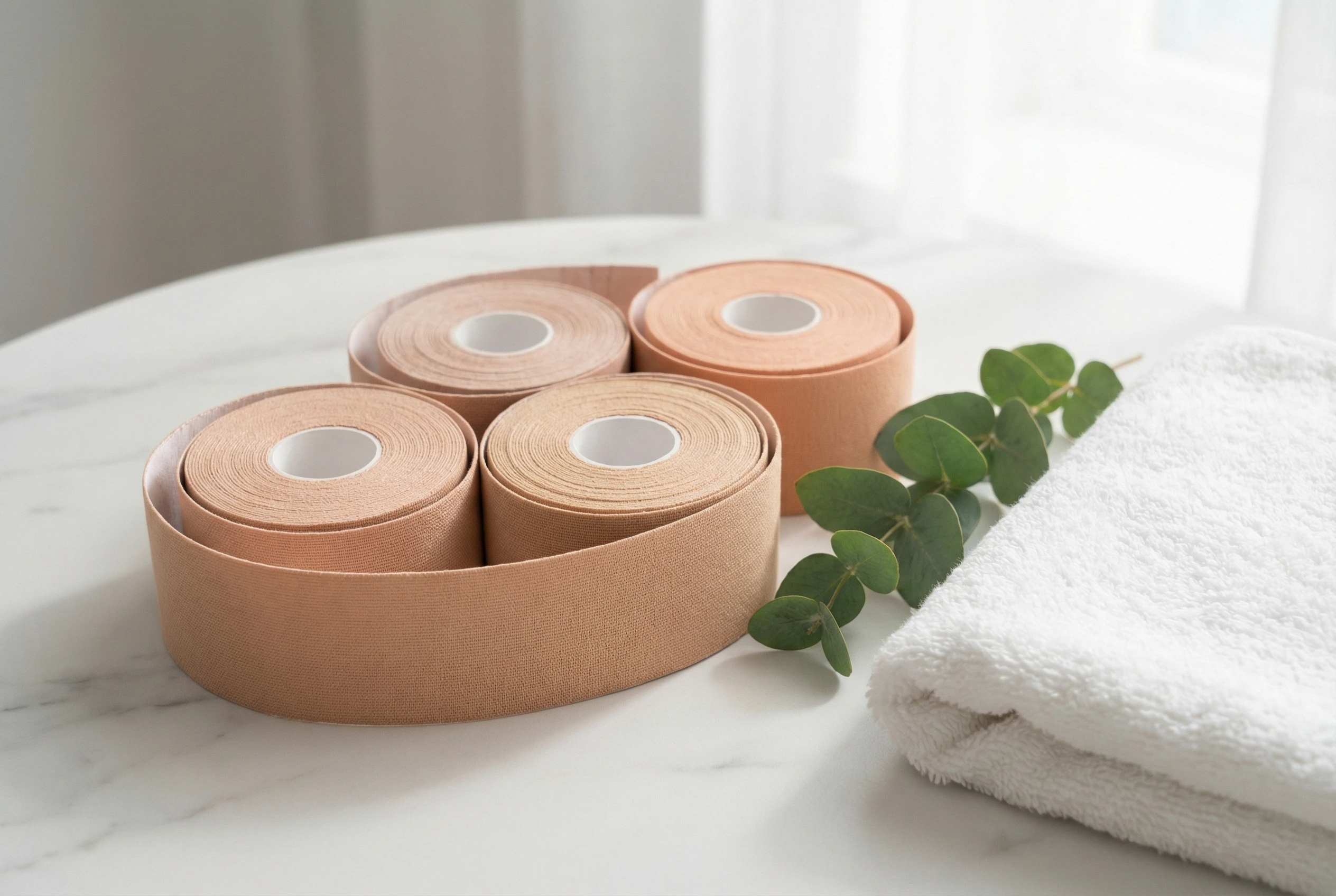
- Kinesiology Tape — Flexible, good for proprioception and later rehab, but less compression power.
- Traditional Elastic Bandage — Cheap, adjustable, but slips a lot and needs clips.
- Cohesive Self-Adhesive Bandage — Balanced compression + support, self-sticking, breathable, patient-friendly for home.
For most grade 1-2 sprains, cohesive wins for day-to-day use.
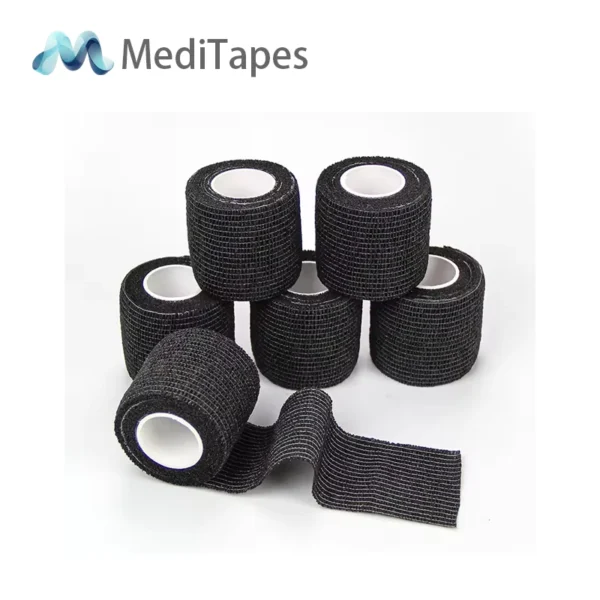
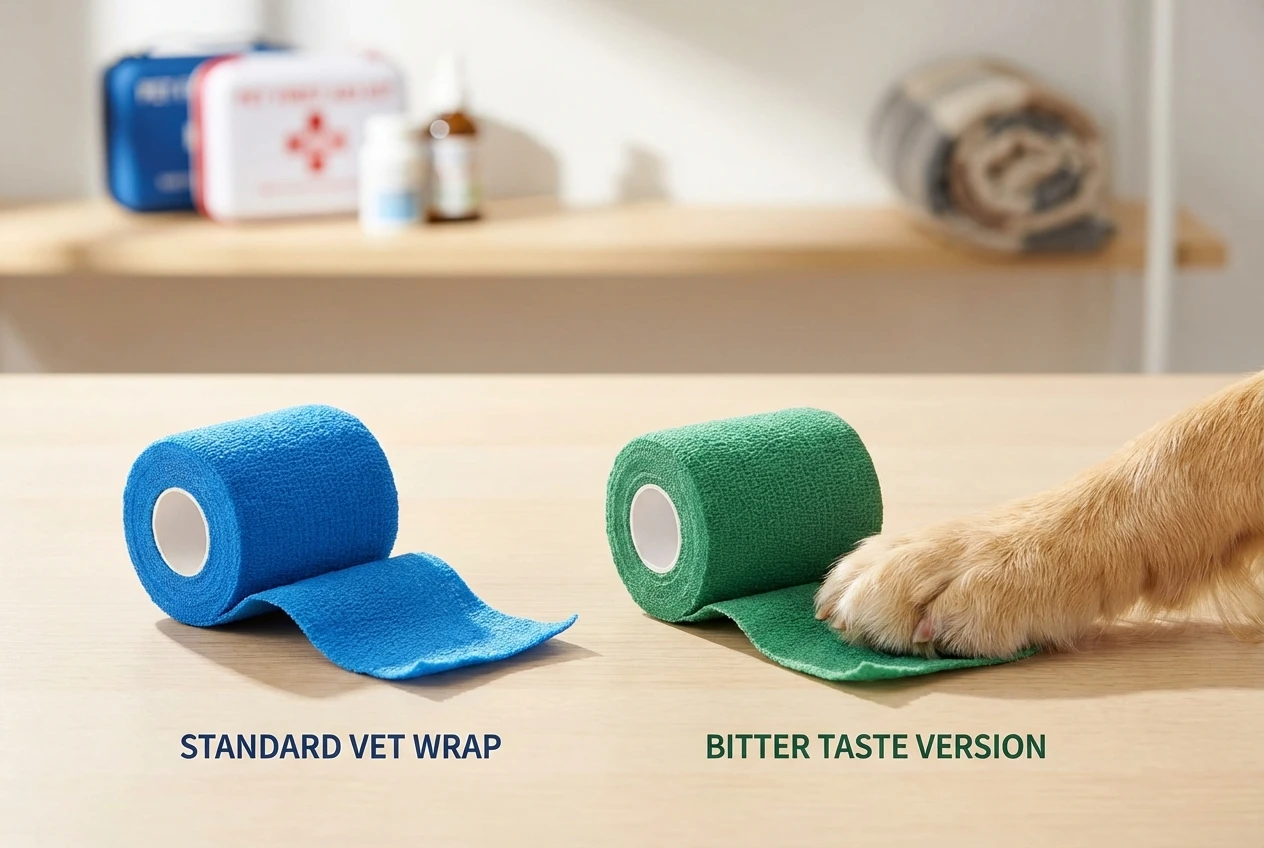
Bitter Taste Cohesive Bandage – No Chew Vet Wrap for Pets & Dogs
Stop pets from gnawing wounds with Bitter Taste Cohesive Bandage. This no chew vet wrap contains a safe bitter agent to deter licking and biting. Protects dressings effectively while remaining breathable. The smart choice for veterinary post-surgery care using non-woven bandage.
Step-by-Step: How to Apply Cohesive Bandages Effectively
Alright, let’s get practical. This is stuff we’ve taught dozens of therapists over the years.
Prep first:
- Clean and dry the skin.
- If swelling’s bad, do ice/elevation for 10-20 mins first.
- Check circulation – capillary refill, sensation, etc.
Basic Ankle Wrap Technique (Classic Figure-8 for Lateral Sprain):
- Start just above the toes, wrap around the foot a couple times to anchor (no stretch here usually).
- Come up over the inside ankle, cross over to the outside, then around the heel.
- Figure-8: loop around ankle, cross over the front, go under the foot, back up – overlap about 50% each time.
- Keep even tension – about 50% stretch for moderate compression.
- Finish above the ankle with a few circular wraps, press layers together so it grips itself.
- Check toes for color/temp – if blue/cold, loosen it.
Tips from real sessions:
- Overlap 50% to avoid gaps and pressure spots.
- For bigger swelling, start looser and rewrap after 24 hrs.
- Use 5-7.5cm width for ankles, wider for knees/thighs.
- Always include the heel – prevents slippage.
For Strains (e.g. Thigh or Calf):
Spiral up the limb with 30-50% stretch, anchor above/below the muscle belly. More layers = firmer support without choking blood flow.
We always say: teach the patient to monitor for numbness/tingling. If it hurts more after application, redo it.
Clinical Effectiveness: What the Numbers and Cases Say
Compression helps reduce swelling, which lets patients start optimal loading sooner. One study found better functional scores and quicker recovery with protocols emphasizing compression over rest-only.
In our own anonymous feedback from clinics using MediTapes cohesive products, therapists report:
- Patients with grade 2 ankle sprains often return to partial weight-bearing 3-5 days faster than with basic wraps.
- Fewer skin issues compared to adhesive tapes.
- Better compliance because patients find the ankle wrap easy to adjust at home.
One busy sports physio center switched their bulk orders and saw repeat sprain rates drop in follow-up patients (they tracked it informally over 6 months).
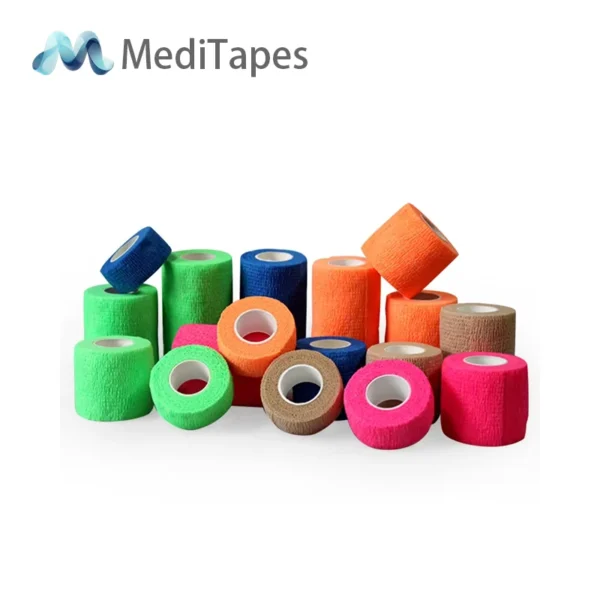
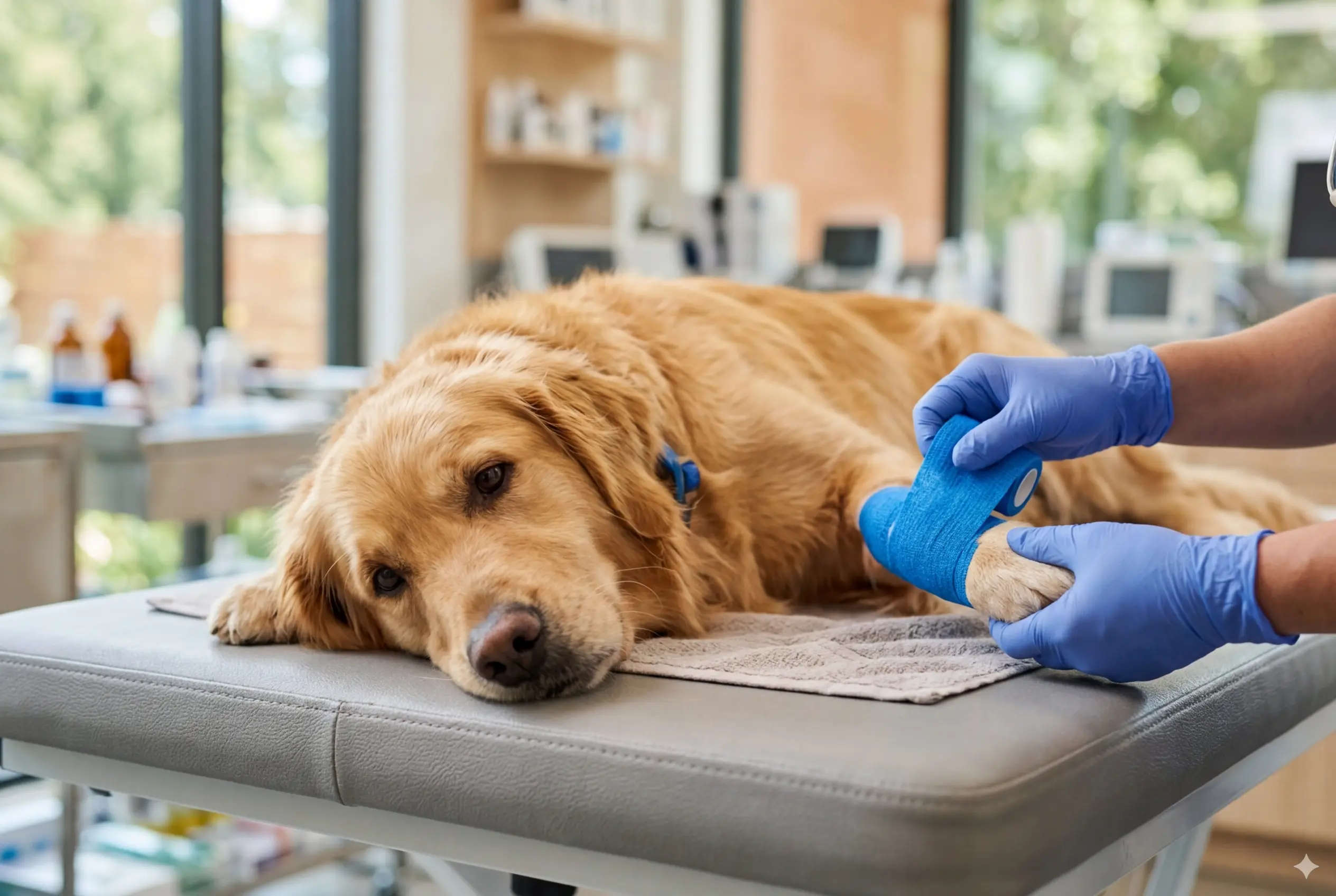
Hand Tearable Cohesive Tape – Lightweight Non-Woven Bandage Roll
Experience convenience with Hand Tearable Cohesive Tape. No scissors needed for this lightweight non-woven bandage roll. Ideal for fast-paced environments like emergency rooms or sports fields. Adheres securely to itself for non-slip support. The most user-friendly self-adhesive wrap.
Choosing the Right Cohesive Bandage for Your Clinic
When buying physiotherapy supplies, look for:
- Latex-free options
- Good hand-tear (no scissors needed)
- Consistent stretch without losing elasticity
- Colors for fun/marking levels
At MediTapes, our self-adhesive bandage range is designed with physios in mind – strong cohesive grip, breathable fabric, and reliable compression. Check out the full category here: https://meditapes.com/product-category/self-adhesive-bandages/
If you’re deciding what to stock, drop us a line – we can send samples so you feel the difference yourself.
FAQ – Common Questions We Get Asked
Q: How long should a patient keep the cohesive bandage on?
A: Usually 2-4 days for acute phase, but rewrap daily or if it loosens. Remove for ice/skin checks. Don’t sleep in it unless we say it’s ok.
Q: Is cohesive bandage better than kinesio tape for initial sprain treatment?
A: For early compression and swelling control – yes, cohesive usually wins. K-tape shines more in later stages for movement support.
Q: Can patients reapply it themselves at home?
A: Absolutely – that’s one of the best parts. Show them once or twice, and most get it. It cuts down on unnecessary visits.
Ready to Upgrade Your Sprain Management?
Look, good sprain treatment isn’t just about the first visit – it’s about setting patients up for success long-term. The right physiotherapy supplies make that easier.
If this resonates with what you’re seeing in your center, why not chat? Head over to our contact page: https://meditapes.com/contact-us/ or shoot an email to info@meditapes.com. We’d love to talk about your needs and maybe get you some pricing or samples.