If you’ve ever dealt with a wound dressing that irritated your skin or didn’t stay put long enough, you know how frustrating that can be. I’ve seen it firsthand over the years working with medical tapes and films – patients complaining about redness or dressings peeling off too soon. That’s where the right kind of glue makes all the difference. In medical PU film rolls, acrylic adhesive plays a huge part in making these products reliable and gentle.
PU film, or polyurethane film, is that thin, flexible, transparent material used in a lot of modern wound dressings. It’s breathable, waterproof, and lets you see the wound without removing the dressing every time. But what really holds it all together – literally – is the acrylic glue coated on one side. This isn’t just any glue; it’s specially formulated medical grade adhesive designed for skin contact.
Think about it like this: you want something that sticks well enough to keep bacteria out and the dressing secure, but not so aggressively that it hurts when you take it off or causes a rash. Acrylic adhesives strike that balance pretty well, especially the hypoallergenic versions.
What Makes Acrylic Adhesive Stand Out in Medical PU Film Rolls
Acrylic glue has been around in medical applications for decades because it’s tough, reliable, and can be tweaked to be kinder to skin. In PU film rolls, it’s usually a pressure-sensitive type – meaning it sticks when you press it on, no heat or solvents needed.
Key perks I’ve noticed from using these in real scenarios:
- Strong yet manageable adhesion: It holds firm on skin, even when you’re moving around or sweating a bit, but doesn’t go overboard.
- Breathability: Paired with PU film, it lets moisture vapor escape so the skin doesn’t get soggy underneath (that’s called high MVTR – moisture vapor transmission rate).
- Hypoallergenic options: Many are made as low allergy adhesive, reducing the chance of irritation. Studies show properly formulated acrylics have low sensitization rates, often under 2% in general use.
One thing people worry about is skin reactions. Yeah, some older acrylics could cause issues if not formulated right, but modern medical grade adhesive versions are tested rigorously for irritation and allergies. For example, data from patch testing shows allergic contact dermatitis from acrylic-based dressings is rare when they’re hypoallergenic.
Compared to silicone adhesives, which are super gentle but sometimes don’t stick as strongly or cost more, acrylic offers a solid middle ground for many everyday medical needs.
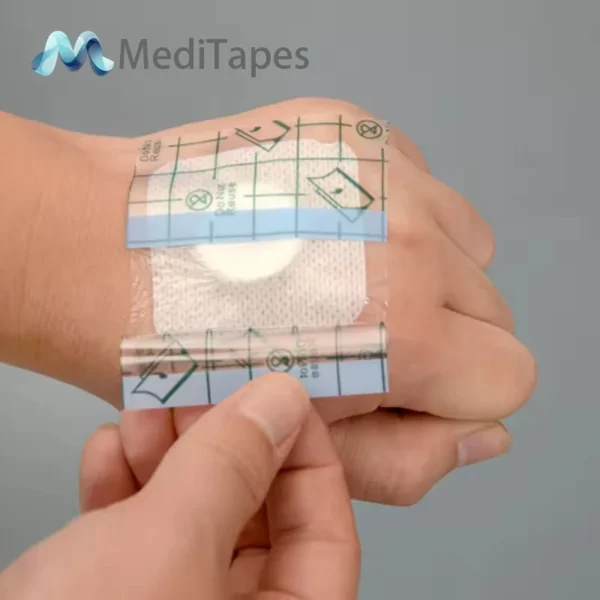
Hypoallergenic PU Film Dressing Roll Wholesale – Bulk Wound Care
Sourcing reliable supplies? Our Hypoallergenic PU Film Dressing Roll is available for Bulk Wound Care orders. Featuring a grid backing for precise cutting, this transparent roll minimizes allergic reactions. It is a cost-effective, premium choice for securing medical devices and primary dressings in high-volume environments.
A Quick Comparison: Acrylic vs. Silicone in Medical Dressings
To make it clearer, here’s a table breaking down the main differences based on what I’ve seen in products and studies:
| Feature | Acrylic Adhesive | Silicone Adhesive |
|---|---|---|
| Adhesion Strength | Strong and builds over time | Gentler, consistent but lower initial tack |
| Skin Irritation Risk | Low with hypoallergenic formulas (around 1-2% in studies) | Very low, great for fragile skin |
| Repositionability | Limited – sticks firmly once placed | High – easy to lift and reapply |
| Cost | More affordable | Higher |
| Wear Time | Good for several days | Excellent for extended wear |
| Best For | General wound fixation, IV sites | Sensitive skin, neonates, long-term |
Acrylic wins for versatility in PU film rolls, especially when you need that reliable hold without breaking the bank.
Why Skin Safety Matters – Focusing on Low Allergy and Moderate Stickiness
Customers often ask me: “Will this irritate my skin? And will it stay on without being too aggressive?” That’s spot on – the glue’s ingredients are key to ensuring it’s harmless while sticky enough.
In medical PU film rolls, the acrylic glue is copolymerized with polar monomers to make it biocompatible. It’s impermeable to liquids and bacteria but lets air and vapor through. Real-world data backs this up: transparent film dressings with acrylic adhesives are widely used because they reduce infection risk while keeping skin healthy.
From experience, we’ve had cases where patients with sensitive skin used our PU Film Dressing Roll and reported no redness after days of wear. One anonymous story: a clinic switched to our hypoallergenic version for post-op patients, and complaints about peeling skin dropped noticeably. The low allergy adhesive formula made removal painless, and the moderate adhesion kept dressings secure during daily activities.
Another scenario in home care – elderly folks with thin skin using rolls for catheter fixation. The acrylic glue held without causing tears on removal, unlike some stronger options.
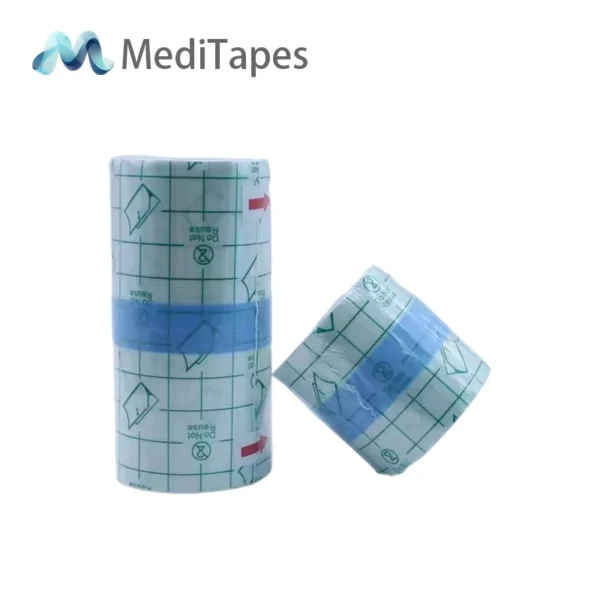
Flexible PU Film Retention Roll – Waterproof IV & Cannula Fixation
Ensure stability with our Flexible PU Film Retention Roll, specifically engineered for Waterproof IV & Cannula Fixation. The ultra-thin polyurethane film acts as a bacteria barrier, reducing infection risks. Its elasticity allows patients full range of motion, making it a staple for post-operative care and catheter security.
Properties of Acrylic Glue in PU Film Rolls
Here’s a table summarizing the core properties that make it effective:
| Property | Description | Benefit for Skin and Wound |
|---|---|---|
| Adhesion Level | Moderate to strong | Stays put but removes cleanly |
| Hypoallergenic | Formulated without common irritants | Low risk of allergy or redness |
| Breathability (MVTR) | High (often 1000+ g/m²/24h) | Prevents maceration (soggy skin) |
| Waterproof | Yes | Shower-friendly |
| Transparency | Clear | Easy wound monitoring |
These come from standard testing like EN 13726 for wound dressings.
How Acrylic Adhesive Works in Real Medical Applications
In practice, PU film rolls with acrylic glue are used for:
- Fixing IV lines or catheters – the glue secures without slipping.
- Covering minor wounds or surgical sites – transparent so nurses can check healing.
- Secondary dressings over absorbent pads.
We’ve supplied rolls to hospitals where the feedback was all about comfort. One batch went to a wound care center; they loved how the acrylic glue didn’t leave residue and was gentle on repeated changes.
If you’re sourcing for a facility or personal use, look for rolls labeled with medical grade adhesive. At MediTapes, we focus on that – our products use carefully selected acrylic formulations for optimal skin safety.
Choosing the Right PU Film Roll with Acrylic Adhesive
Not all acrylics are equal. Go for ones certified hypoallergenic and tested for low irritation. Thickness matters too – thinner films (0.02-0.025mm) conform better.
Tips from years of handling these:
- Test a small piece if skin is super sensitive.
- Remove gently: peel back slowly at a low angle.
- Combine with barrier films if needed for extra protection.
Our hypoallergenic PU film dressing roll uses a balanced low allergy adhesive that’s proven gentle yet effective.
Success Stories and Application Scenarios
Anonymously sharing: a home health nurse used our rolls on a patient recovering from surgery. The acrylic adhesive kept the dressing intact for a week, no irritation, and easy removal without pain. Patient said it felt “just right – sticky enough but not harsh.”
In a clinic setting, for pediatric burns – the transparency helped monitor, and low allergy formula avoided reactions common with other glues.
Another: diabetic ulcer care – the breathable PU with acrylic glue promoted moist healing without skin breakdown around edges.
These aren’t rare; proper acrylic in medical PU films consistently delivers.
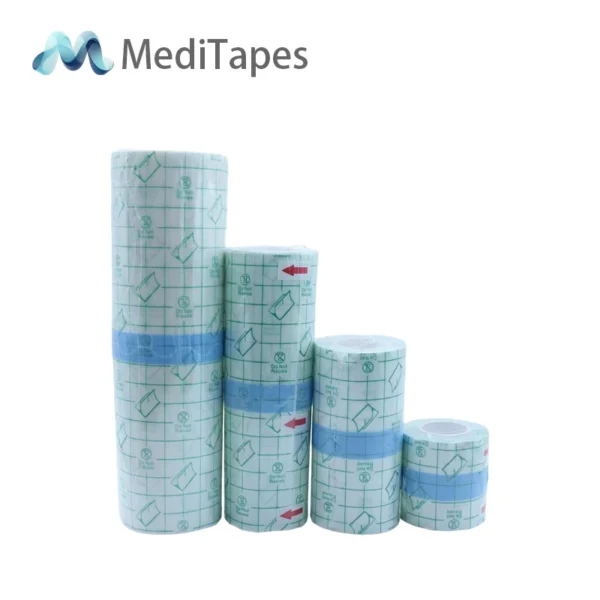
Waterproof PU Film Dressing Roll – Transparent Wound Fixation Tape
Our Waterproof PU Film Dressing Roll offers superior protection against water and bacteria while allowing the skin to breathe. Ideally used as Transparent Wound Fixation Tape for securing catheters and gauze. This hypoallergenic roll is easy to cut and conforms to body contours for maximum patient comfort.
Wrapping It Up: Why Acrylic Adhesive is Key
The role of acrylic adhesive in medical PU film rolls boils down to providing that perfect mix – secure hold, skin safety, and ease of use. With medical grade adhesive and low allergy adhesive options, it’s a go-to for ensuring dressings protect without harming.
If you’re looking for reliable PU film rolls that prioritize skin health and moderate adhesion, check out what we offer at MediTapes. Visit our site at https://meditapes.com/ or head straight to the product page for our PU Film Dressing Roll.
Got questions or need a quote? Drop us a line at info@meditapes.com or through our contact page. We’d love to help you find the right solution.
FAQ
What is acrylic adhesive in medical PU film rolls?
It’s a pressure-sensitive glue coated on polyurethane film, designed to stick to skin securely while being breathable and often hypoallergenic.
Is acrylic glue safe for sensitive skin?
Yes, especially low allergy adhesive versions. Modern medical grade ones have low irritation rates, though always patch test if concerned.
How does acrylic compare to silicone for wound dressings?
Acrylic offers stronger initial stick and is more affordable, while silicone is gentler for very fragile skin but may not hold as firmly.
Can I shower with PU film dressings using acrylic adhesive?
Absolutely – they’re waterproof, so the dressing stays on, and the glue maintains adhesion.
Where can I get hypoallergenic PU film rolls?
Check out MediTapes’ PU Film Dressing Roll for a reliable option.