If you’ve ever dealt with patients after surgery or in long-term care, you know how tricky it can be to keep dressings secure without causing extra problems for their skin. I’ve spent years working with all kinds of medical tapes in clinical settings, and one thing stands out every time: breathability makes a huge difference. Non-breathable options can trap moisture and lead to irritation, but a good breathable PE tape changes the game for patient comfort and healing.
Think about it – skin needs to “breathe” just like we do. When tape blocks air and moisture vapor, things go south quick. That’s where breathable PE tape comes in, especially the perforated kinds that let air flow through tiny holes. At MediTapes, we’ve seen firsthand how these tapes help avoid common issues like redness or worse.
In this guide, we’ll chat about why breathability matters so much in surgical PE tapes, how it ties into preventing skin maceration, and why perforated surgical tape is often the go-to choice for pros like nurses and surgeons who prioritize skin health.
Why Breathability Matters in Surgical Tapes
Surgical tapes hold everything in place – dressings, tubes, you name it. But if they’re not breathable, they can create a sealed-off environment under the tape. Sweat and natural skin moisture get trapped, and suddenly you’ve got a recipe for trouble.
From what I’ve observed over the years, breathable tapes allow moisture vapor to escape while still sticking well. This keeps the skin drier and happier. Studies back this up too – breathable materials promote better healing by letting air reach the skin, as noted in sources like Wikipedia’s entry on surgical tape, which stresses that tapes should be breathable to avoid irritating the skin.
Non-breathable tapes? They might seem strong at first, but prolonged use often leads to buildup of moisture. One real-world scenario I recall involved post-op patients where standard tape caused noticeable redness after just a few days. Switching to a breathable option cleared that up fast.
The Role of Moisture Vapor Transmission Rate (MVTR)
Okay, let’s get a bit technical here, but not too much. MVTR measures how much moisture vapor passes through a material in a day – higher is better for breathability. For wound dressings and tapes, an optimal MVTR around 2000-3000 g/m²/24h helps maintain the right moisture balance without drying out or soaking the skin.
Research from Scientific Reports shows that dressings with MVTR around 2028 g/m²/24h support cell proliferation best in lab models. Too low, and you risk maceration; too high, and the area dries out. Breathable PE tapes, especially perforated ones, hit this sweet spot nicely.

OEM Surgical PE Tape Manufacturer – Hospital Grade Medical Supply
As a premier factory, we offer customizable OEM Surgical PE Tape solutions for global brands. Our hospital-grade Surgical PE Tape meets international standards (CE/ISO). Partner with us for wholesale Surgical PE Tape with customized widths, lengths, and packaging to fit your market.
Key Features:
– OEM/ODM Customization.
– CE/ISO Certified Factory.
Understanding Skin Maceration and How Breathability Prevents It
Skin maceration – that’s when skin gets overly soft and wrinkled from too much moisture, kinda like after a long bath, but worse because it makes skin fragile and prone to breakdown.
In medical settings, this happens a lot with occlusive tapes that don’t let vapor out. Trapped sweat softens the skin, increasing friction damage and infection risk. Sources like WoundSource explain maceration as skin turning white/gray and wrinkled, more vulnerable to irritants.
Prevention is straightforward: use breathable tapes. Perforated surgical tape excels here because those tiny holes boost air circulation and vapor escape. I’ve seen cases where switching to perforated options reduced maceration signs in fragile-skin patients, like elderly folks or those with extended wear times.
One anonymized example from a hospital ward: a patient with chronic dressings had recurring maceration around IV sites. Moving to a breathable PE tape with good perforation cut incidents by a noticeable amount, letting the skin stay healthier longer.
Common Causes of Skin Issues with Non-Breathable Tapes
Here’s a quick table comparing breathable vs. non-breathable tapes based on common observations and data from medical sources:
| Aspect | Non-Breathable Tapes | Breathable PE Tape (e.g., Perforated) |
|---|---|---|
| Moisture Trapping | High – leads to maceration | Low – allows vapor escape |
| Skin Irritation Risk | Higher, especially prolonged wear | Lower, gentler on sensitive skin |
| Healing Support | Can slow due to poor air flow | Promotes faster by maintaining balance |
| MVTR (approx. range) | Low (<1000 g/m²/24h) | Higher (2000+ g/m²/24h) |
| Patient Comfort | Often causes itch/redness | Better tolerance, less complaints |
Data drawn from studies like those in the Journal of Wound Care and general clinical guidelines.
Benefits of Breathable PE Tape in Clinical Practice
Breathable PE tape isn’t just hype – it offers real advantages. Made from polyethylene with micropores or perforations, it balances adhesion with air flow.
Key perks:
- Skin Maceration Prevention: By letting moisture evaporate, it keeps peri-wound areas dry-ish.
- Comfort for Longer Wear: Patients move more freely without that sticky, sealed feeling.
- Hypoallergenic Options: Many are gentle, reducing allergic reactions.
From Avery Dennison medical resources, breathable tapes pair well with soft adhesives for extended use.
In one scenario (keeping it anonymous), a surgical team used perforated surgical tape for post-op dressings on abdominal incisions. Patients reported less discomfort, and checks showed healthier skin edges compared to previous non-perforated tapes.
Perforated Surgical Tape: A Closer Look
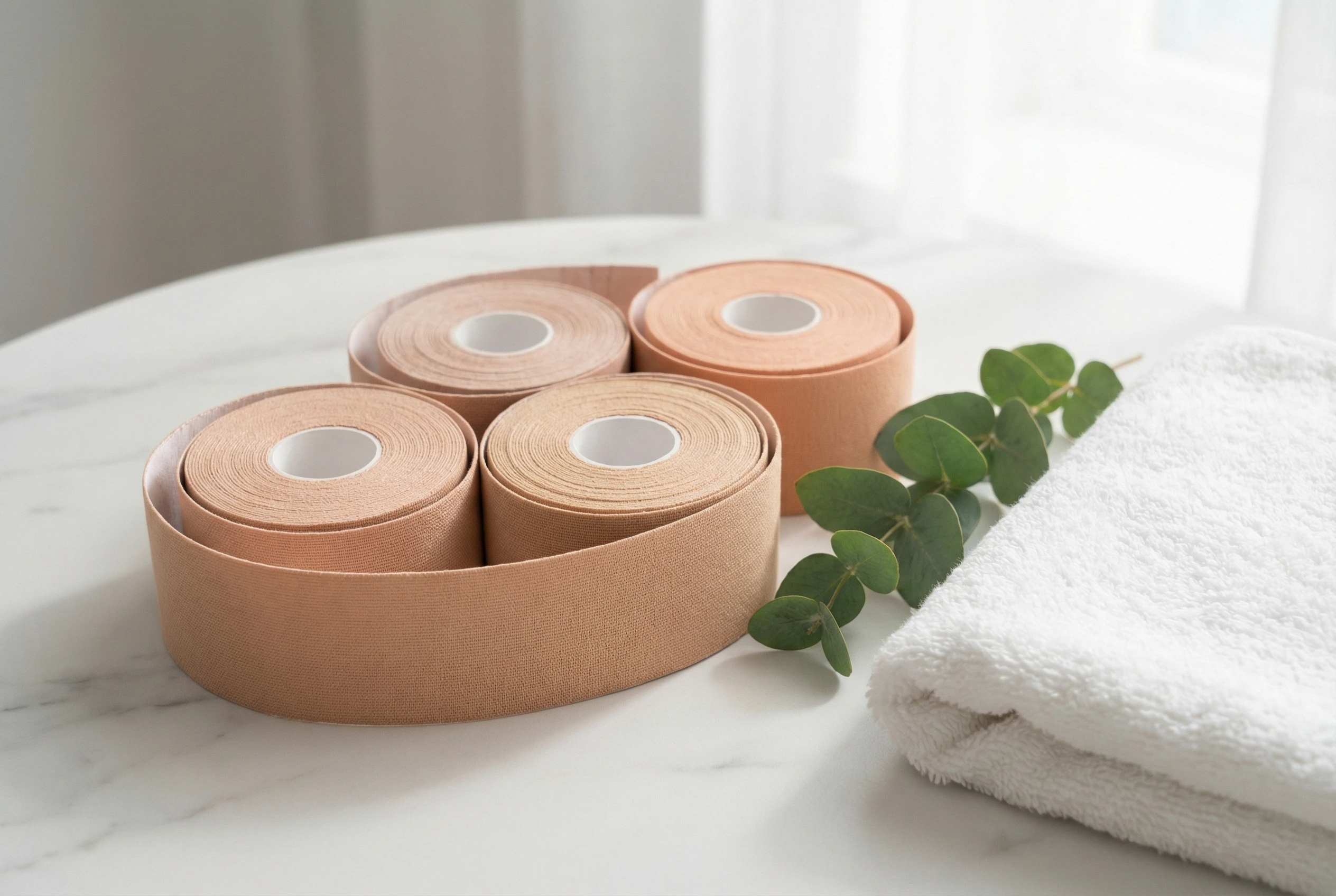
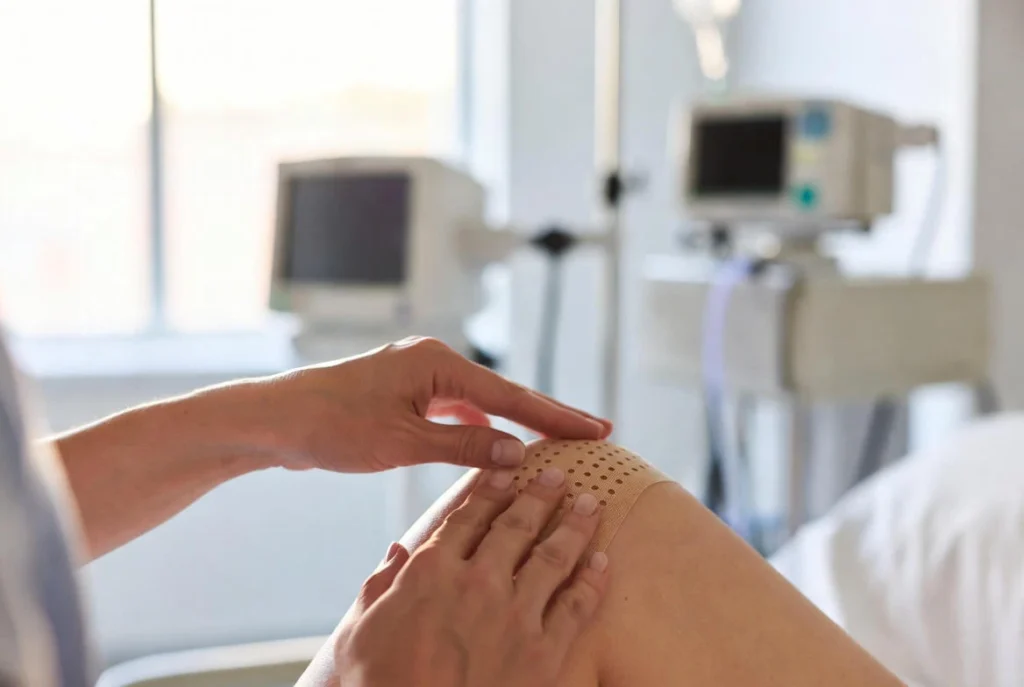
Perforated surgical tape takes breathability up a notch with those even holes for easy tearing and extra ventilation. It’s transparent often, so you can monitor sites without removing it.
Benefits include:
- Easy hand-tear (no scissors needed in a rush).
- Better conformability to body contours.
- Reduced residue on removal.
Products like those from MediTapes feature uniform perforations for consistent breathability.
Comparing Surgical PE Tapes: Breathable vs. Standard
Not all PE tapes are equal. Standard ones might be waterproof but low on breathability, great for short-term but risky longer.
Breathable versions, especially perforated, shine for:
- Post-surgical securement.
- IV fixation.
- Sensitive skin cases.
A table of typical features:
| Feature | Standard PE Tape | Breathable/Perforated PE Tape |
|---|---|---|
| Breathability | Moderate to low | High (micropores/perforations) |
| Maceration Risk | Higher with sweat/exudate | Significantly reduced |
| Wear Time Comfort | Shorter tolerance | Longer, fewer changes needed |
| Ease of Removal | Can pull skin | Gentler, less trauma |
| Best For | Quick, dry applications | Prolonged, moist environments |
Inspired by comparisons in medical supply guides.
Real-World Applications and Case Insights
Over my time supplying and recommending tapes, breathable PE tape has been a lifesaver in various setups.
For instance, in outpatient clinics, nurses prefer perforated surgical tape for securing catheters – it stays put but doesn’t cause that soggy skin feel.
Another common use: pediatric care, where kids’ active movement means tapes get tested. Breathable options hold up without irritating delicate skin.
In a shared experience from a care facility (no specifics for privacy), using breathable PE tape for elderly patients with fragile skin dropped irritation reports noticeably. Skin stayed intact longer, meaning happier patients and smoother shifts.
Choosing the Right Breathable PE Tape
Look for:
- High MVTR ratings.
- Hypoallergenic adhesive.
- Perforation for extra breathability.
At MediTapes, our Surgical PE Tape is designed with these in mind – breathable, reliable, and patient-focused.
If you’re dealing with specific needs, like OEM options, check out our range.
Tips for Applying and Removing Breathable Tapes
To get the most out:
- Clean and dry skin first.
- Apply without stretching too much.
- Remove slowly, in hair growth direction.
This minimizes trauma and maximizes benefits.

Waterproof Surgical PE Tape – Strong Adhesion for Tubing & IVs
Ensure critical device security with our Waterproof Surgical PE Tape. Engineered for moisture resistance, this heavy-duty Surgical PE Tape holds catheters and tubing firmly even in damp conditions. A reliable choice for surgery and ICU, offering durable fixation you can trust.
Key Features:
– Water-resistant barrier.
– High tensile strength for device fixation.
FAQs About Breathability in Surgical PE Tapes
What makes breathable PE tape different from regular surgical tape?
Breathable versions have micropores or perforations that let air and vapor through, reducing moisture buildup. Regular ones might seal more, increasing irritation risks.
How does perforated surgical tape help prevent skin maceration?
The holes allow better ventilation and evaporation, keeping skin from getting overly moist and softened – a key factor in maceration prevention.
Is breathable PE tape suitable for sensitive skin?
Yeah, absolutely. Many are hypoallergenic and gentler, making them ideal for fragile or sensitive patients. Always patch test if unsure.
Can I use breathable PE tape for long-term dressings?
Definitely – its breathability supports extended wear by maintaining skin health better than non-breathable alternatives.
If breathability in surgical tapes is on your mind for better patient outcomes, reach out to us at MediTapes. Drop an email to info@meditapes.com or visit our contact page for quotes or more details on our breathable options. We’d love to help you find the right fit.