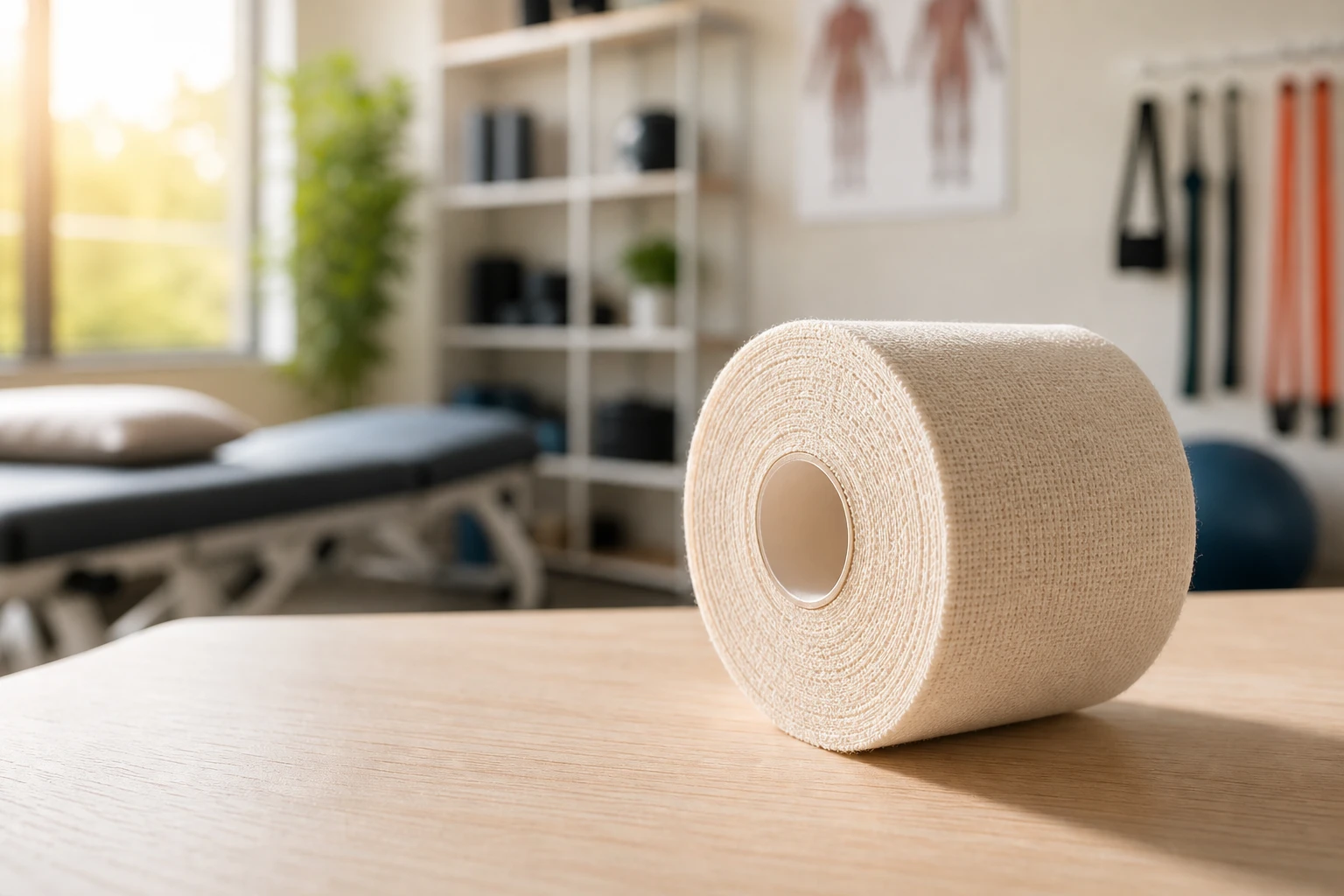
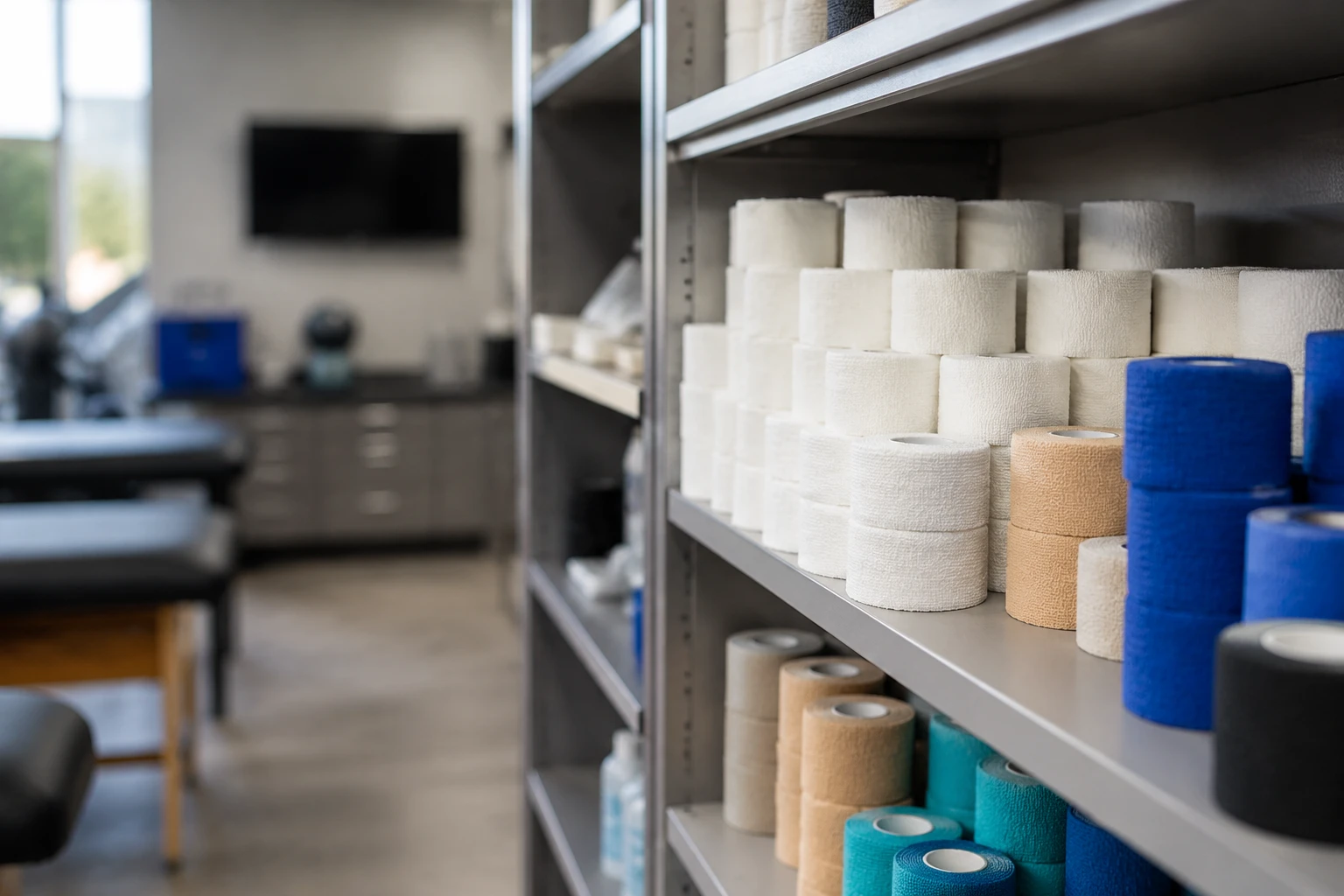
If you have spent more than five minutes working in medical supplies procurement, you already know that nurses are the ultimate critics of your inventory choices. You can buy what looks like the perfect product on paper, only to have a head nurse barge into your office complaining that the bandages are either slipping down patients’ legs or causing massive skin rashes.
When you are building a medical supply inventory, choosing a medical cotton elastic crepe bandage versus a spandex alternative is not as simple as flipping a coin. Both have very distinct mechanical properties, and stocking only one type is a recipe for clinical frustration. Most distributors look at the price tag and make a quick decision, but choosing the wrong medical cotton elastic crepe bandage can lead to unhappy clinical staff and, ultimately, returns.
We have spent years at MediTapes working directly with clinical buyers, and the truth is that material science dictates the clinical outcome. In this piece, we’ll look at when a medical cotton elastic crepe bandage makes the most sense and when you should opt for spandex. We’ll compare the costs, elasticity, and absorbency, so you can confidently advise your downstream hospital clients on their next order.
Understanding the Medical Cotton Elastic Crepe Bandage
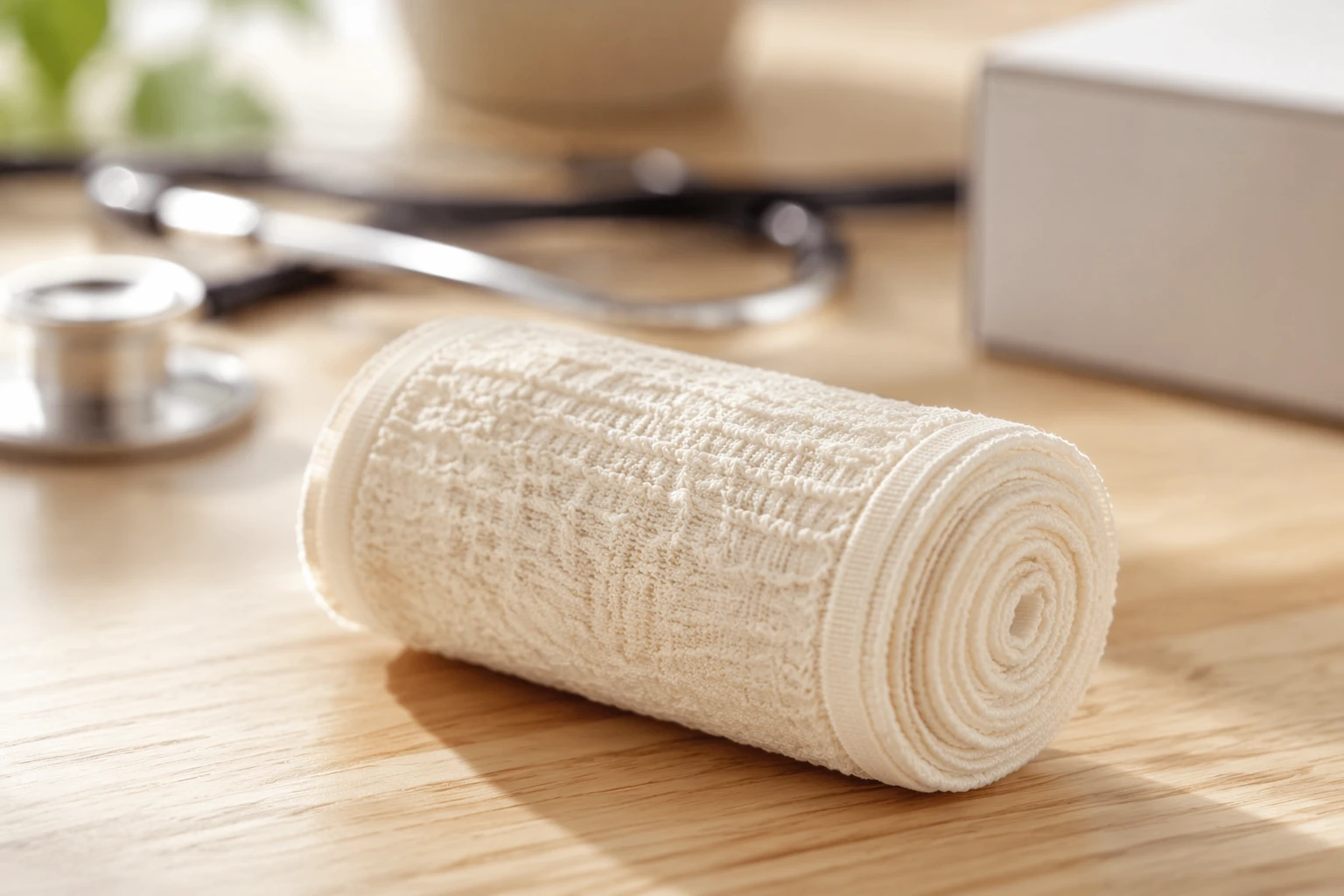
Let’s start with the basics of what makes a high-quality medical cotton elastic crepe bandage tick. Historically, the classic medical cotton elastic crepe bandage has been the gold standard in hospitals for decades. But how does it actually work without rubber bands or synthetic stretch fibers?
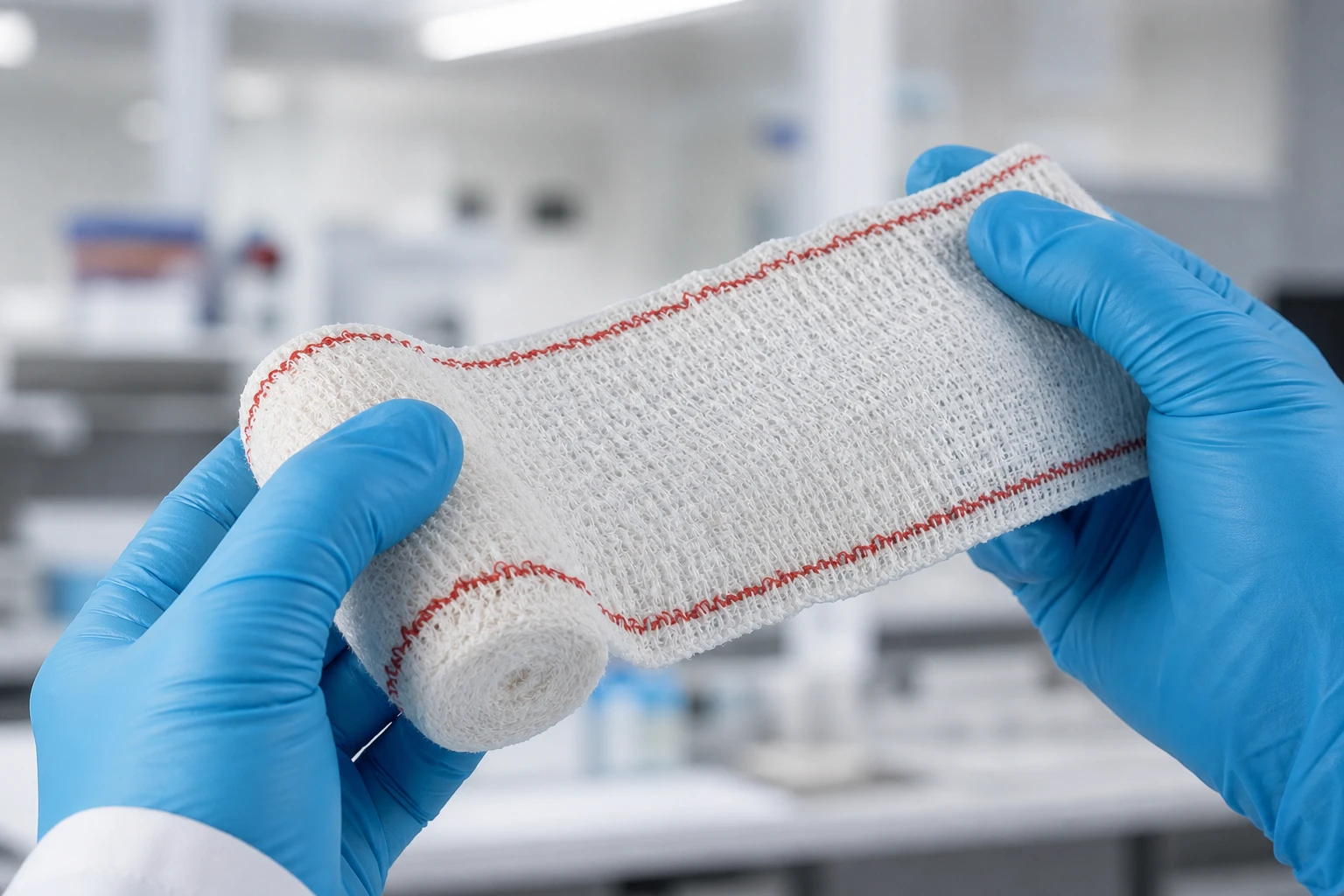
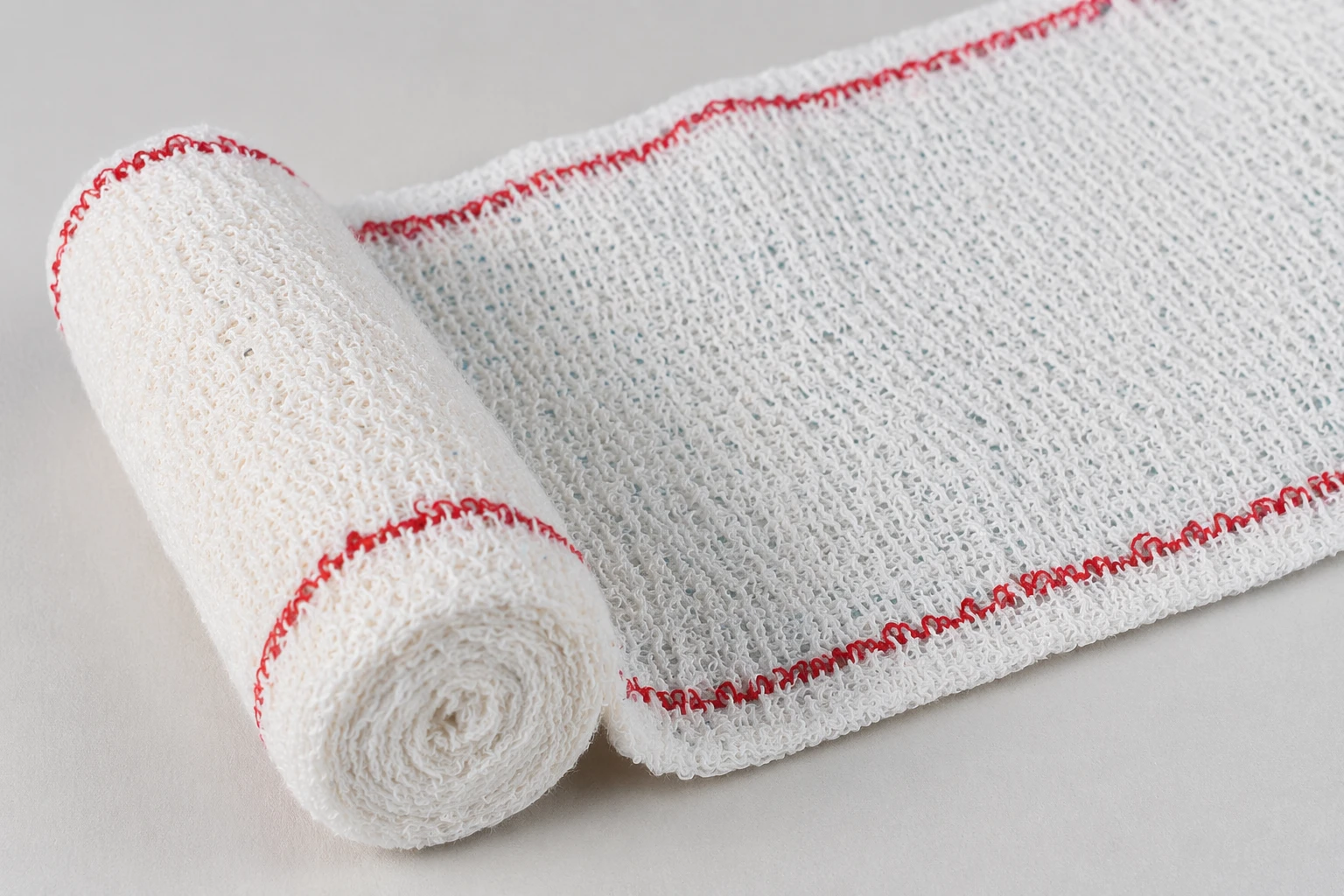
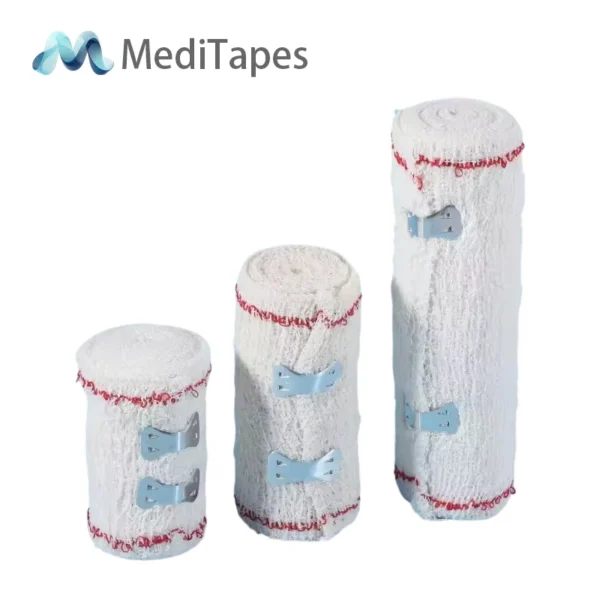
A true medical cotton elastic crepe bandage relies on highly twisted warp yarns to achieve its stretch, rather than synthetic rubber or elastane. During the weaving process, cotton yarns are given a massive amount of “S” and “Z” twist. This unique structure gives the medical cotton elastic crepe bandage its characteristic crinkled texture. When you pull the fabric, these twisted fibers temporarily straighten out, providing a natural, gentle stretch.
Under the British Pharmacopoeia (BP) standards, a medical cotton elastic crepe bandage must pass strict weight and stretch tests. This ensures the medical cotton elastic crepe bandage can stretch to at least twice its unstretched length. For example, a 5-centimeter relaxed bandage should easily stretch out to 10 centimeters under a standard pulling force.
Another massive benefit of a pure medical cotton elastic crepe bandage is its high breathability and absorbency. Because it is 100% natural cotton, it can absorb wound exudates, sweat, and topical ointments like a sponge. Nurses love a soft medical cotton elastic crepe bandage because it doesn’t cause skin maceration during long wear times. It allows the skin to breathe, making it perfect for pediatric patients, elderly patients with paper-thin skin, and anyone prone to contact dermatitis.
The Spandex Crepe Bandage: Engineered for Long-Lasting Stretch
So, how does a medical cotton elastic crepe bandage stack up against its high-stretch spandex cousin? Let’s talk about spandex crepe bandages.
A spandex crepe bandage contains synthetic polyurethane fibers, which behave differently than a medical cotton elastic crepe bandage. Instead of relying solely on highly twisted cotton yarns, these bandages incorporate a small percentage of elastane (usually between 5% and 15%) woven into the warp.
While a medical cotton elastic crepe bandage is great for light support, spandex is better for high-compression needs. The elastic recovery rate of a spandex bandage is much higher than that of a standard medical cotton elastic crepe bandage. If you stretch a medical cotton elastic crepe bandage and leave it for a day, it stays stretched out. The cotton fibers undergo plastic deformation—meaning they lose their spring. A spandex bandage snaps right back, whereas a medical cotton elastic crepe bandage needs to be washed in warm water to regain its shrink.
But spandex has its downsides. The synthetic fibers don’t absorb moisture nearly as well as natural cotton. If a patient is wearing a spandex wrap in a warm hospital ward, sweat can get trapped against the skin, leading to itching and discomfort. Also, spandex is generally more expensive upfront, although its durability can sometimes offset this over time. (And honestly, sometimes the synthetic feel just doesn’t sit right with traditional clinicians who have been wrapping ankles with pure cotton since the 90s).
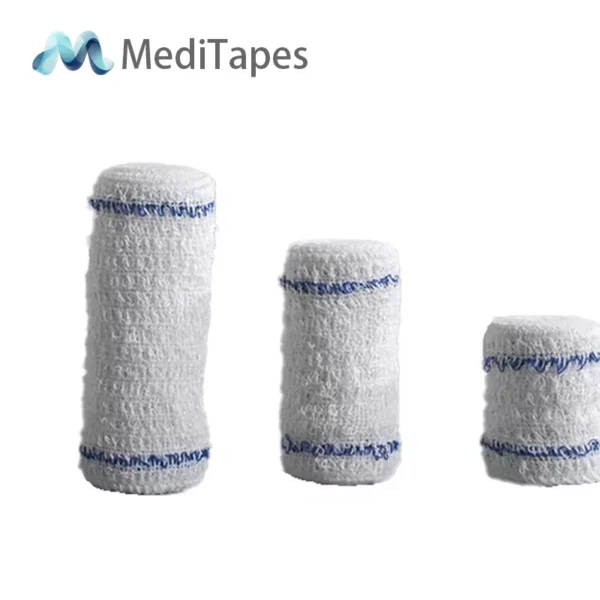
Skin-Color Elastic Crepe Bandage for Varicose Vein Treatment
Skin-Color Elastic Crepe Bandage for Varicose Veins | MediTapes Meta Description: Wholesale Skin-Color Elastic Crepe Bandages for Varicose Vein Treatment and Edema Control. Discreet, breathable compression rolls available in various widths. MediTapes offers factory-direct prices for vascular support supplies. Contact us for bulk orders.
Head-to-Head: Crepe Bandage Material Comparison
Let’s do a direct medical cotton elastic crepe bandage and spandex comparison. To make things simple for your purchasing department, we’ve broken down the core performance metrics in the table below.
When you run a medical cotton elastic crepe bandage through its paces, you notice the absorbency is night and day compared to spandex. For instance, a standard medical cotton elastic crepe bandage offers excellent sweat absorption, which makes a massive difference in patient comfort.
| Feature | medical cotton elastic crepe bandage | Spandex Crepe Bandage |
|---|---|---|
| Primary Material | 100% Pure Cotton (High Twist Yarn) | Cotton-Spandex or Poly-Spandex Blend |
| Elastic Stretch Ratio | ~100% to 120% (Doubles in length) | ~150% to 180%+ (High stretch potential) |
| Elastic Recovery Rate | Moderate (Requires washing to restore) | Excellent (Snaps back immediately) |
| Compression Level | Light to Moderate (10 to 20 mmHg) | Moderate to High (20 to 40+ mmHg) |
| Absorbency & Breathability | Outstanding (Natural cotton fibers) | Low to Moderate (Synthetic blends trap sweat) |
| Skin Friendliness | Hypoallergenic, perfect for fragile skin | Risk of synthetic irritation or latex allergy |
| Sterilization Options | Autoclavable (134 degrees C) | Heat-sensitive (Varies by blend) |
| Primary Clinical Use | Dressing retention, light joint support | Heavy joint support, compression therapy |
As you can see, the choice isn’t about which material is “better” overall, but rather which material fits the clinical application. Buying the wrong type is a classic mistake in medical supplies procurement.
Cotton vs Spandex in Medical Supplies Procurement
When it comes to medical supplies procurement, buying a high-volume medical cotton elastic crepe bandage order requires a keen eye for quality. You don’t want to buy a cheap medical cotton elastic crepe bandage that loses its weave structure after one use. We’ve seen hospital buyers complain that a low-grade medical cotton elastic crepe bandage left fibers all over open wounds. Or worse, the edges frayed so badly after a single wash that the bandage became completely unusable.
This is why sourcing your medical cotton elastic crepe bandage from a trusted manufacturer like MediTapes is so important. We ensure that our entire elastic crepe bandage range meets international quality standards.
Let’s face it: price is always a factor in procurement. A pure cotton bandage might have a slightly lower unit price than a premium spandex-blend bandage, but the lifecycle cost can tell a different story. If a hospital can wash and reuse a spandex bandage ten times, but has to throw away a cotton one after three uses because it stretched out too much, the spandex bandage actually becomes the cheaper option in the long run. However, if the hospital is using them primarily for single-use dressing retention where the bandage gets soiled with blood or bodily fluids, then a highly absorbent, lower-cost medical cotton elastic crepe bandage is the obvious and most economical choice.
Clinical Performance and Laplace’s Law
Let’s talk about the math behind wrapping a medical cotton elastic crepe bandage. It’s not just about pulling it tight and hoping for the best. There is a real physical law that dictates how much pressure a patient’s limb experiences.
When applying a medical cotton elastic crepe bandage, the pressure on the limb is defined by Laplace’s Law. For clinical settings, we can write this relationship as a simple plain-text formula:
P = (T * N * 4630) / (C * W)
Where:
- P is the sub-bandage pressure measured in millimeters of mercury (mmHg).
- T is the tension applied to the bandage during wrapping (measured in kilogram-force, or kgf).
- N is the number of bandage layers applied (a standard 50% overlap gives you 2 layers).
- C is the circumference of the limb in centimeters (cm).
- W is the width of the bandage in centimeters (cm).
This formula explains some critical clinical behaviors. If a nurse wraps a medical cotton elastic crepe bandage with too much tension, the pressure can compromise arterial flow. The formula tells us that a smaller limb radius increases the pressure exerted by the medical cotton elastic crepe bandage. This means if you wrap a child’s ankle (small circumference C) with the exact same tension as an adult’s thigh (large circumference C), the child’s ankle will experience a much higher, potentially dangerous pressure.
Because a medical cotton elastic crepe bandage has lower elastic recovery, the tension drops naturally after a few hours. This decay in tension makes the medical cotton elastic crepe bandage safer for overnight use than a spandex one. Conversely, a spandex bandage maintains high tension, so you can’t just apply it the same way as a medical cotton elastic crepe bandage. If you sleep with a high-tension spandex bandage on, you risk waking up with numb toes because the synthetic fibers don’t “relax” like cotton does. Clinicians must be educated on this difference to avoid serious patient injury.
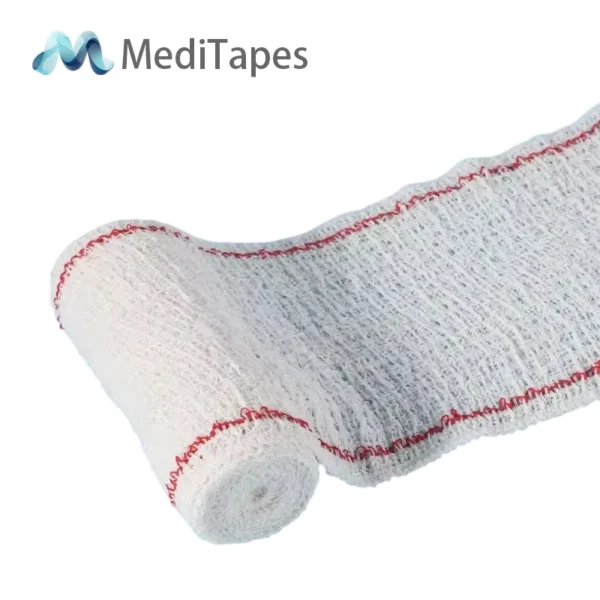
Sterile Elastic Crepe Bandage Roll with Clips – OEM Available
Certified Sterile Elastic Crepe Bandage featuring secure metal or elastic clips. We offer OEM customization for size and packaging. This high-grade elastic crepe bandage ensures sterile protection for surgical wounds. Reliable retention and soft texture make it essential for first aid kits.
Real-World Scenarios: How to Guide Hospital Purchasing Decisions
In my years of dealing with clinical supplies, I’ve seen some funny situations with the medical cotton elastic crepe bandage. I remember a regional distributor who was supplying a large orthopaedic hospital group.
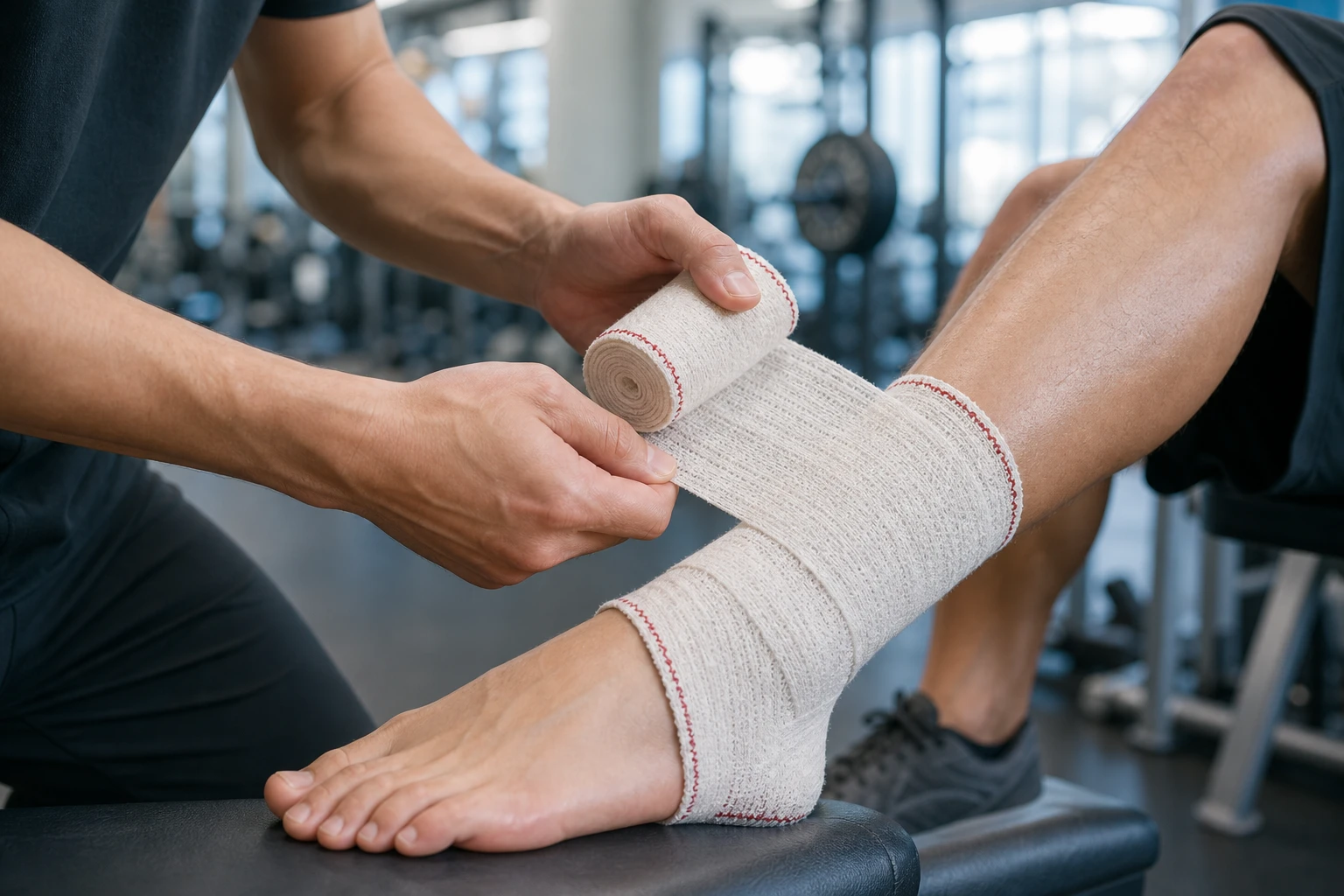
One of our partner clinics ordered a huge batch of medical cotton elastic crepe bandage units, thinking they could use them for heavy post-op knee splinting. They soon realized that a medical cotton elastic crepe bandage didn’t have the heavy-duty grip they needed. The patients were moving around, and the pure cotton wraps were slipping down the calves within an hour.
They ended up using our medical cotton elastic crepe bandage for dressing retention and light wrist sprains instead. They had to supplement their stock with spandex versions, proving that a medical cotton elastic crepe bandage has its specific clinical home. Once they split their inventory—using cotton for wound packing and sensitive skin support, and spandex for high-compression joint stabilization—their return rates dropped to zero, and the hospital nurses stopped complaining.
Another scenario involves a pediatric unit. They strictly refused spandex bandages because of the risk of synthetic skin irritation on infants. They demanded a 100% natural, latex-free option. For them, stocking a premium medical cotton elastic crepe bandage was the only acceptable solution. It highlighted that you cannot treat these two materials as direct substitutes.
Strategic Stocking Advice for Distributors
So, how should you balance your warehouse inventory? If you’re a distributor selling to a mix of general hospitals, specialized orthopaedic clinics, and senior care facilities, here is a simple guide:
- General Hospitals (60% Cotton / 40% Spandex): General wards use a ton of bandages for securing dressings and light compression. The high absorbency of a medical cotton elastic crepe bandage is essential here.
- Sports Medicine & Orthopaedics (20% Cotton / 80% Spandex): These clinics deal with sprains, strains, and joint rehabilitation. They need the heavy-duty elastic recovery and consistent compression of spandex.
- Pediatric & Geriatric Care (90% Cotton / 10% Spandex): Sensitive skin dominates these departments. The soft, hypoallergenic nature of a medical cotton elastic crepe bandage is non-negotiable.
By understanding these nuances, you stop being just a “box mover” and become a strategic clinical partner to your procurement clients. You can tell them exactly why they need a specific mix of both materials, which builds trust and secures long-term contract renewals.
Frequently Asked Questions about the medical cotton elastic crepe bandage
Q1: Can a medical cotton elastic crepe bandage be sterilized and reused?
Yes, you can autoclave a pure medical cotton elastic crepe bandage, which makes it incredibly cost-effective for hospitals. Typically, you can steam-sterilize them at 134 degrees Celsius without damaging the natural cotton fibers. This is a massive advantage over some synthetic spandex bandages, which can melt or lose their elasticity under high heat.
Q2: Is a medical cotton elastic crepe bandage latex-free?
Generally, a high-quality medical cotton elastic crepe bandage is 100% natural cotton and naturally latex-free. Since it relies on highly twisted warp yarns for stretch rather than elastic rubber bands, there is zero risk of latex allergies. This makes them incredibly safe for patients with known sensitivities. However, always check the manufacturer’s specification sheet to ensure no synthetic latex blends were used during edge binding.
Q3: How do I calculate the tension of a medical cotton elastic crepe bandage?
While you don’t carry a scale, you can judge a medical cotton elastic crepe bandage stretch by its crinkle pattern. When the bandage is relaxed, you’ll see a heavy crinkled texture. As you apply tension, the crinkles smooth out. For a light compression (around 15 mmHg), you should stretch the bandage to about 50% of its maximum stretch capacity. If you pull it completely flat so all the crinkles disappear, you are applying maximum tension, which should be done with caution to avoid cutting off circulation.
Q4: When should I choose a medical cotton elastic crepe bandage over spandex?
Choose a medical cotton elastic crepe bandage when you need maximum breathability, absorption, or gentle support for fragile skin. It is ideal for securing wound dressings where there might be mild oozing, as well as for wrapping limbs of elderly or pediatric patients who are prone to synthetic skin rashes. Spandex should be reserved for cases where high, sustained compression is required, such as managing severe sprains or varicose veins.
Heavy Duty Spandex Elastic Crepe Bandage – Latex Free Factory
Source premium Heavy Duty Spandex Elastic Crepe Bandage directly from the factory. Designed for strong compression in orthopedics, this latex-free crepe bandage minimizes allergic reactions. Durable elasticity ensures long-term support for severe sprains and post-surgical recovery.
Ready to Upgrade Your Crepe Bandage Supply?
Are you tired of dealing with cheap, fraying bandages that lead to hospital complaints and costly returns? Finding the right balance between natural cotton comfort and synthetic spandex performance can make all the difference for your distribution business.
Our premium medical cotton elastic crepe bandage selection offers the perfect balance of comfort, compliance, and cost-effectiveness. Whether you need a heavy-duty spandex wrap or a soft medical cotton elastic crepe bandage, we’ve got you covered. All our products are manufactured under strict quality controls to ensure they meet global standards.
Don’t let poor-quality inventory hurt your clinical relationships. Contact us today at info@meditapes.com to request a customized quote or to ask for free samples of our crepe bandage line. The team at MediTapes is ready to help you optimize your procurement and keep your hospital clients happy.