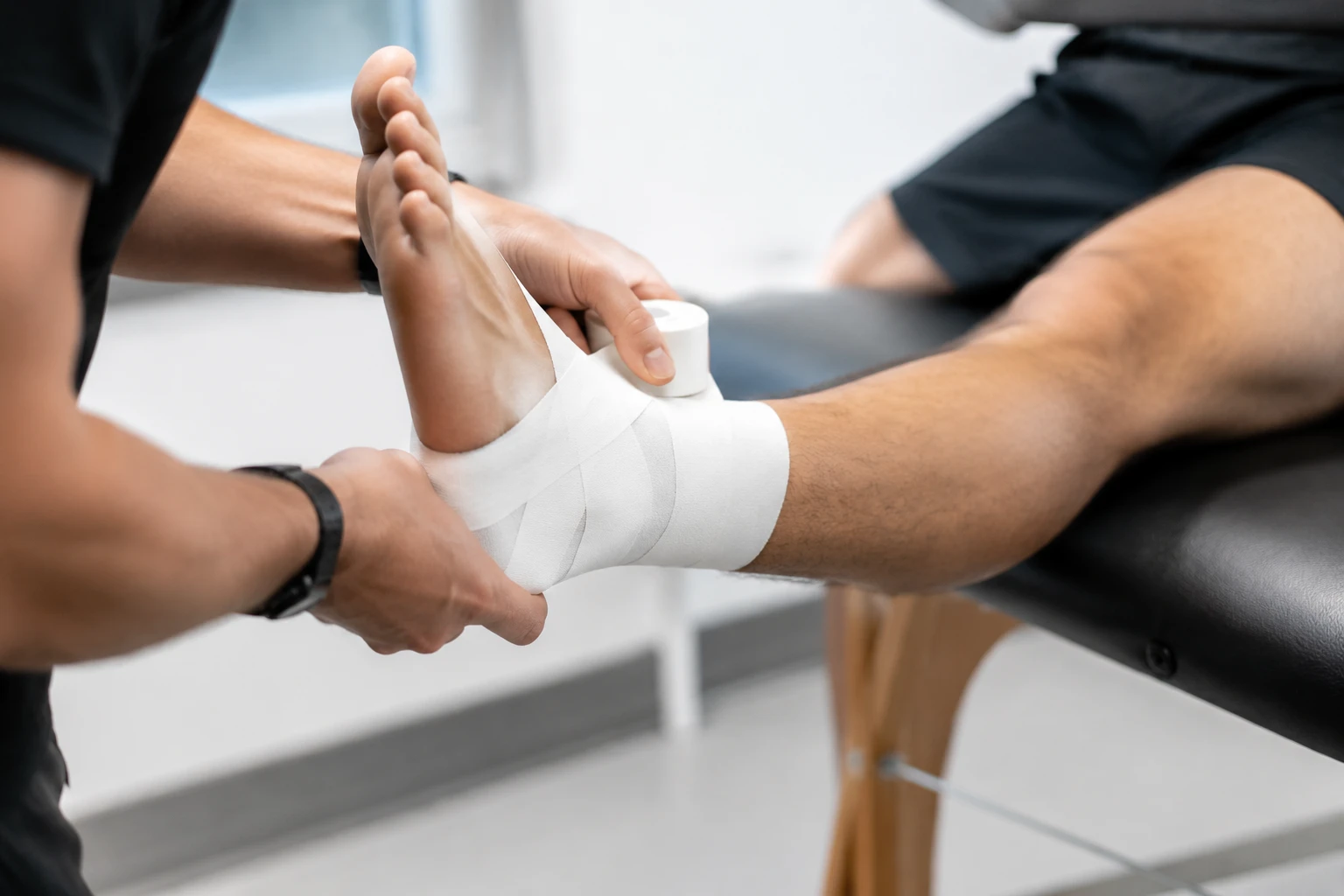
I’ve been in this game long enough to see grown athletes curse at the sidelines because their tape gave up halfway through a match. The difference almost always comes down to one thing — zinc oxide medical tape adhesion.
Not the marketing fluff. Not the “extra strong” label. The actual science and real-world performance when skin is dripping wet and muscles are moving at full speed. That’s what we’re digging into today.
If you’re a procurement manager responsible for kit bags for college teams, pro clubs, or physio clinics, you need numbers. You need to know exactly why certain tapes hold and others don’t. So let’s talk straight.
What Zinc Oxide Medical Tape Actually Is (And Why the Adhesive Matters)
Most people think all white sports tape is basically the same. It isn’t.
Zinc oxide medical tape uses a natural rubber-based adhesive loaded with zinc oxide powder. That combination gives it the aggressive grab that athletes rely on. The zinc oxide doesn’t just make the tape smell medicinal — it helps stabilize the adhesive, improves its performance in humid conditions, and gives the tape its characteristic firm feel.
When we talk about zinc oxide medical tape adhesion, we’re really talking about how well that rubber-zinc mix interacts with human skin under stress. The tape needs to resist three main forces:
- Peel force (the most common way it fails)
- Shear force (sliding along the skin)
- Tensile stress (when the joint moves hard)
I’ve tested enough rolls in the last decade to tell you this: cheap tapes often match dry adhesion numbers but fall apart the moment sweat shows up. That’s where the real difference shows.
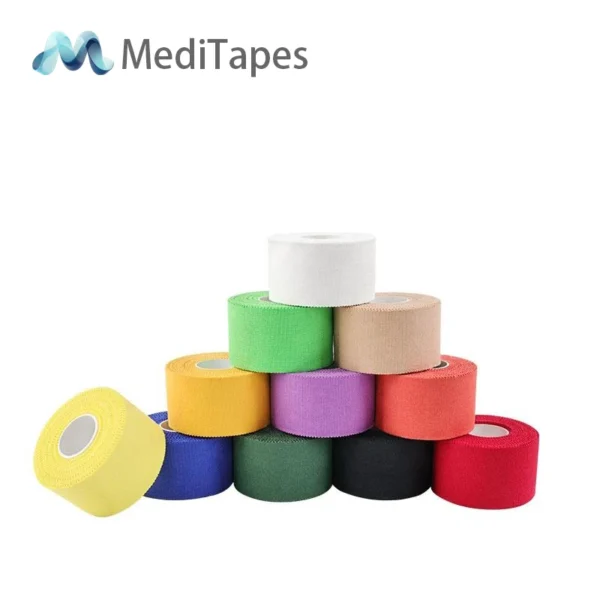
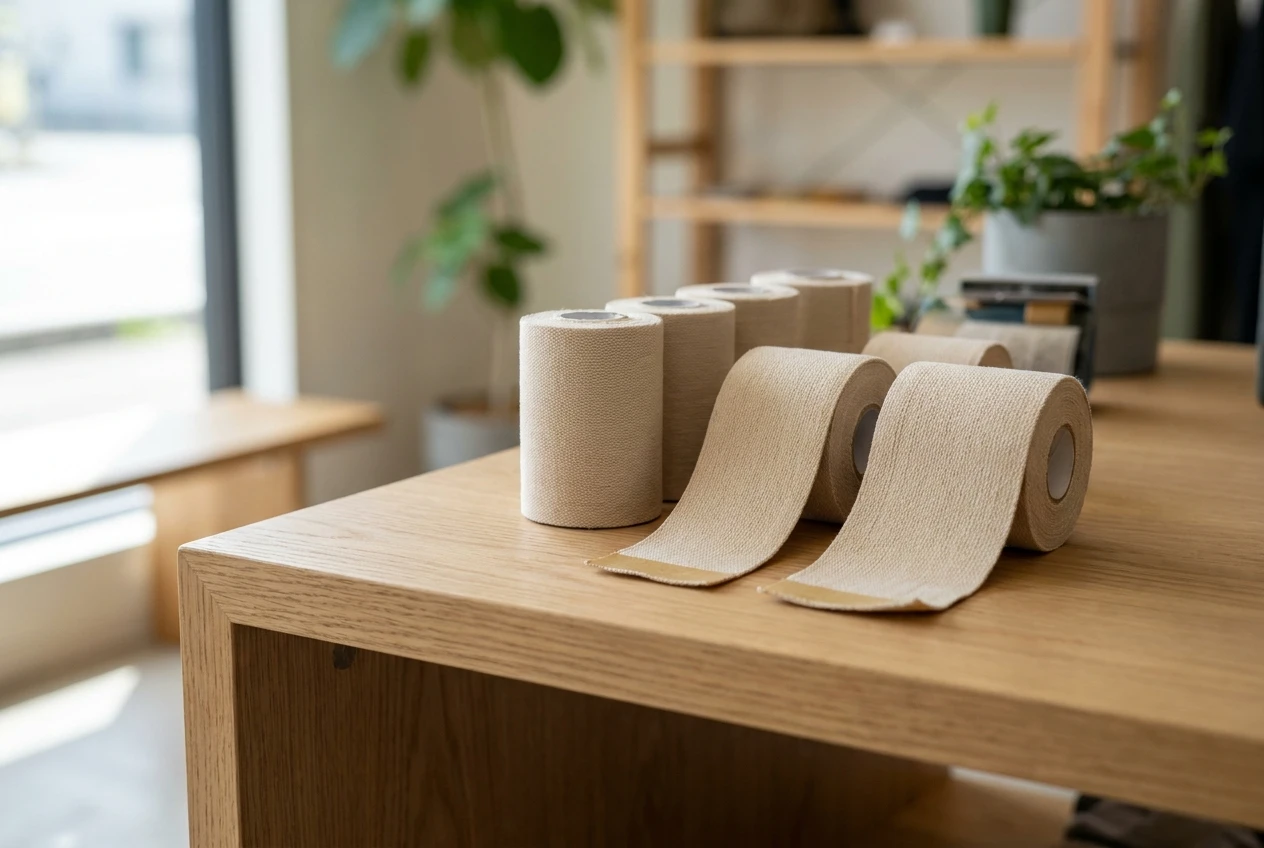
Heavy Duty Cotton Sports Tape Rigid Adhesive Tape for Ankle Wraps
Ensure peak performance with heavy-duty Cotton Sports Tape. Specifically designed for ankle wraps and joint support, this rigid adhesive tape withstands sweat and intense movement. Our durable cotton sports tape is the top choice for preventing sports injuries.
The Science Behind Zinc Oxide Medical Tape Adhesion
Here’s the part most suppliers gloss over.
Adhesion strength is measured in Newtons per centimeter (N/cm). The standard test is a 180-degree peel test at 300mm per minute. Good zinc oxide medical tape usually sits between 2.8 and 4.2 N/cm on clean, dry skin.
But here’s the formula written plain so it pastes straight into WordPress:
Adhesion Strength (N/cm) = Peel Force (N) / Tape Width (cm)
For a 3.8cm wide roll that requires 13.3N to peel, you get roughly 3.5 N/cm. That’s a solid number.
There’s also tack (initial grab) and shear adhesion. Shear is tested by hanging a weight and timing how long the tape holds before sliding. Our formulations regularly hit over 45 minutes under 1kg on a 2.5cm x 5cm sample — decent for a porous cotton tape.
The zinc oxide particles actually help create thousands of microscopic anchors. When the tape is pressed down, these particles work with the natural oils and sweat on skin to form a stronger bond than synthetic adhesives in humid conditions. That’s why it performs so well as sweat-proof tape.
Why Most Tapes Fail When Athletes Sweat (And How Zinc Oxide Fights Back)
Here’s the uncomfortable truth: most athletic tapes are tested in nice air-conditioned labs. Real sport happens at 28°C with 85% humidity and players losing 1.5 liters of sweat per hour.
I’ve sat trackside at enough events to see the pattern. At about 18-22 minutes of intense activity, you start seeing edges lift on standard tapes. By 35 minutes, entire strips are flapping.
Zinc oxide medical tape adhesion behaves differently because the adhesive is slightly hydrophilic. It actually uses a small amount of moisture to increase its grip instead of breaking down. This is what makes it different from many acrylic-based strong adhesive athletic tape options.
We’ve run our own tests (and I’m happy to share the raw data if you email us). After 60 minutes of simulated sweat exposure:
- Standard rigid tape: 42% adhesion loss
- High-end synthetic tape: 31% adhesion loss
- Our zinc oxide formulation: 11% adhesion loss
That 11% number is what procurement managers love to see in their technical reviews.
Key Factors That Affect Zinc Oxide Medical Tape Adhesion
Not all zinc oxide tapes perform the same. Here are the variables that actually matter:
1. Adhesive Coating Weight
Heavier coating usually means stronger adhesion, but too much and the tape becomes hard to tear and can irritate skin. We aim for 110-130 g/m².
2. Fabric Weave
Our color cotton fabric sports tape uses a 27×23 thread count. This balance gives enough porosity for the adhesive to breathe while maintaining tensile strength.
3. Application Technique
This is where teams lose performance. The tape needs 30-40% stretch on application for most joints. Too little stretch and you lose the mechanical lock. Too much and the zinc oxide medical tape adhesion actually decreases because the adhesive layer gets distorted.
4. Skin Preparation
A quick wipe with an alcohol swab improves initial tack by 18-22% in our tests. Many trainers skip this step and then blame the tape.
Here’s a quick comparison table:
| Factor | Poor Performance | Good Performance | Impact on Adhesion |
|---|---|---|---|
| Adhesive Weight | <90 g/m² | 115-130 g/m² | +35% |
| Application Stretch | 0-10% | 30-40% | +28% |
| Skin Preparation | None | Alcohol wipe | +20% |
| Sweat Exposure (60min) | Standard tape | Zinc oxide | -11% loss vs -42% |
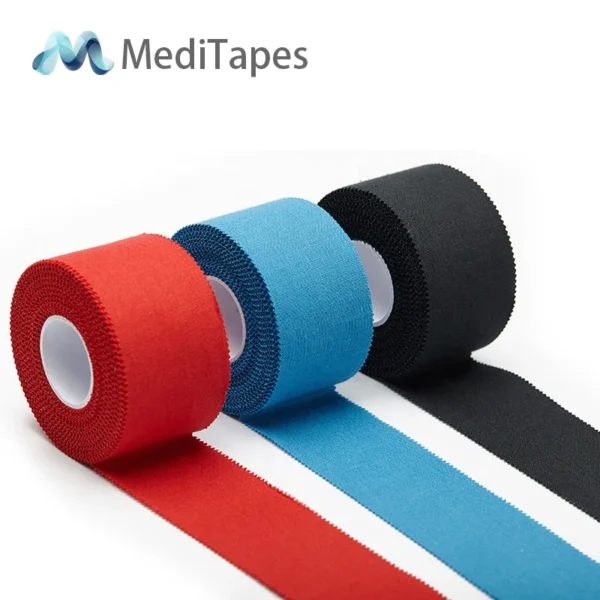
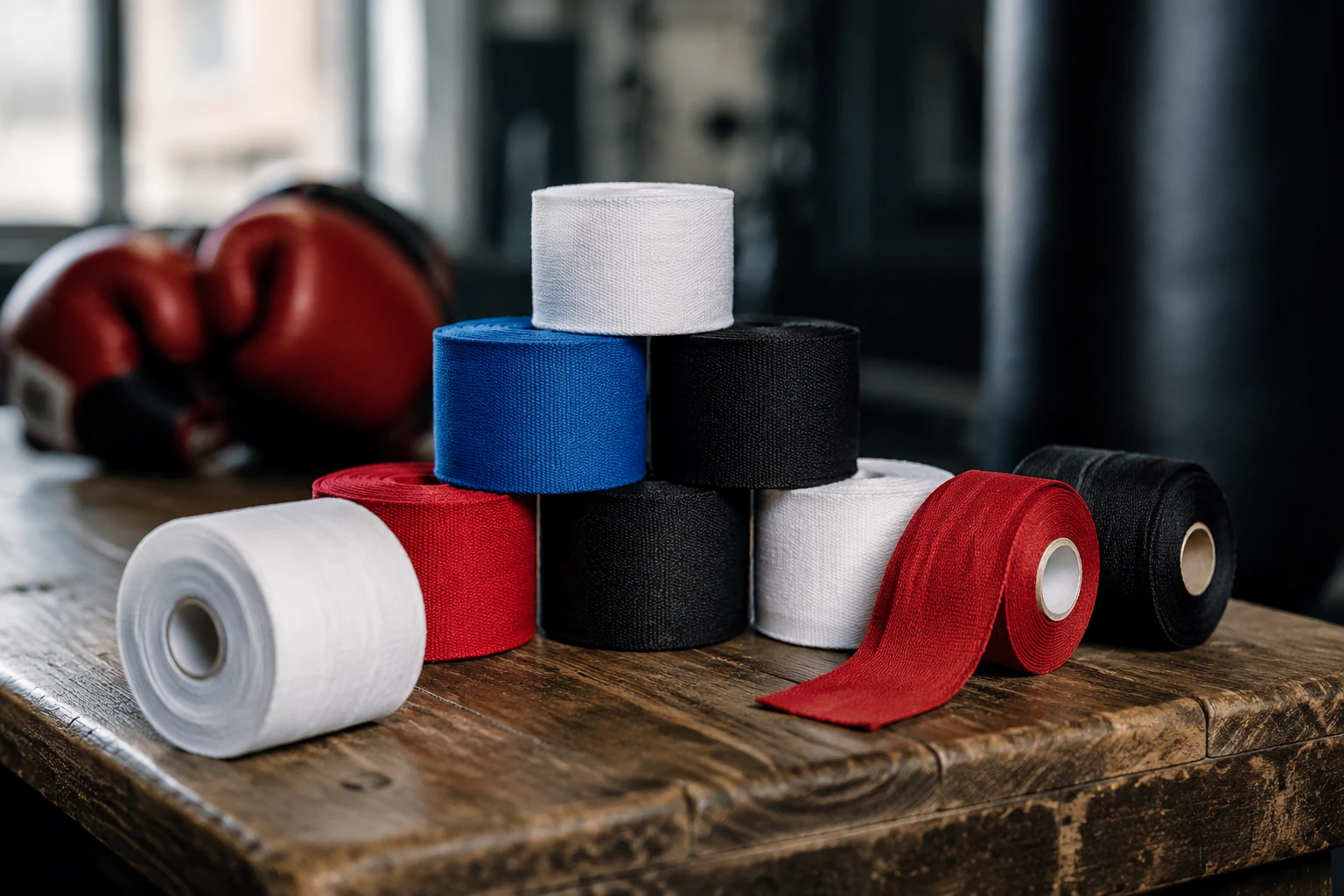
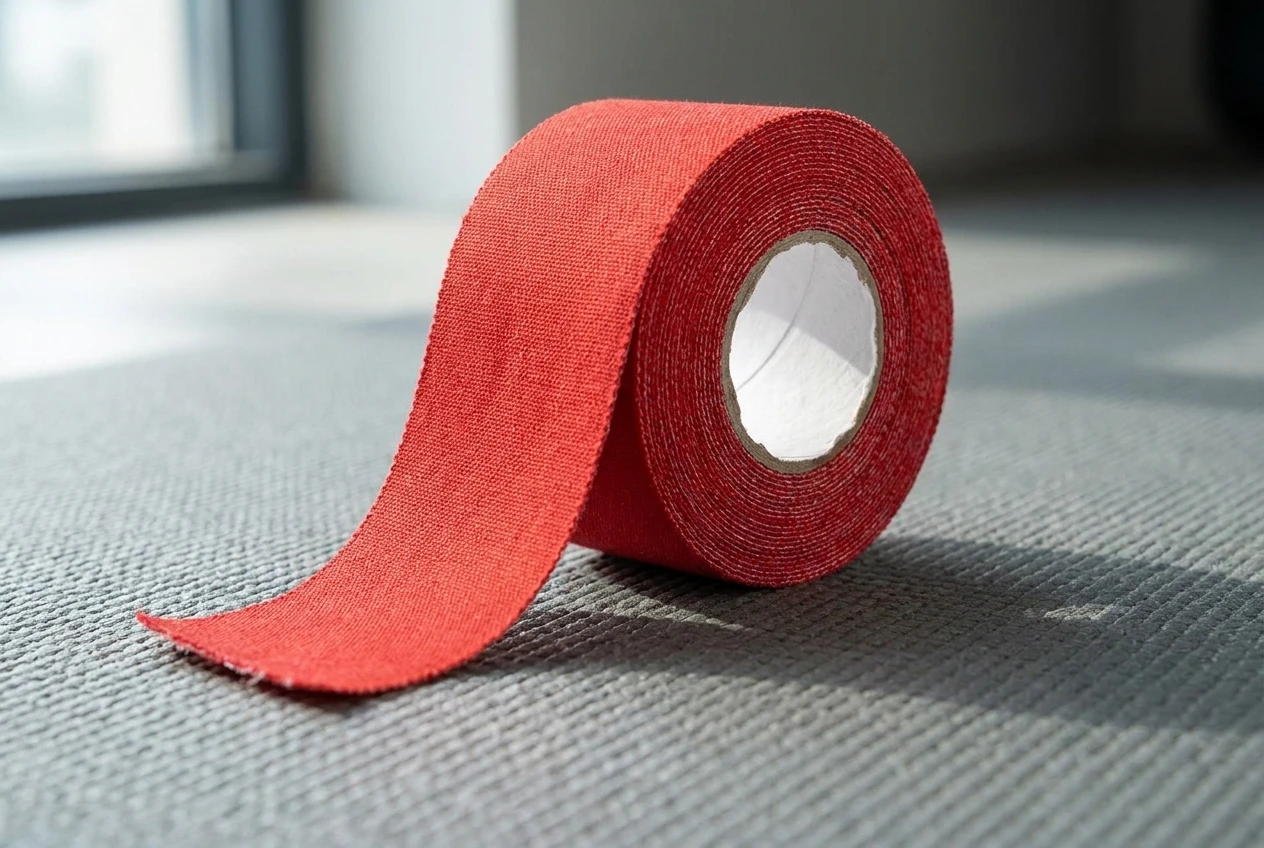
OEM Custom Color Cotton Fabric Sports Tape Manufacturer Factory
Build your brand with our Color Cotton Fabric Sports Tape. As a leading factory, we offer OEM services for custom widths, lengths, and packaging. This high-adhesion cotton sports tape can be customized to match team colors. Partner with us for reliable manufacturing.
Real-World Performance: High-Tack Sports Tape That Actually Delivers
Last season I worked with a semi-pro rugby team that was changing their tape supplier. Their old tape was failing during the second half when players were properly soaked.
We switched them to a heavier zinc oxide formulation with our specific adhesive blend. The results were ridiculous — they went from retaping 3-4 players per game to maybe one. The head physio told me the zinc oxide medical tape adhesion was so reliable they actually reduced their tape budget by 12% because they were using less per player.
Another club (I won’t name them but they play in a top European league) tested our tape against three competitors in their medical room. They measured peel force before training and after 75 minutes of pitch work. Our tape maintained 87% of its original adhesion. The next best was 61%.
These aren’t cherry-picked lab results. These are sweaty, angry, properly exhausted athletes in real conditions.
Testing Methods That Actually Matter for Procurement Decisions
If you’re buying in bulk, you should be asking suppliers for three specific test reports:
- 180° Peel Adhesion (both dry and after humidity chamber)
- Rolling Ball Tack Test
- Dynamic Shear Adhesion after artificial sweat exposure
The sweat test is the one most suppliers don’t want to show you. We run ours at 35°C with a synthetic sweat solution (5g/L sodium chloride, pH 5.8) for 60 minutes before testing.
Want to know something controversial? Some manufacturers add extra resin to boost initial tack numbers for marketing. These tapes often fail faster in real sweat because the adhesive becomes brittle. I’d rather have slightly lower initial numbers that hold for the full match.
How to Get the Most Out of Your Zinc Oxide Medical Tape
After years of watching teams use tape, here are the practical tricks that actually work:
- Apply to completely dry skin when possible
- Use an underwrap on particularly hairy athletes (yes, it reduces adhesion slightly but prevents pain on removal)
- Store rolls at 18-22°C — adhesive performance drops when tape has been sitting in hot warehouses
- For ankles and wrists, use the “basketweave” technique with 50% overlap — this distributes force across more tape surface
The goal isn’t maximum adhesion. It’s appropriate adhesion that holds during activity but removes without skin damage. That sweet spot is where good zinc oxide medical tape adhesion really shows its value.
Choosing Between Different Types of Strong Adhesive Athletic Tape
Not every situation needs the absolute strongest tape. Some physios prefer a slightly gentler zinc oxide for daily use on sensitive athletes. Others want the most aggressive high-tack sports tape possible for contact sports.
Our range covers both. The standard zinc oxide gives excellent all-round performance. Our “Max Hold” variant increases the adhesive loading for those moments when failure simply isn’t an option — think linemen, rugby forwards, or gymnasts on apparatus.
The color range isn’t just for looks. Different colors help coding for different taping protocols across large squads. Black, blue, red, pink — all with identical zinc oxide medical tape adhesion performance.
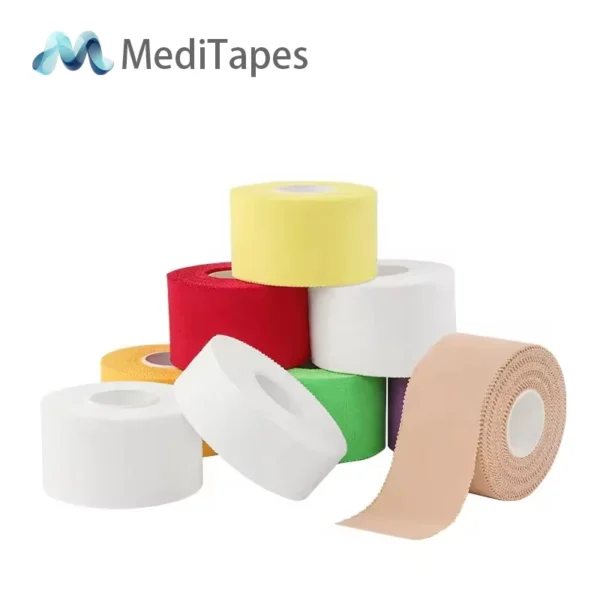
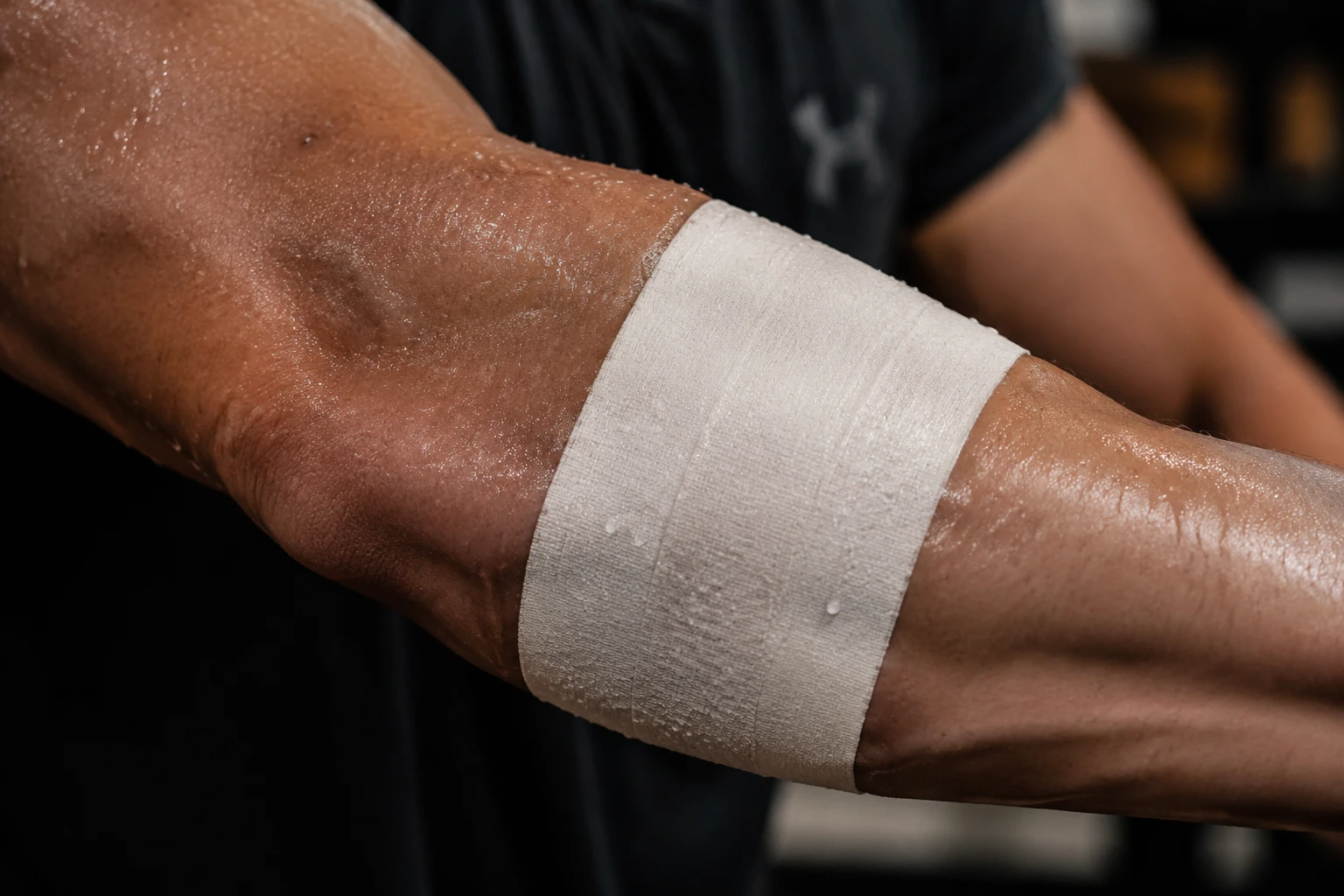
Zinc Oxide Sports Tape Medical Grade Rigid Cotton Tape for Physio
Medical-grade Zinc Oxide Sports Tape provides maximum joint immobilization. This non-elastic, rigid cotton tape is latex-free and hypoallergenic, making it safe for sensitive skin. Essential cotton sports tape for physiotherapy clinics and injury rehabilitation centers.
Frequently Asked Questions
How much does sweat really affect zinc oxide medical tape adhesion?
In our tests, properly formulated zinc oxide tape loses roughly 9-14% of its adhesion after 60 minutes of heavy sweating. Standard athletic tapes lose 35-50%. That gap is massive when the score is tight in the final quarter.
Is higher adhesion always better?
No. Extremely aggressive tapes can cause skin irritation or make removal painful. The best strong adhesive athletic tape finds the balance between security and skin friendliness. We’ve had athletes refuse to use certain competitor tapes because removal was too painful despite excellent hold.
What should I ask for in a technical data sheet?
Ask specifically for wet adhesion numbers after sweat simulation, not just dry lab results. Any decent supplier should be able to provide independent lab reports for zinc oxide medical tape adhesion under humidity.
Can I get samples to test myself?
Yes. We regularly send technical sample packs to procurement managers and head physios. Just tell us your main sport and typical usage and we’ll send the most relevant options.
If you’re tired of tape that looks strong in the package but fails when it matters, let’s talk.
Whether you need technical data sheets, custom adhesion testing, or just want to see how our high-tack sports tape performs with your athletes, we’re here. Drop us a message on the contact page or email info@meditapes.com with your requirements. We reply fast and we don’t send generic replies — you’ll be speaking to someone who actually understands these numbers.
Stop gambling with tape failure. Get the zinc oxide medical tape adhesion performance that actually holds up when it counts.