I’ve spent the last twelve years helping medical distributors move tape — mountains of it. And if there’s one question that keeps coming up in supplier meetings and late-night calls with clinic owners, it’s this: when should we push heavy duty cotton sports tape and when does kinesiology tape actually make more sense?
Not the sexiest question, I know. But getting the answer right can double your repeat orders from sports clubs and physio clinics. Get it wrong and you’ll keep hearing “that tape didn’t hold up” or “my athletes hated the feel.”
So let’s talk straight about rigid vs elastic tape, what heavy duty cotton sports tape actually does differently from kinesiology tape, and how you can use that knowledge to become the distributor your customers trust.
What Heavy Duty Cotton Sports Tape Actually Is
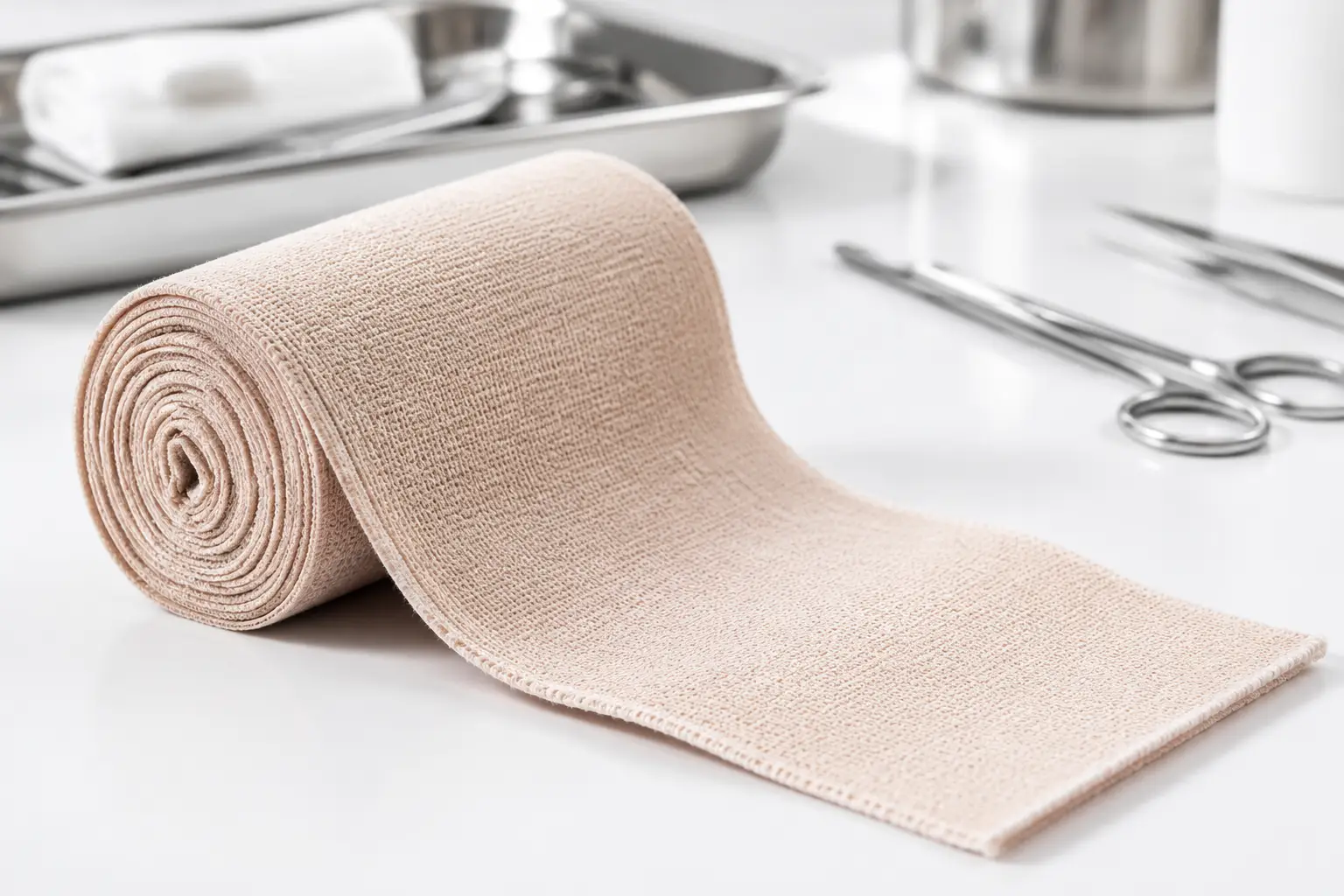
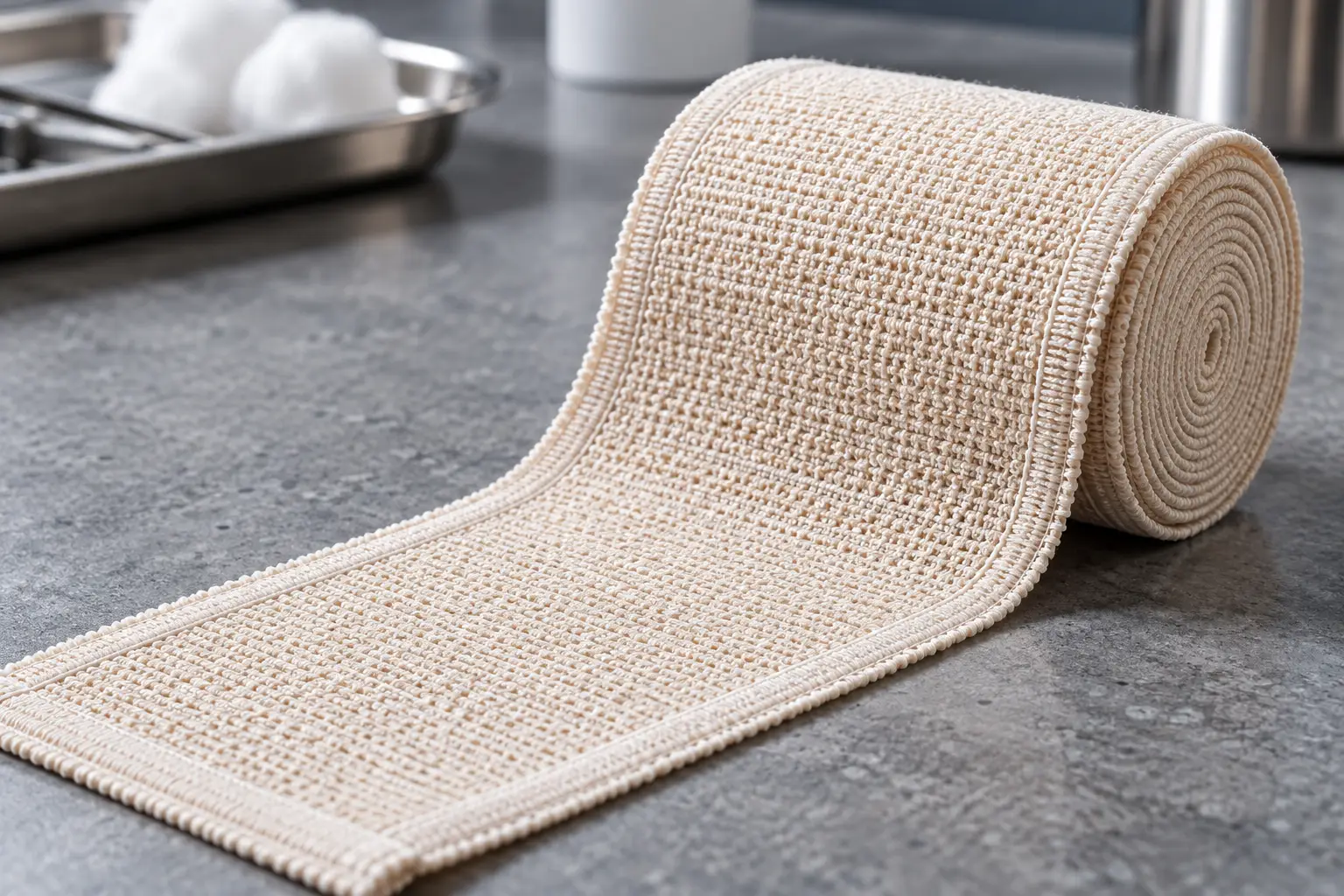
Heavy duty cotton sports tape (sometimes called non-stretch sports tape or rigid tape) is exactly what it sounds like — a tough, low-stretch cotton fabric with a strong zinc oxide adhesive. The weave is dense. The stretch is almost zero, usually under 5%.
When you pull this stuff tight, it stays tight. That’s why athletic trainers have used versions of it for decades to create mechanical locks around ankles, wrists, and knees.
At MediTapes we make our Color Cotton Fabric Sports Tape with a heavier yarn count than most cheap imports. The difference shows up on the field — it doesn’t tear when an 85kg rugby player plants and cuts.
Kinesiology Tape — The Stretchy Alternative
Kinesiology tape (KT tape) is the colorful, stretchy stuff you see on Olympic athletes. It’s usually made from cotton with elastic fibers woven in. Good quality KT can stretch 140–180% and then snap back.
Instead of locking a joint down, it’s designed to gently lift the skin, improve blood flow, and change how the brain perceives pain and movement. At least that’s the theory. The actual science is… let’s say “still debating.”
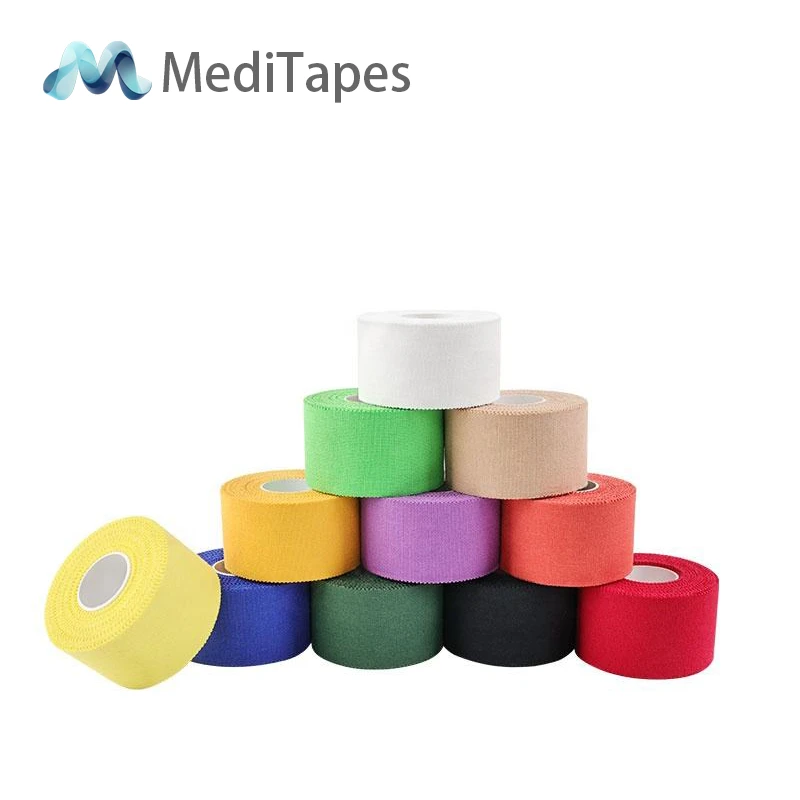
Heavy Duty Cotton Sports Tape Rigid Adhesive Tape for Ankle Wraps
Ensure peak performance with heavy-duty Cotton Sports Tape. Specifically designed for ankle wraps and joint support, this rigid adhesive tape withstands sweat and intense movement. Our durable cotton sports tape is the top choice for preventing sports injuries.
Side-by-Side Comparison: Rigid vs Elastic Tape
| Feature | Heavy Duty Cotton Sports Tape | Kinesiology Tape |
|---|---|---|
| Stretch | <5% (essentially non-stretch) | 140–180% |
| Primary Function | Mechanical support & joint restriction | Sensory feedback & circulation |
| Adhesive Strength | Very aggressive (zinc oxide) | Medical-grade acrylic (gentler) |
| Typical Wear Time | 1–2 days max | 3–5 days |
| Best For | Ankles, wrists, thumbs, high-impact | Shoulders, lower back, swelling |
| Water Resistance | Moderate (depends on brand) | Usually excellent |
| Price per Roll (wholesale) | Lower | Usually 2–3x higher |
| Joint Support Style | Structural | Functional |
This table isn’t theory — it’s what we’ve measured in our own testing lab and what our customers report from the field.
The Mechanics Your Customers Care About
Here’s where most distributors get caught out.
When an athlete sprains an ankle, they don’t need “support.” They need stability. A good heavy duty cotton sports tape application creates a rigid lever that limits inversion beyond a certain point. The formula is pretty simple: the tape’s tensile strength plus proper tension equals reduced range of motion in dangerous directions.
Kinesiology tape can’t do that job. Its elastic recoil is great for proprioceptive cueing (“hey body, pay attention to this movement”), but it simply doesn’t have the mechanical stopping power for acute ankle stability.
I had one distributor tell me last year that a semi-pro football club was using KT tape for pre-game ankle taping because “it looked more professional.” They had three ankle rolls in one season. After switching the team to our heavy duty cotton sports tape with a proper basketweave technique, they went the rest of the season with zero ankle injuries. That’s not marketing talk — that’s what happens when you match the product to the actual need.
When to Recommend Each Product
Use heavy duty cotton sports tape when:
- The athlete needs real mechanical restraint (ankle, finger, thumb)
- The sport involves contact or cutting movements
- The budget is tight but performance matters
- They want something that stays put even when soaked in sweat
Use kinesiology tape when:
- The issue is more about swelling or chronic pain
- The athlete needs to maintain full range of motion
- You’re working with rehab rather than prevention
- The psychological boost of “recovery tape” actually helps compliance
The smartest distributors I work with stock both and train their sales teams to ask three questions:
- What’s the injury history?
- How much movement do we want to allow?
- What does the physio actually want — stability or stimulation?
Real-World Application Scenarios
Last season I worked with a chain of physiotherapy clinics in the Midwest. They were buying cheap no-name rigid tape that kept ripping during high-tension jobs. We switched them to our heavy duty cotton sports tape in multiple colors so their therapists could color-code different taping protocols.
The feedback was immediate. One therapist told me, “I used to use two layers because the cheap stuff gave way. Now I use one layer and it actually holds the correction.” Their reorder rate jumped 340% in four months.
On the other side, a CrossFit box was overusing kinesiology tape for everything. Their athletes loved the bright colors but kept rolling ankles during heavy lifts. We introduced them to a hybrid approach — kinesiology tape for shoulder stability during warm-ups and heavy duty cotton sports tape for serious lifts and competition. Problem solved.
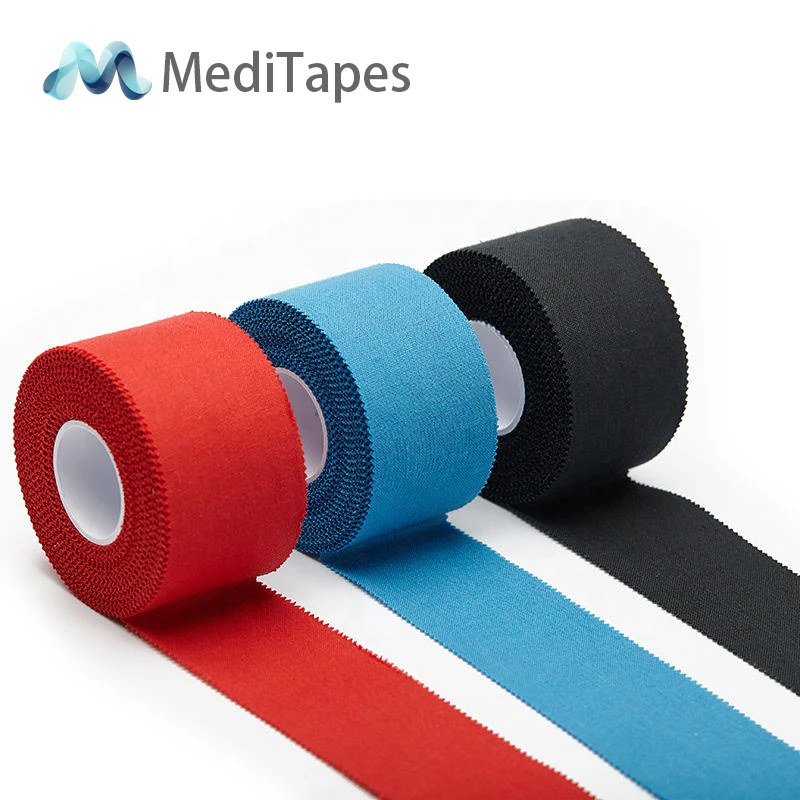
OEM Custom Color Cotton Fabric Sports Tape Manufacturer Factory
Build your brand with our Color Cotton Fabric Sports Tape. As a leading factory, we offer OEM services for custom widths, lengths, and packaging. This high-adhesion cotton sports tape can be customized to match team colors. Partner with us for reliable manufacturing.
The Business Case for Distributors
Here’s what many medical distributors miss: your customers (clubs, clinics, universities) don’t want to stock ten different tapes. They want you to be the expert who simplifies their choices.
When you can confidently explain the difference between non-stretch sports tape and elastic tape, you stop being “just another tape guy” and become the trusted advisor. That position is worth serious money in this industry.
Our best-performing distributors carry both categories but position heavy duty cotton sports tape as their workhorse product for sports medicine — reliable, cost-effective, and brutally effective at doing what it’s supposed to do.
Common Mistakes to Avoid When Selling
Don’t tell a customer that kinesiology tape “does the same thing but stretches.” It doesn’t. That’s how you lose credibility.
Don’t assume all rigid tapes are equal. Some cheap imports use poor adhesive that fails when it gets warm. The difference between a $1.20 roll and a $2.80 roll of heavy duty cotton sports tape becomes obvious the first time an athlete tries to cut and plant.
And please, for the love of god, stop selling “one size fits all” solutions. Different sports and body parts need different approaches.
Making the Right Choice for Your Customers
At the end of the day, this isn’t about rigid vs elastic tape winning some imaginary fight. It’s about understanding the job each tape needs to do.
Some situations call for a rigid mechanical lock. That’s where heavy duty cotton sports tape shines. Other situations need subtle lift, improved awareness, and longer wear time. That’s kinesiology’s territory.
The distributors making the most money aren’t the ones with the biggest catalogs. They’re the ones who deeply understand these differences and can explain them in plain English to busy physiotherapists and trainers who don’t have time to read research papers.
Ready to Stock the Right Tape?
If you’re tired of returns, complaints, and customers switching suppliers because the tape “didn’t work,” it’s time to get serious about matching products to actual needs.
We’ve helped dozens of medical distributors build profitable, low-headache tape programs that actually solve problems for their end users. Our Color Cotton Fabric Sports Tape has become the go-to heavy duty cotton sports tape for many of them.
Want to talk about what would work best for your customer base? Drop us a message on our contact page or shoot an email to info@meditapes.com. We’re happy to share our taping guides, pricing tiers, and the lessons we’ve learned from working with everyone from small physio clinics to professional sports teams.
Don’t keep guessing which tape your customers need. Let’s get you the right products and the knowledge to sell them with confidence.
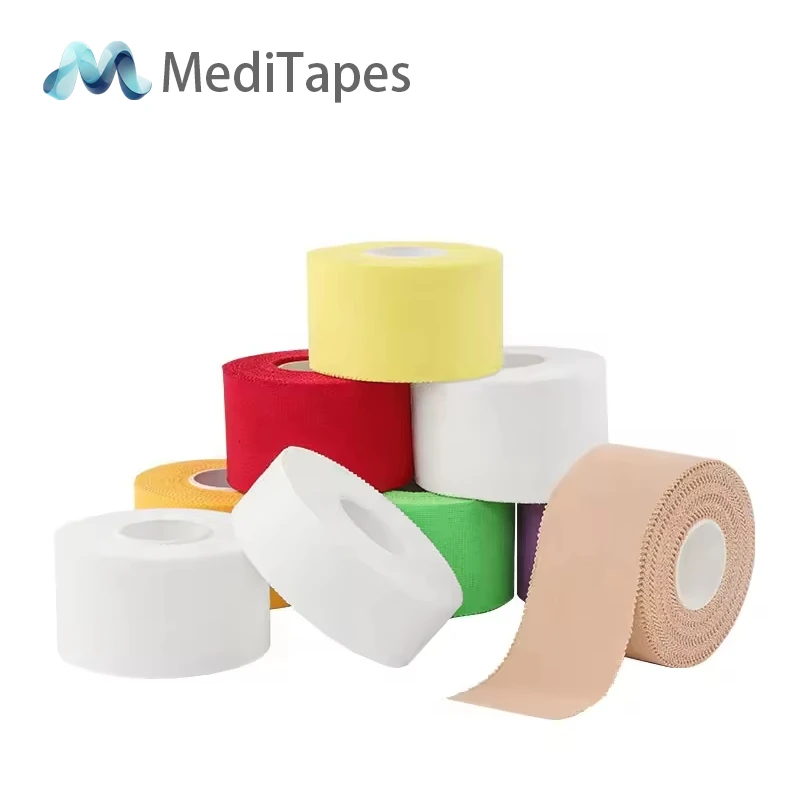
Zinc Oxide Sports Tape Medical Grade Rigid Cotton Tape for Physio
Medical-grade Zinc Oxide Sports Tape provides maximum joint immobilization. This non-elastic, rigid cotton tape is latex-free and hypoallergenic, making it safe for sensitive skin. Essential cotton sports tape for physiotherapy clinics and injury rehabilitation centers.
FAQ
What’s the main difference between heavy duty cotton sports tape and kinesiology tape?
Heavy duty cotton sports tape is rigid with almost no stretch and is designed for strong mechanical support and joint restriction. Kinesiology tape is highly elastic and focuses on sensory feedback, circulation, and pain relief rather than structural locking.
Can kinesiology tape replace heavy duty cotton sports tape for ankle support?
In most cases, no. While KT tape has its place in recovery and mild support, it cannot provide the same level of mechanical stability that a properly applied rigid heavy duty cotton sports tape delivers for high-impact ankle protection.
Is heavy duty cotton sports tape only for athletes?
Not at all. We see strong demand from occupational health clinics, dance schools, military training facilities, and even industrial workplaces where joint support is needed during repetitive heavy tasks. The non-stretch sports tape properties make it incredibly versatile.
How do I know which one my customers need?
Ask about the specific activity and injury history. If they need to limit movement in certain directions, go with heavy duty cotton sports tape. If they need help with swelling, posture cueing, or chronic pain management while maintaining movement, kinesiology tape is usually better.