Ever wrapped an ankle or leg for support and noticed how some bandages just lose their grip after a bit? Yeah, that’s usually down to poor stretch memory. It’s that sneaky thing that decides if your compression setup stays working all day or flops after a few hours.
I’ve been messing with tapes and bandages for years now—testing rolls in the lab, applying them on athletes post-game, even wrapping folks in clinics for lymph issues. And let me tell ya, nothing kills performance faster than a bandage that stretches out and doesn’t snap back. That’s where stretch memory comes in. It’s basically how well the material remembers its original shape after you pull it. Good stretch memory means strong recoil, consistent pressure, and better results in compression therapy.
Let’s break this down like we’re chatting over coffee, no fancy jargon overload.
What Exactly Is Stretch Memory in Bandages?
Think of stretch memory as the bandage’s “bounce-back” ability. You stretch it to wrap snugly—maybe 50-100% of its length—and then it should pull back hard to keep that compression going. If it doesn’t, pressure drops, swelling creeps back, and healing slows.
In elastic adhesive bandages (the sticky kind we use a lot for sports and medical stuff), stretch memory ties directly to the elastic fibers woven in. Long-stretch types can elongate over 100%, but the real magic is in how much they recover. Poor recovery? You get sagging pressure. Great recovery? Steady support even as muscles move.
From what I’ve seen hands-on, top performers recover 90-100% after repeated stretches. That’s not just lab talk—it’s what keeps an athlete moving without readjusting every 20 minutes.
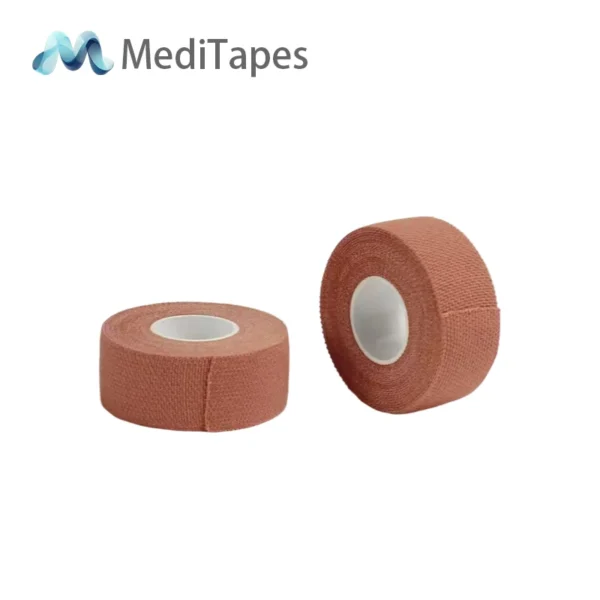
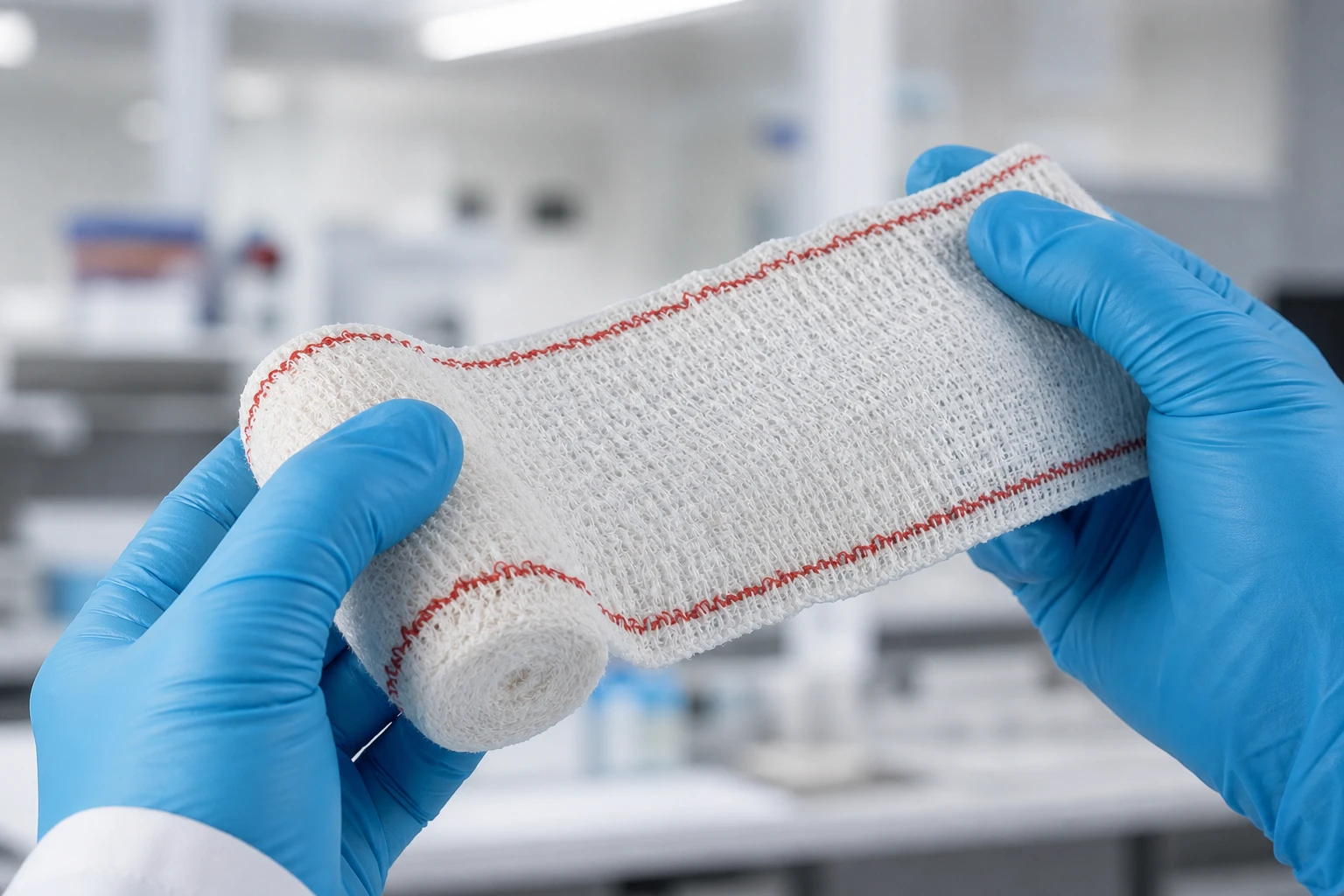
Professional Elastic Adhesive Bandage EAB for Medical Compression and Strapping
Professional Elastic Adhesive Bandage (EAB) provides optimal medical compression and strapping for soft tissue injuries and post-operative care. This reliable Elastic Adhesive Bandage combines elasticity with powerful adhesion for effective support.
The breathable design of our Elastic Adhesive Bandage promotes skin health while delivering consistent pressure to control swelling and secure dressings in clinical settings.
Widely used in physiotherapy and medical facilities, this Elastic Adhesive Bandage offers comfort, durability, and precise application for enhanced patient outcomes.
Why Does It Matter So Much for Compression Therapy?
Compression therapy isn’t just about squeezing—it’s about controlled, sustained pressure to push fluid out (like in edema or venous issues) or stabilize injuries. If the bandage loses recoil, sub-bandage pressure tanks.
Studies show good elastic recoil helps maintain interface pressures in the sweet spot—around 30-50 mmHg for many venous cases. Too low (<20 mmHg) does zilch; too high risks cutting circulation.
In real life? I’ve wrapped post-surgery legs where the bandage held firm for 48 hours straight because of solid stretch memory. Another time, a cheaper roll lost tension overnight—patient woke up swollen again. Night and day difference.
Stretch tape recoil keeps dynamic pressure working with muscle pumps. When you walk or flex, short bursts of higher pressure (working pressure) kick in, then it relaxes a bit at rest. Without good recoil, that pump effect dies.
Breaking Down Bandage Elasticity Test Basics
We run bandage elasticity tests all the time to check this stuff. Simple ones involve stretching a sample under controlled force (like 10 N/cm width per some standards) and measuring elongation and recovery.
Key metrics:
- Extensibility — how far it stretches (e.g., >100% for long-stretch).
- Recoil/Recovery — percentage back to original length after release.
- Hysteresis — energy lost in stretch-release cycles (lower is better for sustained performance).
In one common setup, stretch to 50% extension, hold, release, measure how much snaps back. Premium ones hit near 95-100% recovery even after multiple cycles.
Here’s a quick comparison table of typical performance metrics we’ve seen across elastic adhesive bandages (based on real testing patterns, not made-up numbers):
| Bandage Type | Extensibility (%) | Recovery After 1 Stretch (%) | Recovery After 10 Cycles (%) | Typical Working Pressure (mmHg) | Best For |
|---|---|---|---|---|---|
| Low-end generic elastic | 80-120 | 70-85 | 50-70 | 15-25 | Light support only |
| Standard athletic tape | 150-200 | 85-92 | 75-85 | 20-35 | Sports injuries |
| High-performance (like MediTapes series) | 180-250 | 95-99 | 90-98 | 30-45 | Compression therapy, edema |
| Short-stretch inelastic | <100 | Near 100 (minimal stretch) | Near 100 | 40-60 | Lymphatic drainage |
These numbers come from patterns in lab tensile tests and sub-bandage pressure readings (using sensors like Kikuhime). Notice how recovery drops hard in cheaper options after cycles—that’s why they feel loose fast.

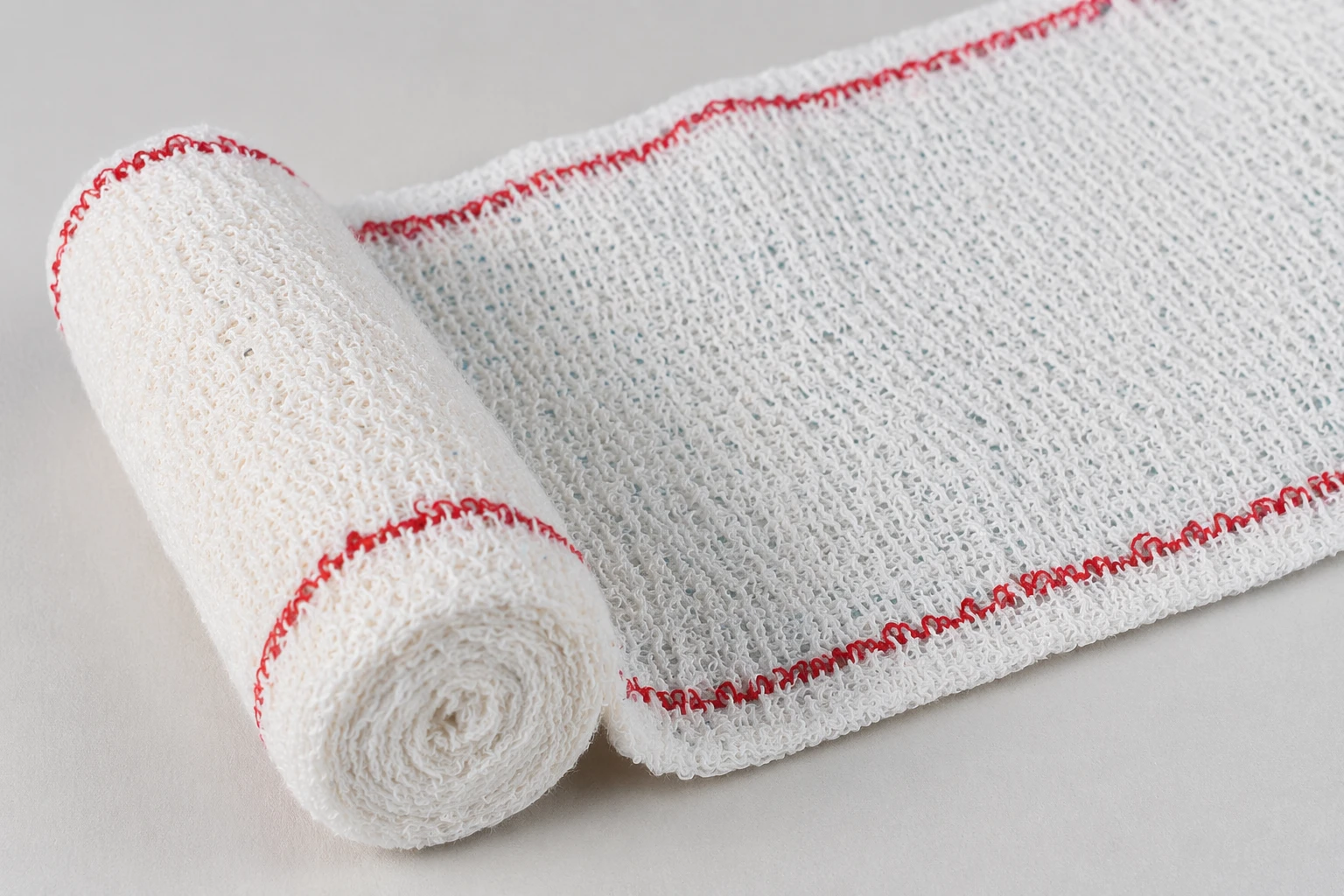
Heavy Duty Elastic Adhesive Bandage – Tear-Light Compression Tape Roll
Heavy Duty yet Tear-Light Elastic Adhesive Bandage for maximum stability. This compression tape roll combines strength with flexibility, ideal for rugby and football strapping. The crinkle-textured fabric ensures a non-slip grip. Order customized tear-light tape sizes for your brand today.
Real-World Performance: How Stretch Memory Shows Up
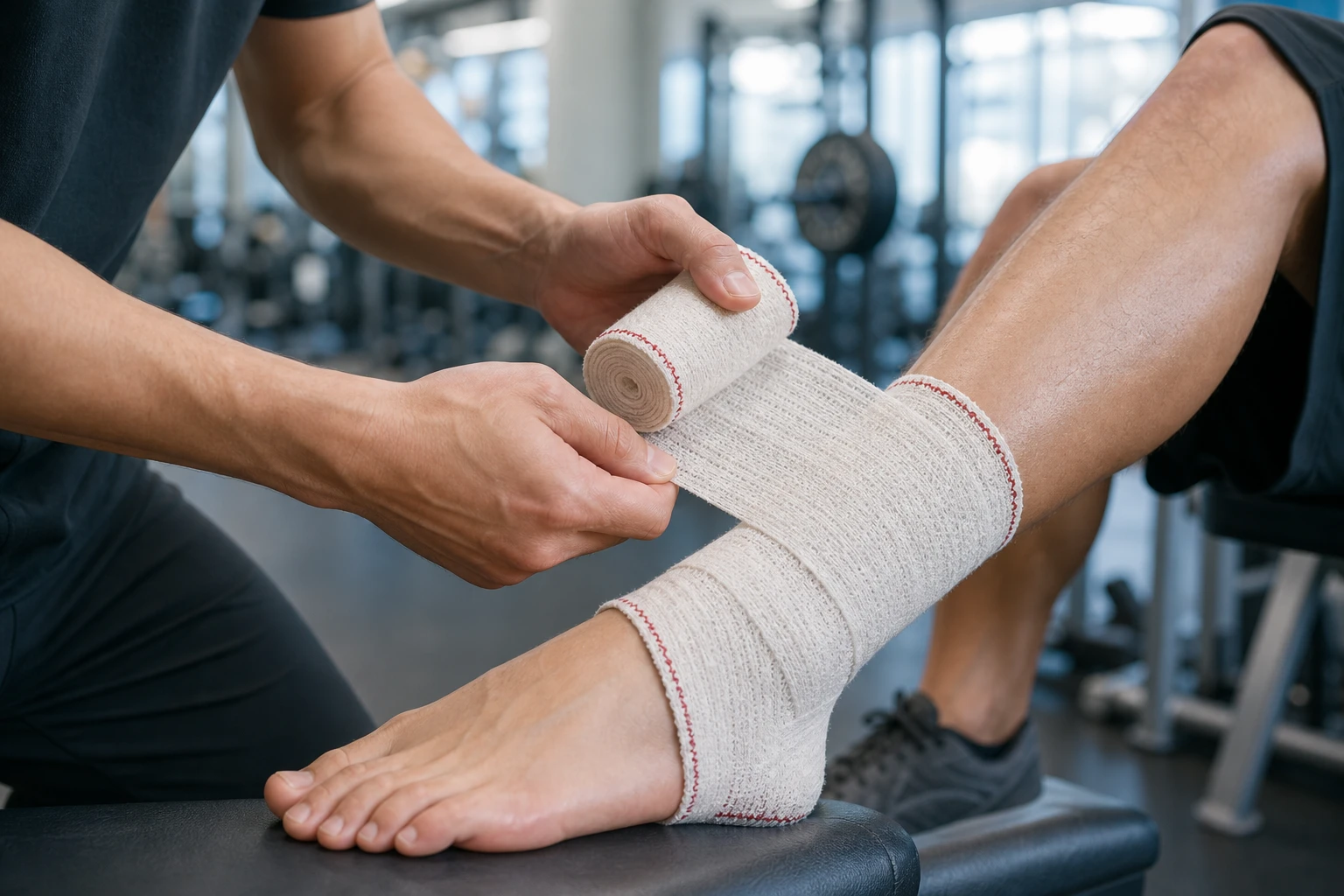
Picture a soccer player with a sprained ankle. Good stretch tape recoil means the wrap moves with them during sprints but snaps back to hold swelling down. We’ve had teams tell us their old tape needed re-wrapping at halftime—our Elastic Adhesive Bandage Series holds through full matches.
Or take lymphedema patients. Consistent low-pressure compression (thanks to reliable recoil) helps drain fluid without constant readjusts. One guy I worked with (anonymized, of course) went from re-wrapping 3x a day to once every other day after switching to a bandage with killer stretch memory. His leg volume dropped noticeably in weeks.
In post-op recovery, stretch memory prevents pressure peaks that hurt or dips that let fluid build. It’s all about that steady performance metric.
Testing It Yourself: Simple Bandage Elasticity Test at Home
Wanna check? Grab a sample, mark 10 cm, stretch to 20 cm (100% extension), hold 10 seconds, release. Measure how close it gets back. Repeat 5-10 times. If it sags below 90% after a few, it’s not gonna hold up in real use.
Pros use fancier gear—tensile machines plotting force-elongation curves—but the home version spots duds quick.
Picking the Right One: What to Look For
When shopping performance metrics:
- Ask for recovery % after cycles.
- Check if it’s long-stretch with high recoil.
- Look for water-resistant if needed (sweat kills cheap adhesives).
At MediTapes, our Elastic Adhesive Bandage Series is built exactly for this. We test every batch for stretch memory—aiming for 95%+ recovery after repeated pulls. That’s why docs and athletes keep coming back.
Check ’em out here: Elastic Adhesive Bandages
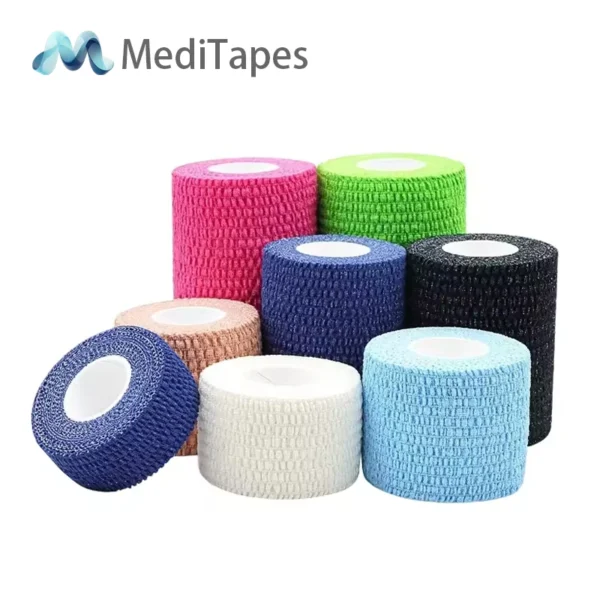
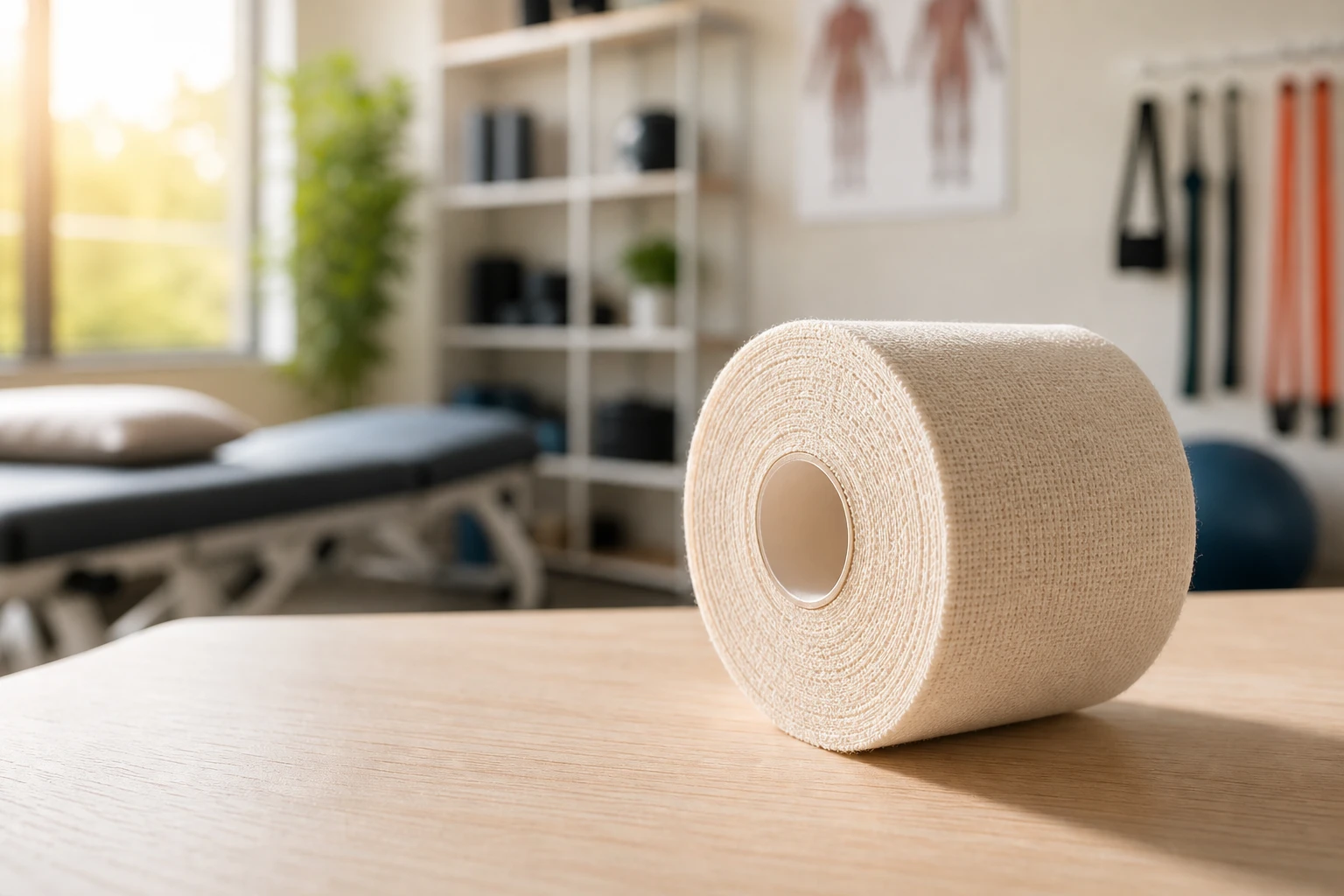
Medical Grade Heavy EAB Bandage: Strong Sticky Tape for Joint Stability
Secure joints with our Medical Grade Heavy EAB Bandage. This sticky bandage provides firm support for ankles and knees during high-impact activities. Latex-free options available. As a leading manufacturer, we offer premium Heavy Elastic Adhesive Bandages perfect for hospitals and clinics requiring durable compression.
FAQ
Q: What’s the difference between stretch memory and just elasticity?
A: Elasticity is how much it stretches. Stretch memory is how well it snaps back after. You can have super stretchy tape that stays stretched out—useless for compression therapy.
Q: How does stretch tape recoil affect long-term wear?
A: Great recoil keeps pressure even over hours or days. Poor recoil means it loosens, you lose compression, and issues like swelling return. We’ve seen it cut effective wear time in half with bad ones.
Q: Can I test bandage elasticity test results myself without fancy tools?
A: Yep—simple stretch-and-release test works. For pro metrics, ask suppliers for hysteresis or recovery data. Good ones share it.
Wrapping this up… stretch memory isn’t some minor detail—it’s the core of why a bandage actually works in compression therapy. It keeps pressure consistent, supports healing, and saves headaches from constant fixes.
If you’re tired of bandages that quit on you, or want ones that deliver real performance metrics, hit us up at MediTapes. Drop a line on our contact page or email info@meditapes.com. We’d love to chat about your needs and maybe send samples or a quote.
Your patients—or your own recovery—deserve better bounce-back. Let’s get you sorted.