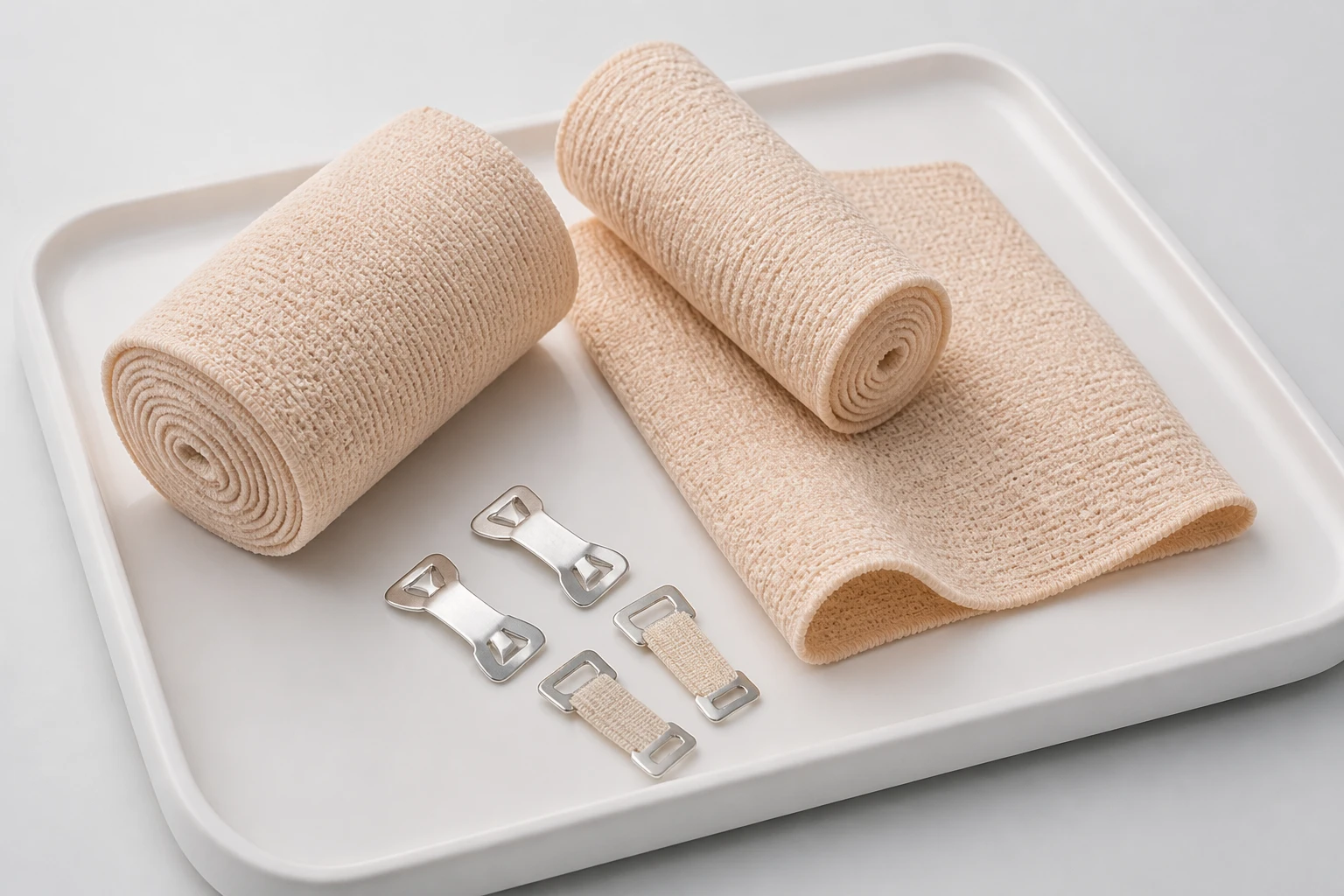
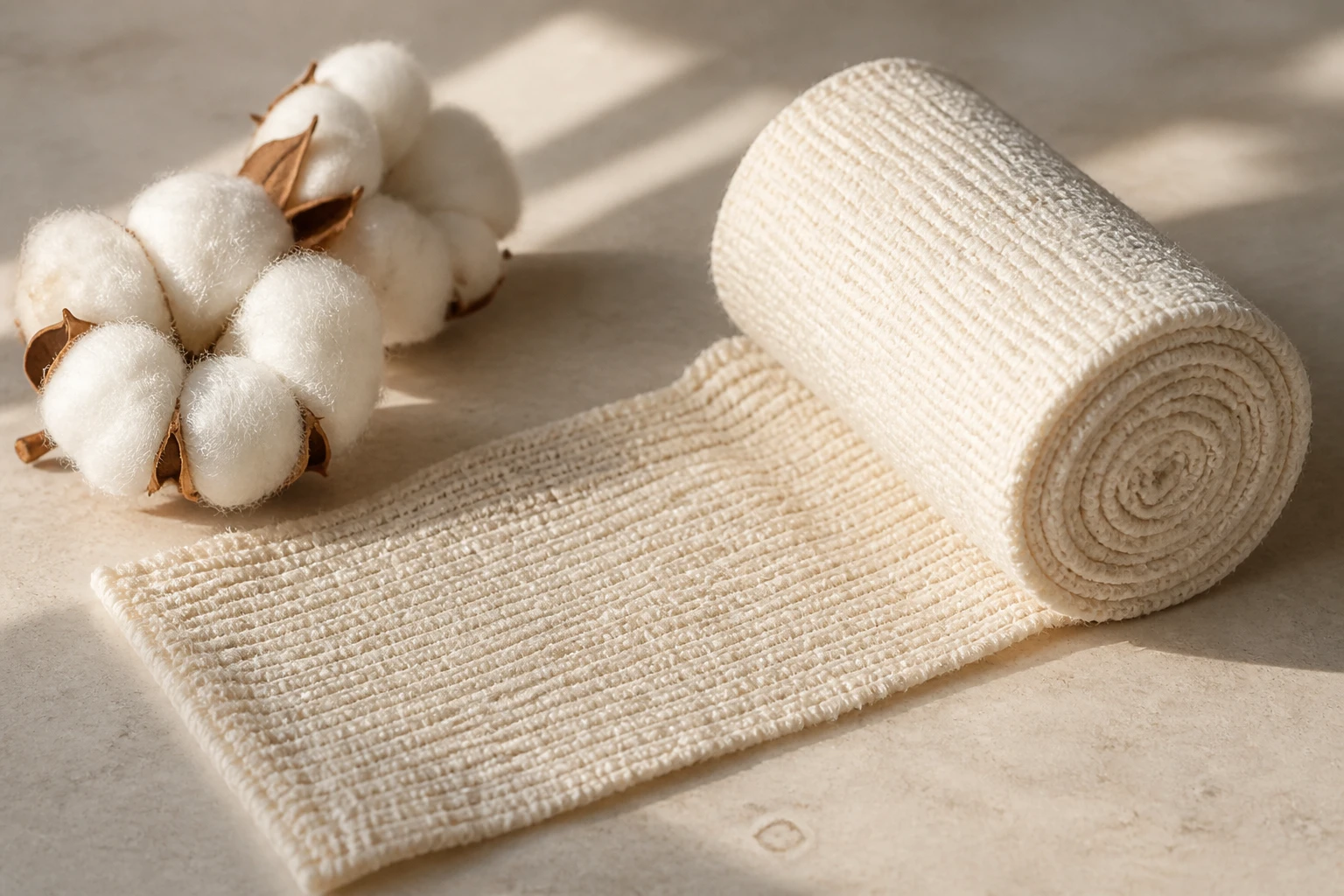
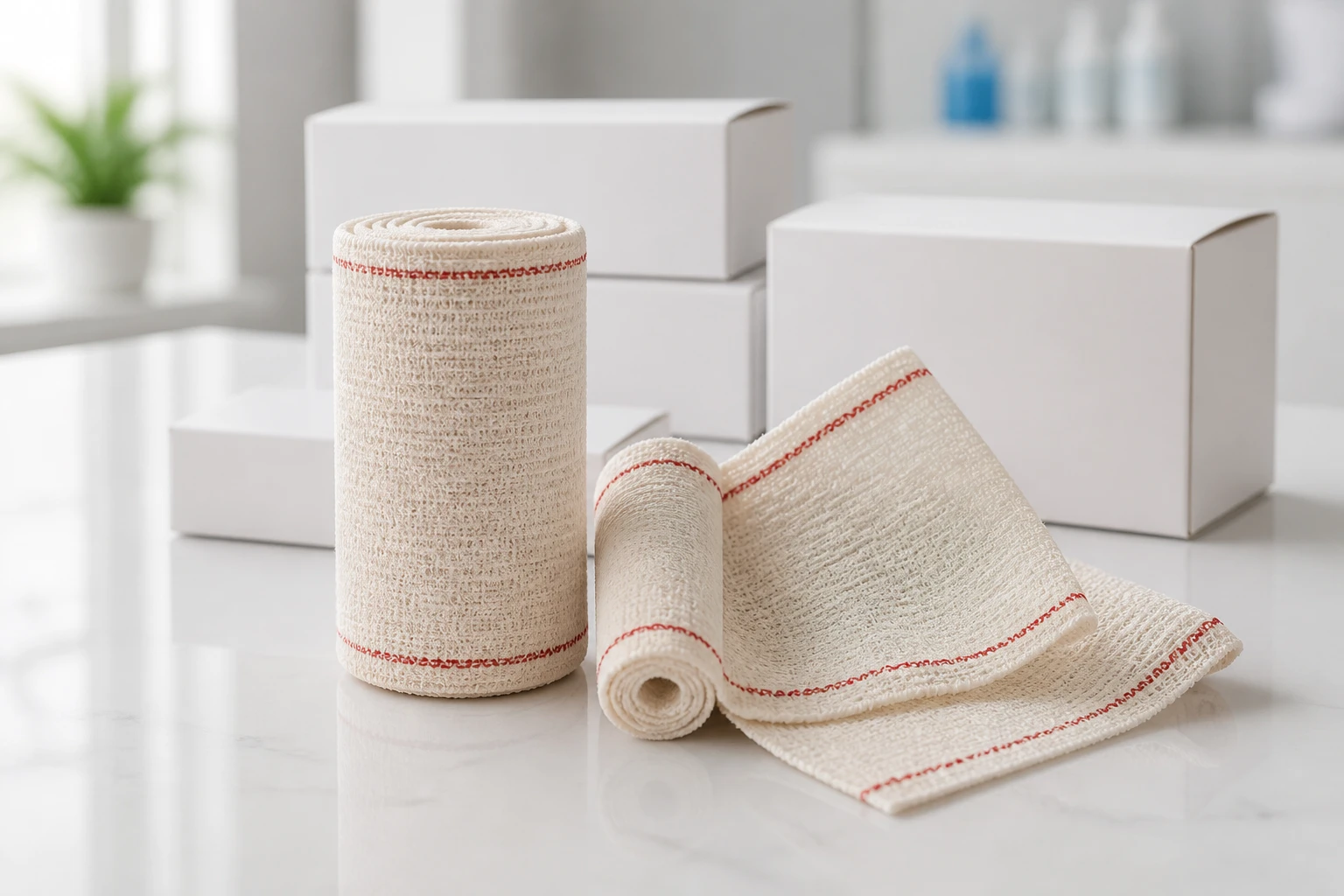
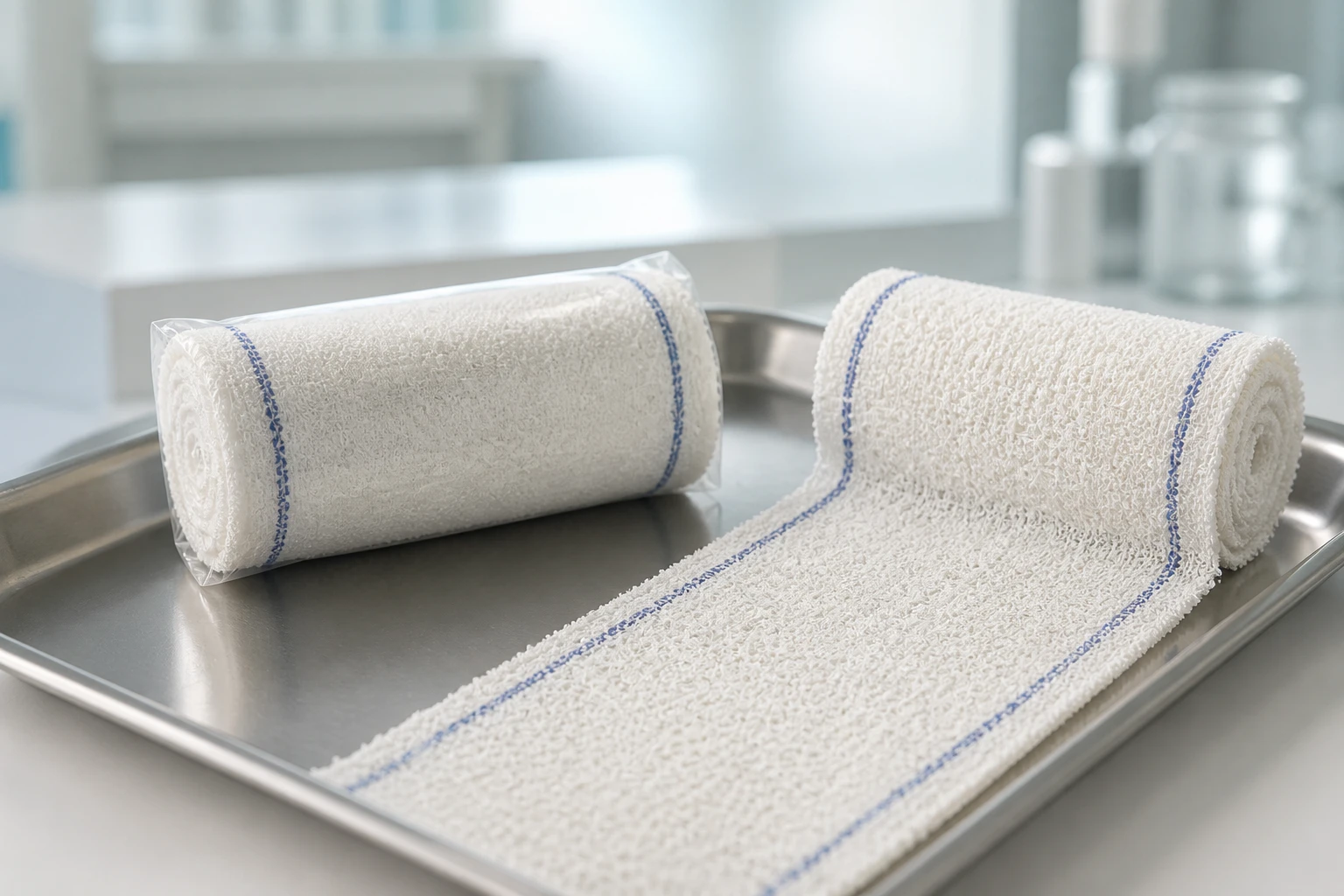
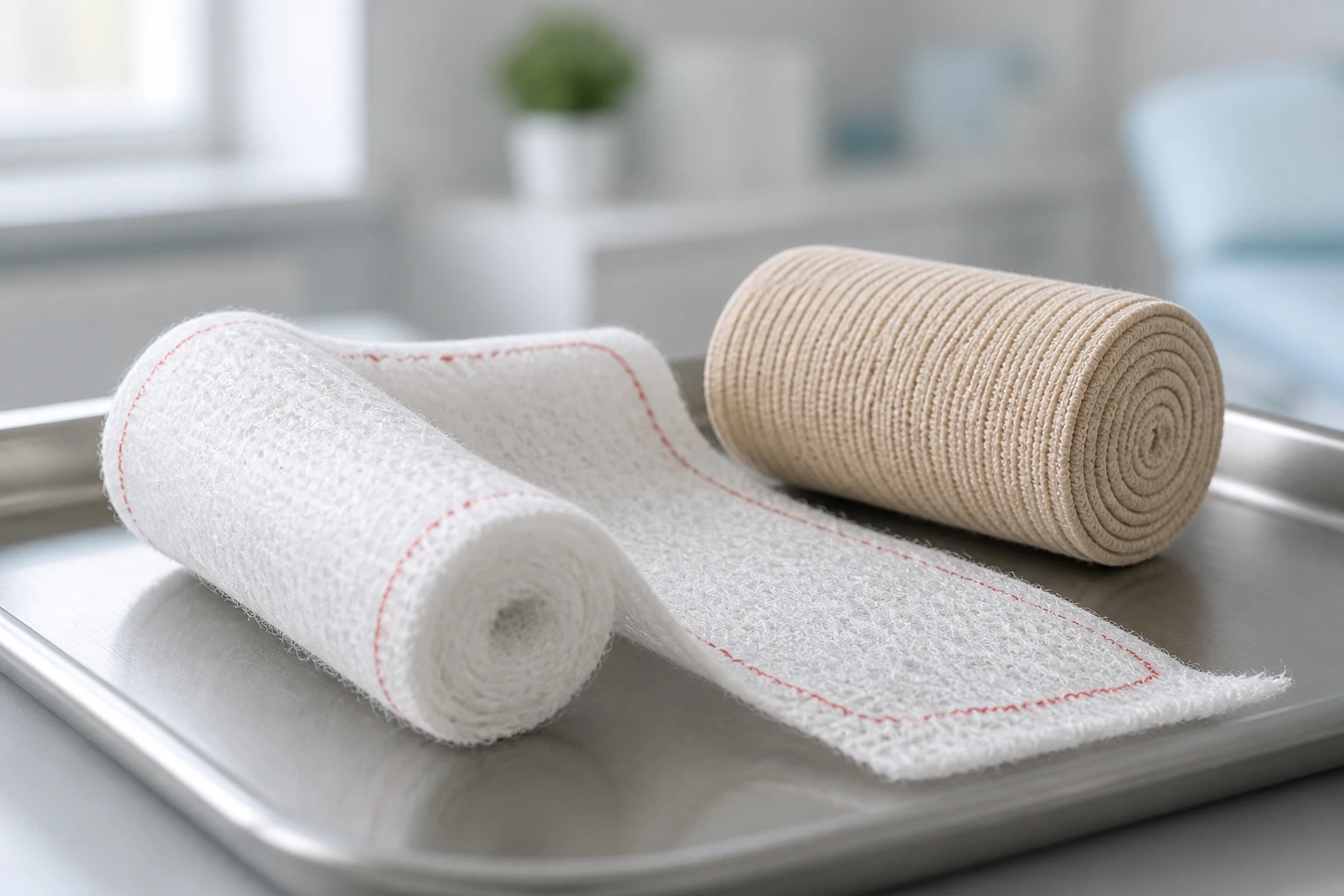
If you’ve ever wrapped up a sprain or secured a dressing without tape sticking to skin, you’ve probably used a cohesive bandage. These handy wraps stick only to themselves, giving solid support without the hassle or irritation. But what really goes into making them work so well? It’s all about the composite bandage materials – the smart mix that gives them stretch, grip, and comfort.
At MediTapes, we’ve spent years tweaking these formulas in our lab to get the balance just right. We’ve seen firsthand how the wrong blend can lead to slipping wraps or unhappy customers, while the good ones hold up through tough shifts or active days. So let’s break it down plain and simple – what buyers like you really need to know about these materials.
Why Composite Bandage Materials Matter More Than You Think
Cohesive bandages aren’t just strips of fabric. They’re engineered composites – layers and fibers blended to deliver specific performance. The core idea? Combine something strong and breathable with elastic elements for stretch, then add a light cohesive coating so it grips itself without glue.
Common bases include non-woven fabrics (think soft, porous sheets made from synthetic or natural fibers) mixed with elastic yarns. This material blend creates something that’s lightweight yet tough. Buyers often ask us why not just use plain cotton or full rubber? Simple: plain cotton lacks recovery, and full rubber feels heavy and traps heat.
From our experience testing batches, the sweet spot comes from careful ratios. Too much elastic and it snaps back too hard; too little and it sags. We’ve found blends around 90% non-woven with 10% elastic yarn hit that reliable zone for most uses.
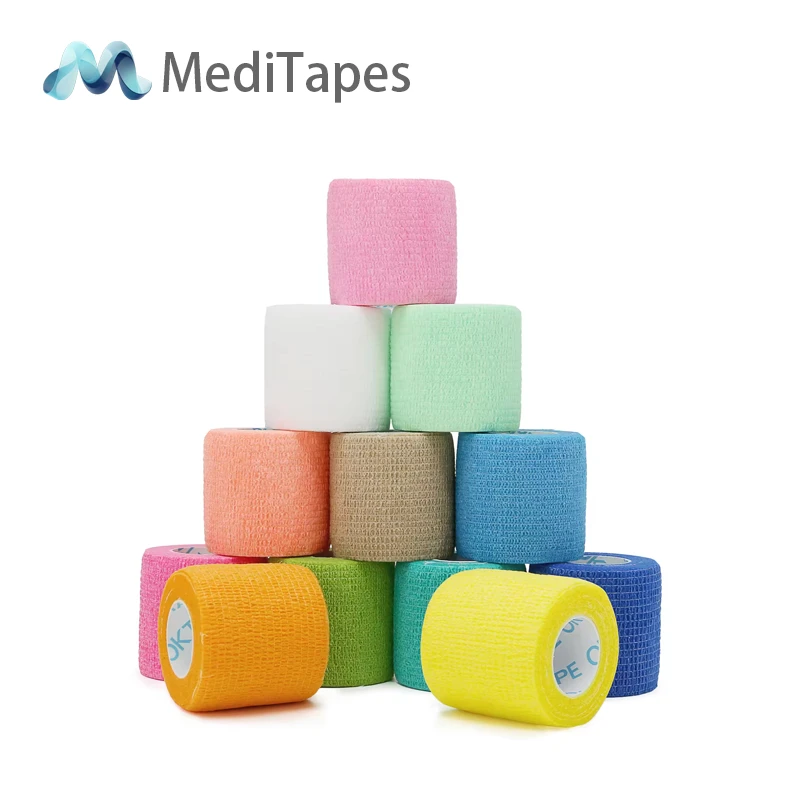
Non-woven Cohesive Bandage Wholesale – Self Adherent Wrap for Medical
Premium Non-woven Cohesive Bandage tailored for medical use. This self-adherent wrap adheres to itself, not skin. Breathable, lightweight, and easy to tear by hand. Ideal for securing dressings and supporting joints without clips. Bulk pricing available for distributors.
Breaking Down the Main Components: Spandex and Non-Woven
Let’s get into the guts of it. Two stars show up again and again in high-performing cohesive bandages: spandex and non-woven.
Non-woven fabric forms the main body. It’s made by bonding fibers (polypropylene, polyester, sometimes cotton mixes) without weaving. This makes it soft, breathable, and cheap to produce in volume. The pores let air through, cutting down sweat buildup – crucial when someone’s wearing it for hours.
Then comes spandex (or elastane). This synthetic yarn adds serious stretch and snap-back. Without it, the bandage wouldn’t conform to tricky spots like ankles or knees. Spandex gives that “memory” so the wrap keeps consistent pressure without cutting off circulation.
Spandex and non-woven together? That’s the magic material blend. Non-woven provides the base structure and comfort, spandex handles the elasticity. We’ve run side-by-side tests: pure non-woven wraps lose shape fast, but add spandex and they hold compression 2-3 times longer.
Many top cohesive bandages use roughly 85-95% non-woven fabric with 5-15% spandex. This ratio keeps things lightweight while delivering 200-250% elongation – plenty for secure wraps without feeling like a tourniquet.
How the Cohesive Coating Ties It All Together
The self-stick part isn’t from glue like regular tape. It’s a light coating – often synthetic rubber or acrylate-based – applied in tiny particles or a textured pattern. When layers overlap, the ridges or particles lock mechanically, kinda like mini Velcro.
This coating bonds to the composite base without soaking in too deep, so the bandage stays breathable. In our R&D, we adjust coating weight carefully. Too heavy, and it gets sticky or loses breathability; too light, and layers slip during movement.
Latex-free versions use synthetic alternatives, which we’ve switched to for most of our line to avoid allergy issues. Data shows latex allergies affect 1-6% of people, so going synthetic opens up more safe options without losing grip.
Performance Comparison: Common Material Blends
Here’s a quick table to show how different composite bandage materials stack up based on real-world use and lab checks we’ve done or seen in industry reports.
| Material Blend | Elasticity (Elongation %) | Breathability | Skin Friendliness | Best For | Drawbacks |
|---|---|---|---|---|---|
| 90% Non-woven + 10% Spandex | 200-250% | High | Excellent (latex-free) | General support, sports, wound securing | Slightly less “snap” than higher spandex |
| 85% Non-woven + 15% Spandex | 220-280% | High | Very Good | High-compression needs, ankles/knees | Can feel firmer on small areas |
| Cotton + Polymer Yarns + Latex | 180-220% | Medium | Good (if no allergy) | Traditional heavy support | Potential allergies, less breathable |
| Pure Non-woven (no spandex) | <100% | Very High | Excellent | Light dressing hold | Poor recovery, slips easily |
This table comes from hands-on comparisons and aligns with what we’ve observed in production runs. The spandex and non-woven combo usually wins for versatility.
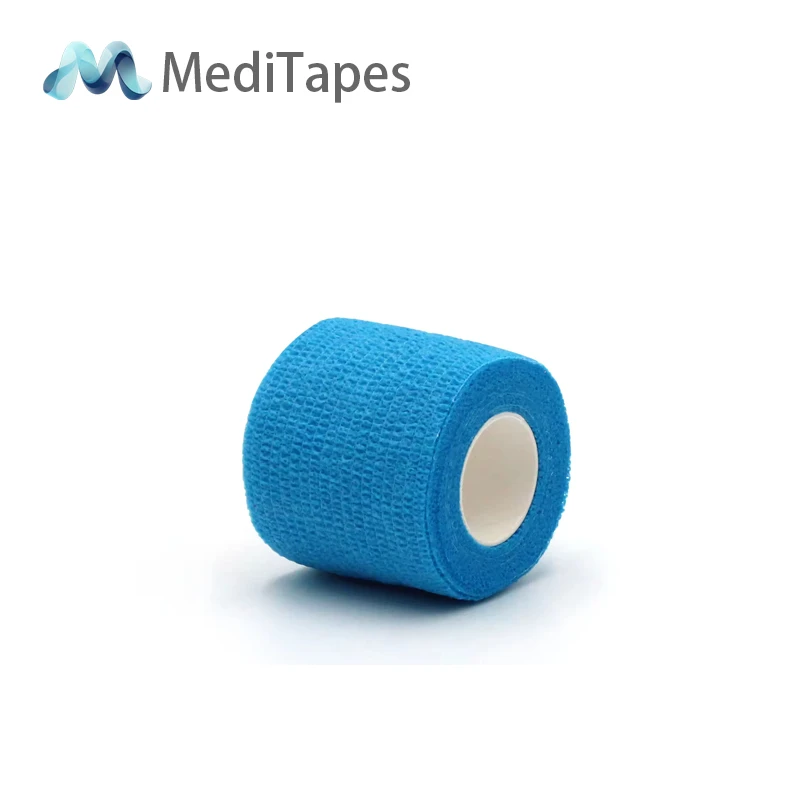
Latex Free Cohesive Bandage – Non-Woven Flexible Sport Tape Factory
Sourcing a Latex Free Cohesive Bandage? Our hypoallergenic non-woven flexible sport tape minimizes allergic reactions. Perfect for athletes needing secure support. Offers excellent elasticity and tears easily. Direct factory supply ensures competitive costs for your business.
Real-World Wins: Where These Blends Shine
We’ve supplied these to clinics and sports teams, and the feedback tells the story.
One physical therapy group switched to our spandex and non-woven blend after dealing with slipping wraps on athletes. Post-change, re-wraps dropped by over half – patients got consistent support during rehab sessions.
In vet clinics (yeah, these work great on furry patients too), the non-stick-to-hair property plus breathability means quicker healing and less stress on animals.
For post-surgery or edema control, the controlled compression from the elastic blend helps reduce swelling without constant adjustments.
What to Look for When Buying Cohesive Bandages
As a buyer, don’t just grab the cheapest roll. Check these:
- Elastic recovery – stretch it and see if it snaps back quick.
- Breathability – hold it to light; good pores mean you see through easily.
- Latex-free? – especially if for sensitive users or bulk orders.
- Hand-tearable – no scissors needed in a rush.
- Width/length options – 2-6 inches wide covers most needs.
At MediTapes, our Self-adhesive Bandage line uses premium composite bandage materials with optimized spandex and non-woven ratios. Browse our collection here: https://meditapes.com/product-category/self-adhesive-bandages/
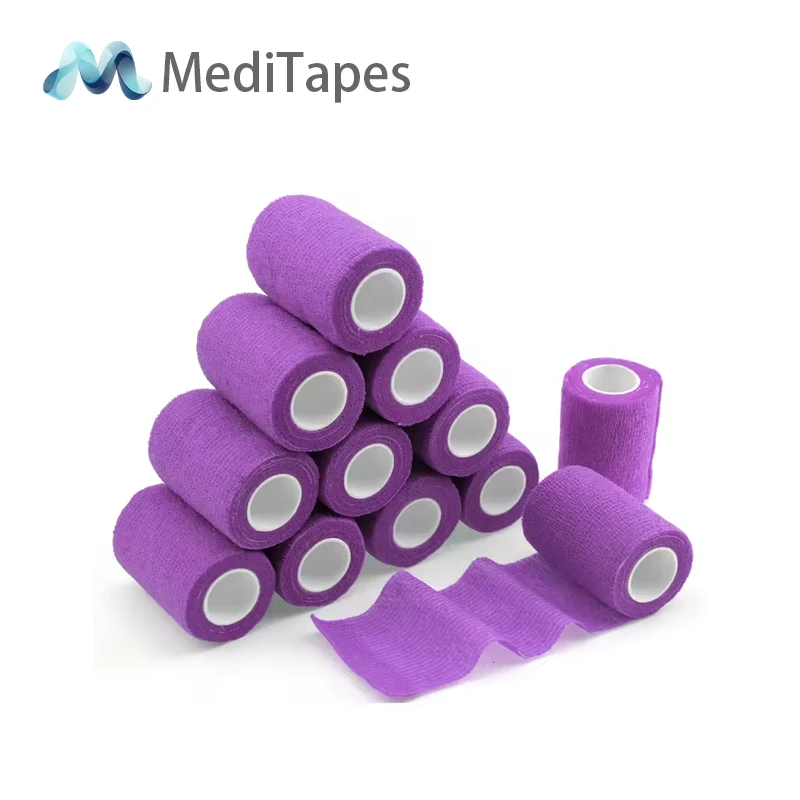
Medical Grade Cohesive Bandage – Breathable Non-Woven Wound Dressing
ISO-certified Medical Grade Cohesive Bandage for professional wound care. This non-woven wound dressing allows skin to breathe while keeping dirt out. Provides non-slip support and controlled compression. Trust our self-adhesive bandage for superior patient recovery and comfort.
FAQ: Quick Answers to Common Questions
What makes spandex so key in composite bandage materials?
Spandex adds stretch and recovery power. Without it, the bandage won’t hold shape or provide even pressure. Blended with non-woven, it creates wraps that move with you but stay put.
Are spandex and non-woven blends better than cotton ones?
Usually yes for everyday use. They’re lighter, more breathable, and often latex-free. Cotton blends work for heavier support but can feel bulkier and trap more moisture.
How do I know if the material blend is high quality?
Look for consistent stretch, no loose fibers, and strong self-grip after a few wraps. Test a sample – good ones don’t lose adhesion fast even after sweating.
Ready to try a better blend? Drop us a line for samples, custom specs, or a quote. We’re here to help dial in exactly what your team needs.
Contact us: https://meditapes.com/contact-us/
Email: info@meditapes.com
We’ve got your back – literally. Let’s chat about getting the right composite bandage materials working for you.