If you’re putting together first aid kits for a living—like you assemble them for workplaces, outdoor groups, schools or even retail—you know it’s not just about tossing in random stuff. It’s gotta be practical, reliable and cover real-life messes without wasting space or money. I’ve been around this scene for years, helping folks like you pick the right bits that actually get used when things go sideways.
One thing that keeps popping up as super useful? Perforated plaster. Yeah, that breathable, holey tape stuff. It’s not flashy, but skip it and your kits feel incomplete. Let me walk you through why it’s basically non-negotiable, especially when you’re building kits in bulk.
What Makes a Solid First Aid Kit Anyway?
Look, organizations like the American Red Cross and OSHA lay out what should go in there for good reason. Their lists usually include basics like adhesive bandages, gauze pads, antiseptic wipes, gloves, scissors, and some kind of tape to hold everything down. The Red Cross pushes for stuff that handles cuts, scrapes, burns and minor sprains—common things that happen everywhere from offices to job sites.
But here’s the kicker: pre-made kits or the ones you buy off the shelf often skimp on tape options. They throw in a tiny roll or none at all. When you’re the one packing kits, you get to fix that. Adding good tape means users can secure gauze over bigger scrapes, make custom dressings, or even improvise slings if needed.
From my experience packing hundreds of these over time, the kits that get rave reviews (or repeat orders) are the ones with versatile fixers like perforated plaster. It’s that one item people reach for more than they expect.
Why Perforated Plaster Stands Out from Regular Tape
Regular old tape can work, sure. But perforated plaster? It’s got those little holes punched in for a reason. Air gets through so skin doesn’t get all sweaty and gross underneath—maceration is the fancy word, but basically the skin breaks down if it’s trapped in moisture too long.
That breathability helps wounds heal quicker because oxygen reaches the spot. Plus it sticks well without yanking hairs out when you peel it off. I’ve seen folks in hot sweaty environments complain about regular tape causing rashes; switch to perforated and those complaints drop off.
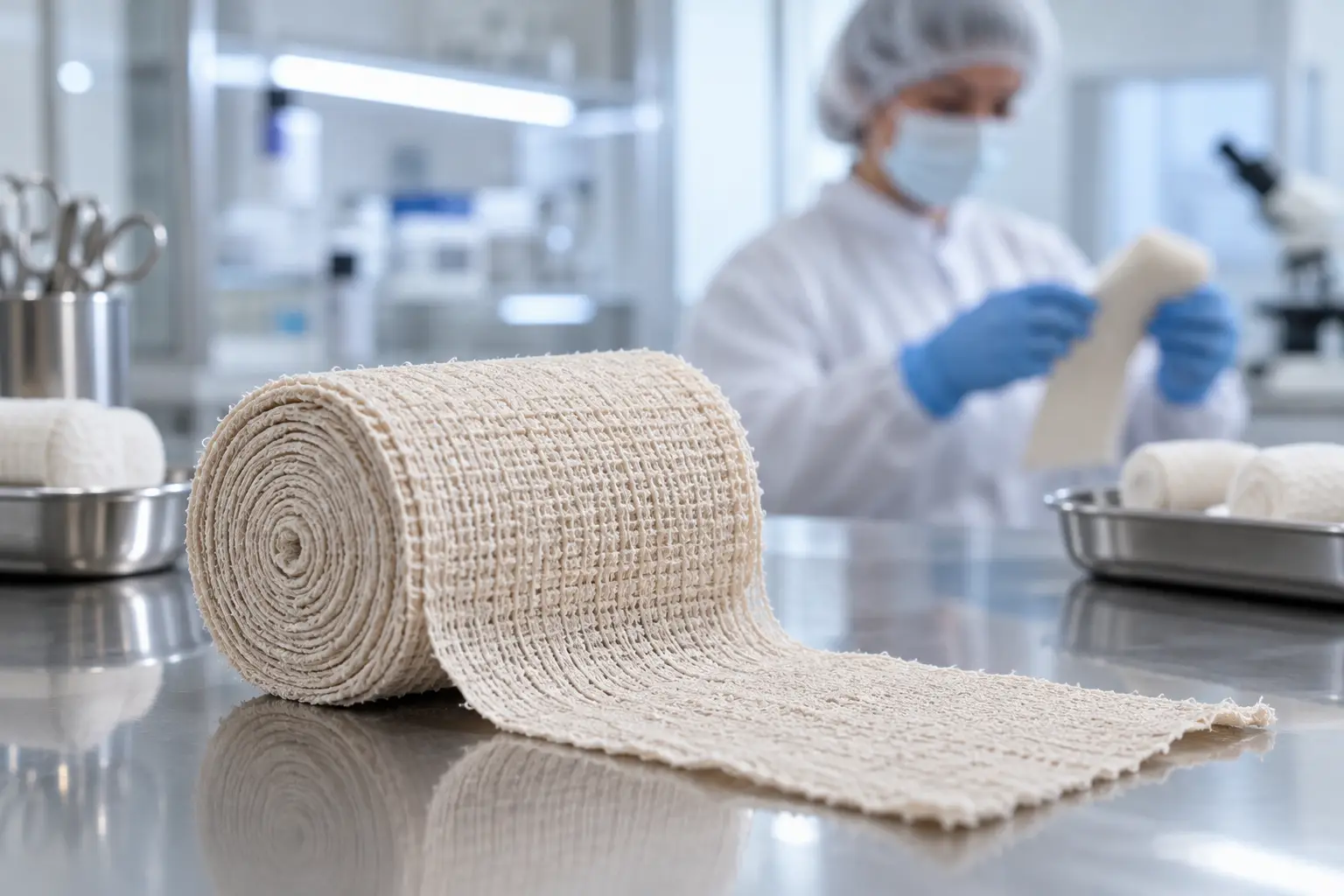
It’s also easy to tear by hand—no scissors needed in a pinch. That matters when someone’s fumbling in an emergency. And it comes in bulk rolls, so for kit packers you can cut exactly what size you want—saving waste compared to those tiny pre-cut strips.

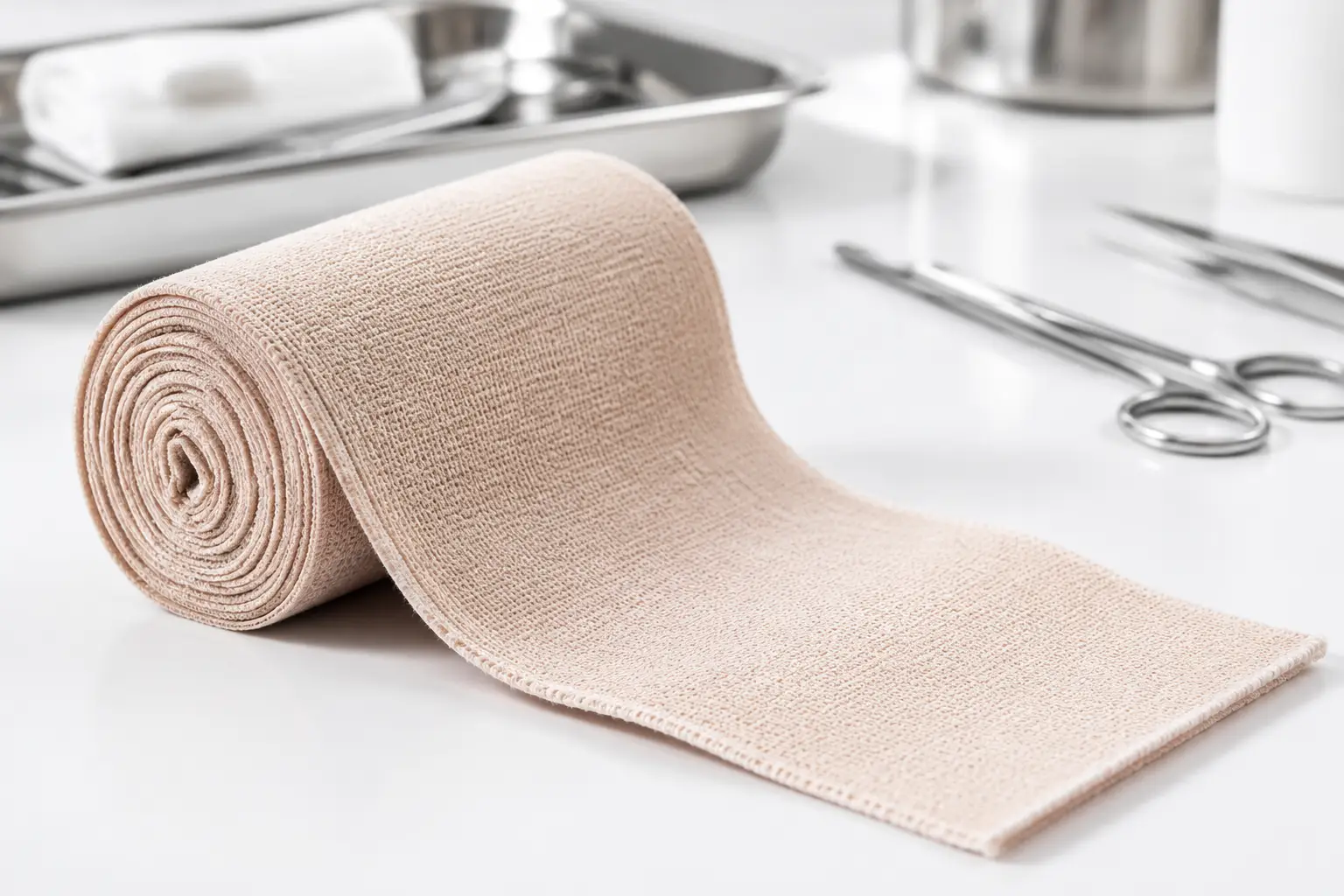
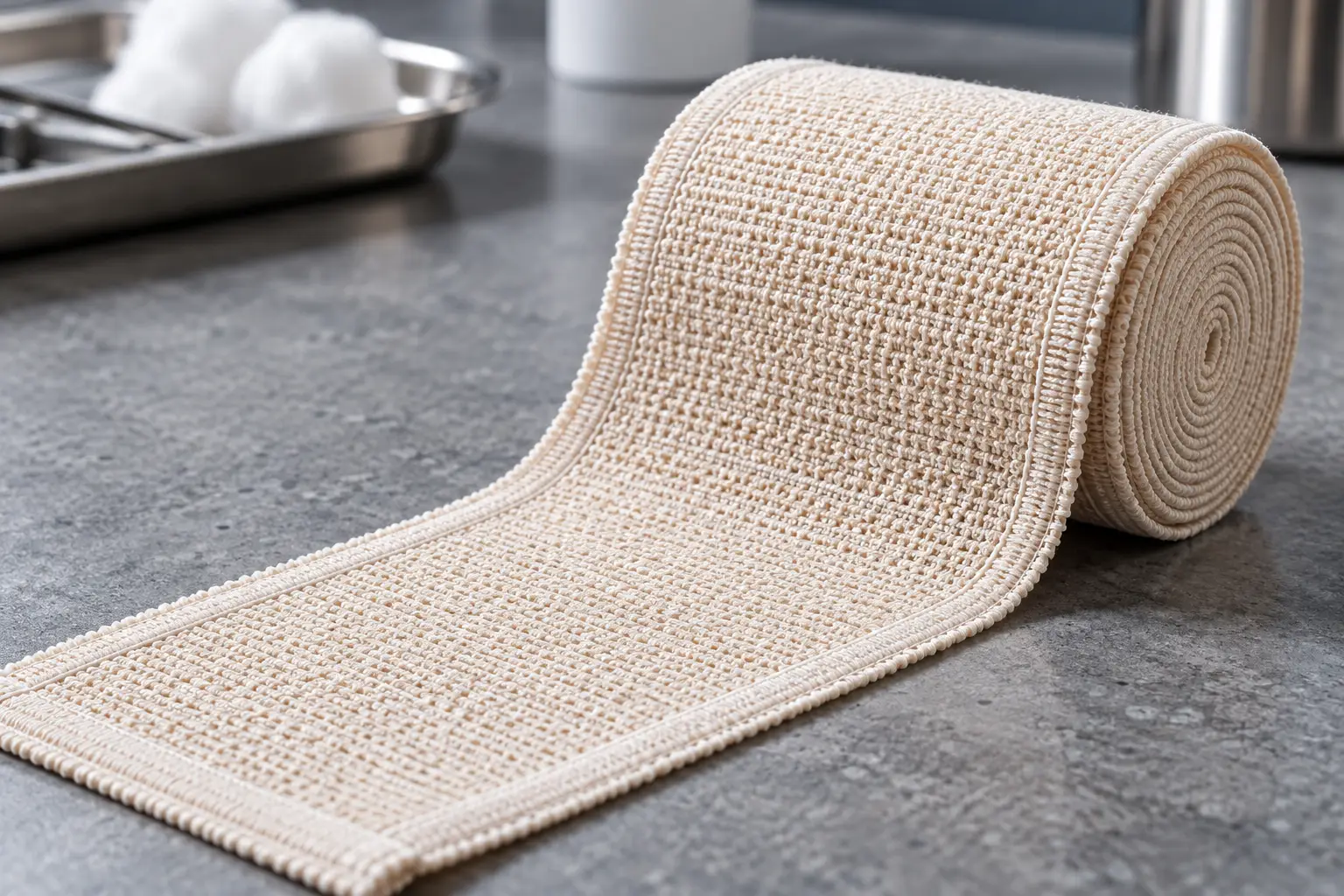
Zinc Oxide Perforated Adhesive Plaster for Medical & Surgical Use
This perforated adhesive plaster features strong zinc oxide adhesive for secure fixation. Ideal for surgical dressings and catheter stabilization. The porous design ensures skin breathability, reducing maceration. Available in various widths for professional medical use. ISO/CE certified.
How Perforated Plaster Fits Into Everyday Kit Scenarios
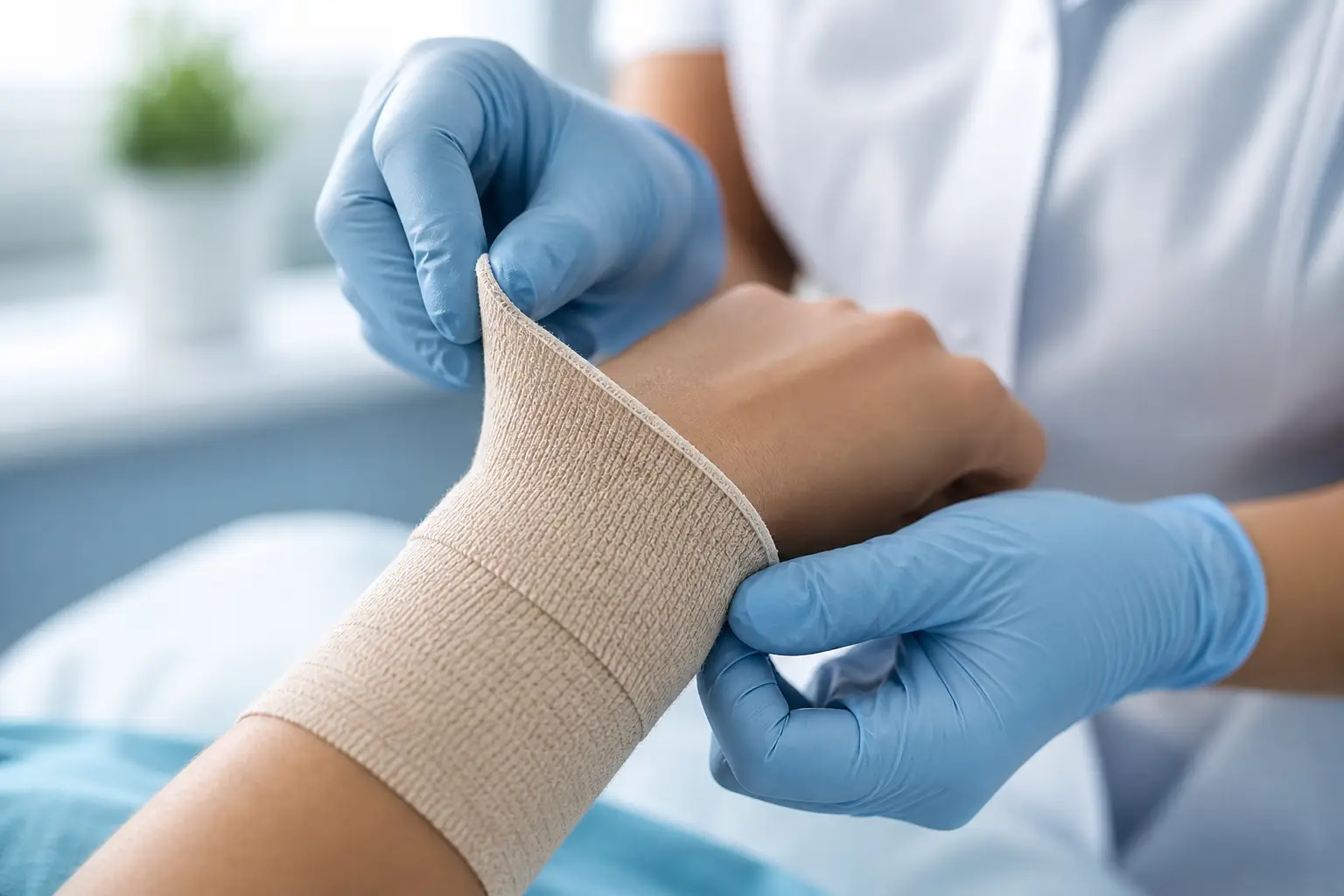
Think about it. A construction crew guy slices his hand on some metal—grab gauze, slap on perforated plaster to hold it firm. The holes let it breathe while he finishes the shift without it falling off.
Or a family camping kit: kid scrapes knee bad on rocks. Parents use the tape to secure a bigger pad over the mess. It stays put through hiking, doesn’t make the skin itch like crazy.
I’ve heard from packers who supply school kits—kids are rough on bandages. Perforated holds up better during PE or recess without needing constant re-taping.
One time a client who packs for outdoor adventure companies told me their guides love having bulk rolls in the kits. They can tear off long strips to wrap sprains or secure splints. Multi-use like that makes your kits stand out—customers notice when something’s actually helpful instead of just checking boxes.
Comparing Tape Options for Your Kits
Here’s a quick table to break it down when you’re deciding what to stock:
| Tape Type | Breathability | Easy to Tear | Stick Strength | Best For | Drawbacks |
|---|---|---|---|---|---|
| Standard Cloth Tape | Low | Needs scissors | Very strong | Heavy duty securing | Can trap moisture, irritate skin |
| Perforated Plaster | High | By hand | Strong but gentle | Wound dressings, daily use | Slightly less waterproof |
| Waterproof Tape | Low | Varies | Strong | Wet environments | Poor breathability, sweaty |
| Paper Tape | Medium | Easy | Mild | Sensitive skin | Weaker hold in active use |
See? Perforated wins for most general kits because it balances everything. For kit packers aiming at versatile emergency medical tape, it’s tough to beat.
Tips for Sourcing and Using Bulk Plaster Rolls
When you’re buying in bulk—like for assembling 50 or 100 kits at a go—go for rolls that are 1-2 inches wide, maybe 5-10 yards long. That gives flexibility. Check the adhesive is hypoallergenic; nobody wants complaints about reactions.
Cut strips to size or leave whole rolls if the kit’s for pros who know what they’re doing. Label it clear so users know it’s there.
Pro tip: pair it with non-stick pads and gauze. The perforated plaster secures without sticking to the wound itself—big win for painless changes.
At MediTapes, we’ve got breathable cotton adhesive plaster tape that’s perforated just right. It’s gentle, holds firm, and comes in bulk for packers like you. Check out our Breathable Cotton Adhesive Plaster Tape—designed exactly for first aid kit supplies.

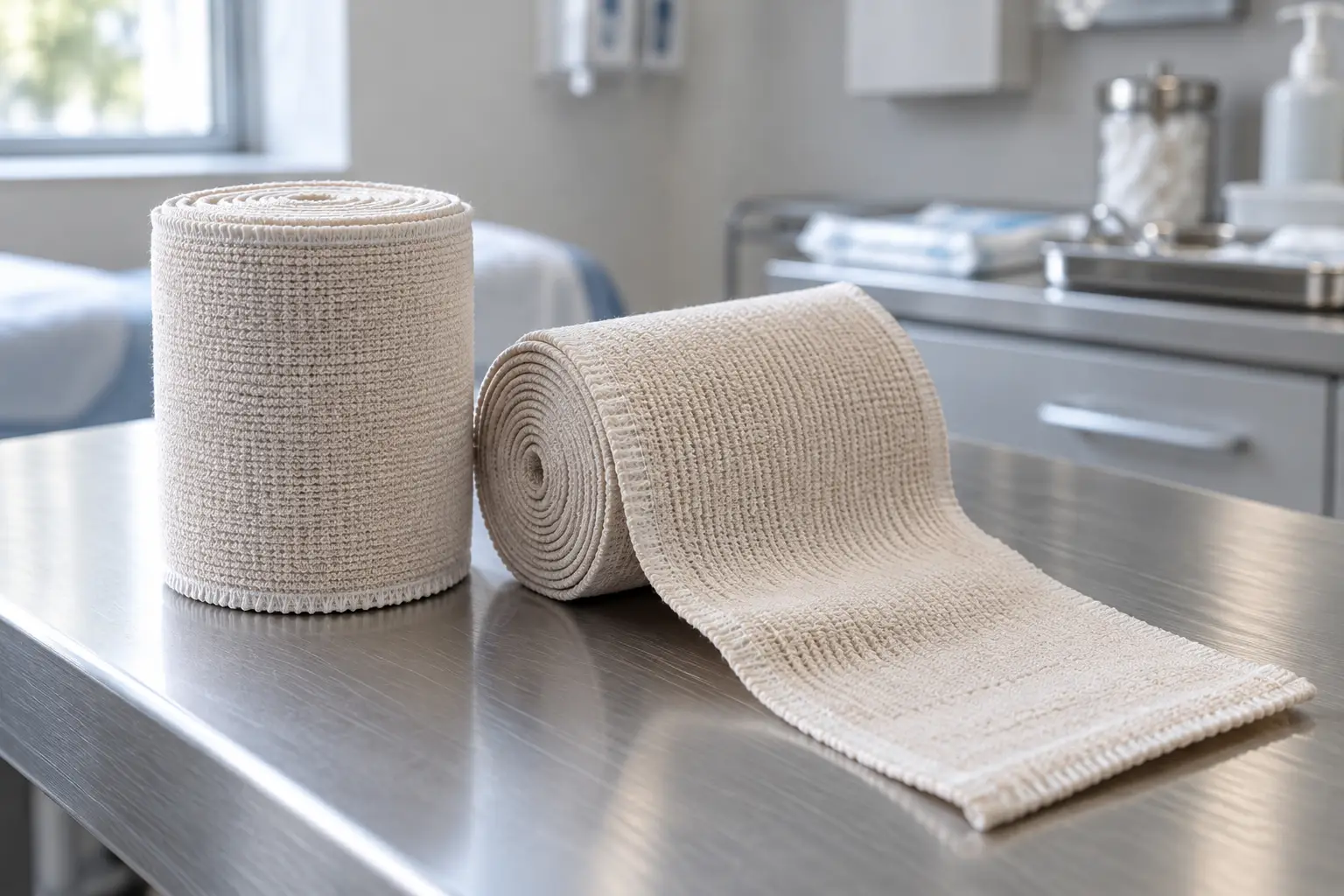
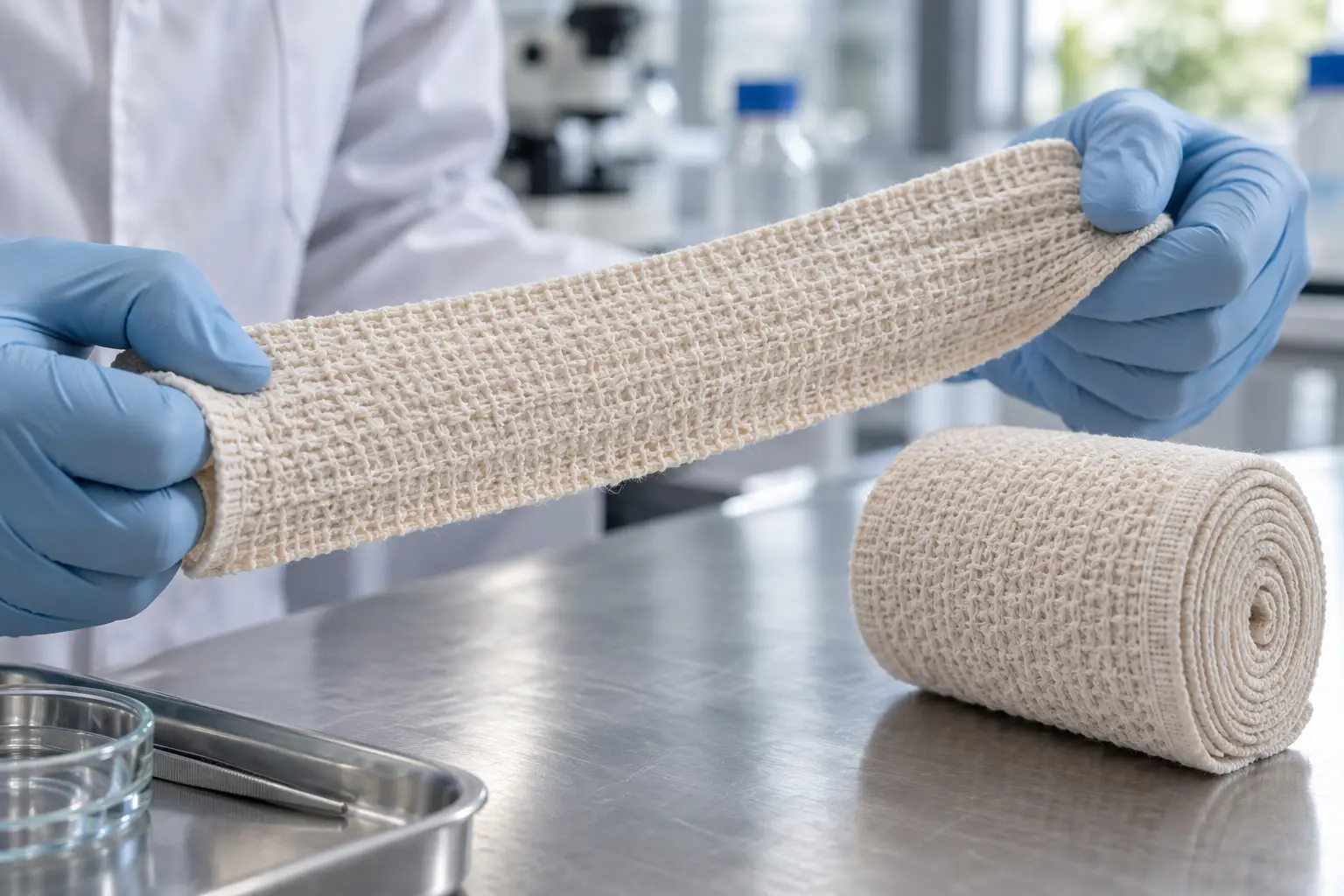
Heavy Duty Perforated Adhesive Plaster for Sports & Injury Support
Designed for durability, this heavy-duty perforated adhesive plaster provides rigid support for sports injuries and joint stabilization. High tensile strength keeps dressings in place during activity. The perforated design allows sweat evaporation. Essential for sports medicine suppliers.
Real Numbers and Why It Matters
Groups like the American Red Cross say prompt care for cuts and scrapes cuts infection risk big time. Breathable coverings help that happen by keeping things dry-ish but aired. Studies on wound healing show occluded (no air) spots slow things down compared to breathable ones.
Not saying perforated plaster is magic, but it supports better outcomes in real use. Kit packers tell me returns drop when they include better tape—users feel prepared instead of frustrated.
FAQ
Q: Is perforated plaster better than regular adhesive tape for first aid kits?
A: Yeah, in most cases. The holes let skin breathe, cut down on sweat buildup and irritation. Regular tape’s fine for quick fixes but can cause issues over longer wear. For kit packers, it’s a smart upgrade for customer satisfaction.
Q: How much perforated plaster should I put in each kit?
A: Depends on kit size. For standard workplace or home kits, one 1-inch x 5-yard roll does the trick. Bulkier kits for outdoors or industrial? Go for 2 rolls or longer ones. It doesn’t take much space but adds tons of value.
Q: Can perforated plaster be used for sensitive skin?
A: Most good ones are hypoallergenic. Ours at MediTapes is cotton-based and gentle. Always patch test if someone’s super sensitive, but it’s way kinder than old-school tapes.
Wrapping this up—when you’re assembling first aid kits, think about what actually gets used in messy real situations. Perforated plaster as that go-to emergency medical tape and bulk plaster rolls option? It punches above its weight.
If you’re looking to level up your kits with reliable supplies, swing by https://meditapes.com/ or hit up our contact page. Drop us a line at info@meditapes.com—we’d love to chat about custom options or quotes for your next batch.
What do you think—got a favorite tape hack for your kits? Always up for hearing what works on the ground.