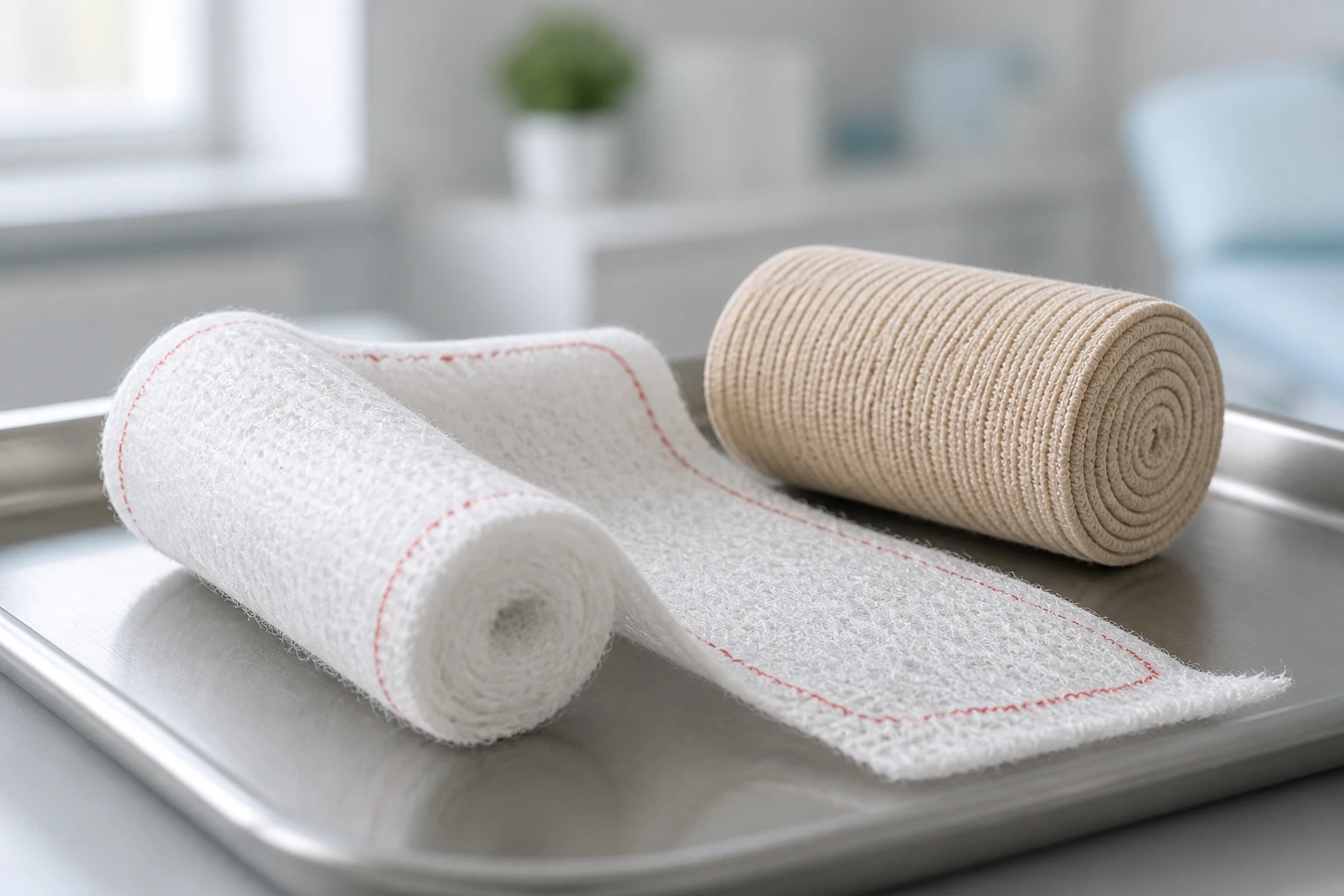
If you’ve ever worked in a busy public health clinic, you know how chaotic things can get. Patients coming in with all sorts of injuries, from minor cuts to sprains that need proper wrapping. And then there’s that one patient who swells up or gets itchy just from a simple bandage. Yeah, it’s usually the latex doing its thing. Over the years, we’ve seen more and more clinics ditching traditional latex options altogether. It’s not just a trend – it’s pretty much becoming the standard, especially when you’re dealing with diverse groups of people who might have hidden allergies.
Think about it: public health clinics serve everyone, right? Kids, elderly folks, people with chronic conditions. You can’t risk an allergic reaction on top of whatever brought them in. That’s where latex-free self-adhesive bandages come into play. They’re safer, more reliable, and honestly, just easier to work with in a high-volume setting.
At MediTapes, we’ve been supplying these kinds of products for years, and we’ve heard the stories firsthand from clinic managers who’ve made the switch. Fewer complaints, happier patients, and smoother operations. But let’s dive deeper into why this shift is happening now, and why it matters for places like yours.
The Growing Problem of Latex Allergies in Healthcare Settings
Latex allergies aren’t new, but they’re still a big deal. Back in the 80s and 90s, when everyone started wearing latex gloves like crazy to protect against infections, allergies shot up. Healthcare workers were hit hardest – some studies showed rates as high as 10-17% in those groups.
In the general population, it’s lower, around 1-6% potentially sensitized, according to sources like the Anaphylaxis UK and various reviews from the National Institutes of Health. But even at 1%, in a busy clinic seeing hundreds of patients a week, that’s a lot of risk. And for kids with conditions like spina bifida, who have multiple surgeries, sensitization can climb way higher.
Symptoms can be mild – itchy skin, hives – or scary bad, like trouble breathing or anaphylaxis. In a clinic, the last thing you need is someone going into shock from a bandage you just applied.
The good news? Many facilities have cut down on latex use, and prevalence has dropped in some places thanks to better gloves and awareness. But in public health settings, where budgets are tight and patient volumes high, you still see latex hanging around in older stock. Time to change that.

Compression Cohesive Bandage – Post-Op Edema Control Self Wrap
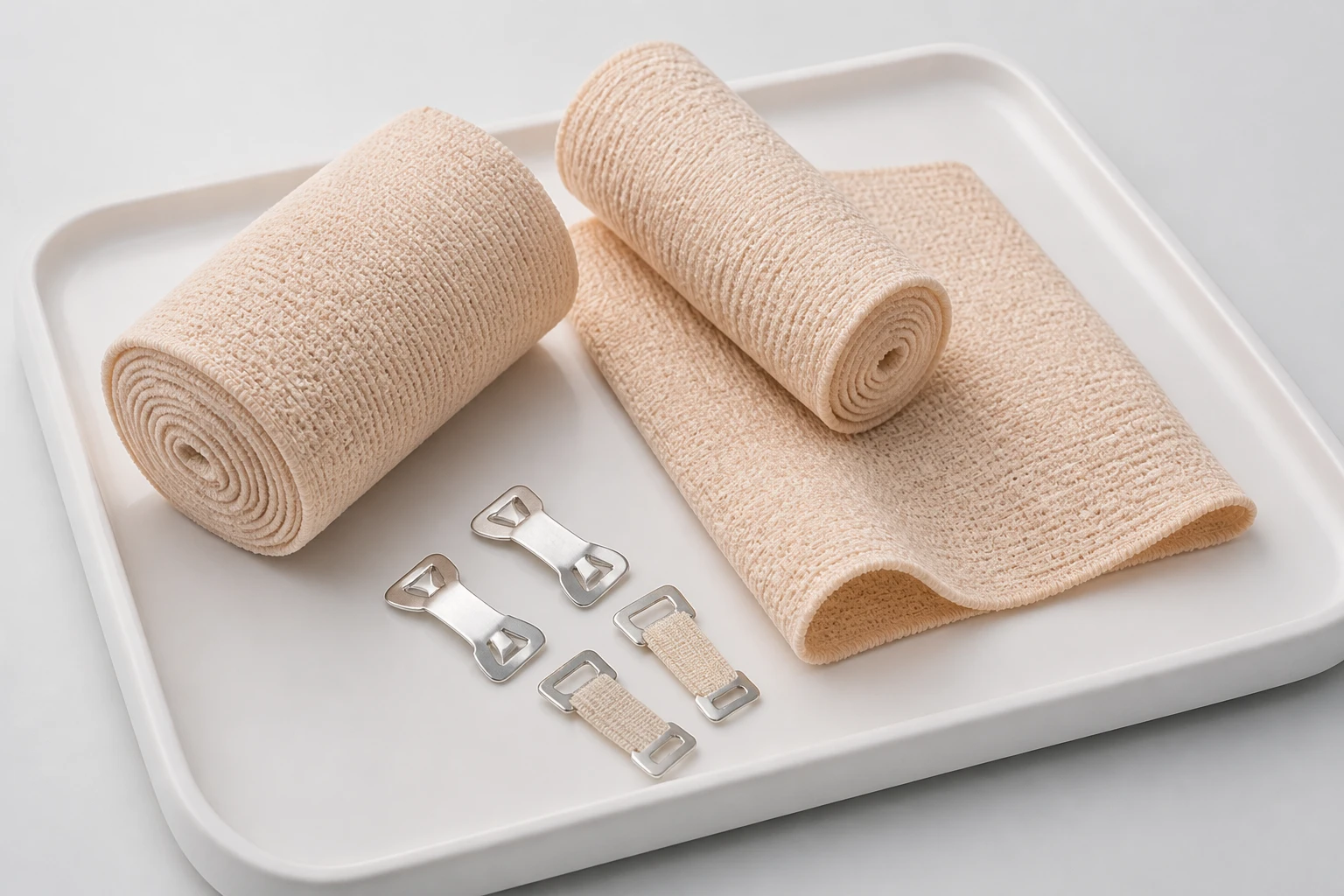
Effective Compression Cohesive Bandage for managing swelling. Ideally suited for post-op edema control, this self wrap provides consistent pressure without cutting off circulation. Lightweight non-woven material ensures patient compliance. A trusted cohesive bandage for recovery.
What Regulations Say About Latex in Medical Products
No one’s outright banning latex in the US or EU yet, but the rules make it clear: you gotta manage the risks.
In the US, the FDA requires specific labeling on anything containing natural rubber latex. It has to say something like “This product contains natural rubber latex which may cause allergic reactions in some individuals.” They also guide on how to label stuff that’s truly latex-free: “Not made with natural rubber latex.”
Over in the EU, under the Medical Device Regulation (MDR 2017/745), manufacturers have to assess risks, including allergens, and label accordingly. Gloves and bandages fall under this, and there’s big emphasis on patient safety. Many European hospitals have gone “latex-safe” voluntarily because of these guidelines.
For public health clinics, especially those getting government funding or serving international patients, meeting these compliance standards isn’t optional. It’s about avoiding lawsuits, sure, but mostly about doing right by patients. Switching to latex-free options just makes sense for mandatory anti-allergy requirements in both markets.
Why Go Latex-Free? The Real Benefits for Clinics
Okay, so allergies are the main driver, but there’s more to it.
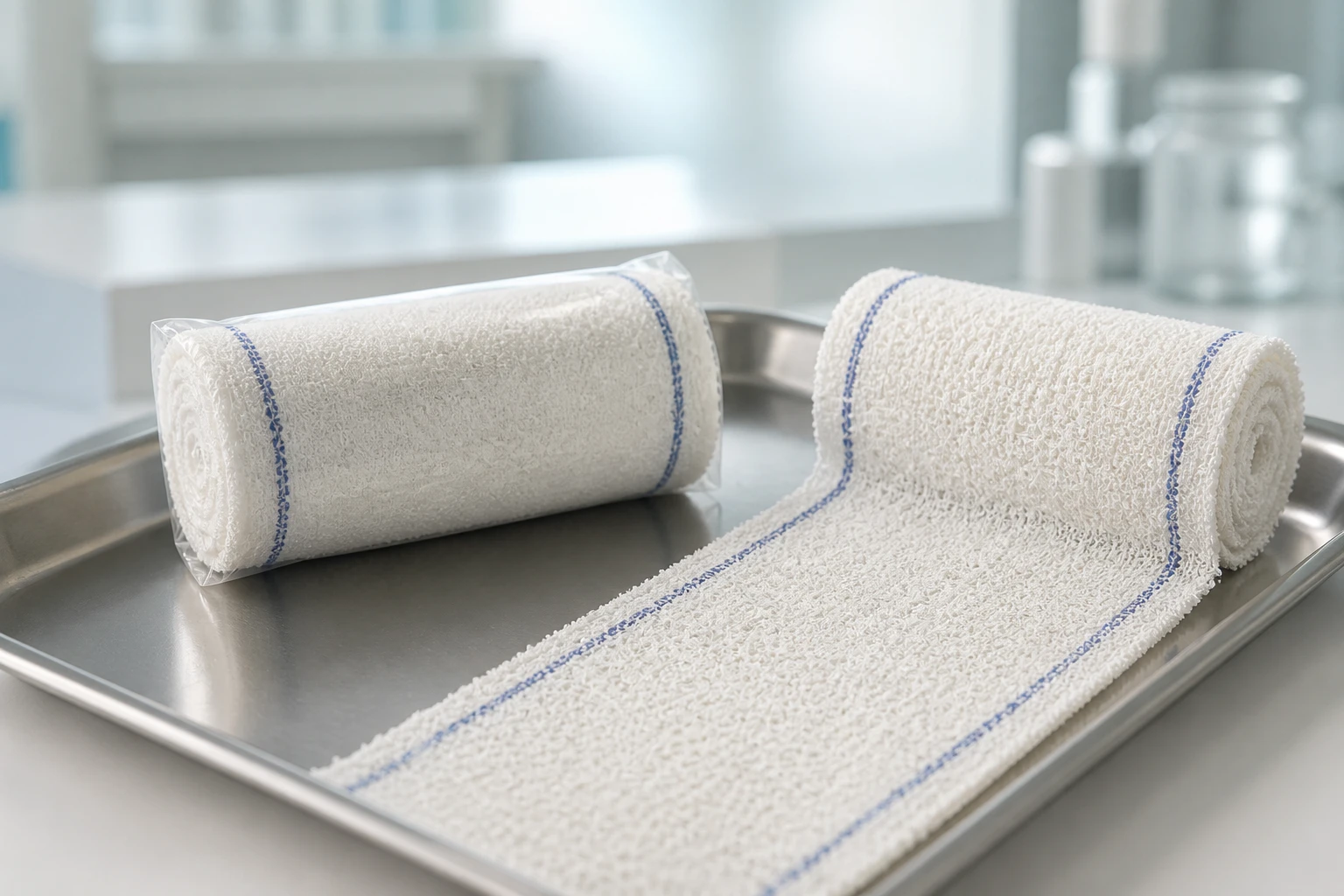
Latex-free cohesive bandages – you know, the ones that stick to themselves but not to skin or hair – are game-changers. They’re made from materials like synthetic rubber or non-woven fabrics, so no natural latex proteins to trigger reactions.
Here are some standout perks:
- Hypoallergenic and gentler on skin: No irritation, even for sensitive folks or long wear times.
- Better breathability: Non-woven self-adhesive tapes let skin breathe, reducing maceration under wraps.
- Easy application and removal: Tears by hand, no scissors needed, and comes off without pulling hair or damaging skin.
- Strong hold with flexibility: Great for compression on swollen limbs or securing dressings without slipping.
- Versatile sizes and colors: From tan for discreet to fun colors for kids who need a little cheer.
In clinic settings, nurses love how quick they are. Wrap a sprained ankle, secure an IV dressing, or hold a splint – done in seconds.
And for hospital procurement teams? Bulk buying latex-free means fewer returns or complaints, and it aligns with modern safety protocols.
A Quick Comparison: Latex vs. Latex-Free Options
To make it clearer, here’s a table breaking down the differences. We’ve pulled this from common feedback and product specs we’ve seen over time.
| Feature | Traditional Latex Bandages | Latex-Free Cohesive Bandage (e.g., Non-Woven) |
|---|---|---|
| Allergy Risk | High (1-17% depending on exposure) | None from latex proteins |
| Adhesion | Sticks to skin, hair, everything | Sticks only to itself |
| Breathability | Moderate | High (non-woven materials allow air flow) |
| Ease of Removal | Can be painful, leaves residue | Gentle, no residue |
| Durability | Good elasticity | Excellent hold, flexible |
| Cost (bulk procurement) | Often cheaper initially | Competitive, savings from fewer issues |
| Compliance Fit | Needs warning labels | Clean labeling, meets US/EU allergy standards |
You can see why the latex-free side wins for most clinics these days.
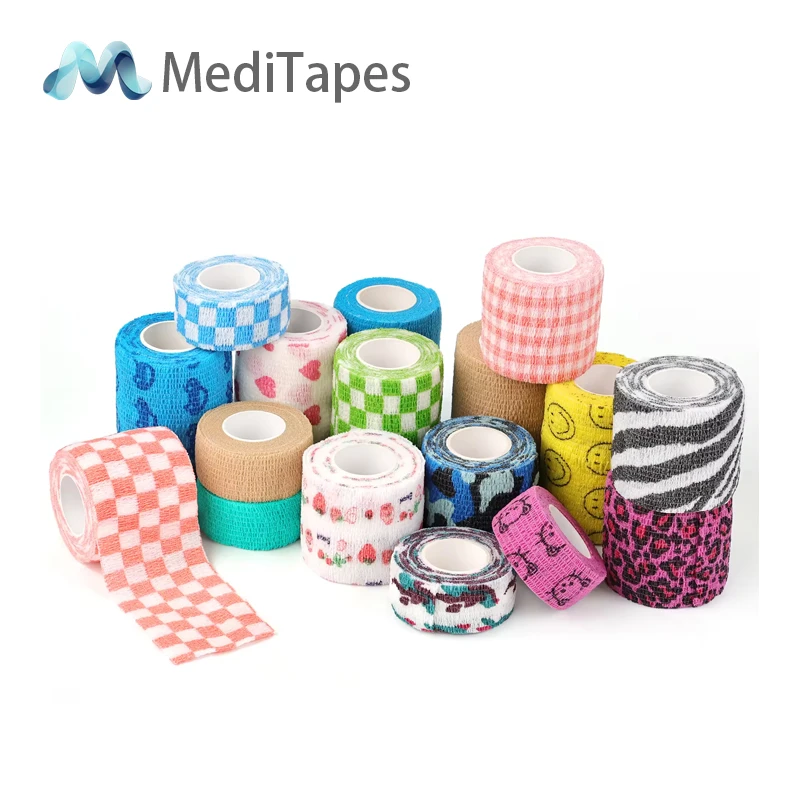
Kids Printed Cohesive Bandage – Colorful Self Sticking Medical Tape
Make first aid fun with Kids Printed Cohesive Bandage. This colorful self-sticking medical tape features smiley faces and hearts to reduce pediatric anxiety. Gentle on sensitive skin and latex-free options available. A must-have printed cohesive wrap for pediatric wards and school nurses.
How Latex-Free Self-Adhesive Bandages Fit Into Daily Clinic Work
Picture a typical day: A mom brings in her kid with a scraped knee. You clean it, apply dressing, and wrap with a latex-free cohesive bandage. Kid doesn’t fuss because it doesn’t hurt coming off later.
Or an older patient with venous issues needing compression. The wrap stays put during their whole visit, no clips falling off.
We’ve heard from one mid-sized clinic in the Midwest – they switched fully a couple years back after a few bad reactions. Allergy incidents dropped to zero, and staff saved time not dealing with complaints.
Another example, over in Europe, a network of public clinics updated their procurement specs to require latex-free for all tapes and wraps. They cited easier compliance audits and better patient satisfaction scores.
These aren’t rare stories. With more focus on inclusive care, latex-free is just practical.
Non-Woven Self-Adhesive Tapes: A Closer Look
Part of what makes modern latex-free options great is the materials. Non-woven self-adhesive tapes are popular because they’re soft, porous, and hold adhesive evenly.
Advantages include:
- Less likely to trap moisture
- Conform to tricky body parts like elbows or knees
- Often waterproof or resistant for longer wear
In hospital procurement, these are stocked heavily because they’re multi-use – fixation, support, even light compression.
At MediTapes, our versions are designed with clinics in mind: reliable adhesion that lasts but removes cleanly.
Tips for Hospital Procurement: Making the Switch Smooth
If you’re handling buying for a clinic, here’s what we’ve learned helps:
- Check current stock – identify anything with latex and phase it out.
- Look for suppliers with clear “not made with natural rubber latex” labeling.
- Consider bulk deals on versatile products like cohesive wraps in multiple widths.
- Train staff on new options – it’s usually quick, since they’re user-friendly.
- Track feedback post-switch – you’ll likely see positives fast.
Budget-wise, initial costs might be similar or slightly higher, but long-term, you save on avoided incidents.
Real-World Applications and Success Stories
We’ve worked with clinics big and small. One urban public health center serving a lot of immigrant families told us switching to latex-free cohesive bandages cut their allergy reports by over 80%. Patients felt safer, and word spread – more trust in the clinic.
Another case: A rural setup dealing with lots of farm injuries. They needed tough, reliable wraps that wouldn’t irritate skin already roughed up. Our non-woven options fit perfectly, and procurement loved the consistent quality.
These switches aren’t complicated, but they make a real difference in patient comfort and clinic efficiency.
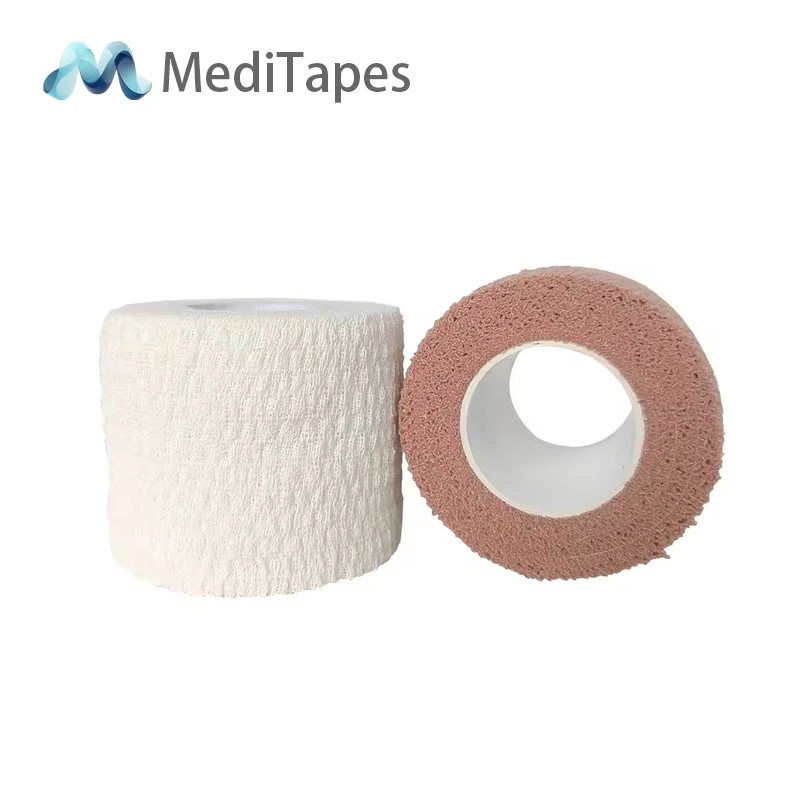
Elastic Cotton Cohesive Bandage – Sports Tape for Ankle & Wrist Support
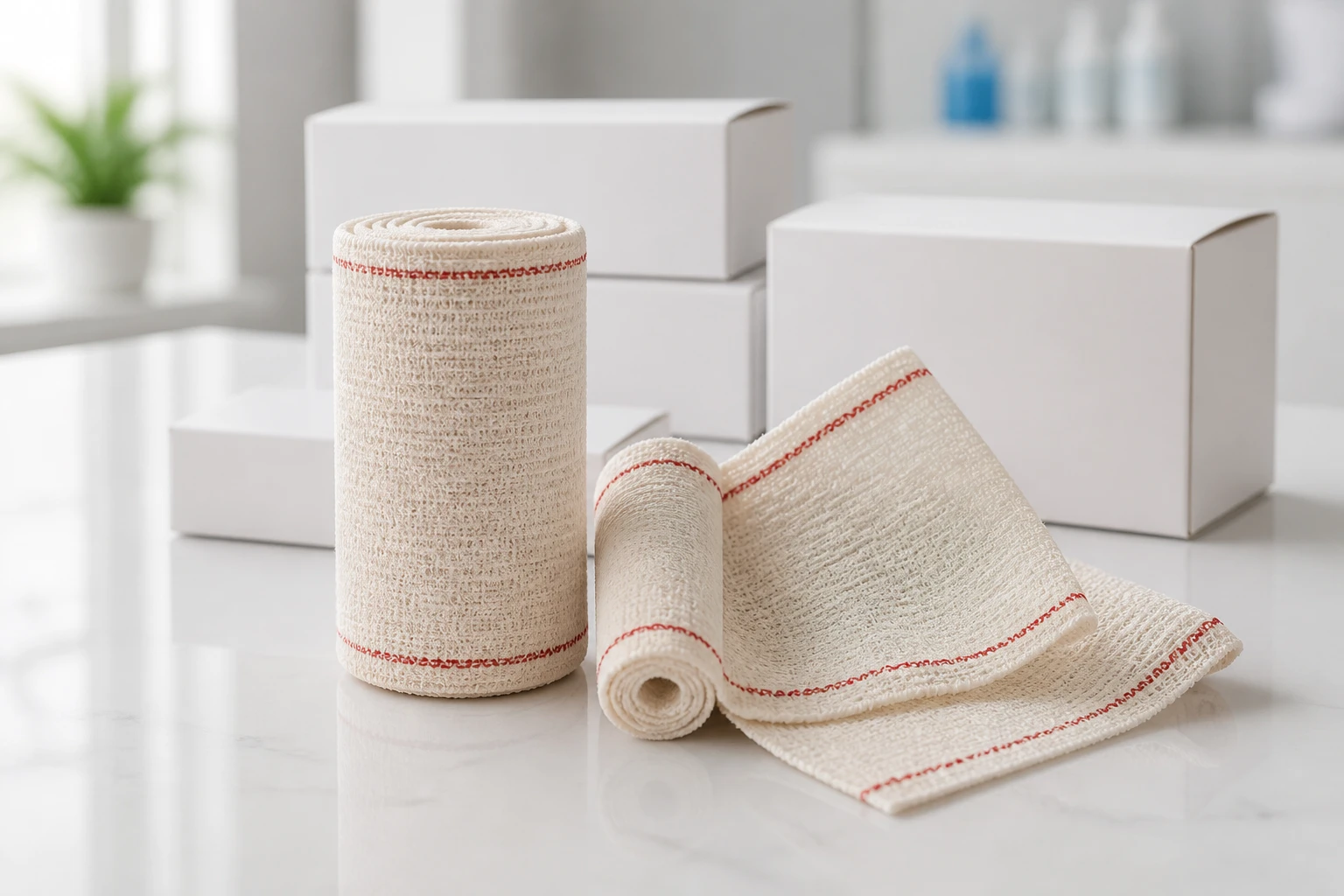
Enhance athletic recovery with our Elastic Cotton Cohesive Bandage. This lightweight sports tape provides firm support for ankles and wrists without restricting movement. Water-resistant and sweat-proof, this cohesive bandage stays in place during intense activity. Perfect for gym kits and sports teams.
Frequently Asked Questions
What exactly is a latex-free cohesive bandage?
It’s a wrap that sticks to itself (not skin) for secure hold without clips or tape. Made without natural latex, so safe for allergy-prone folks. Perfect for compression, support, or holding dressings.
Do all public health clinics need to go latex-free?
Not legally required everywhere, but highly recommended for safety and compliance. In US and EU, managing allergen risks is key, and many have policies favoring latex-free to protect patients and staff.
How do I know if a product is truly latex-free?
Look for labeling like “Not made with natural rubber latex.” Reputable suppliers like MediTapes provide clear specs and certifications.
Are latex-free options more expensive?
Sometimes a bit upfront, but they pay off with fewer issues and better patient outcomes.
Can these be used for compression therapy?
Absolutely – many latex-free cohesive bandages provide graduated compression, great for edema or varicose veins in clinic settings.
Wrapping It Up: Time to Upgrade Your Clinic’s Standards
Latex-free self-adhesive bandages aren’t just nice-to-have anymore. With allergy awareness growing, stricter compliance needs, and better materials available, they’re the smart choice for public health clinics.
If you’re ready to make your procurement safer and more patient-friendly, check out our range at MediTapes. We’ve got high-quality latex-free cohesive bandages that clinics rely on daily.
Got questions or need a quote tailored to your volume? Drop us a line at info@meditapes.com or head over to our contact page. We’d love to chat about how we can support your team.
Making the switch is easier than you think, and your patients will thank you.