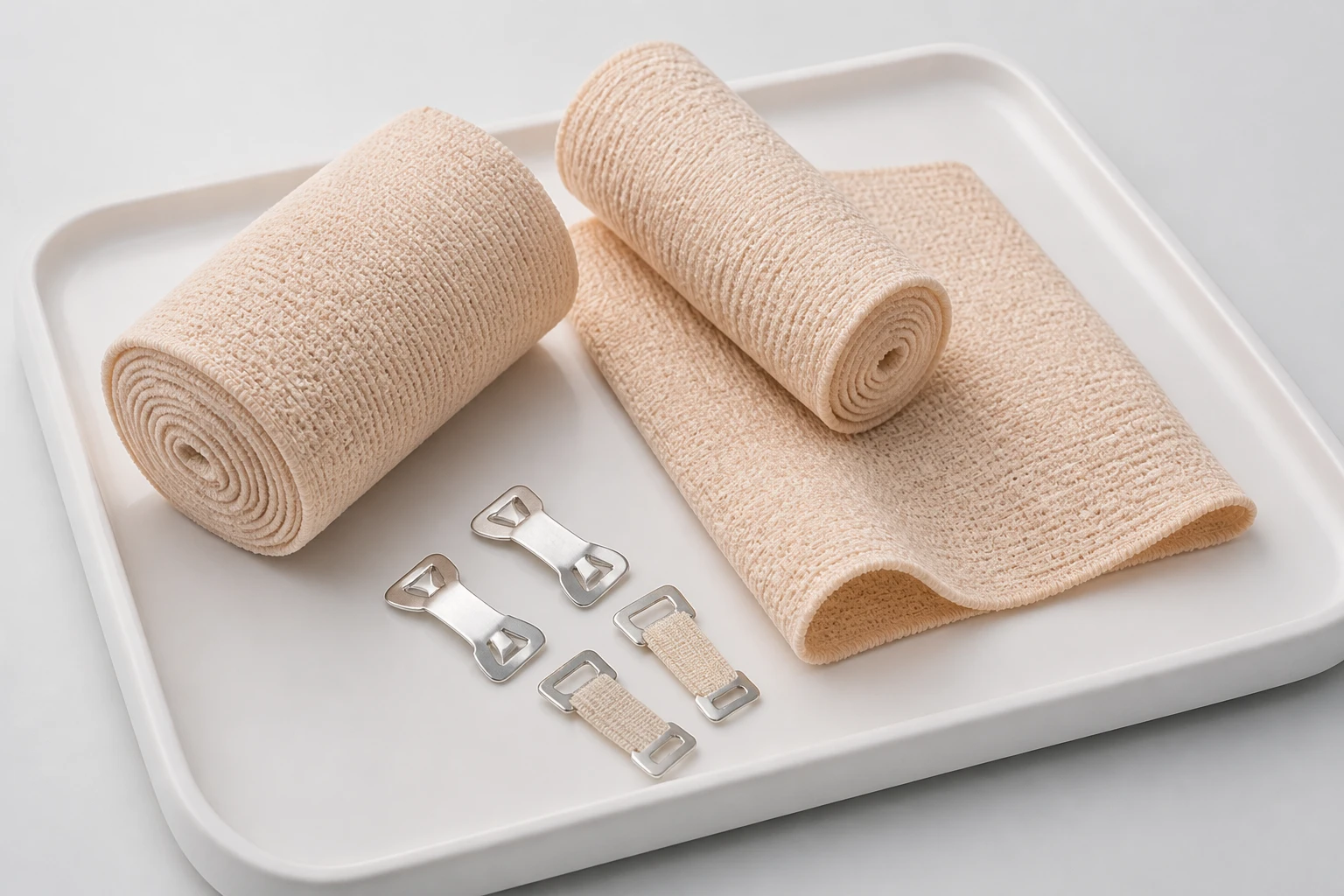
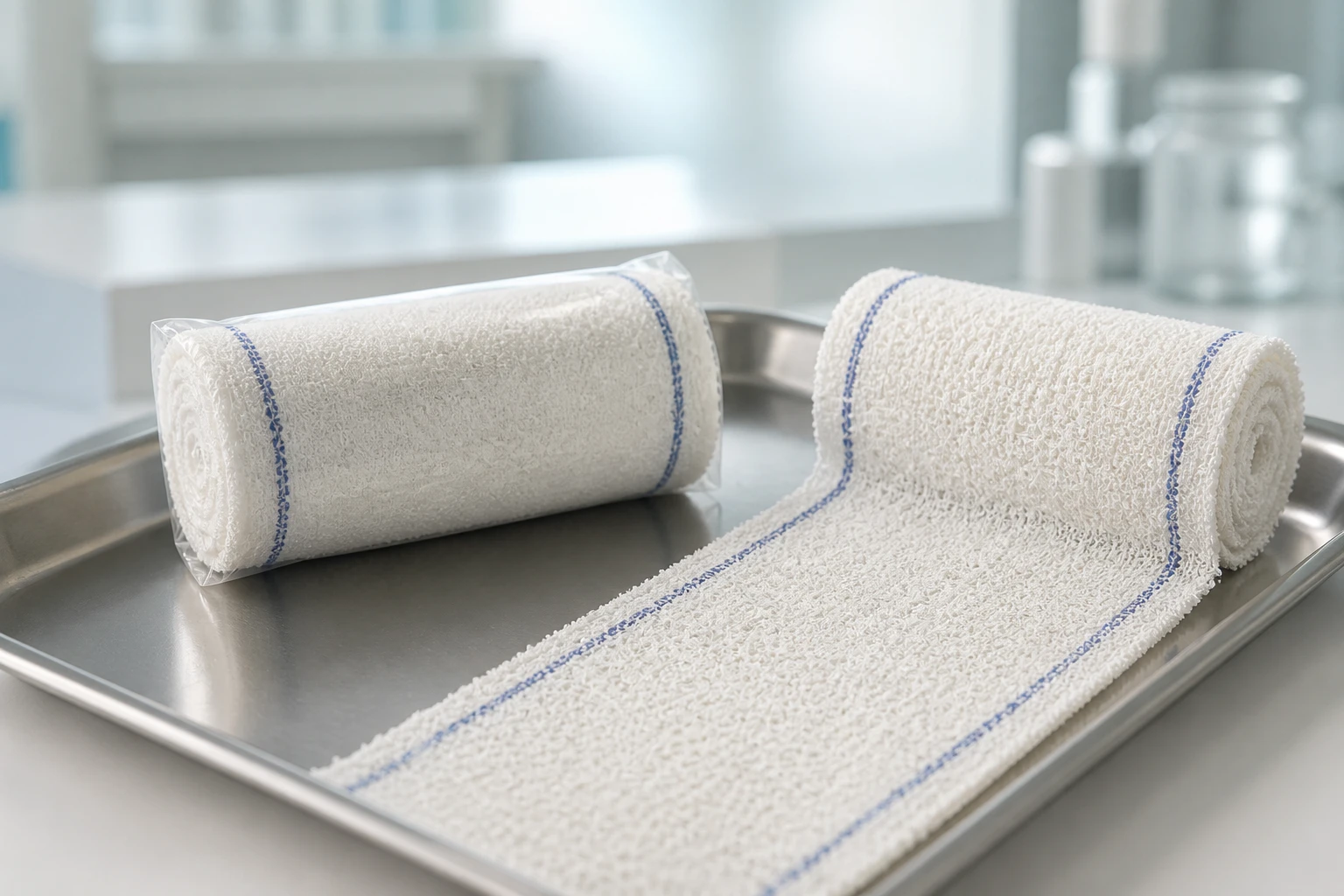
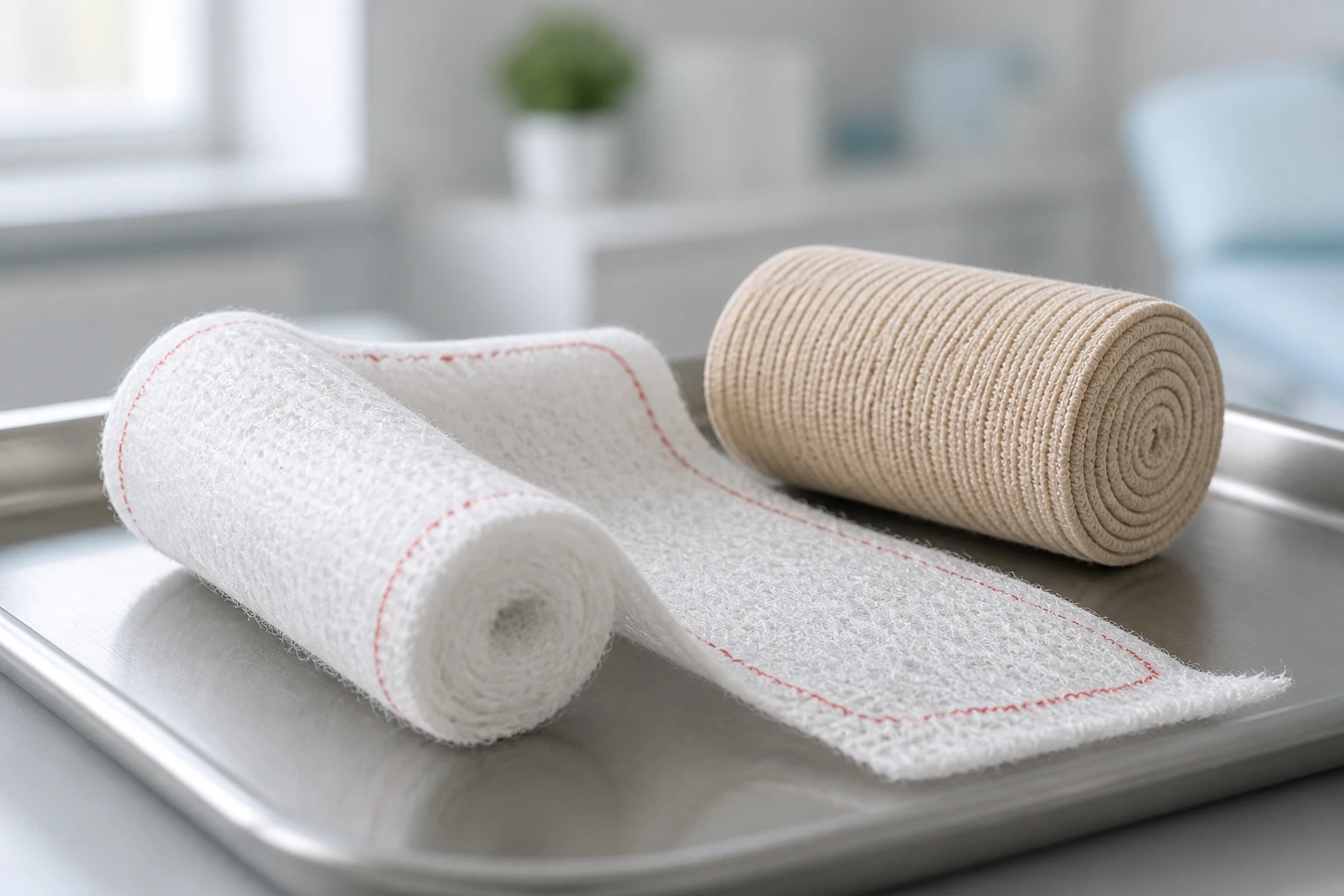
If you’ve ever dealt with a banged-up knee or a sore elbow that needs some support but you still gotta move around, you know how annoying stiff bandages can be. They hold everything in place, sure, but they make you feel like you’re wrapped in cardboard. That’s where elastic foam tape really shines – it gives you that gentle hold while letting your joints bend and twist like normal.
I’ve seen this firsthand over years working with all kinds of tapes in medical settings. People come in needing something reliable for joints, whether it’s post-surgery, a sprain, or just daily wear and tear. Elastic foam tape, also called flexible medical tape or orthopedic tape, stretches with you instead of fighting against your movements.
Let’s break this down a bit, no fancy jargon, just straight talk about why the stretch in these tapes matters so much for keeping your joints happy and mobile.
What Makes Elastic Foam Tape Different From Regular Stuff?
Picture this: regular medical tape is like paper – sticks great but doesn’t give at all. Then there’s kinesiology tape, that colorful stretchy stuff athletes love, which is super thin and mimics skin elasticity. But elastic foam tape? It’s got this thick, cushy foam layer that stretches in every direction.
From what manufacturers like Solventum (they took over from 3M for a lot of these products) describe, their microfoam-style tapes offer multi-directional stretch. That means it expands when your joint swells a little or when you bend it, then snaps back gently without losing grip.
It’s hypoallergenic too, so no itchy reactions for most folks with sensitive skin. Water-resistant in many cases, which is handy if you’re sweating or get caught in the rain. And the foam part adds padding – like a little pillow between your skin and whatever dressing it’s holding.
Flexible medical tape like this is often used in orthopedic settings because it conforms to tricky spots like elbows, knees, or ankles without bunching up.
Why Elasticity Is a Game-Changer for Joint Mobility
Joints aren’t meant to stay still. Your knee bends thousands of times a day, your shoulder rotates when you reach for stuff. If the tape restricting those movements is too rigid, you end up compensating – walking funny, holding your arm weird – and that can lead to more problems down the line.
With good elastic foam tape, the stretch allows natural range of motion. Studies on elastic therapeutic tapes (similar principles) have shown improvements in joint range – one review in the Journal of Orthopaedic & Sports Physical Therapy looked at elastic vs. rigid taping and found elastic options helped reduce pain while maintaining mobility better.
In real terms, the foam’s closed-cell structure (that’s the bubbly part inside) lets it stretch up to accommodate swelling without cutting off circulation. We’ve noticed this a ton at MediTapes – customers tell us their knees feel supported during walks but not locked up.
Orthopedic tape needs that balance: enough hold to secure bandages or provide light compression, but flexible enough you don’t feel trapped.
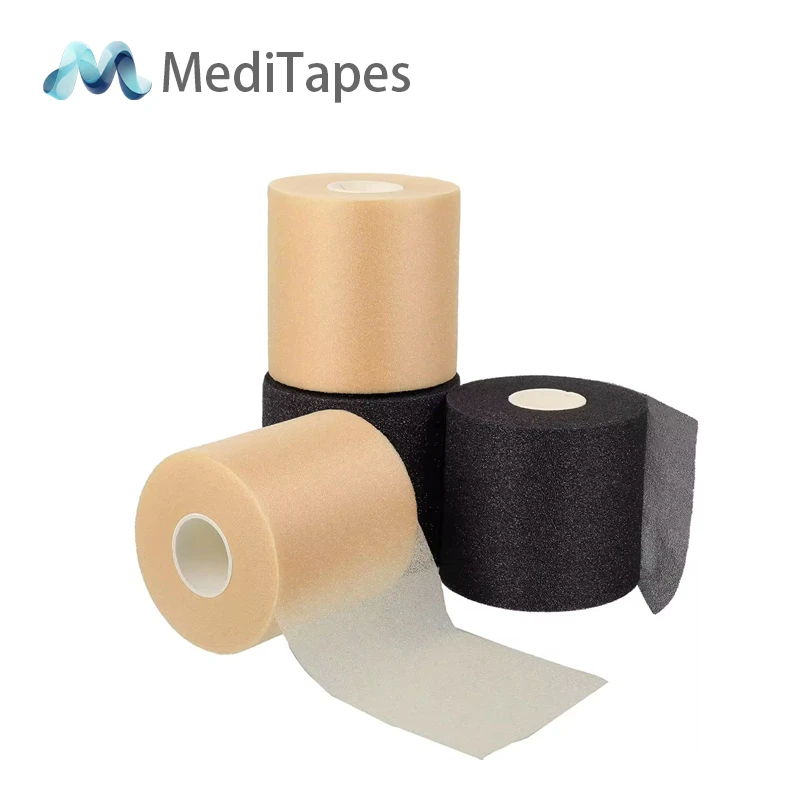
Hypoallergenic Micro-Foam Surgical Tape – Breathable & Latex-Free
This Hypoallergenic Micro-Foam Surgical Tape is designed for sensitive skin. The breathable, latex-free material prevents maceration while providing strong adhesion. As a premium surgical foam tape, it conforms easily to body contours, making it essential for long-term clinical wear.
Quick Comparison: How Elastic Foam Tape Stacks Up
Here’s a simple table to show the differences – based on common specs from medical suppliers and user feedback:
| Tape Type | Elasticity Level | Cushioning | Hypoallergenic | Best For Joint Mobility? | Typical Use Case |
|---|---|---|---|---|---|
| Standard Paper Tape | Low (no stretch) | None | Varies | No – restricts movement | Basic dressing securement |
| Kinesiology Tape | High (140% stretch) | Minimal | Usually yes | Yes – supports muscles | Sports recovery, pain relief |
| Rigid Athletic Tape | None | Low | Sometimes | No – limits range | Ankle stabilization |
| Elastic Foam Tape | Multi-directional medium-high | High | Yes | Yes – conforms & cushions | Joint wrapping, post-op padding |
Elastic foam tape hits that sweet spot for folks wanting padding plus movement.
The Real Benefits You’ve Probably Been Looking For
So what do you actually get from using this stuff on your joints?
First off, unrestricted movement. You can wrap your elbow and still type, drive, or whatever without that tight pull. The stretch handles bending – one user review I remember mentioned wrapping a swollen ankle and still being able to hike short trails comfortably.
Second, cushioning. That foam layer absorbs shock. If you’re on your feet a lot or recovering from something, it feels like a soft barrier against rubbing.
Third, gentle on skin. Hypoallergenic formulas mean less irritation, especially if you’re wearing it for days. Many versions are latex-free too.
Fourth, secure hold even when moving. It sticks through sweat and motion better than you’d think, thanks to the acrylic adhesives commonly used.
And for orthopedic tape needs, it provides mild compression that can help with minor swelling without squeezing too hard.
Over at MediTapes, we’ve heard from runners, nurses on long shifts, even folks with arthritis – they say the flexibility lets them stay active longer.
How the Stretch Actually Works in Everyday Situations
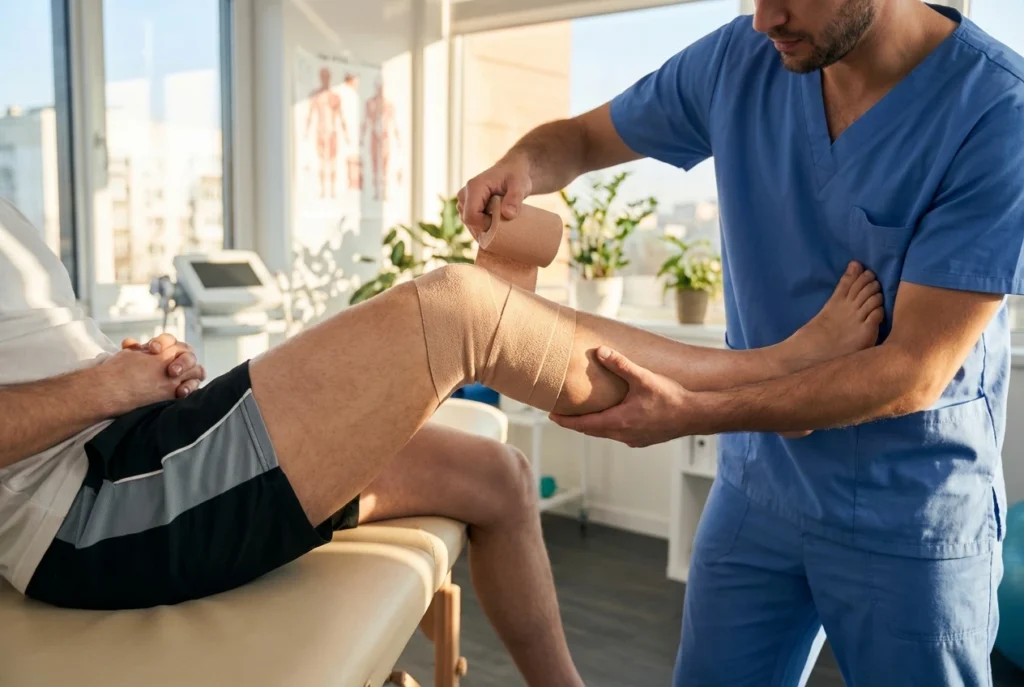
Think about a knee joint. When you walk, it flexes and extends constantly. Rigid tape might hold a bandage but creates pressure points when you bend. Elastic foam tape stretches with the skin and underlying tissues, distributing force evenly.
In swelling scenarios – say after a twist – the multi-directional give accommodates the extra volume without digging in. Manufacturer specs note this helps promote comfort during healing.
One scenario we’ve seen a bunch: post-surgery on shoulders. Patients need dressings secured but have to do gentle range-of-motion exercises. Regular tape pulls or loosens; elastic versions stay put while allowing those crucial movements.
Another common one – tennis elbow. Wrap it lightly with flexible medical tape for support during daily tasks, and the elasticity prevents that “too tight” feeling that makes you baby the arm.
Some Anonymous Stories From Real Users
Don’t just take my word – here’s a few situations we’ve heard about (keeping names out, of course):
A weekend basketball player sprained his ankle bad. Used our hypoallergenic micro-foam surgical tape to hold ice packs and compression. Said he could still hobble around the house and even light walks after a couple days, because the stretch didn’t lock his ankle stiff.
An older lady with knee arthritis wrapped it daily for extra support during gardening. The cushioning reduced that bone-on-bone ache, and she could kneel without the tape shifting or hurting.
A nurse on 12-hour shifts used it under scrubs on sore wrists from repetitive motions. Stayed on through handwashing, and the flexibility meant no loss of dexterity for patient care.
These aren’t rare – lots of feedback points to the elasticity being the key for staying mobile.
Tips for Applying Elastic Foam Tape the Right Way
Application matters a ton for getting that full benefit.
Clean and dry the skin first – obvious but easy to skip.
Cut lengths that overlap a bit for security.
Apply with light tension – don’t yank it super tight, let the natural stretch do the work.
For joints, start below the area and wrap upwards, smoothing as you go to avoid wrinkles.
If swelling’s involved, check periodically – the tape should give but not loosen completely.
Remove gently with warm water or adhesive remover if needed – pulls less on sensitive skin.
We’ve got more detailed guides over on meditapes.com, worth checking if you’re new to this.
Choosing Quality Elastic Foam Tape – What to Look For
Not all tapes are equal. Go for ones with proven multi-directional stretch, closed-cell foam for durability, and confirmed hypoallergenic adhesives.
Width matters too – wider for bigger joints like knees, narrower for fingers or elbows.
At MediTapes, our hypoallergenic micro-foam version checks all those boxes. It’s designed specifically for tricky areas, stretches smoothly, and users rave about the comfort.
If you’re searching for reliable orthopedic tape that won’t hold you back, give our elastic foam tape a try.
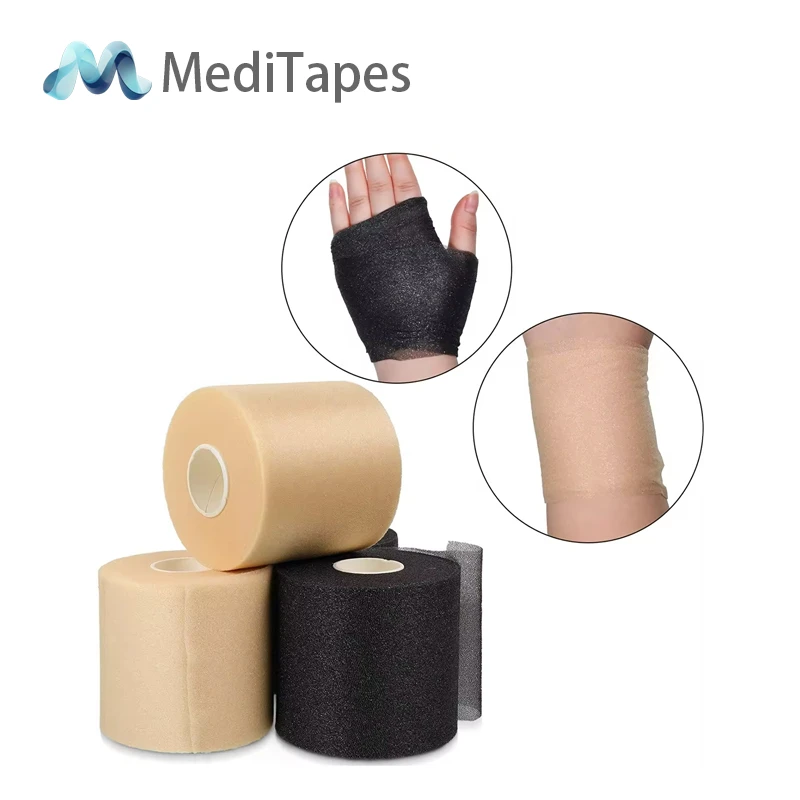
Heavy Duty Surgical Foam Tape Roll – Compression & Secure Fixation
Engineered for high compression, our Heavy Duty Surgical Foam Tape ensures secure fixation for post-surgical dressings. This durable surgical foam tape roll stretches to reduce swelling and edema. A reliable solution for hospitals needing robust dressing retention on mobile areas.
Frequently Asked Questions About Elastic Foam Tape and Joints
Does elastic foam tape restrict movement like regular bandages?
Nope, that’s the beauty of it. The stretch lets your joint move naturally while providing support and hold. Many folks say it feels almost invisible once on.
How long can I wear elastic foam tape on a joint?
Depends on the situation, but often 3-5 days comfortably. Check for skin irritation and change if it gets dirty or loose. Showering’s usually fine since many are water-resistant.
Is flexible medical tape the same as kinesiology tape for joints?
Similar idea with elasticity, but foam tape adds more cushioning and padding. Kinesio is thinner for muscle support; foam’s better when you need that extra softness around joints.
Can orthopedic tape like this help with arthritis pain?
It can provide gentle compression and stability, which helps some people move easier and reduce ache. Not a cure, but a solid tool alongside other management.
What’s the best way to remove it without hurting my skin?
Go slow, pull parallel to skin, maybe use some oil or warm water to loosen adhesive. Our versions come off cleaner than most.
If any of this sounds like what you’ve been needing for your joints – that perfect mix of support without the stiffness – reach out. Drop us a line at info@meditapes.com or head to our contact page for quotes, samples, or just questions.
We at MediTapes love helping people stay moving comfortably. Let’s chat about what might work best for you.