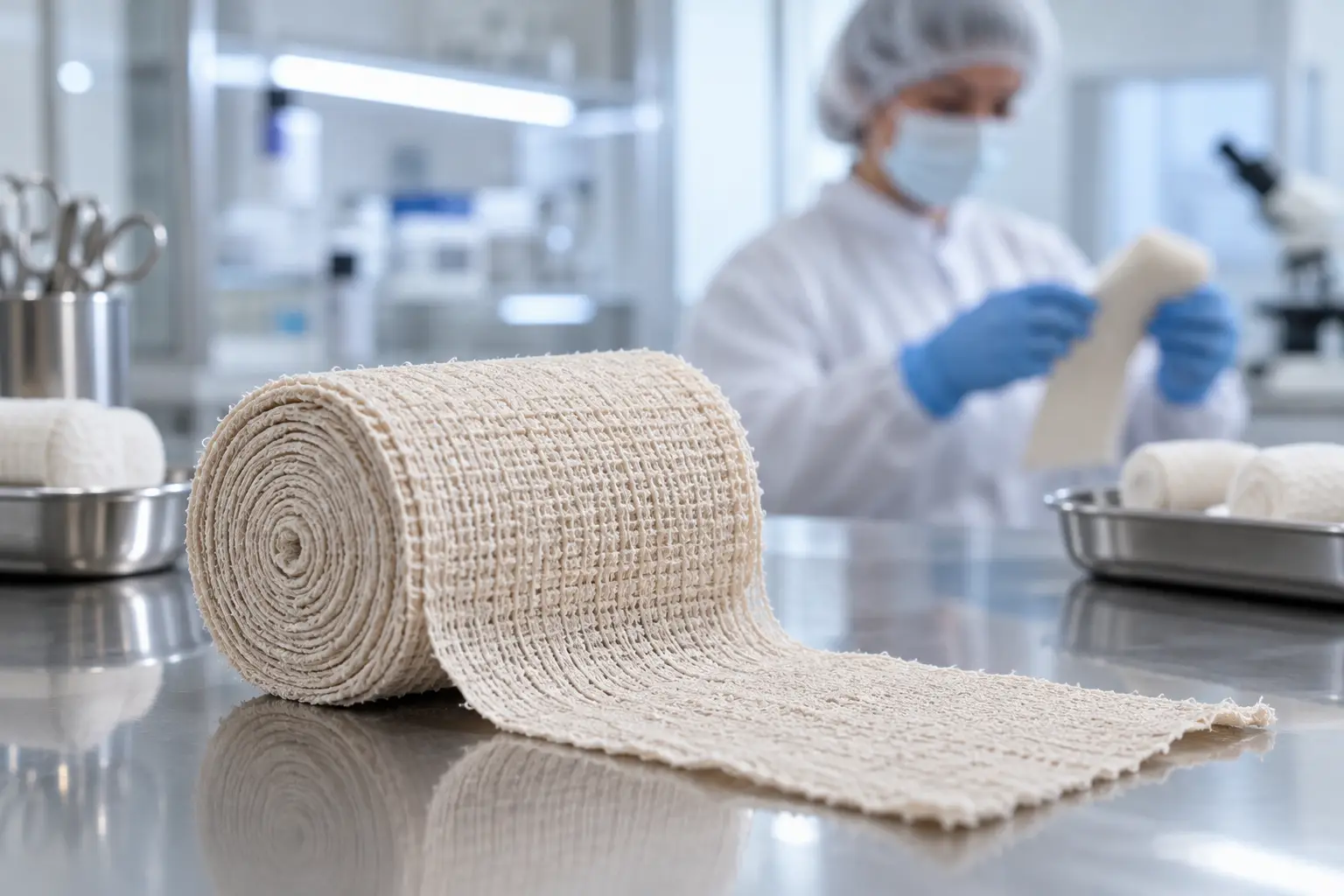
If you’re a distributor in the medical supplies world, you’ve probably fielded questions about tapes a hundred times. Customers want something that sticks well but doesn’t wreck the skin when it comes off. That’s where the debate between non-woven silicone gel tape and traditional acrylic tape comes in. I’ve been around this stuff for years, helping folks pick the right options for their clients, and let me tell ya, understanding the silicone vs acrylic tape differences can really set you apart when pitching to hospitals, clinics, or even home care providers.
Traditional acrylic tapes have been the go-to forever – they’re tough, cheap, and hold like crazy. But with more focus on patient comfort these days, especially for folks with sensitive skin, silicone gel tapes are gaining ground fast. Non-woven versions add that extra breathability and softness, making them a standout. In this guide, we’ll break it down so you can explain the medical tape comparison clearly to your downstream customers and position higher-value products like our waterproof non-woven silicone gel tape as the smarter choice.
What Makes These Tapes Different Anyway?
Let’s start with the basics. Both types are used for securing dressings, tubes, or devices, but the adhesive is where the real story is.
Traditional acrylic tapes use acrylate-based glues. They’re strong right from the start and build even more hold over time as they warm up and flow into skin crevices. Great for heavy-duty stuff, but that strong grip can mean pain on removal, residue left behind, or even skin tears – especially on fragile patients.
Non-woven silicone gel tapes, on the other hand, use a soft silicone adhesive on a breathable non-woven backing. The silicone is tacky but gentle; it fills gaps quickly without building aggressive adhesion. You can reposition it without losing stickiness, and it peels off easy with minimal trauma.
Here’s a quick side-by-side in a table to make the gentle skin tape difference clearer:
| Feature | Traditional Acrylic Tape | Non-woven Silicone Gel Tape |
|---|---|---|
| Adhesion Strength | High initial tack, builds over time | Moderate, consistent, repositionable |
| Removal | Can cause pain, stripping, or residue | Gentle, atraumatic, no residue |
| Skin Trauma Risk | Higher, especially on repeated use | Lower, ideal for sensitive or fragile skin |
| Breathability | Varies, but often less than non-woven | High due to non-woven backing |
| Cost | Generally lower | Higher, but premium value for patient outcomes |
| Best For | Secure fixation where movement is minimal | Frequent changes, sensitive skin, long wear |
Data from clinical studies backs this up. For instance, a study published in the Annals of Anesthesia and Critical Care found that silicone tapes caused significantly less skin injury compared to standard acrylate tapes in at-risk patients – zero cases of denudation with silicone versus several with acrylic (source: PMC4921133). Another comparison on healthy volunteers showed silicone adhesives were less disruptive to the skin barrier, with no increase in transepidermal water loss (TEWL) unlike acrylates (source: PMC11027027).
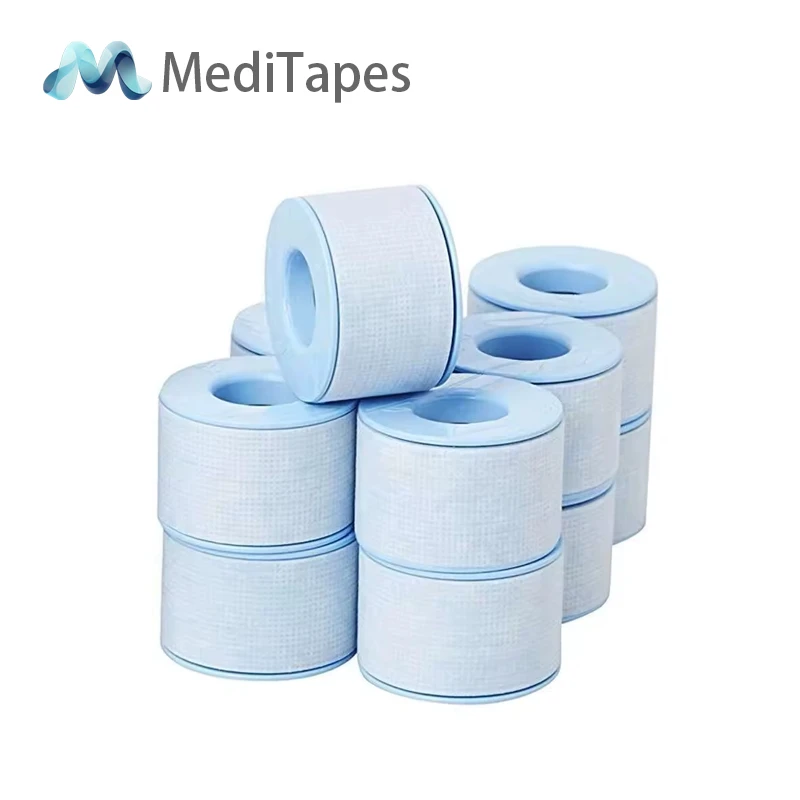
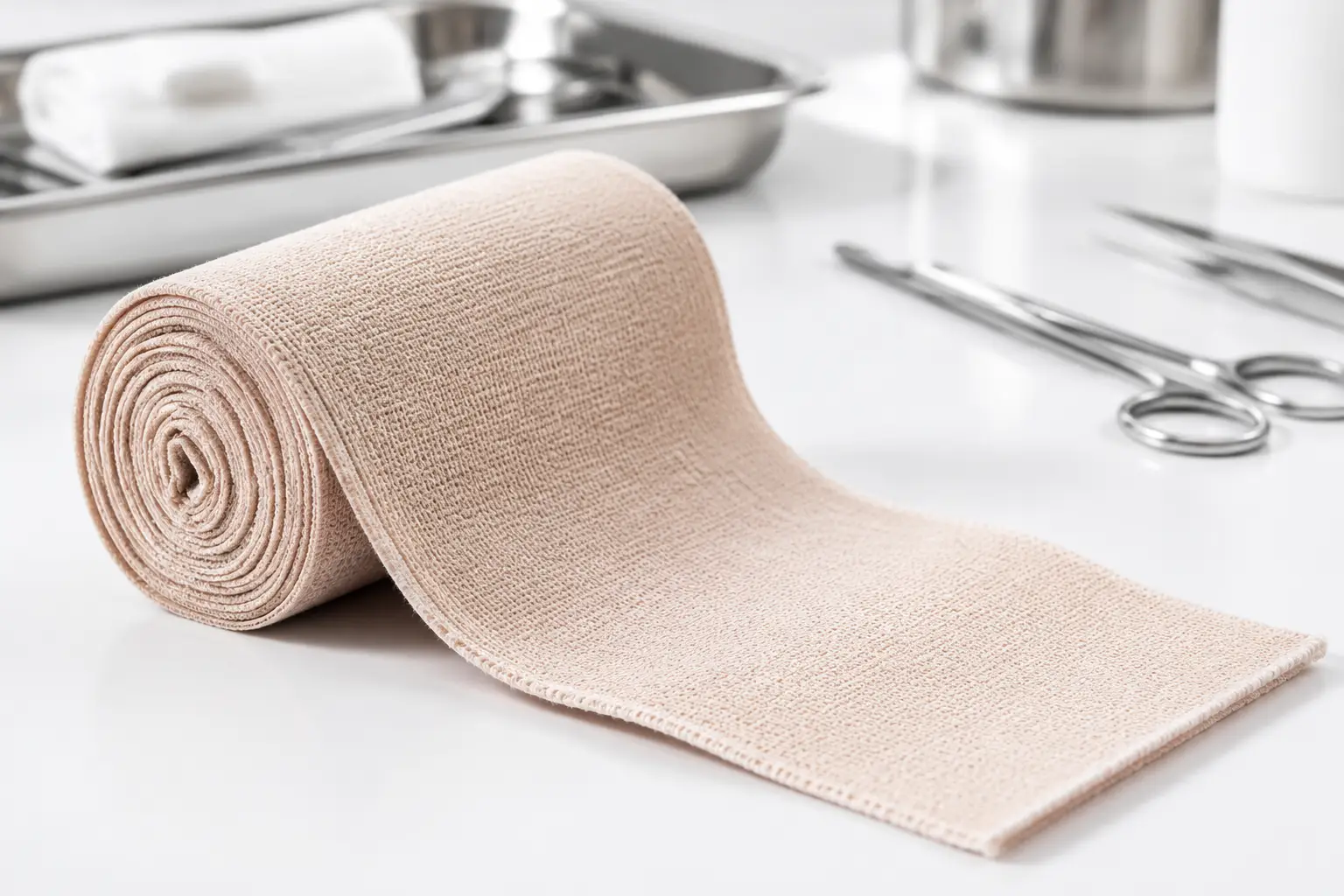
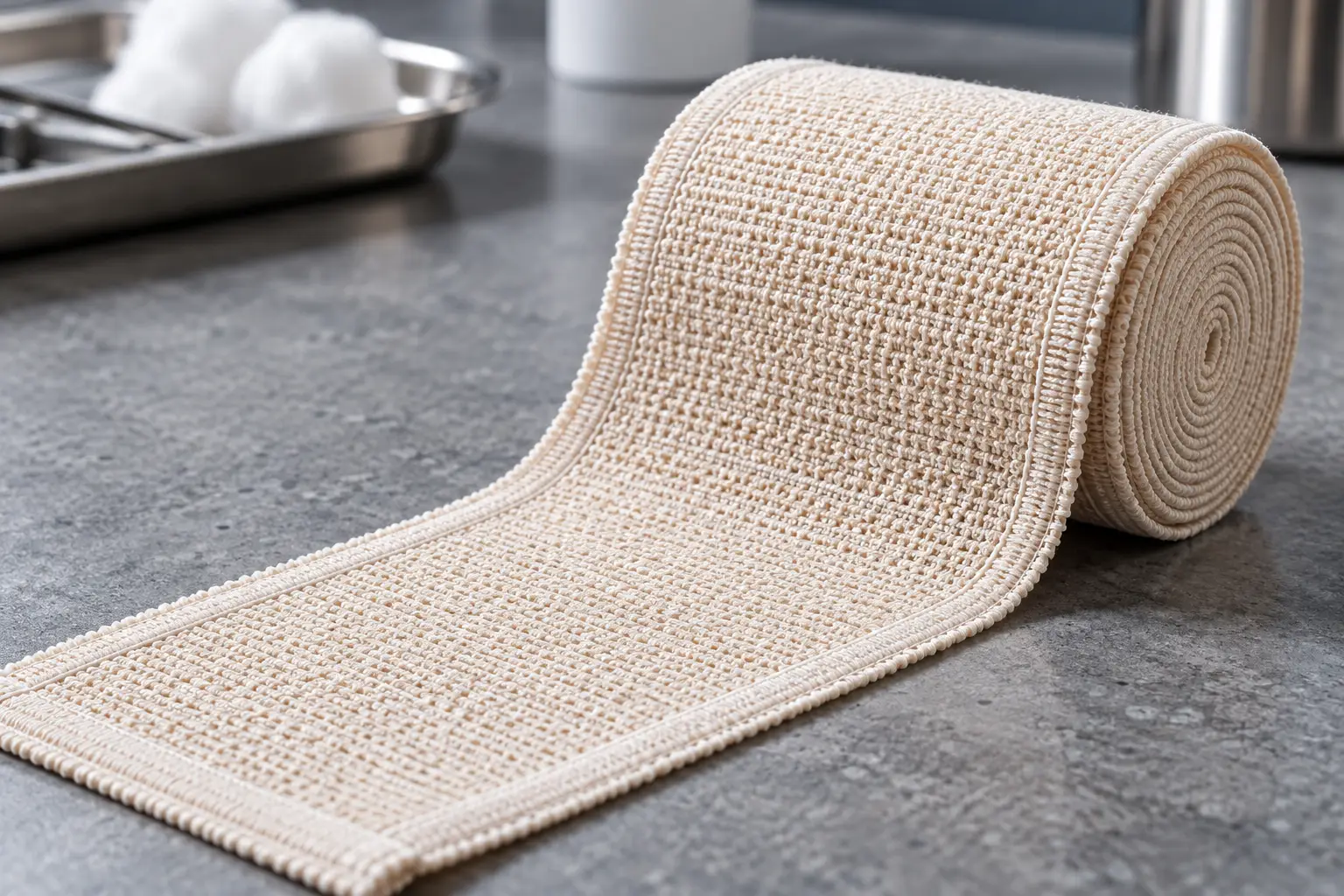
Waterproof Non-woven Silicone Gel Tape for Scar Management & Protection
Beyond fixation, this Non-woven Silicone Gel Tape aids in scar management by maintaining an optimal moisture balance. The waterproof barrier protects wounds from external contaminants. Trust this silicone tape for post-surgical care, offering a gentle, repositionable solution that promotes faster healing.
Why Distributors Are Switching to Silicone Options
As a distributor, your clients – nurses, wound care specialists, procurement folks – are dealing with real patient feedback. Nobody wants complaints about painful dressing changes or irritated skin. That’s why pushing non-woven silicone gel tape makes sense for upselling.
I’ve seen it firsthand (without naming names, of course). One clinic I worked with switched to silicone for their elderly patients. Before, they had issues with acrylic tapes leaving sticky goo that needed solvents to clean – a hassle and risk for infection. After trying a non-woven silicone version, removals were painless, no residue, and patients were happier. Repeat orders went up because staff recommended it more.
In pediatric or oncology settings, where skin is super delicate and dressings change often, the gentle skin tape difference is huge. Silicone allows repositioning without losing adhesion, which saves time and product waste.
Plus, non-woven backings add comfort – they’re soft, conformable, and let skin breathe, reducing maceration risks.
Diving Deeper into Silicone vs Acrylic Tape Performance
Let’s get a bit more specific on the silicone vs acrylic tape matchup.
Adhesion and Wear Time
Acrylic shines for long-term securement on stable areas. It bonds strong and stays put, even under moisture sometimes.
Silicone? It’s designed for gentleness but still holds well – up to 7 days in some hi-tack versions. The key is it doesn’t over-bond; adhesion stays consistent rather than ramping up.
Removal and Skin Health
This is the big one. Acrylic can strip epidermis or cause MARSI (medical adhesive-related skin injury). Studies show acrylates increase TEWL, disrupting the barrier.
Silicone removes clean, with low peel force correlation to damage. In one trial, evaluators preferred silicone for gentleness and low residue (over 90% overall preference in fragile skin cases).
Cost vs Value
Yeah, silicone costs more upfront. But think long-term: fewer complications mean less treatment for injuries, happier patients, and loyalty to your premium line.
Real-World Applications and Case Insights
Picture this: A home health agency dealing with diabetic patients who need frequent monitoring devices. Acrylic tape worked okay but caused irritation around edges after a few days. Switching to a waterproof non-woven silicone gel tape fixed that – devices stayed secure, skin stayed intact, and the agency cut down on extra visits for skin issues.
Or in a busy hospital ward: Nurses loved how silicone tape could be lifted and readjusted for IV lines without starting over. Less waste, quicker changes.
We’ve had similar feedback on our products at MediTapes. Distributors tell us our waterproof non-woven silicone gel tape stands out for its balance of hold and kindness – perfect for pitching as a step up from basic acrylics.
When to Recommend Each Type
Not every situation calls for silicone. Here’s a rough guide:
- Go acrylic for: Budget-conscious bulk buys, non-sensitive skin, short-term high-security needs.
- Push silicone (especially non-woven) for: Neonates, geriatrics, chronic wounds, repeated applications, premium care lines.
Mixing both in your catalog lets you cover all bases while guiding clients toward higher-margin silicone for the right cases.
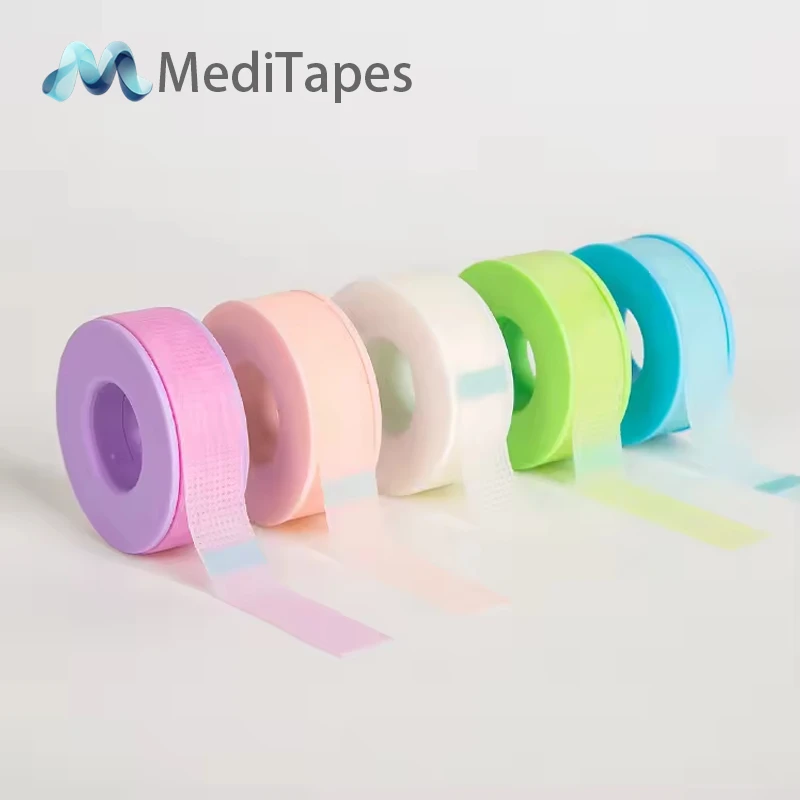
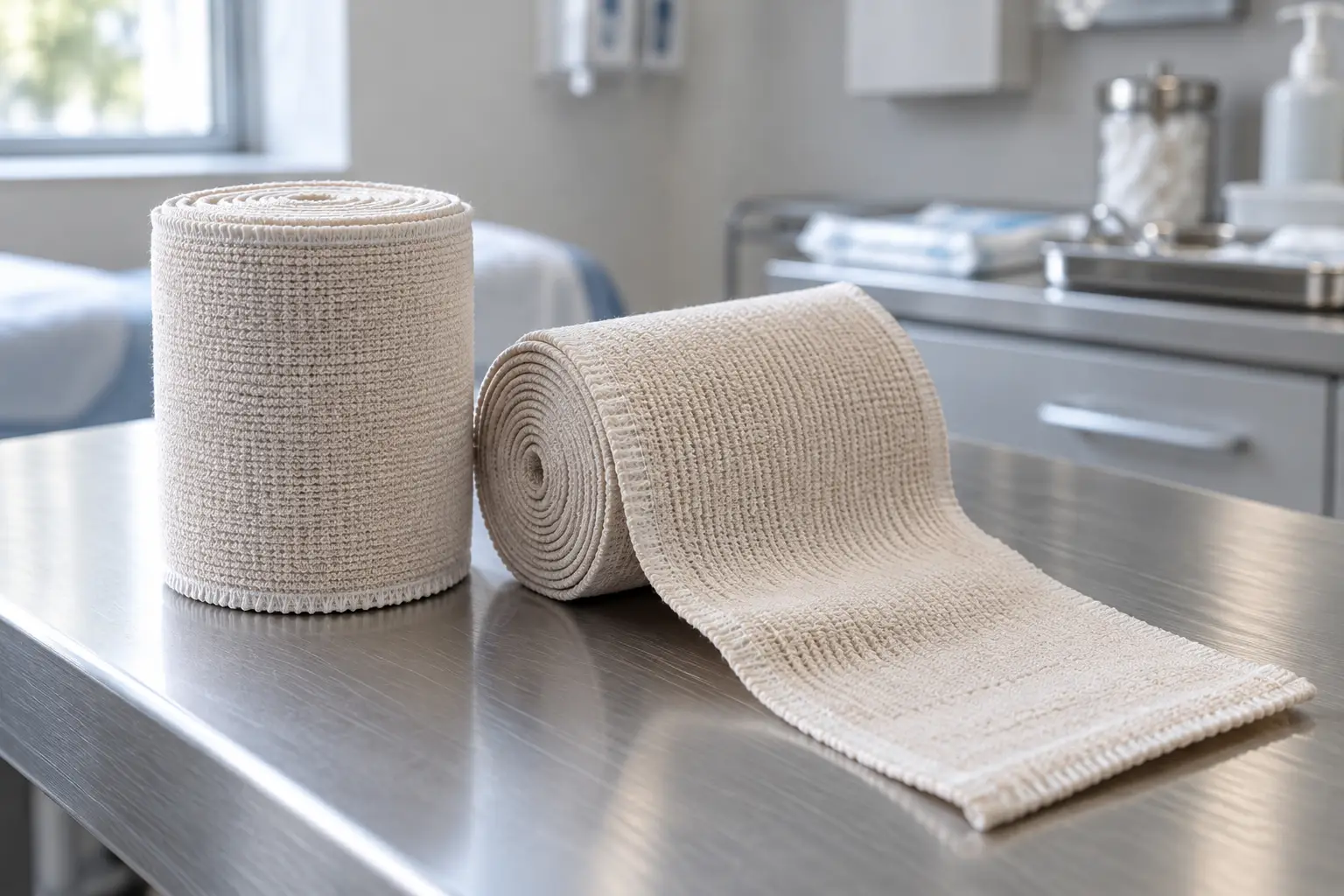
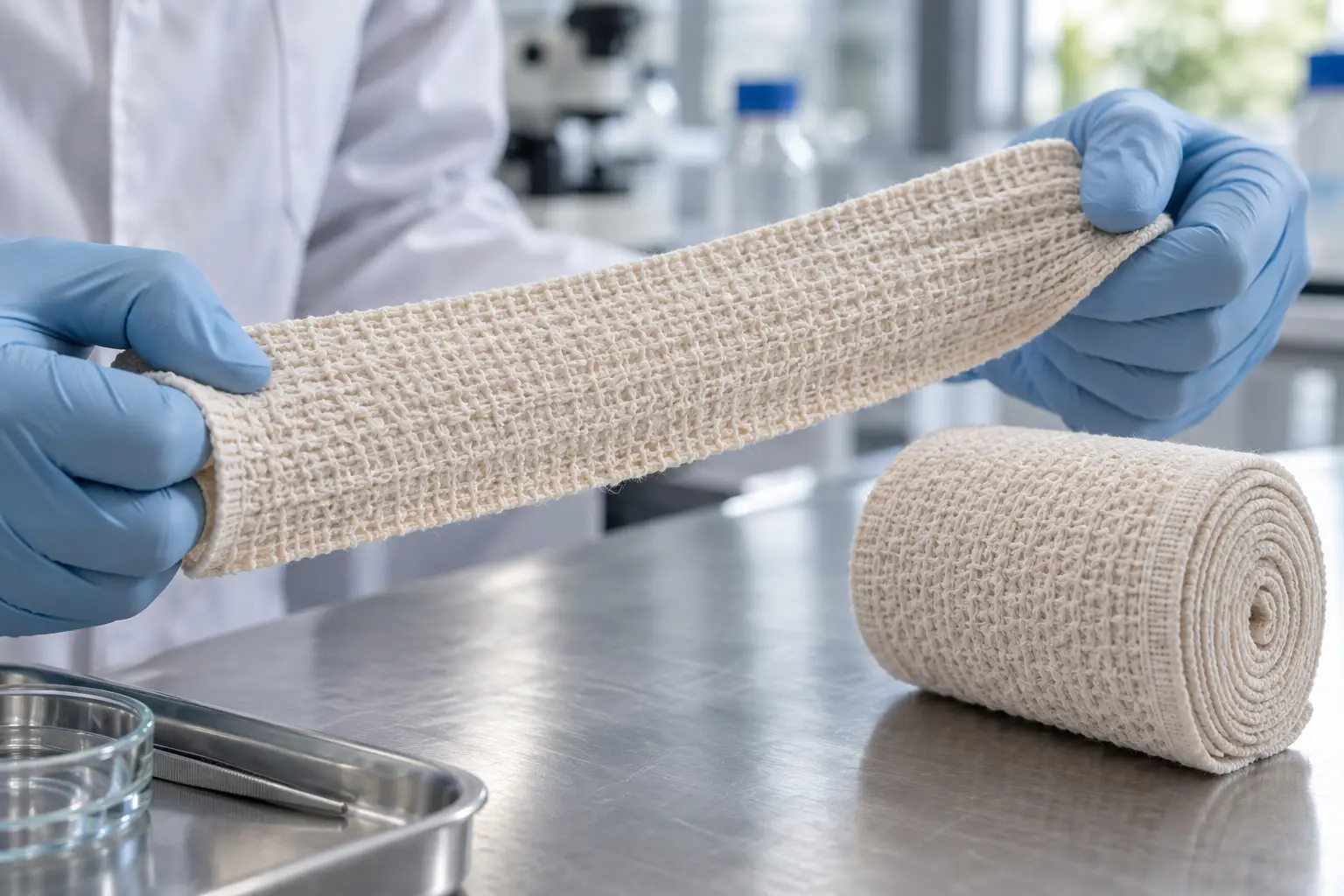
Perforated Non-woven Silicone Tape – Easy Tear & High Breathability
This perforated Non-woven Silicone Tape allows for easy tearing without scissors, streamlining clinical workflows. The porous structure ensures high breathability, keeping the wound site dry. Using premium silicone gel technology, it offers reliable fixation for IV lines and gauze with zero skin irritation.
Making the Sale: Highlighting the Gentle Skin Tape Difference
When talking to your customers, keep it simple: “Your patients will thank you for less pain on changes, and you’ll see fewer callbacks for skin problems.” Back it with those study refs – shows you’re informed.
Offer samples of something like our MediTapes silicone options. Let them feel the difference themselves.
Wrapping It Up: Why This Matters for Your Business
Understanding non-woven silicone gel tape vs. traditional acrylic tape isn’t just tech talk – it’s about offering solutions that improve care and boost your sales of higher-value items. As patient-centered approaches grow, gentle options like silicone are the future.
Ready to stock up or learn more? Check out our full range at https://meditapes.com/. Got questions or need a quote? Drop us a line at info@meditapes.com or head to our contact page. We’d love to chat about how MediTapes can support your distribution needs.
Frequently Asked Questions (FAQ)
What’s the main difference in silicone vs acrylic tape for medical use?
Silicone is gentler, repositionable, and causes less skin trauma or residue. Acrylic is stronger and cheaper but can be harsher on removal. It’s all about balancing hold with patient comfort.
Is non-woven silicone gel tape better for sensitive skin?
Absolutely. The non-woven backing breathes well, and silicone adhesive minimizes irritation. Studies show it disrupts the skin barrier less than acrylic, making it ideal for fragile or at-risk patients.
How long does silicone tape typically last compared to acrylic?
Both can last days, but silicone often holds consistently up to a week without over-bonding. Acrylic might build too much adhesion, making removal tougher. Depends on the specific product and application.
Can I reposition silicone tape without it losing stickiness?
Yeah, that’s one of its best features. Unlike acrylic, which might not readhere well, silicone lets you lift and reposition multiple times – great for adjustments in clinical settings.