Scars can be a real pain, not just physically but emotionally too. I’ve dealt with plenty of folks over the years who’ve had surgery, burns, or just bad luck with injuries, and they’re always wondering if that raised, red mark will ever fade. One thing that keeps coming up is silicone tape – yeah, it’s pricier than some basic creams or nothing at all, but does it actually deliver in the long run? Let’s break this down honestly, based on what I’ve seen firsthand and what the research says.
I remember this one guy who came in after a pretty nasty car accident. His arm had a long surgical scar that was turning thick and itchy. He tried cheap over-the-counter stuff first, but it didn’t do much. Then he switched to quality silicone tape, and after a couple months, the difference was night and day – flatter, less red, and he wasn’t scratching it all the time. Stories like that aren’t rare; they’ve stuck with me because silicone really seems to work when you stick with it.
What Exactly is Silicone Tape and How Does It Work?
Silicone tape, or silicone gel tape as some call it, is basically a soft, sticky strip made from medical-grade silicone. You cut it to fit your scar, slap it on, and leave it for hours – often 12 to 24 a day. It’s reusable if you take care of it, which is a big plus.
The magic happens because silicone creates this gentle barrier that keeps the scar hydrated without letting too much water escape. Scars hate being too dry or too moist; silicone gets it just right, kinda mimicking healthy skin. It also puts a bit of pressure on the area, which helps stop excess collagen from building up – that’s what makes scars raised and bumpy.
Studies back this up big time. Silicone has been the go-to for scar management for over 30 years now. Clinical trials show it reduces thickness, redness, and even pain in hypertrophic and keloid scars. One review from the National Institutes of Health notes that silicone gel products are considered the gold standard because they normalize the skin barrier and prevent abnormal scarring. Another study found improvements in scar color and height after consistent use.
I’ve used it on my own minor cuts back in the day, and yeah, it sped things up. No fancy claims here – it just works better than leaving it alone.
Breaking Down the Silicone Tape Cost
Okay, let’s talk money, because that’s usually the sticking point. A good roll of silicone tape might set you back $20 to $50, depending on the brand and size. For example, reusable rolls that last weeks can be around $25-35. That’s more than a tube of vitamin E cream or some onion extract gel, which might be $10-15.
But here’s the thing: those cheaper options often don’t have the same level of evidence. Silicone tape cost feels higher upfront, but since it’s reusable – wash it gently with mild soap, air dry, and stick it back on – one roll can cover months of treatment.
| Treatment Option | Average Initial Cost | Duration/Reusability | Estimated Cost for 3-6 Months Use |
|---|---|---|---|
| Basic scar creams (e.g., vitamin E or mederma-like) | $10-20 per tube | Single tube lasts 1-2 months | $30-60 |
| Over-the-counter gels | $15-30 | Needs frequent reapplication | $50-100 |
| Quality silicone tape (reusable roll) | $25-50 | Reusable for weeks/months | $50-100 (often just one purchase) |
| Professional silicone sheets (packs) | $20-40 per pack | Reusable 7-14 days per sheet | $60-120 |
From what I’ve seen, silicone ends up cheaper per month because you don’t keep buying new stuff. Plus, if it prevents a bad scar, you avoid pricier fixes later.
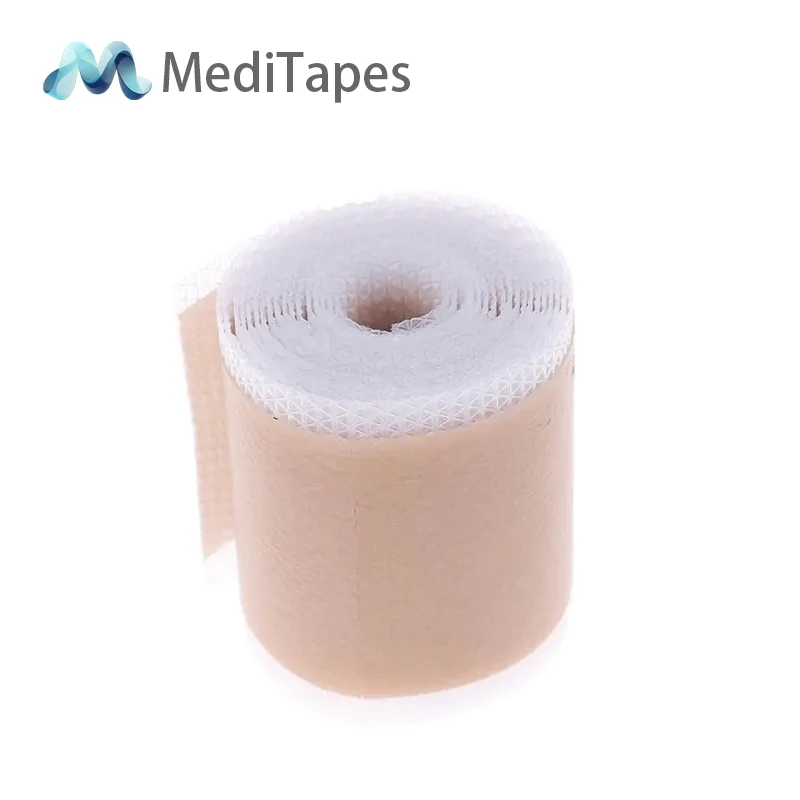
Soft Silicone Gel Tape Roll for Scar Management – Wholesale Bulk
Source high-quality Soft Silicone Gel Tape rolls for effective scar treatment. This medical-grade silicone gel tape mimics the skin’s natural barrier to hydrate and heal scars. Cut-to-size design offers versatility for various scar sizes. Contact us for competitive wholesale pricing and private labeling.
Value for Money: Does Silicone Tape Deliver Results?
Absolutely, if you’re consistent. Value for money comes down to results versus what you pay. Silicone tape isn’t a miracle overnight fix – it takes 2-3 months minimum, sometimes up to 6 for older scars – but the payoff is real.
Research from places like the Journal of Plastic Surgery shows silicone reduces scar height by up to 68% and improves texture in 86% of cases in some trials. It’s especially good for preventing hypertrophic scars right after surgery.
Compare that to doing nothing: scars can stay raised and red for years. Or cheaper tapes like paper tape – one study found paper tape works okay for prevention but silicone was better for appearance in patient ratings.
In my experience, patients who splurge on good silicone tape regret not starting sooner, not the cost. One mom after a C-section told me her scar flattened so much she could wear bikinis again without feeling self-conscious. Small wins like that make it worth it.
Long Term Scar Care Cost: Why Silicone Saves You Money Down the Line
This is where it gets interesting for long term scar care cost. Bad scars don’t just look rough; they can itch, hurt, or even limit movement if they’re contractures. Fixing those later? Way more expensive.
Laser treatments for scars run $400 to $2,500 per session, and you might need 3-5. Steroid injections? $100-300 each, multiple times. Surgery for really bad keloids? Thousands.
Silicone tape, used early, can prevent the need for that stuff. Studies call it cost-effective because it’s non-invasive and home-based. One analysis noted silicone is cheaper than pressure garments or ongoing creams for long-term use.
Think about it: spend $50 now on tape for a few months, or thousands later on lasers? For most folks, silicone wins on long-term value.
Here’s a quick comparison table for bigger treatments:
| Advanced Scar Treatment | Average Cost per Session | Sessions Needed | Total Estimated Cost |
|---|---|---|---|
| Laser resurfacing | $400-2,500 | 3-5 | $1,200-12,500 |
| Steroid injections | $100-300 | 4-6 | $400-1,800 |
| Surgical revision | $2,000+ | 1+ follow-ups | $3,000+ |
| Silicone tape (ongoing) | $25-50 initial | Reusable | Under $200 for year |
Numbers like these come from reliable sources like the American Society of Plastic Surgeons and patient reports. Silicone keeps costs low while giving solid results.
Real-Life Scenarios: When Silicone Tape Shines
Let’s get practical. Say you’ve got a fresh surgical scar – start silicone tape as soon as the wound closes. One patient I recall had knee surgery; using tape daily for three months kept it flat and pale.
Or older scars: it still helps, just takes longer. A friend with a burn scar from years ago saw softening after six months.
For C-sections or tummy tucks, where scars are big, a roll goes a long way. Cut pieces to fit, reuse, and watch it improve.
At MediTapes, our soft silicone gel tape roll is designed for exactly this – comfortable, reusable, and effective for all those scenarios.
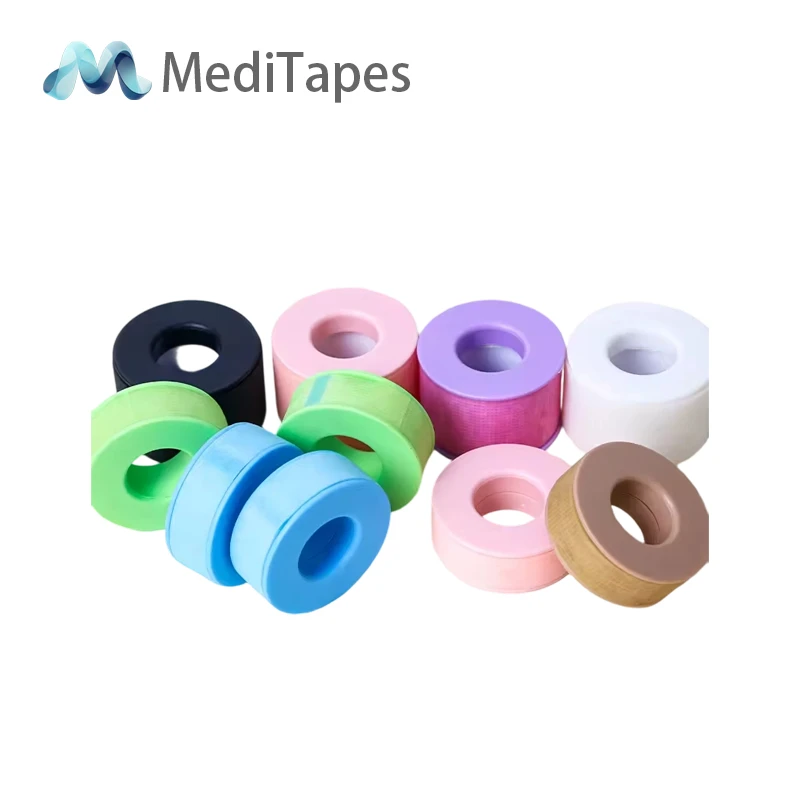
Soft Silicone Gel Tape Non-woven Fabric – Gentle Adhesion for Dressings
Experience superior comfort with our Soft Silicone Gel Tape. Featuring a flexible non-woven fabric, this tape conforms easily to body contours. The advanced silicone gel adhesive ensures strong holding power while being gentle enough for neonatal skin. Ideal for long-term wear and fragile skin applications.
Tips for Getting the Most Out of Your Silicone Tape
To make it worth every penny:
- Start early, but only on closed wounds.
- Wear it as much as possible, at least 12 hours.
- Clean gently – no harsh soaps.
- Be patient; results build over weeks.
- Combine with massage if your doc says okay.
If irritation happens (rare, but possible), stop and chat with a pro.
FAQ
Is silicone tape really better than cheaper scar creams?
Yeah, for most people. Creams hydrate a bit, but silicone’s occlusion and pressure do more for raised scars. Studies show better outcomes with silicone.
How long do I need to use silicone tape for noticeable results?
Usually 2-3 months for new scars, longer for old ones. Consistency is key – don’t skip days.
Can silicone tape prevent scars from getting worse?
Totally. It’s great for prevention post-surgery. Many docs recommend it as first-line to stop hypertrophic or keloid formation.
If you’re dealing with a scar and wondering about options, feel free to reach out. Check out more at MediTapes or drop us a line at info@meditapes.com. We can help figure out if our soft silicone gel tape is right for you – maybe even send a quote. Scars don’t have to stick around forever; good care makes all the difference.