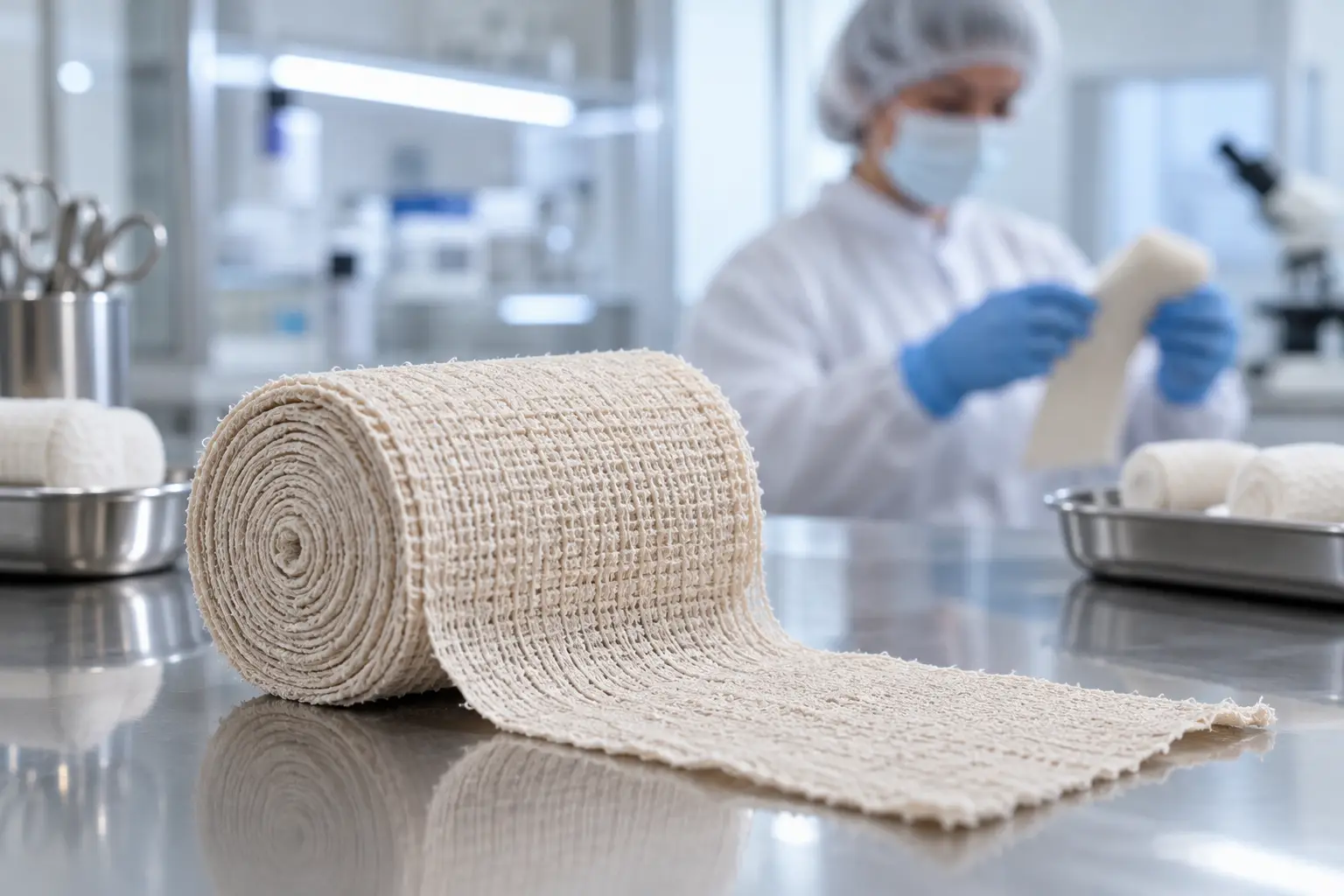
Silicone tapes have become a go-to option in medical settings, whether it’s holding dressings in place, securing devices, or even in more specialized uses like lash extensions. But what really sets the good ones apart is biocompatibility. It’s not just a fancy word – it means the tape plays nice with your skin and body, without causing issues like irritation or worse reactions.
I’ve seen firsthand how the wrong tape can turn a simple procedure into a headache for patients. Red, itchy skin, blisters, or even longer healing times… nobody wants that. On the flip side, when you pick a truly biocompatible tape, things go much smoother. Patients feel more comfortable, heal better, and there’s less drama overall.
In this piece, we’ll chat about why biocompatibility matters so much in silicone tapes, dive into standards like ISO 10993, touch on skin safety tests, and share some real-world insights. If you’re dealing with medical devices or just curious about safer options, stick around – this could save you some trouble down the line.
What Does Biocompatibility Even Mean?
Biocompatibility is basically how well a material gets along with living tissue. For tapes that stick to skin, it means no harmful reactions – no toxicity, no allergies kicking in, and no long-term problems.
According to the International Organization for Standardization (ISO), biocompatibility is “the ability of a medical device or material to perform with an appropriate host response in a specific application.” In plain terms, it shouldn’t make things worse when it’s doing its job.
Silicone stands out here because it’s naturally inert. It doesn’t react much with the body, which is why it’s been used in medical stuff for decades. But not all silicone tapes are created equal – the good ones go through rigorous testing to prove they’re safe.
Why Biocompatibility Is a Big Deal in Medical Tapes
Think about it: medical tapes are on skin for hours, days, sometimes weeks. They’re in contact with wounds, sensitive areas, or even intact skin under devices. If they’re not biocompatible, problems can pop up fast.
Traditional acrylic-based tapes can cause skin stripping or irritation, especially with repeated use. Studies show that medical adhesive-related skin injuries affect a ton of patients – we’re talking redness, tears in the skin, or even infections if things get bad.
But silicone? It’s gentler. It removes without yanking hairs or pulling off skin layers, and it’s less likely to trigger allergies. That’s huge for vulnerable folks like elderly patients, kids, or anyone with fragile skin.
One key benefit: lower risk of adverse reactions. While true allergies to tapes are rare (around 0.3% of reported cases, often irritant rather than allergic), silicone minimizes even those irritant issues.
Common Risks with Non-Biocompatible Tapes
Here’s a quick table breaking down some common problems:
| Issue | Description | Common in Traditional Tapes? | Less Common in Silicone? |
|---|---|---|---|
| Skin Irritation | Redness, itching, rash | Yes | Much less |
| Allergic Contact Dermatitis | Delayed allergic reaction | Occasional | Rare |
| Skin Stripping | Removal pulls off top skin layers | Frequent | Minimal |
| Moisture Buildup | Traps sweat, leading to maceration | Yes | Better breathability |
| Pain on Removal | Hurts when peeling off | Often | Gentle |
Data drawn from clinical observations and standards like ISO 10993 testing protocols.
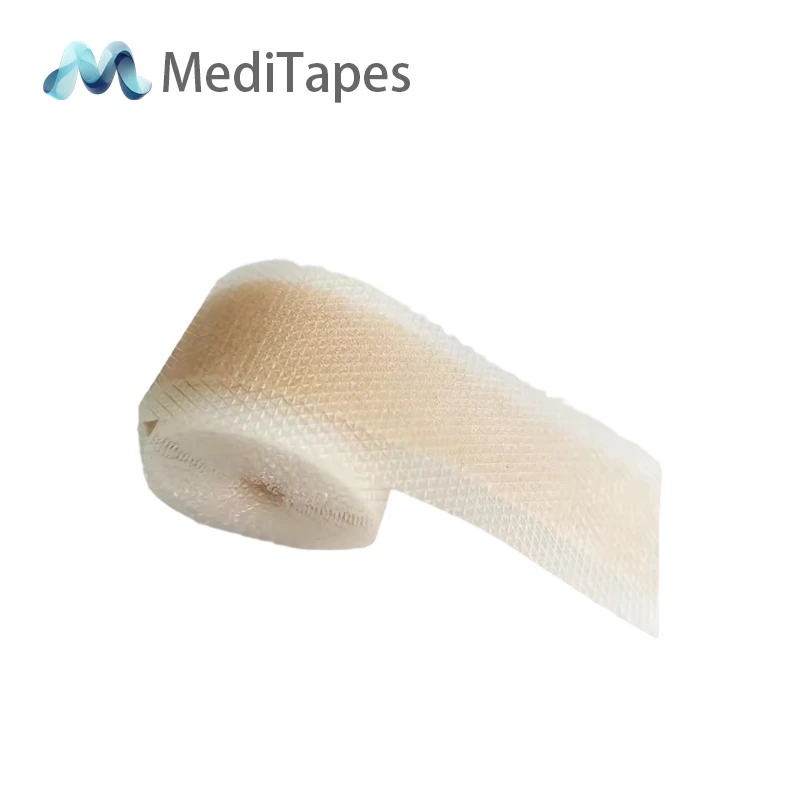
Waterproof Silicone Gel Tape for Lash Extensions & Eyelid Lifting
Designed for beauty professionals, this Silicone Gel Tape is gentle enough for the delicate eye area. Ideal for eyelash extensions and eyelid lifting, this silicone tape holds securely yet peels off painlessly. Breathable and hypoallergenic, ensuring client comfort during long procedures.
Diving Into ISO 10993: The Gold Standard for Testing
If you’re shopping for medical tapes, you’ll hear about ISO 10993 a lot. This is the big international standard for evaluating biocompatibility of medical devices.
It’s a series of tests – over 20 parts actually – covering everything from cytotoxicity (does it kill cells?) to irritation, sensitization, and even systemic toxicity for longer-contact devices.
For skin-contact tapes like silicone ones:
- ISO 10993-5: Tests for cytotoxicity in vitro.
- ISO 10993-10: Covers irritation and skin sensitization – super important for tapes.
- ISO 10993-23: Newer part focused on irritation specifically.
Many reputable manufacturers, including big names like 3M, test their silicone tapes to these standards. For example, products like 3M’s medical silicone tapes have passed preclinical evaluations under ISO 10993, showing no significant adverse effects.
The FDA in the US also recognizes ISO 10993 for biocompatibility assessments. They have guidance documents that align with it, especially for devices contacting intact skin.
Key Tests in ISO 10993 for Skin Safety
| Test Type | What It Checks | Why It Matters for Tapes |
|---|---|---|
| Cytotoxicity | Cell death or damage | Ensures no toxic leachables |
| Sensitization | Potential for allergic reactions | Prevents delayed hypersensitivity |
| Irritation | Immediate skin response | Checks for redness or swelling |
| Acute Systemic Toxicity | Body-wide effects | For longer wear times |
These aren’t made-up – they’re based on real lab protocols that mimic body contact.
Skin Safety Tests: Beyond the Basics
Skin safety tests are a core part of biocompatibility. They simulate how the tape interacts with skin over time.
In practice, this means applying extracts of the tape to cells or animal models (though efforts are on to reduce animal testing), or direct patch testing on humans for irritation.
Silicone often shines here because it’s hypoallergenic and non-sensitizing. Real studies on medical-grade silicone show minimal irritation, even with prolonged contact.
For instance, platinum-cured silicones (common in high-quality tapes) are purer and less likely to cause issues than peroxide-cured ones.
At MediTapes, we’ve prioritized these tests for our products. Our silicone tapes undergo full ISO 10993 compliance, focusing on skin contact categories.
Benefits of Choosing Biocompatible Silicone Tapes
So, why go for a biocompatible tape made from silicone?
- Gentle on Skin: Removes easily, reducing trauma. Great for repeated applications.
- Breathable and Conformable: Lets skin breathe while sticking well.
- Long Wear Time: Can stay on for days without issues.
- Versatile Uses: From wound care to device fixation, even cosmetic like lash extensions.
One anonymous scenario we’ve encountered: A clinic switched to biocompatible silicone tape for post-op dressings. Patients reported way less discomfort, and nurses noticed fewer skin complications. Healing times improved, and everyone was happier.
Another case in a hospital setting – using silicone tape for securing IV lines on fragile elderly skin. Minimal redness compared to older acrylic tapes, leading to better patient outcomes.
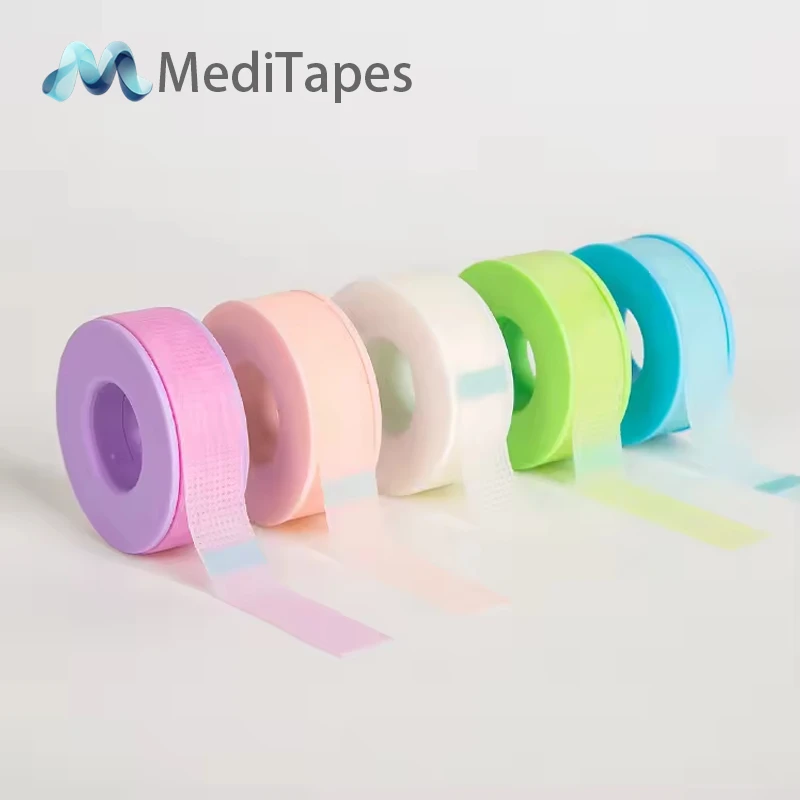
Perforated Non-woven Silicone Tape – Easy Tear & High Breathability
This perforated Non-woven Silicone Tape allows for easy tearing without scissors, streamlining clinical workflows. The porous structure ensures high breathability, keeping the wound site dry. Using premium silicone gel technology, it offers reliable fixation for IV lines and gauze with zero skin irritation.
Real-World Applications and Scenarios
Silicone tapes aren’t just for hospitals. They’re in:
- Wound dressings
- Scar management (silicone helps flatten scars by hydrating the area)
- Device attachment, like wearables or monitors
- Even beauty applications, where gentle adhesion is key
In one shared experience from a dermatology practice, patients with sensitive skin using silicone-based tapes for scar therapy saw smoother results with zero irritation flares.
We’ve also heard from lash techs loving silicone gel tapes – they hold extensions securely but come off without damaging natural lashes or irritating eyelids.
Check out our silicone gel tape for lash extensions – it’s designed with biocompatibility in mind, passing strict skin safety tests.
Comparing Silicone to Other Tape Materials
Not all tapes are silicone. Here’s a simple comparison:
| Material | Biocompatibility Level | Removal Ease | Irritation Risk | Best For |
|---|---|---|---|---|
| Acrylic | Moderate | Often painful | Higher | Short-term, strong hold |
| Hydrocolloid | Good | Gentle | Low | Wounds |
| Silicone | Excellent | Very gentle | Very low | Sensitive skin, long wear |
Silicone often wins for overall skin safety.
How MediTapes Ensures Top-Notch Biocompatibility
At MediTapes, we take this seriously. Our tapes are made with medical-grade silicone, fully tested to ISO 10993 standards. We focus on real skin safety, so you get reliable performance without the worries.
Whether you need tapes for medical devices, wound care, or specialized uses, we’ve got options that prioritize patient comfort.
FAQ
What makes a tape biocompatible?
It’s all about passing tests like ISO 10993, showing no harmful reactions to skin or body tissues. Silicone tapes usually excel because the material is inert and gentle.
Are all silicone tapes automatically biocompatible?
Nope – it depends on the grade and testing. Medical-grade ones with ISO certification are the safe bet.
How can I tell if a tape will irritate my skin?
Look for labels mentioning ISO 10993 compliance or skin safety tests. Patch test a small area first if you’re sensitive.
Why choose silicone over regular tape for medical use?
Less irritation, easier removal, and better for longer wear. Perfect for emphasizing safety in medical devices.
If you’re looking for reliable biocompatible tape options, head over to MediTapes. Got questions or need a quote? Drop us a line at info@meditapes.com or visit our contact page. We’d love to chat about how our products can fit your needs – safer tapes make all the difference.