You’ve probably heard it before – people saying the stickier the tape, the better it works. Like, if it rips off half your arm hair when you pull it away, that’s a sign it’s doing its job right. But honestly, when it comes to medical tapes, especially ones touching skin that’s already fragile or healing, that old idea just doesn’t hold up anymore. Turns out, gentle adhesion can be plenty strong enough, and often way smarter in the long run.
I’ve spent years working with medical adhesives at MediTapes, testing different kinds on all sorts of skin types – from babies in NICUs to elderly folks with paper-thin skin. And what we’ve seen time and again is that going too aggressive with the stick can cause more problems than it solves. That’s why we’re big on educating folks about why “gentle” isn’t weak… it’s actually the thoughtful choice.
The Big Misconception: Why Do We Think “Stronger Stick” Means Better?
A lot of us grew up with duct tape myths – the tougher it grabs, the more reliable it is. In everyday stuff, maybe that’s fine. But on skin? Not so much.
Traditional tapes often use acrylic adhesives that build up super high silicone adhesive strength wait no, acrylic ones crank up the grip over time. They start okay, but after a day or two, they’re bonded like glue. Problem is, when it’s time to remove them, that high peel force yanks off skin cells, causes tears, or leaves redness that lasts for hours… or longer.
Studies back this up. Medical adhesive-related skin injuries (MARSI) affect a ton of patients – estimates say at least 1.5 million cases a year in the US alone, with higher rates in vulnerable groups like the elderly or neonates. In some settings, like post-surgery or ICU, incidence can hit 15-36%. And a big culprit? Tapes with too much aggression.
Here’s a quick comparison table to show the differences:
| Adhesive Type | Peel Force Level | Removal Trauma Risk | Typical Wear Time | Best For |
|---|---|---|---|---|
| Aggressive Acrylic | High (often >100 N/m) | Higher (more stripping/tears) | Long, but painful changes | Heavy-duty, non-skin apps |
| Gentle Silicone | Low peel force (gentler removal) | Lower (atraumatic) | Up to 7 days, repositionable | Fragile skin, wound care |
Data drawn from clinical comparisons, like those showing silicone tapes remove far less stratum corneum (the top skin layer) than acrylic ones.

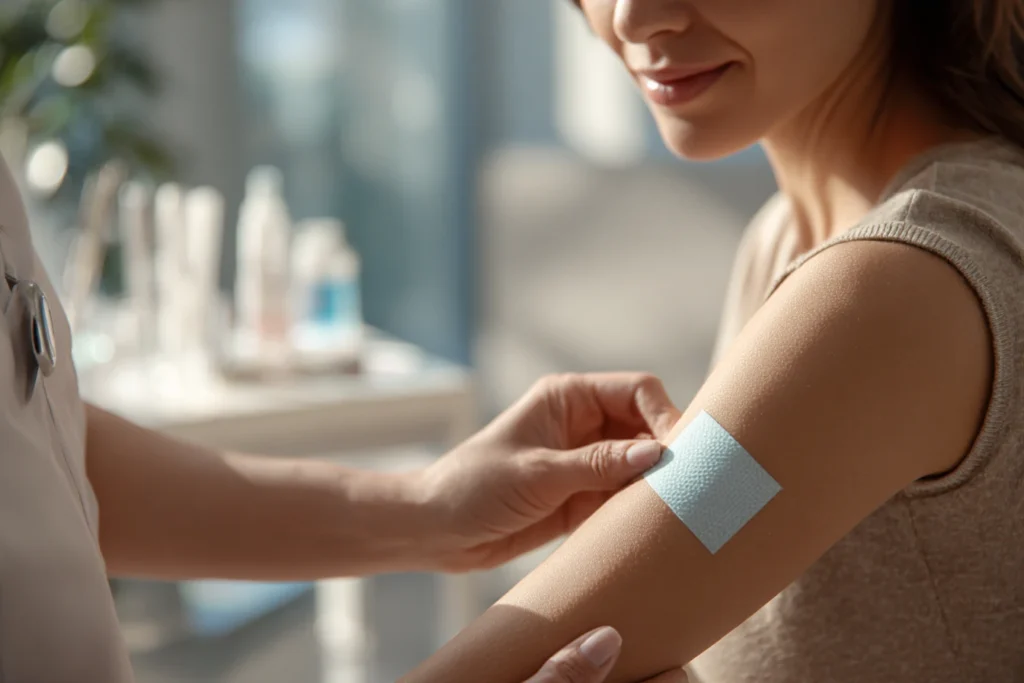
Blue Silicone Gel Tape with Perforation for Secure Medical Fixation
Our Blue Silicone Gel Tape features easy-tear perforation for quick medical application. This soft silicone gel tape provides secure fixation for IV lines and dressings while protecting the stratum corneum. Waterproof and flexible, it conforms to body contours perfectly for maximum patient comfort.
What Makes Gentle Adhesion Work So Well?
Gentle adhesion, especially with silicone-based tapes, isn’t about being weak. It’s about smart sticking.
Silicone adhesives have this soft, tacky feel – they conform to skin’s natural contours without digging in aggressively. The low peel force means when you take it off, it releases cleanly, without pulling hard. Yet, the silicone adhesive strength is reliable enough for secure hold, even on moving areas like joints.
From what we’ve observed at MediTapes, our Silicone Gel Tape uses this exact tech. It’s designed for low trauma but sticks well for days. Nurses tell us it’s a game-changer for frequent dressing changes – less pain, less irritation.
One study on healthy volunteers compared silicone and acrylate tapes: the silicone ones removed significantly less protein from the skin (meaning fewer cells stripped away), even after repeated applications. Another looked at facial tapes during anesthesia – silicone versions caused way less injury on delicate skin.
And for fragile patients? In pediatrics or geriatrics, where skin is thinner, silicone helps preserve integrity. No wonder guidelines often recommend it for at-risk folks.
Real-World Scenarios Where Gentle Wins Out
Think about an elderly patient with a wound dressing that needs changing every couple days. With a high-stick tape, each removal risks a skin tear – those can take weeks to heal and up the infection chance.
We had a case (details anonymized, of course) with a home care setup for a senior recovering from surgery. They switched to a gentle silicone gel tape after repeated irritations from standard ones. Result? Dressings stayed put securely, but changes were painless, skin stayed intact, and healing progressed smoother.
Or in scar management – silicone tapes are often used because they hydrate the area gently without aggressive pull. Patients report less discomfort, better compliance.
Even in active scenarios, like securing devices on kids who won’t sit still, the repositionable nature of gentle silicone means you can adjust without starting over… or causing tears.
Breaking Down the Science: Low Peel Force vs. High Trauma
Peel force is basically how much pull it takes to remove the tape. Higher isn’t always better.
Clinical tests show silicone tapes often have lower peel values but cause less damage because they don’t bond as invasively to skin cells. One comparison found silicone required less energy for removal and correlated with lower pain.
Table of key benefits:
| Benefit | How Gentle Adhesion Delivers It | Evidence Example |
|---|---|---|
| Reduced Pain on Removal | Low peel force releases smoothly | Studies show 66% less pain in some cases |
| Less Skin Stripping | Removes fewer corneocytes | Significantly less protein removed vs. acrylic |
| Repositionable | Stays tacky, can lift and reapply | Ideal for precise placement |
| Longer Safe Wear | Consistent hold without building aggression | Up to 7 days in clinical use |
These aren’t made-up numbers – pulled from peer-reviewed stuff on silicone vs. traditional adhesives.
When Might You Still Need Stronger Adhesion?
Fair enough, gentle isn’t always the only option. For super heavy devices or non-skin surfaces, higher grip makes sense. But for most medical skin contact? Gentle adhesion with solid silicone adhesive strength hits the sweet spot.
At MediTapes, we’ve focused on this balance. Our tapes prioritize skin health while ensuring things don’t shift when they shouldn’t.
Choosing the Right Tape for Your Needs
Start by assessing skin type: fragile, sensitive, or at-risk? Go gentle.
Look for silicone-based options with proven low trauma.
And always remove properly – slow, low angle, support the skin.
If you’re dealing with wounds, devices, or just need reliable hold without the ouch, check out our Silicone Gel Tape. It’s built on these principles.
Wrapping It Up: Gentle is Often the Stronger Choice
Ditching the “stickier is better” myth opens up better options for comfort and healing. Gentle adhesion proves you don’t need brutal grip to get the job done – in fact, it often does it better, with less hassle and risk.
We’ve seen it firsthand: happier patients, fewer complications, smoother care.
Curious if this could work for your situation? Drop us a line at info@meditapes.com or head to our contact page. We’d love to chat about options or even send quotes.
Visit https://meditapes.com/ for more on our gentle yet effective tapes.
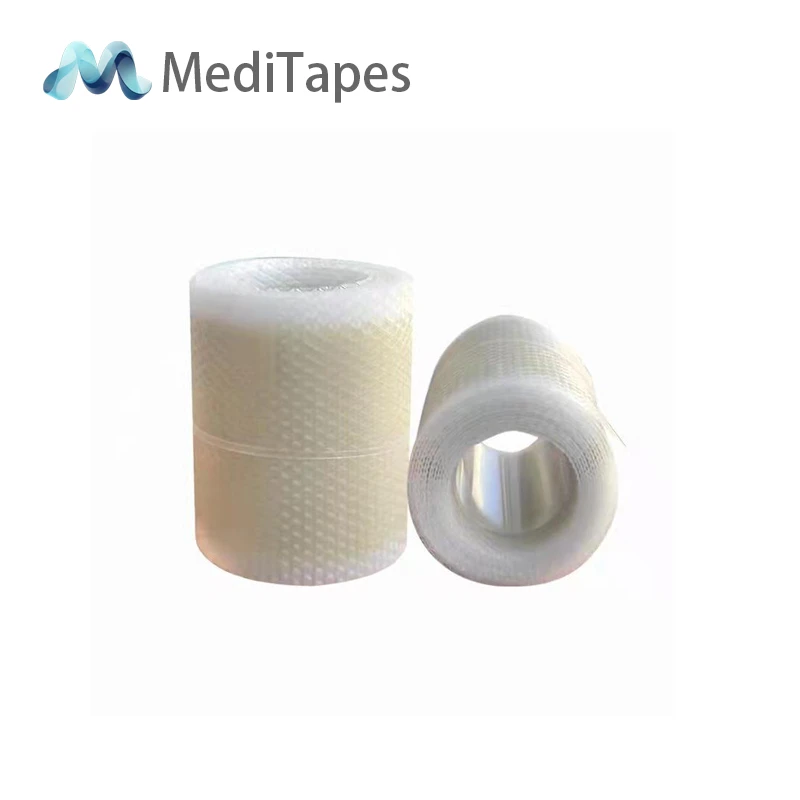
Medical Silicone Gel Tape for Sensitive Skin & Wound Care – OEM
Our Medical Silicone Gel Tape offers gentle adhesion for sensitive skin, making it ideal for fragile skin and elderly patients. This breathable silicone gel tape ensures painless removal without residue. Perfect for fixing dressings and tubes. Available for B2B bulk orders and OEM customization.
Frequently Asked Questions About Gentle Adhesion
What’s the difference between gentle adhesion and low adhesion?
Gentle means reliable hold with easy, low-trauma removal – think low peel force but enough silicone adhesive strength to stay put. Low adhesion might just mean it falls off too easy.
Is silicone adhesive strong enough for active patients?
Yeah, absolutely. Modern silicone gel tapes hold securely on moving skin, often for days, while being kind on removal. Great for kids or anyone fidgety.
How does low peel force help prevent injuries?
Lower force means less yanking on skin cells. Studies show it reduces stripping, tears, and MARSI overall – especially important for delicate or healing skin.
Can I use gentle tapes for scars or long-term wear?
Definitely one of the best uses. Silicone options hydrate and protect without irritation, and you can reposition if needed.