When you’ve got a broken bone or need some serious support for a joint, getting the cast right makes all the difference. I’ve seen it firsthand over the years working with orthopedic supplies – a good setup with orthopedic tape, solid cast padding, and the right immobilization keeps things stable and helps healing go smoother. It’s not just about slapping on some material; it’s about doing it in a way that protects the skin, handles swelling, and holds everything in place without issues.
Think about it: fractures happen all the time, from sports mishaps to simple slips. Proper stabilization is key to letting the bone knit back together without shifting. That’s where cotton tape and padding come in strong. They’re the unsung heroes under the hard shell.
Why Proper Stabilization Matters in Orthopedic Care
Stabilization isn’t fancy talk – it’s basically keeping the injured part from moving too much so it can heal. Without it, you risk the fracture not setting right, or worse, complications like pressure sores or even compartment syndrome.
From what I’ve noticed in clinics, good immobilization cuts down on redo visits. Patients heal faster when the cast fits well and doesn’t cause extra problems. Studies back this up too – like reviews showing that materials evolved from old plaster to modern fiberglass, but the basics of padding and tape stay crucial for comfort and effectiveness.
One thing that’s stuck with me: cotton-based materials are still super popular because they’re affordable and comfy on the skin. Simple cotton padding has been around since the 1850s, and for good reason – it absorbs moisture and cushions well.
The Role of Cast Padding in Immobilization
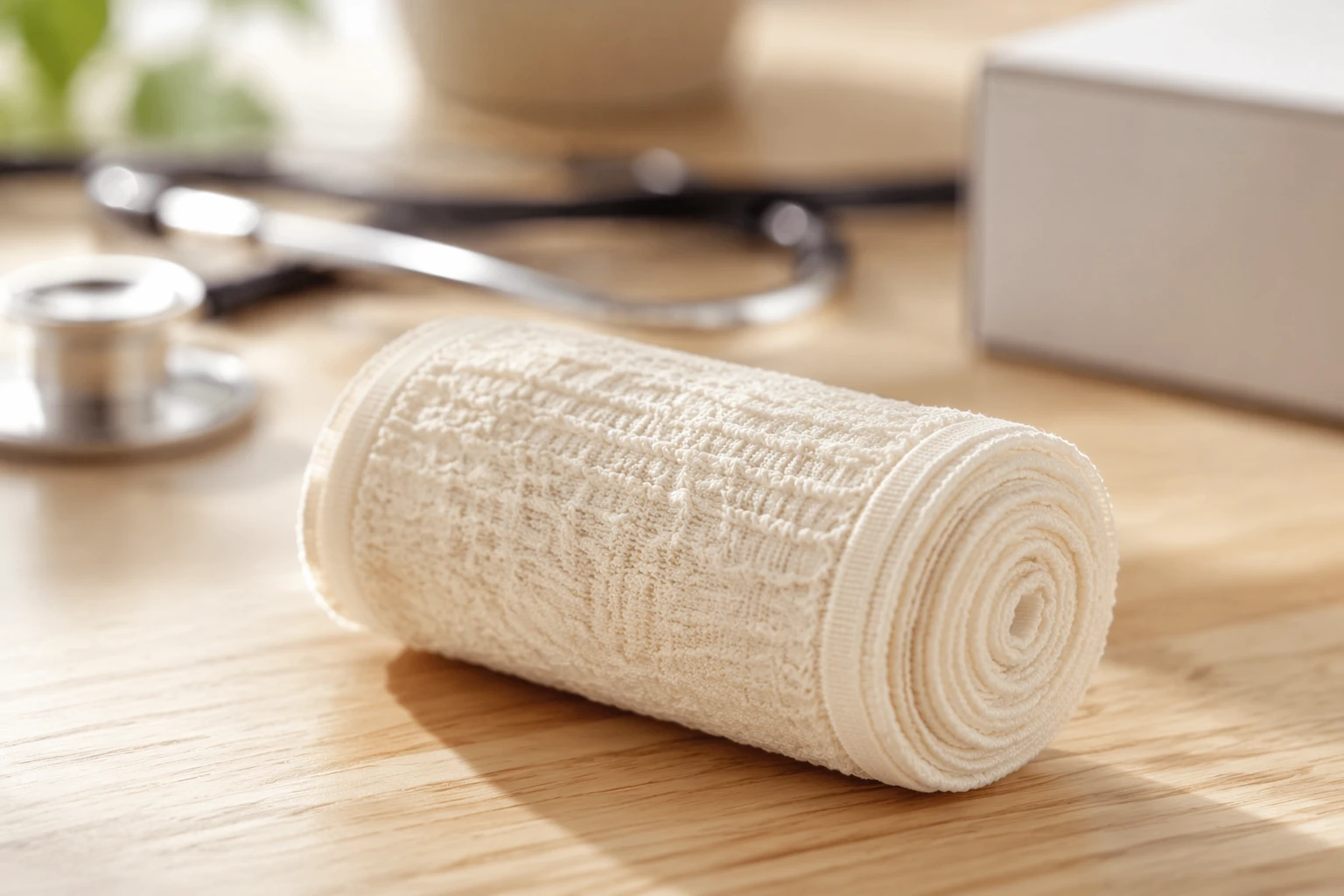
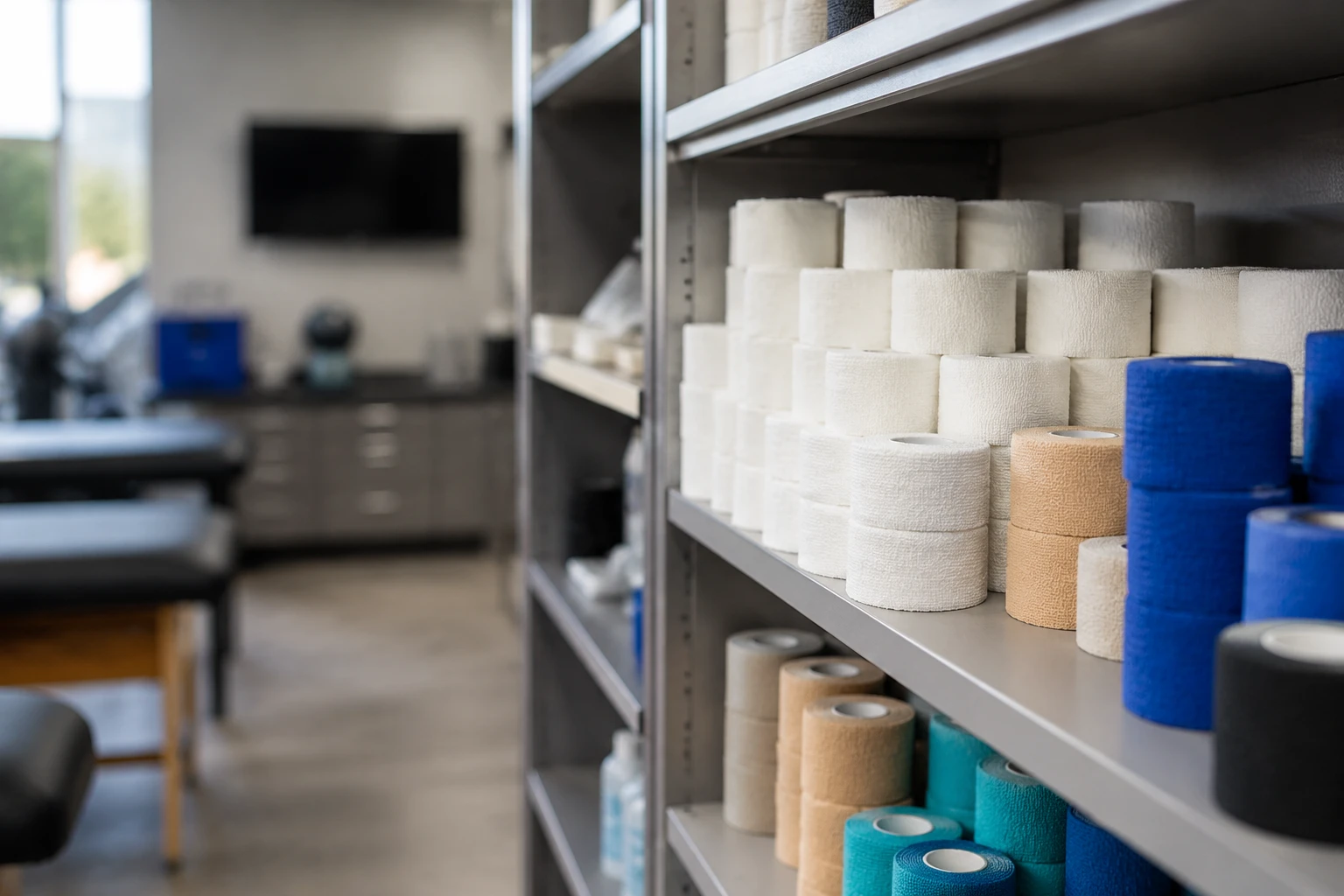
Cast padding is that soft layer right next to your skin. It protects bony spots and helps with any swelling early on.
Here’s a quick comparison of common padding types:
| Padding Type | Pros | Cons | Best For |
|---|---|---|---|
| Cotton Padding | Absorbent, comfortable, affordable | Can harden if soaked in blood | General fractures, everyday use |
| Synthetic Padding | Stretchy, accommodates swelling better | Less absorbent sometimes | Cases with lots of edema |
| Waterproof Liner | Allows bathing, dries fast | More expensive | Active patients or kids |
In my experience, starting with 2-4 layers of cotton padding, overlapped by half each time, works great for most cases. Extra layers over bony prominences like the heel or elbow prevent sores.
Improper padding? That’s where trouble starts. Too little, and you get pressure points leading to ulcers. Too much, and the cast loosens up as swelling goes down, losing that immobilization.

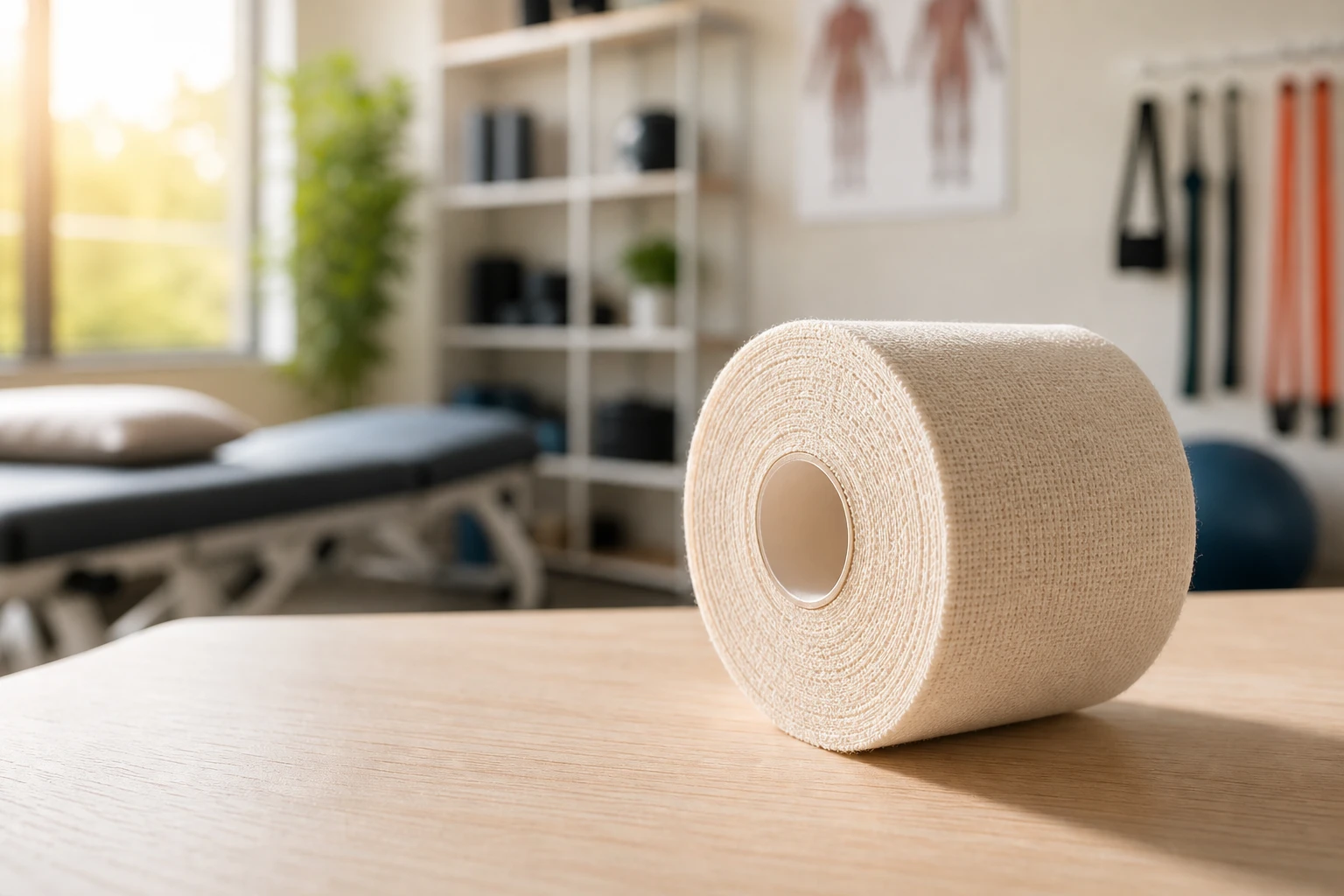
High Strength Cotton Medical Tape – Latex Free & Hypoallergenic
Ensure patient safety with our latex-free cotton medical tape. Designed for sensitive skin, this hypoallergenic tape offers high tensile strength for stable immobilization. The cotton medical tape allows skin to breathe while providing durable adhesion. Perfect for surgical fixation and sports injury support.
How Orthopedic Tape Fits Into the Picture
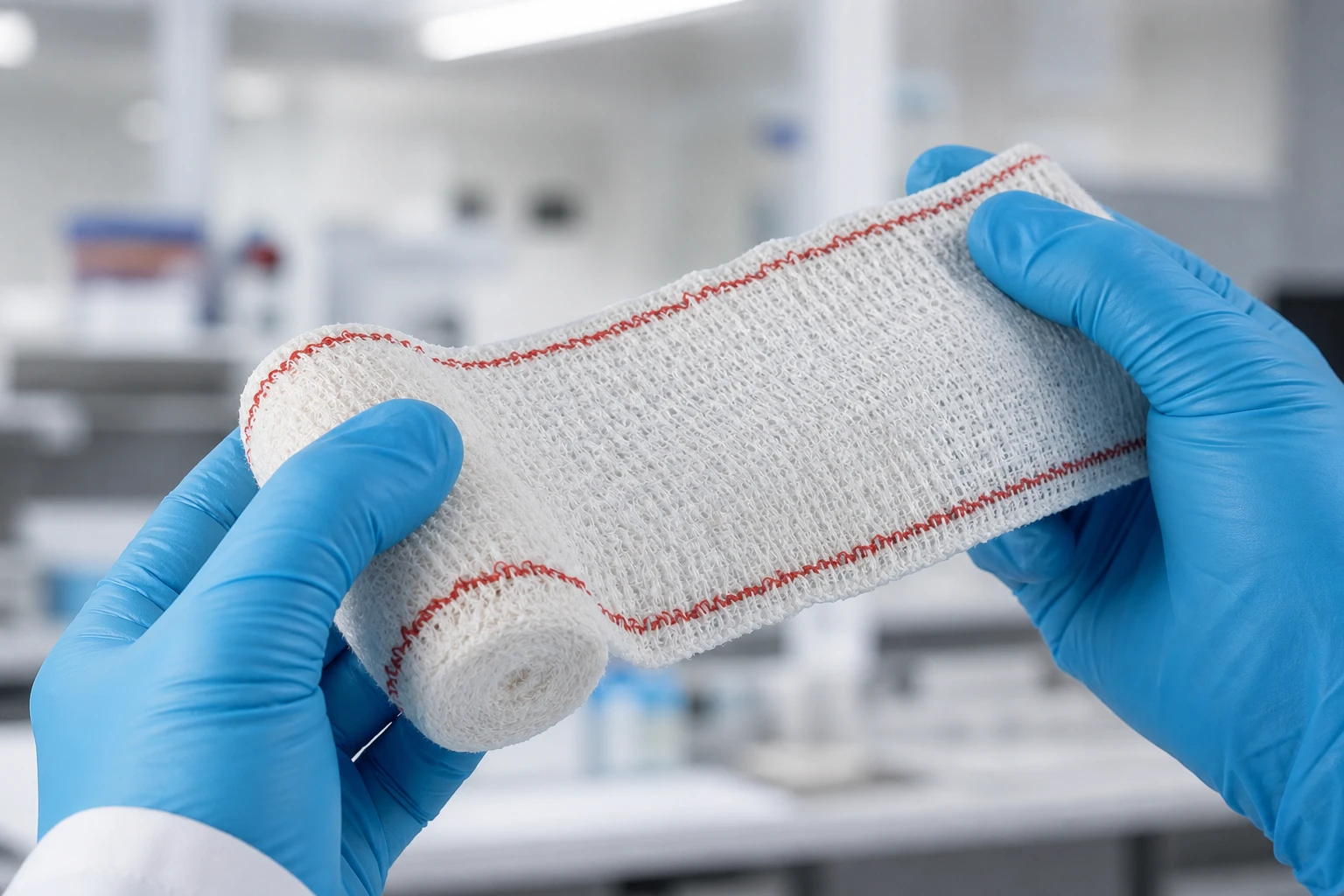
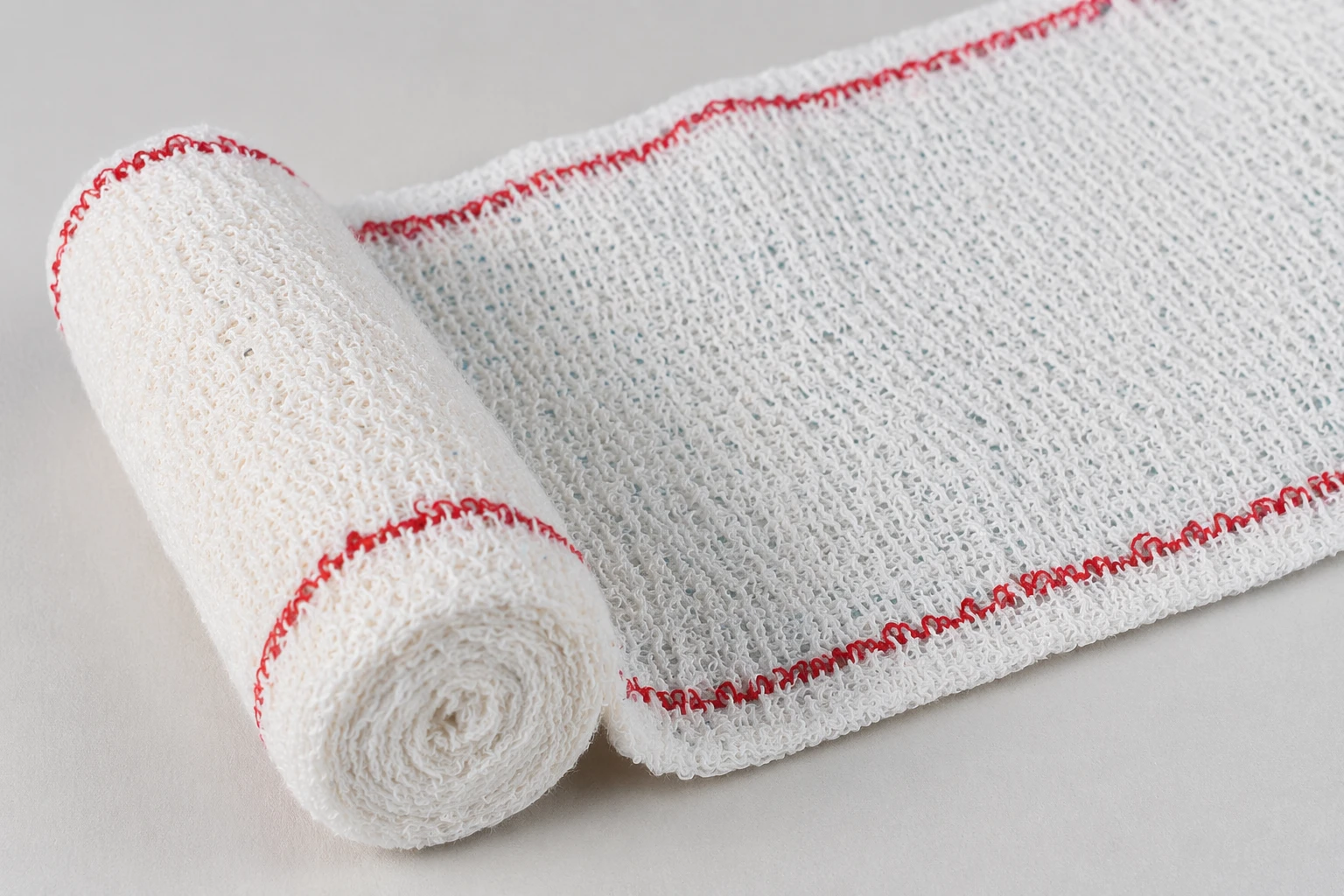
Orthopedic tape, especially cotton-based ones, secures everything. It’s strong yet flexible, perfect for holding padding in place or even as part of hybrid setups.
We’ve got products like our High Strength Cotton Medical Tape at MediTapes – it’s designed to grip well without irritating skin, and holds up during the whole healing process.
Cotton tape shines because it’s breathable and conforms nicely. In casting, it’s often used to wrap over padding before the hard material goes on.
Step-by-Step: Applying Cast Padding and Orthopedic Tape Properly
Alright, let’s walk through a basic application – think of it like I’ve done dozens of times.
- Start with stockinette: This thin sleeve protects skin and makes edges smooth.
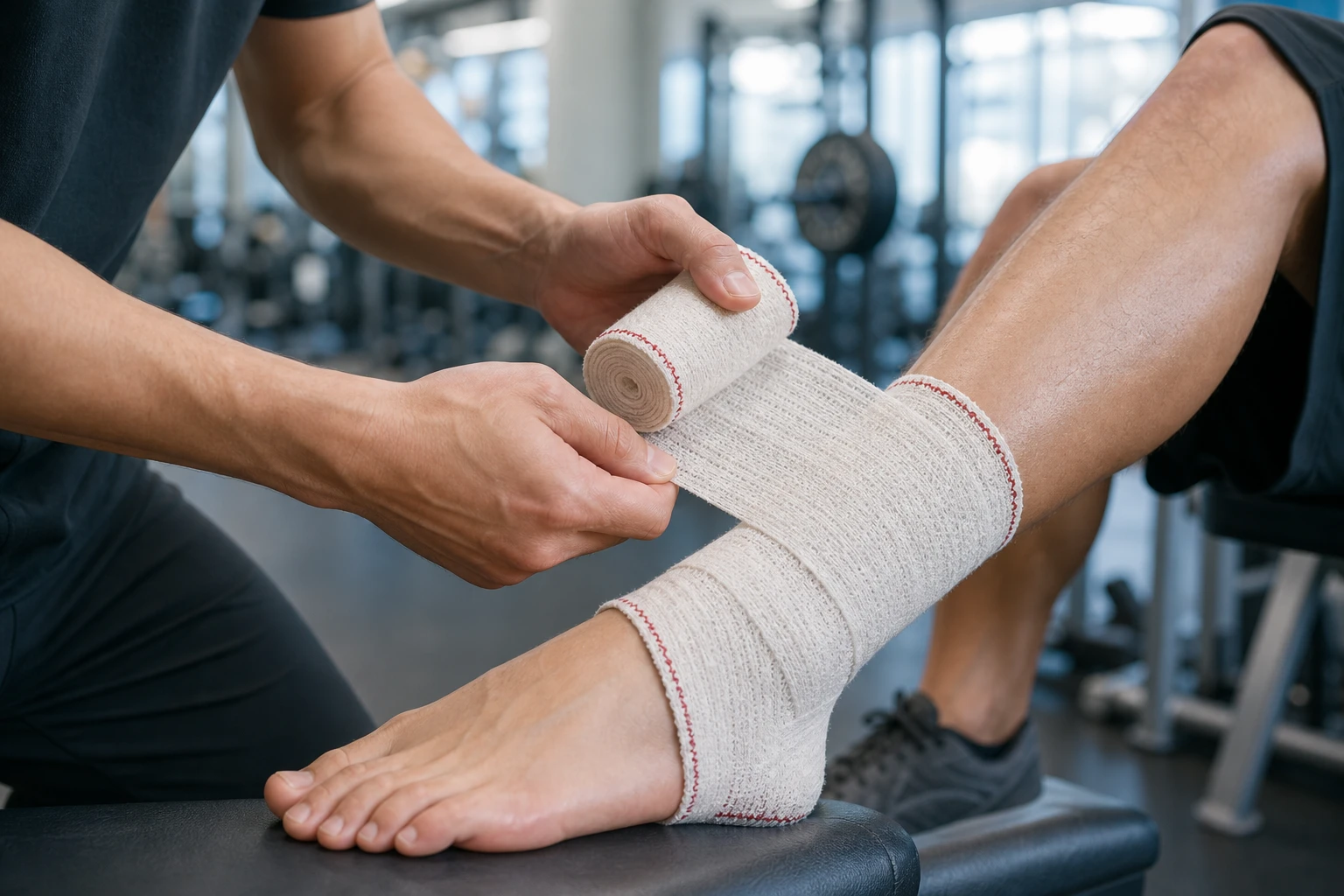
- Apply cast padding: Roll it on evenly, overlapping 50%. Add extra over prominences. For a short arm cast, wrap from wrist to elbow, sparing the thumb or cutting a hole.
- Use orthopedic tape if needed: Sometimes to secure padding or for splints.
- Then the casting material: Fiberglass or plaster over top.
- Mold gently: Use palms, not fingers, to avoid dents.
Tips from the trenches: Keep the limb in neutral position while it sets. Check circulation often in the first days.
One case that comes to mind (no names, of course): A kid with a forearm fracture. We used ample cotton padding and strong cotton tape to secure. Swelling was managed well, no tightness issues, and the cast stayed put for weeks. Healed clean.
Another scenario: Adult ankle sprain needing immobilization. Extra padding around the malleoli, taped securely – prevented those common heel sores.
Common Mistakes and How to Avoid Complications
Even pros mess up sometimes. Tight wrapping leads to poor blood flow. Wet casts with cotton padding can cause skin maceration.
Real data: Pressure sores often from wrinkled or insufficient padding over bony areas. Thermal injuries if dipping water too hot or thick layers.
Prevention table:
| Complication | Cause | Prevention |
|---|---|---|
| Pressure Sores | Wrinkles, too little padding | Smooth application, extra layers on bones |
| Tight Cast Syndrome | Over-tight wrapping | Check fingers/toes for color, sensation |
| Loose Cast | Too much padding, swelling decrease | Proper initial fit, follow-up checks |
| Skin Irritation | Wet padding trapped moisture | Consider synthetic or waterproof options |
I’ve seen casts bivalved (cut on both sides) to relieve pressure when swelling peaks. Better safe.
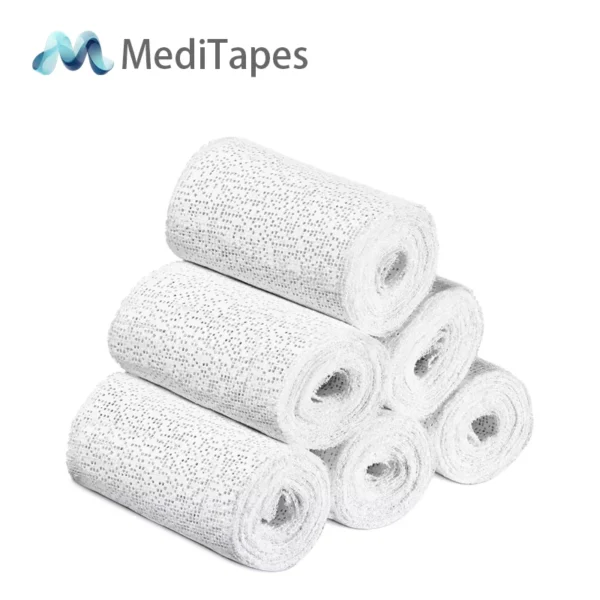
Medical Orthopedic POP Bandage for High-Strength Cast Immobilization
Plaster of Paris bandage (POP bandage) is designed for professional orthopedic immobilization and bone repair. This high-strength medical gypsum wrap ensures a smooth finish and excellent molding for secure fracture management. Ideal for hospitals and surgical centers seeking reliable POP bandages.
Choosing the Right Materials for Better Outcomes
Market’s growing – orthopedic casting tapes projected to hit billions soon, with padding following. Cotton remains a go-to for its reliability.
At MediTapes, we focus on high-quality cotton tapes that provide that high strength without bulk. Check out our site at https://meditapes.com/ for more on supplies.
Fiberglass over cotton padding is common now – lighter, stronger than old plaster.
Real-World Applications and Success Stories
In pediatric cases, good padding reduces itch and rash complaints. One study compared cotton vs waterproof liners – cotton worked fine for dry management.
For adults post-surgery: Using strong cotton tape for reinforcement meant fewer breaks or slips.
Shared anonymously: A sports injury patient – wrist fracture. Layered cotton padding, secured with our high strength tape, fiberglass on top. Full immobilization, no complications, back to play quicker than expected.
Another: Elderly hip support. Careful padding avoided common pressure issues at heels.
These aren’t rare – proper technique makes them standard.
Advanced Tips for Optimal Stabilization
- Three-point molding for alignment.
- Monitor for swelling: Elevate, ice early.
- Removal care: Use proper saws to avoid burns.
Hybrid casts: Plaster base with fiberglass over, cotton in between for comfort.
Global stats show millions of fractures yearly needing this – good supplies matter.
FAQ
What’s the difference between cast padding and orthopedic tape?
Cast padding is the soft cushion layer under the hard cast for protection and comfort. Orthopedic tape is stronger, often used to secure padding or for taping techniques in immobilization.
How long should immobilization last for a typical fracture?
It varies – 4-6 weeks for many arm fractures, longer for legs. Always follow your doctor’s advice, with check-ups to monitor healing.
Can I get my cast wet if it has cotton padding?
Traditional cotton padding absorbs water and stays wet, risking skin problems. Waterproof options exist, but check with your provider.
If you’re dealing with orthopedic needs or want quality supplies like our High Strength Cotton Medical Tape, reach out to us at MediTapes. Drop a line at info@meditapes.com or visit our contact page for quotes or more info. We’d love to help ensure your stabilization is spot on.
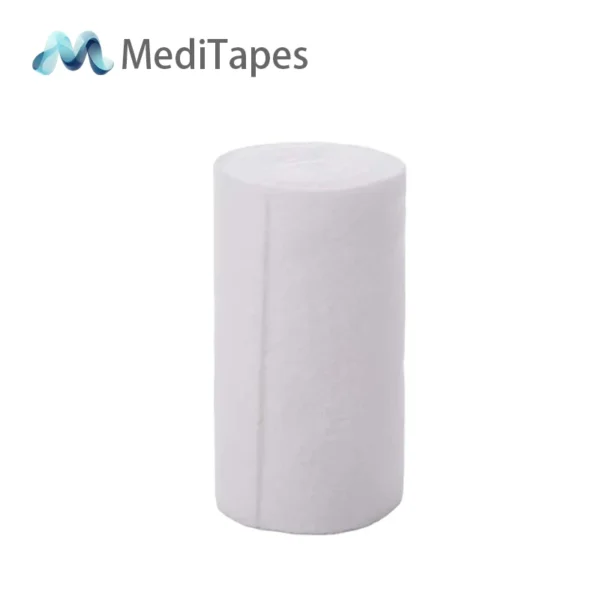
7.5cm 10cm Synthetic Padding – White Orthopedic Padding Wholesale
Best-selling 7.5cm and 10cm Synthetic Padding for arm and leg fractures. These standard sizes are essential for every orthopedic clinic. Our white orthopedic padding is 2.7m in length and features a soft, uniform texture. We provide bulk wholesale padding with packaging tailored to your inventory needs.