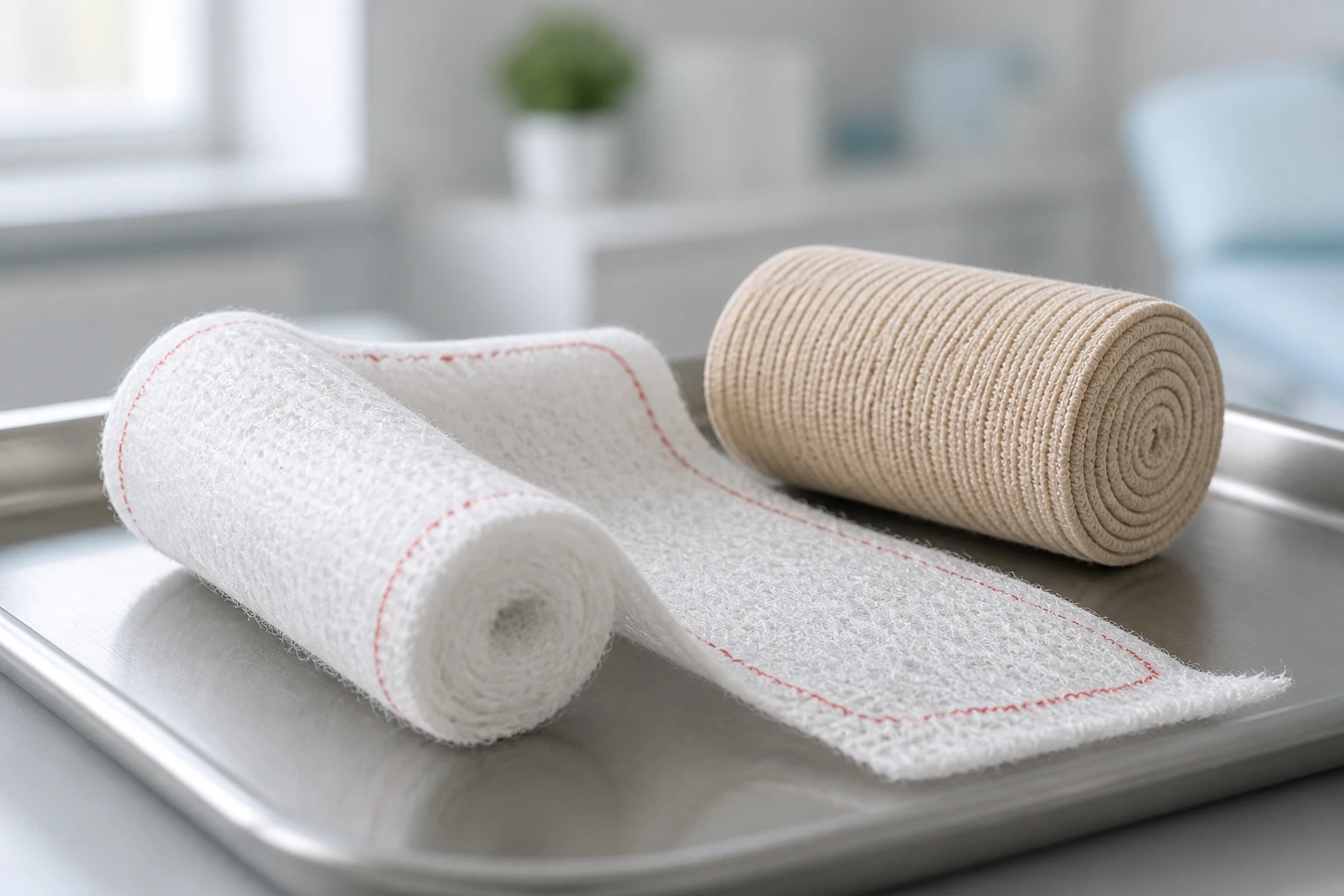
If you’ve ever watched a basketball game or a soccer match, you’ve probably noticed players with white or tan tape wrapped around their ankles, knees, or wrists. That’s rigid cotton sports tape in action – sometimes called sports strapping tape or athletic tape. It’s one of those simple tools that makes a big difference in keeping athletes on the field and helping them bounce back from tweaks and strains.
I’ve seen it firsthand over the years working with all kinds of folks, from weekend warriors to pros. This stuff isn’t flashy, but it gets the job done when you need solid support without any stretch. It’s made from cotton with a strong adhesive, so it stays put and limits movement where you don’t want it. That’s why it’s a go-to in sports medicine and physiotherapy for both preventing problems and managing them when they happen.
What Exactly Is Rigid Cotton Sports Tape?
Rigid cotton sports tape is a non-elastic tape, usually cotton-based with a zinc oxide adhesive. No give at all – that’s what sets it apart from those colorful stretchy ones you see everywhere now.
It’s been around for decades, and physios and trainers swear by it for situations where you need to lock things down a bit. Think stabilizing a joint that’s prone to rolling or taking load off a sore ligament.
At MediTapes, our Rigid Cotton Sports Tape is designed exactly for that – tough, breathable cotton that holds firm during intense activity.
Why Rigid Tape Stands Out in Injury Prevention
One of the biggest reasons people reach for rigid tape is injury prevention. Sports like basketball, football, or rugby involve quick cuts and impacts that can easily twist an ankle or stress a knee.
By wrapping strategically, the tape restricts excessive movement, acting like an external brace. Studies have shown that prophylactic taping can reduce the risk of ankle sprains, especially in athletes with a history of them.
For example, research from the British Journal of Sports Medicine highlights how ankle taping improves stability and proprioception – that sense of where your body is in space – which helps avoid those awkward rolls.
In my experience, a lot of players tape up before games just for that peace of mind. One guy I worked with, a semi-pro soccer player, used to roll his ankle every few months. After starting regular rigid taping, he went a full season without issues. Stuff like that happens more often than you’d think.
Here’s a quick table comparing rigid tape’s role in common injury prevention scenarios:
| Body Area | Common Risk | How Rigid Tape Helps | Typical Sports |
|---|---|---|---|
| Ankle | Inversion sprains | Limits side-to-side movement, supports ligaments | Basketball, Soccer, Volleyball |
| Knee | Ligament strains, hyperextension | Provides compression and stability | Football, Rugby, Running |
| Wrist/Hand | Impacts and falls | Immobilizes fingers or wrist | Boxing, Gymnastics |
| Shoulder | Dislocations or impingement | Restricts overhead motion | Tennis, Swimming |
Rigid tape shines here because it doesn’t budge, unlike elastic options that allow more flex.
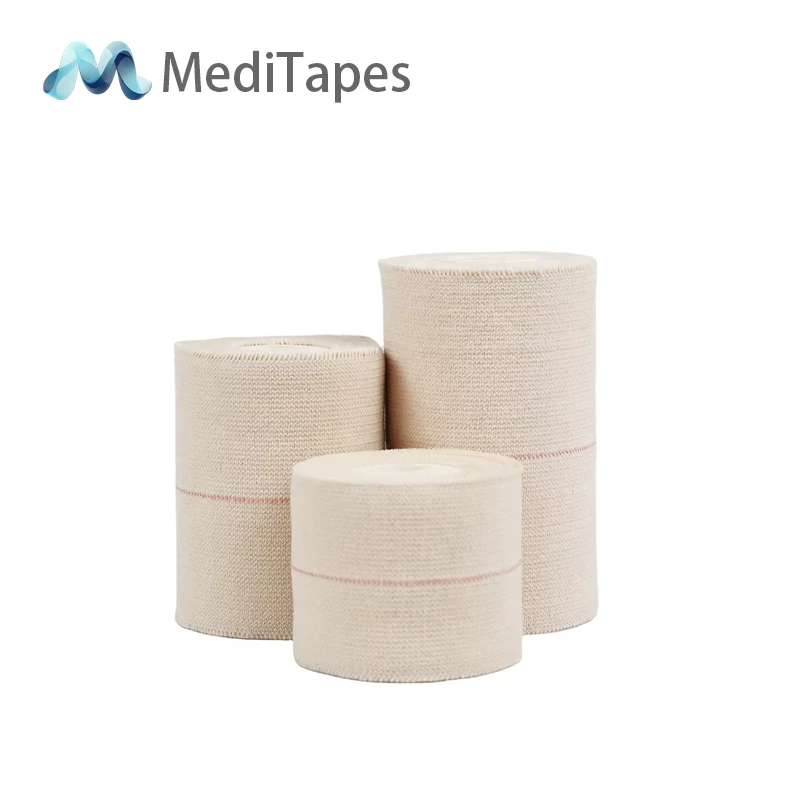
Rigid Cotton Sports Tape & Surgical Adhesive for Joint Support
Professional rigid cotton sports tape for maximum stability. This surgical-grade adhesive tape is excellent for joint support and limiting movement during rehabilitation. Featuring non-elastic cotton fabric, it provides rigid fixation. A top choice for physiotherapy and athletic strapping needs.
Rigid Tape in Sports Medicine: Supporting Acute Injuries
When an injury does happen – say, a mild sprain – rigid cotton sports tape steps in to offload the damaged area.
Physios often use it in the early stages to control swelling and prevent further damage. It de-loads painful structures, letting healing start without constant aggravation.
A systematic review in Physiopedia notes that rigid strapping tape stabilizes injuries, relieves pain by reducing load, and facilitates better movement patterns during recovery.
I’ve taped up plenty of fresh ankle sprains where the athlete could weight-bear right away with support, cutting down downtime.
Pair it with ice and elevation, and you’re giving the body a real chance to mend.
The Physiotherapy Side: Rehab and Long-Term Use
In physio clinics, rigid tape isn’t just for acute stuff. It’s great during rehab to protect while building strength back.
For chronic issues like patellofemoral pain or shoulder instability, it provides that external cue to keep alignment good.
One scenario I recall: a runner with ongoing shin pain. We used rigid tape to slightly alter foot mechanics temporarily, easing stress while she strengthened her calves. Combined with exercises, it helped her get back to mileage without flare-ups.
Rigid tape also boosts confidence – athletes feel more secure pushing limits in therapy sessions.
Rigid vs. Elastic Tape: When to Choose What
There’s often confusion between rigid and elastic tapes. Elastic (like kinesiology tape) allows full movement and is awesome for muscle facilitation or swelling reduction.
But for pure restriction and joint lockdown, rigid wins hands down.
A meta-analysis comparing the two found rigid tape better for immediate stability in musculoskeletal conditions.
If you’re dealing with something that needs immobilizing – like preventing a shoulder from popping out – go rigid. For ongoing muscle support, elastic might be better.
Many pros use both: rigid for prevention in high-risk games, elastic for daily training.
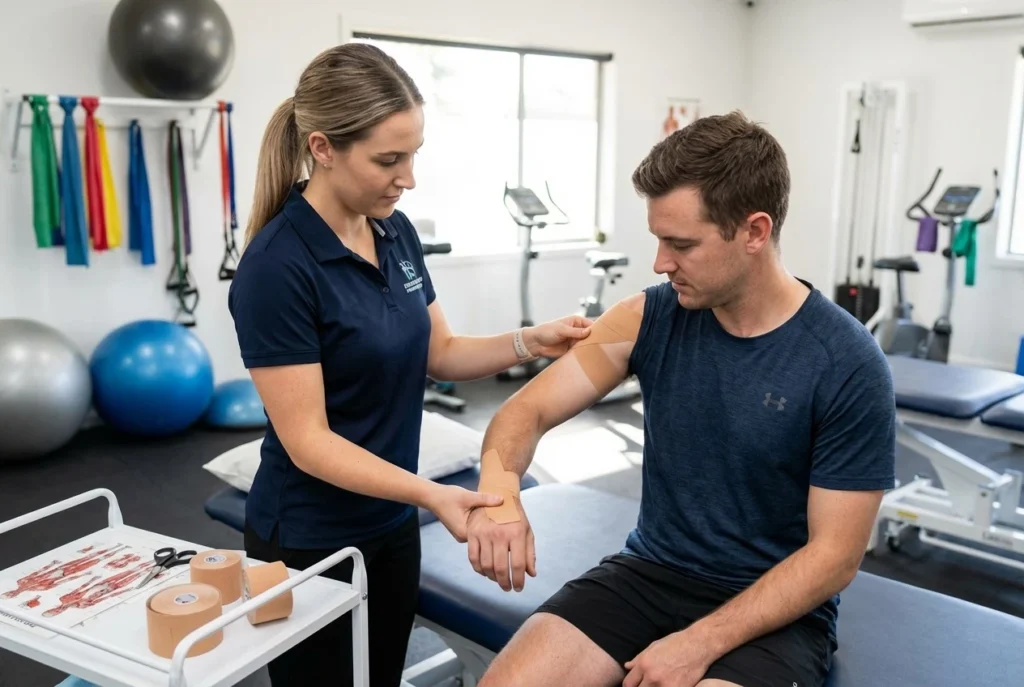
Real-World Applications and Case Insights
Let’s talk some common spots:
Ankle Taping
The classic. Most ankle sprains are inversion types, so tape anchors above the ankle, stirrups under the heel, and figure-8s to lock it.
I’ve done this on basketball players who jump a ton – it cuts re-injury risk big time.
Knee Support
For MCL strains or general stability, tape can compress and limit valgus stress.
Useful in contact sports.
Shoulder and Wrist
Shoulders for overhead athletes; wrists for gymnasts or boxers.
In one anonymous case, a volleyball player with recurrent finger sprains taped her digits rigidly during matches – no issues for months.
These aren’t miracles, but they bridge the gap while tissues heal.
Tips for Applying Rigid Cotton Sports Tape Properly
Good application matters – bad tape jobs can irritate skin or not hold.
- Shave hair if needed.
- Clean and dry skin.
- Use underwrap for sensitive folks.
- Apply with even tension, no wrinkles.
- Check circulation after.
At MediTapes, we recommend practicing or getting a pro to show you first.
Our Rigid Cotton Sports Tape tears easy and sticks strong, even through sweat.
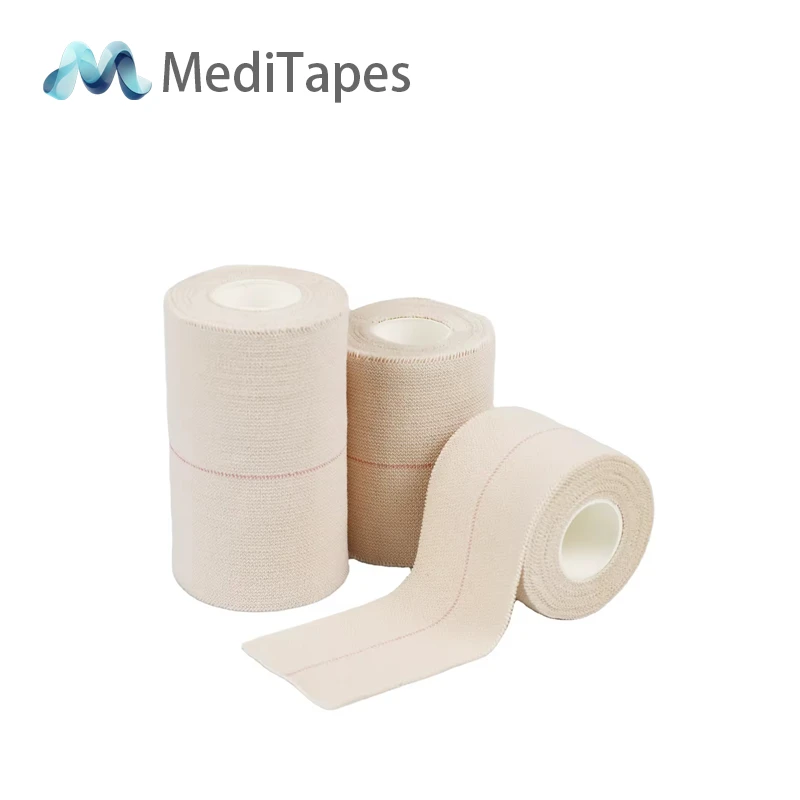
Breathable Cotton Adhesive Plaster Tape for First Aid Kits
Essential cotton adhesive plaster tape for every first aid kit. This versatile tape is gentle on skin yet tough on securing bandages. The microporous cotton adhesive plaster prevents maceration and promotes healing. Available in various widths for custom emergency medical kits (IFAK).
Frequently Asked Questions
What’s the difference between sports strapping tape and athletic tape?
They’re often the same thing – rigid, non-elastic cotton tape used for support. “Sports strapping tape” emphasizes restriction, while “athletic tape” is the general term.
Can rigid cotton sports tape prevent all injuries?
No tape is foolproof, but it significantly reduces risk for things like ankle sprains. Combine with strength training and proper warm-ups for best results.
How long can I leave rigid tape on?
Usually 1-3 days max, or just during activity. Remove if it causes numbness or irritation. Not for sleeping unless advised by a physio.
Is rigid tape better than kinesiology tape for injury prevention?
Depends on the goal. Rigid is superior for restricting harmful movements and stabilizing joints. Kinesio is better for dynamic support and circulation.
If you’re looking to try high-quality rigid tape or need advice on your setup, head over to MediTapes. We’ve got options that pros trust.
Got questions or want a quote? Drop us a line at info@meditapes.com or visit our contact page. We’d love to help you stay in the game longer.