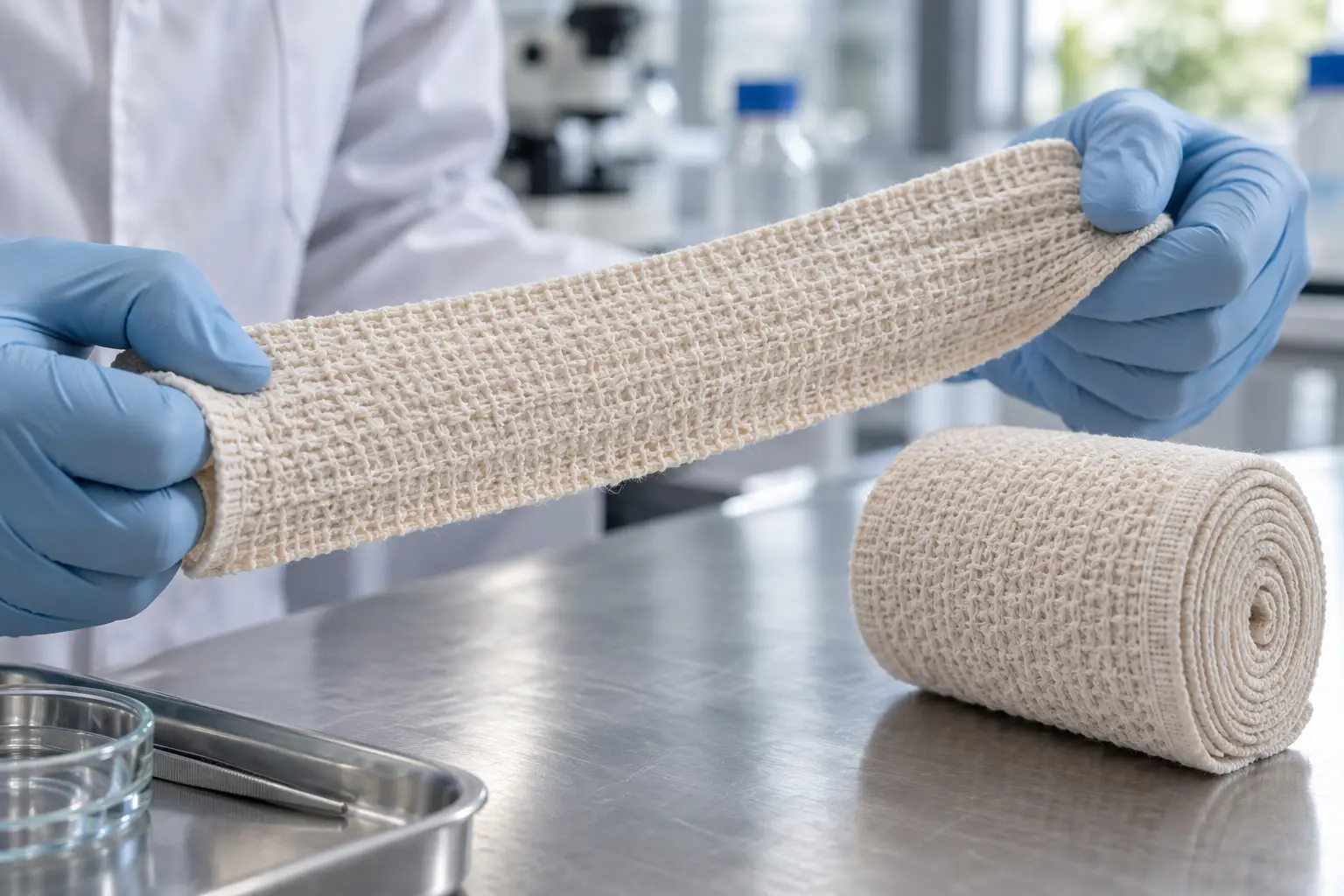
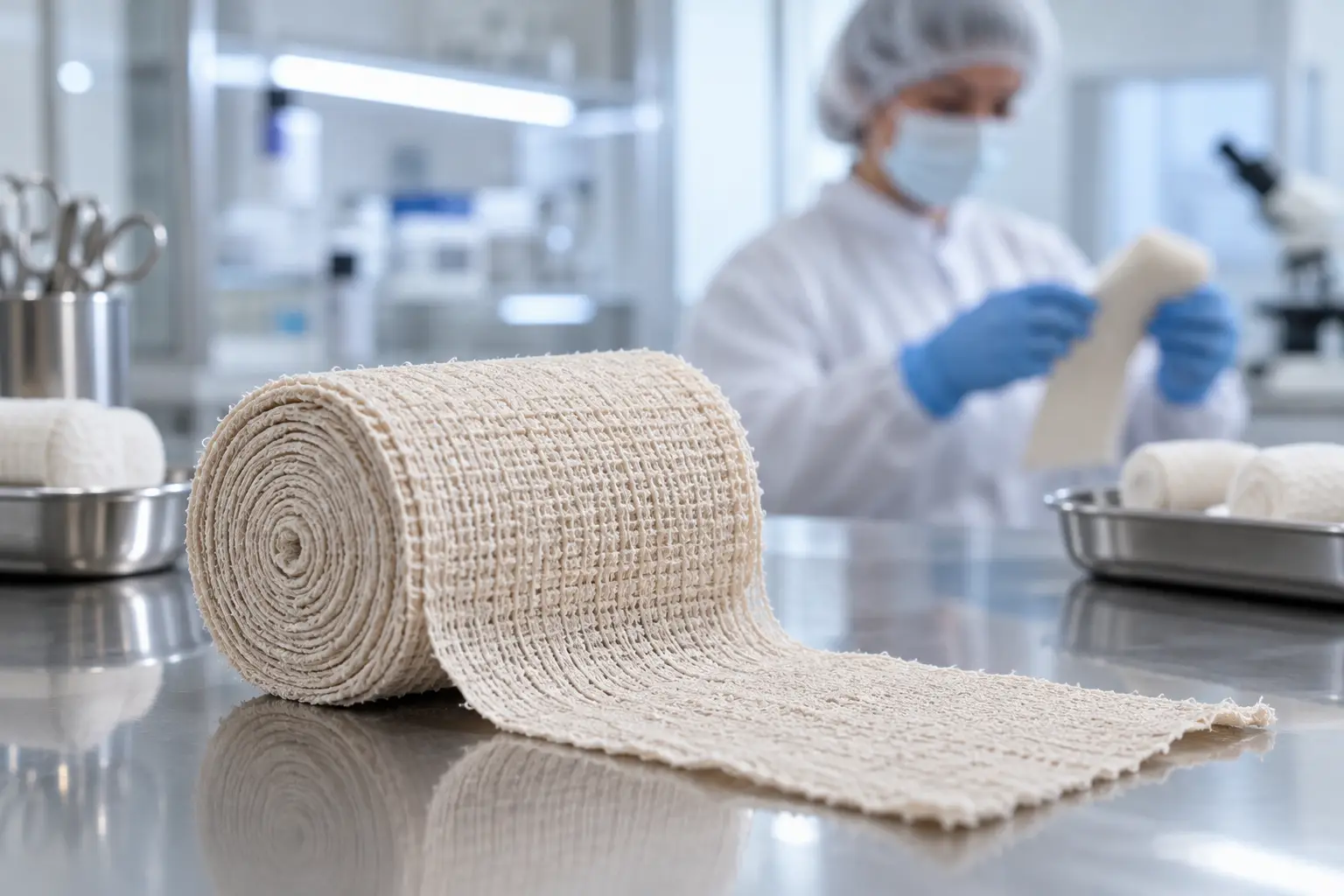
If you’ve just had surgery, you’re probably staring at that fresh incision wondering how it’s gonna look in a few months. Will it fade nicely, or turn into something raised and noticeable? A lot of folks, patients and even some doctors, turn to tapes for help during post-surgical care. Specifically, things like non-woven tapes, which are breathable and gentle on the skin.
I’ve chatted with plenty of people over the years who’ve gone through this – from minor procedures to bigger operations – and tried different options. Non-woven tape isn’t the flashiest solution out there, but it can make a real difference in how scars turn out. It’s not a miracle, but it often helps keep things flatter and less obvious.
Let’s break this down step by step, based on what actually works in real life.
What Happens to Scars After Surgery Anyway?
Your skin heals in stages. First, it closes up quick, then it starts building new tissue. Around 6-8 weeks post-op, that’s when tension on the wound can push it toward hypertrophic scarring – you know, those thick, raised ones that itch or feel tight.
Factors like your skin type, where the cut is, and how much pulling happens day-to-day play a big role. Darker skin tones sometimes have a higher chance of keloids or thicker scars. But anyone can end up with something they’re not thrilled about if tension isn’t managed.
That’s where tapes come in. They provide gentle support, kinda like holding the edges together without stitches.
How Non-woven Tape Works for Scar Reduction
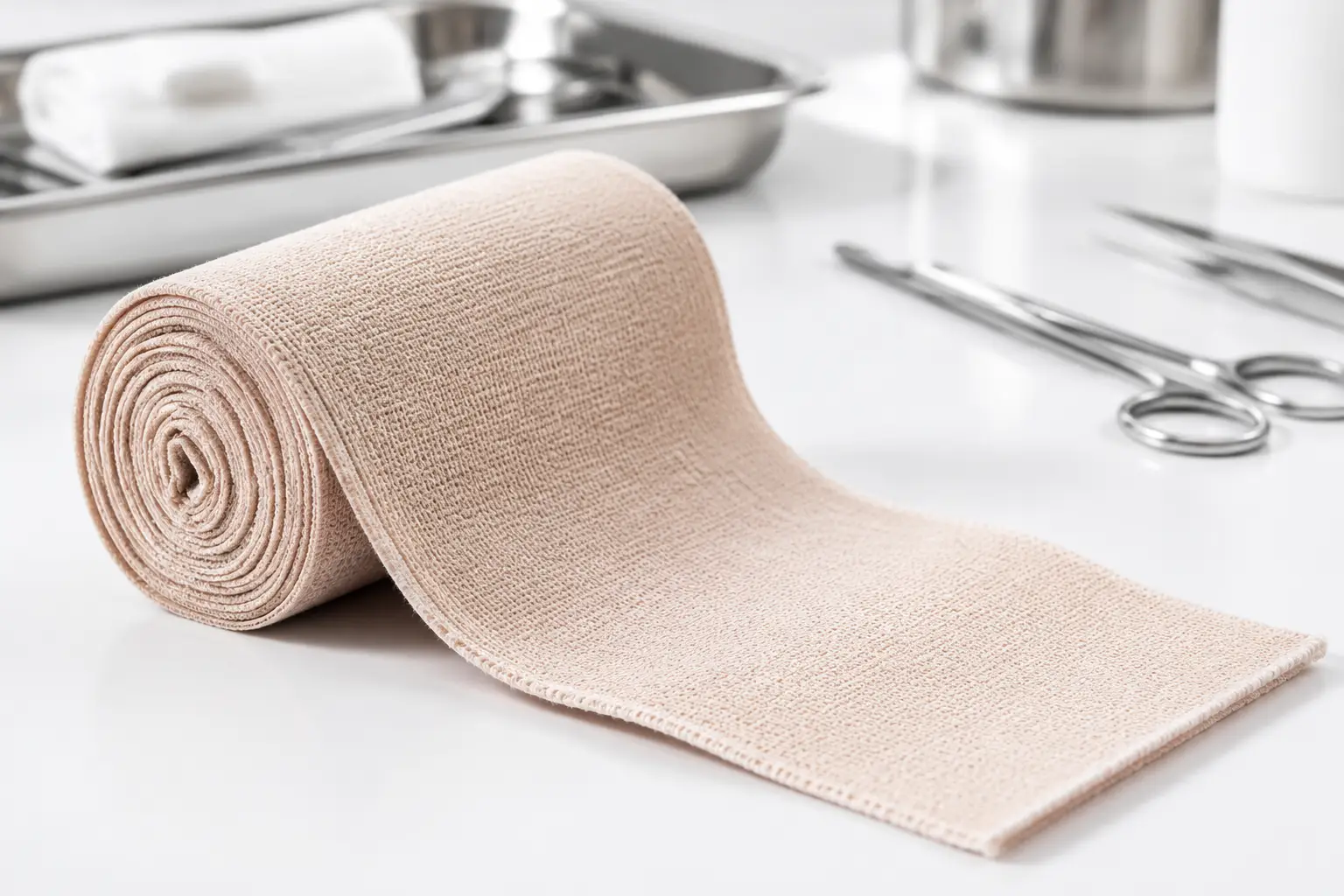
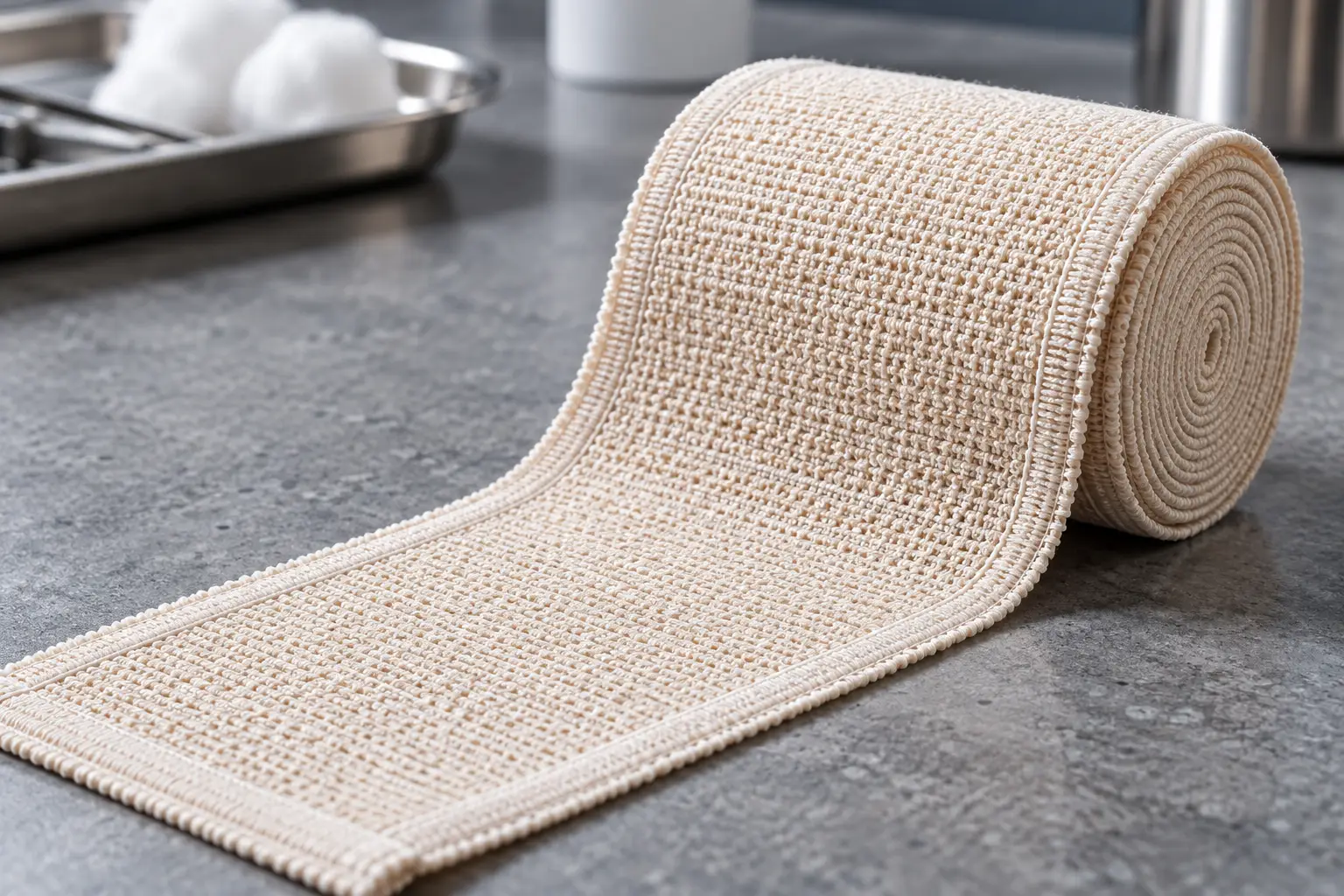
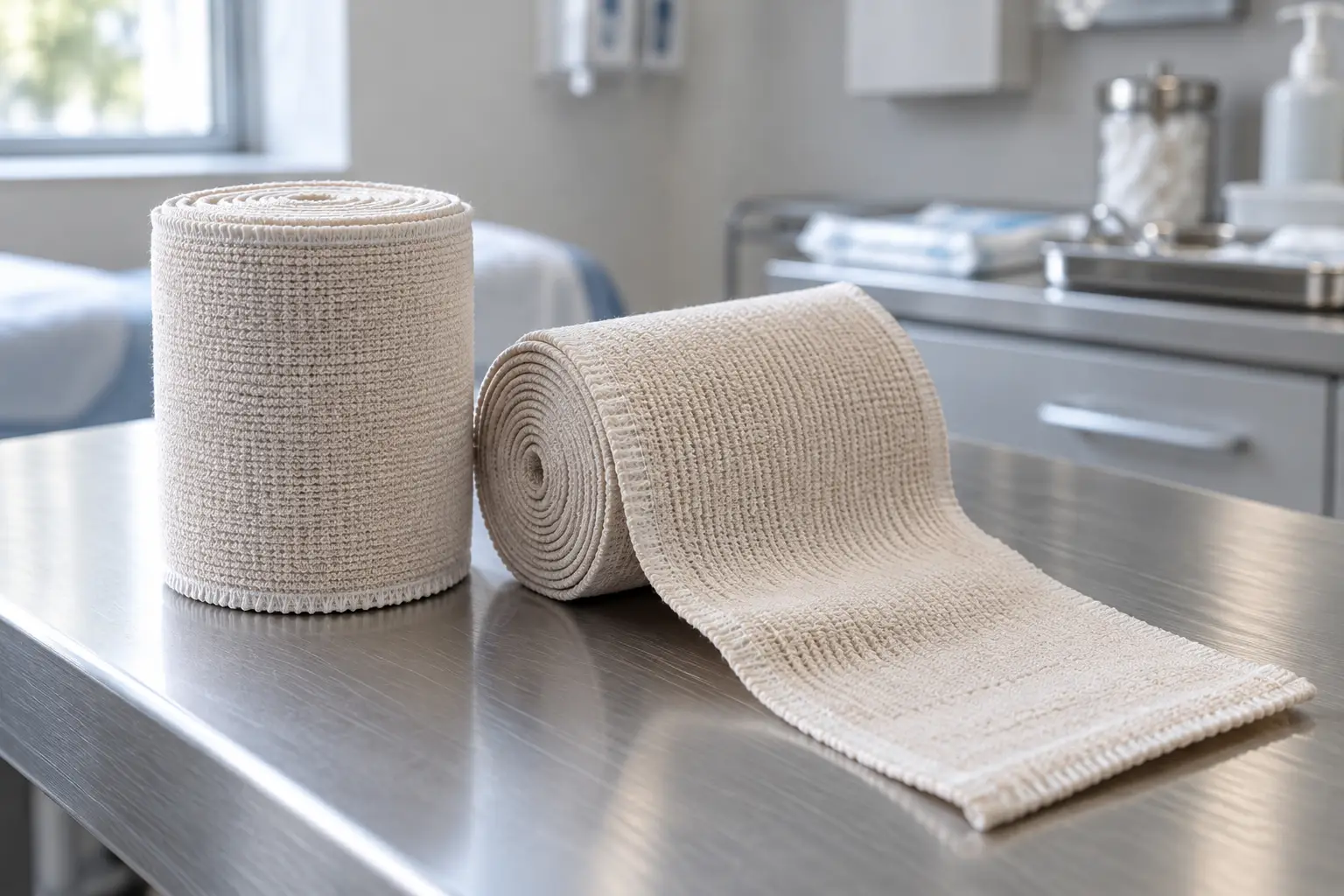
Non-woven tape is that soft, papery stuff – think Medical Non-woven Tape from places like MediTapes. It’s microporous, meaning it lets air through but keeps moisture balanced. Often called micropore tape for scars, it’s hypoallergenic and sticks well without ripping skin when you change it.
The main ways it helps:
- Reduces pull on the healing edges, which cuts down on excess collagen buildup.
- Keeps the area hydrated, which studies show leads to softer, flatter outcomes.
- Protects from dirt and friction while you’re moving around.
One solid study from 2005 (Atkinson et al., in Plastic and Reconstructive Surgery) looked at paper tape on incisions crossing tension lines. They found it significantly lowered scar volume – by about 0.16 cm³ on average. And in the taped group, hypertrophic scars dropped way down compared to no tape.
Another review pulled together evidence showing microporous tapes prevent raised scars while they’re on, especially in the first few months.
It’s not always better than silicone in every head-to-head, but a 2020 study comparing silicone sheets to paper tape after C-sections found similar objective scores on the Vancouver Scar Scale. Patients sometimes liked the look a bit more with silicone, but the difference wasn’t huge clinically.
Bottom line: Non-woven tape does help, especially for prevention and keeping things simple.
Paper Tape vs Silicone for Scars: Quick Comparison
Here’s a table to make it clearer – based on real studies, not just hype.
| Aspect | Non-woven/Paper Tape (Micropore Style) | Silicone Sheets/Gel |
|---|---|---|
| How it helps | Reduces tension, hydrates mildly | Stronger occlusion, normalizes hydration |
| Effectiveness for preventing hypertrophic scars | Good evidence (e.g., 0% hypertrophic in some taped groups while on) | Strong evidence, often first-line |
| Ease of use | Super simple, cheap, breathable | Can be fiddly, hotter, pricier |
| Side effects | Rare irritation | Itch, rash more common in hot climates |
| Cost | Low | Higher |
| Best for | Everyday support, linear incisions | Raised or keloid-prone scars |
From sources like PubMed reviews and RCTs – silicone edges out slightly for tough cases, but non-woven tape holds its own, especially if comfort matters.

Wholesale Medical Non-woven Tape | Soft & Conformable Surgical Tape
Bulk buy our Wholesale Medical Non-woven Tape, featuring a soft, conformable texture for joint areas. This surgical tape allows moisture evaporation to aid healing. As a trusted supplier, we deliver premium medical non-woven tape tailored for pharmacies and medical distributors globally.
When to Start Using Scar Reduction Tape
Don’t slap it on right away. Wait till the wound’s closed – usually after stitches come out, around 1-2 weeks.
Then, apply it along the scar, maybe overlapping a bit. Change every few days or when it peels. Keep it on as much as possible for at least 3 months, ideally 6.
One patient I heard from (anonymously, of course) had knee surgery. They used non-woven tape faithfully for 4 months. Scar stayed flat, barely pink after a year. Another skipped it and ended up with a thicker line that bothered them in shorts.
Real stories like that show consistency pays off.
Tips for Getting the Best Results with Micropore Tape for Scars
- Clean gently first – mild soap, pat dry.
- Cut strips to fit, no wrinkles.
- Massage the scar lightly once it’s healed more (after a month or so) – helps break down stiffness.
- Sunscreen over it if outside – UV makes scars darker.
- Combine with moisturizer if your doc says ok.
At MediTapes, we’ve seen doctors recommend our Medical Non-woven Tape a ton for post-surgical care. It’s designed to be gentle yet secure.
Real-Life Scenarios Where It Shined
Think about a tummy tuck or breast surgery – those scars get pulled a lot with movement. One case (shared without names): Lady after C-section used non-woven tape. At 6 months, her scar was pale and flat, way better than her first one without tape.
Or appendectomy on a guy who works construction – tape kept friction down, scar healed smooth despite sweating all day.
Not every scar vanishes, but tape often tips the scales toward better.
Other Options in Post-Surgical Care
Tape’s great, but sometimes layer it:
- Silicone gels for extra hydration.
- Massage therapy.
- If it gets raised, doc might suggest injections.
Guidelines from wound experts stress starting prevention early – tension relief, hydration, protection.
Potential Downsides
It’s rare, but some get mild rash. If that happens, stop and chat with your doctor. Also, not for open wounds.
Wrapping It Up: Yeah, It Often Helps
So, does non-woven tape help with post-surgery scars? From what I’ve seen and what studies back up – absolutely, especially for keeping them flatter and less raised. It’s an easy, affordable part of scar reduction tape routines.
If you’re dealing with this now, give it a solid try. Results vary, but most folks notice improvement.
Ready to chat more or grab some quality tape? Head over to MediTapes or drop a line at info@meditapes.com. We can point you to options that fit your needs. Or fill out the form on our contact page for personalized advice.
Your scar doesn’t have to define the story – a little support goes far.

OEM Medical Non-woven Tape Rolls | Microporous Adhesive Plaster
We provide customizable OEM Medical Non-woven Tape rolls to meet your brand specifications. This microporous adhesive plaster features soft conformity and pain-free removal. Partner with us for high-quality medical non-woven tape manufacturing and competitive factory pricing.
FAQ About Scar Reduction Tape and Post-Surgery Scars
1. How long should I wear non-woven tape on my surgical scar?
Most people get good results wearing it 24/7 for 3-6 months. Start after the wound closes, change when dirty or loose. Studies show benefits peak around 12 weeks but continuing longer helps maturation.
2. Is micropore tape for scars better than nothing at all?
Definitely. Randomized trials show untreated scars have higher rates of hypertrophy – like 41% in one control group vs near zero with tape. It’s low-effort prevention.
3. Can non-woven tape prevent keloids completely?
It lowers risk by reducing tension, but if you’re prone (family history, certain skin types), it might not stop them 100%. Combine with other care, and see a doc early if it raises.